
Surrey · Woking · Town service guide
Renderingin Woking.
Rendering changes the outside face of a building, so the wall beneath it matters as much as the finish you can see. If the background is weak, damp or mismatched to the new system, the result may look good at first but fail early.
- Service
- Rendering
- Town / city
- Woking
- County
- Surrey
- Next step
- Discuss your project
Your project brief
Match the render to the wall behind it
The first decision is whether the existing wall can support the intended render system. Cracking, trapped moisture, old coatings and poor rainwater details all affect performance. If the wall is already compromised, a new finish will not solve the underlying issue and may hide it only briefly.
Older solid-wall construction can need a more breathable, compatible approach than a standard modern system. That is why the background, existing finish and expected weather exposure should be checked before the materials are chosen. The best render is the one that suits the wall, not just the visual style.
Woking local check for exterior walls
Woking Borough Council provides mapped conservation guidance and appraisals, but the address must be checked first before any assumption is made about the correct approach. The council says appraisals describe how an area developed and how its special character is retained, which is useful when assessing an exterior finish. Read the property history alongside that local evidence, especially if the render forms part of a wider external alteration.
Design decisions
Keep the scope tied to the whole exterior
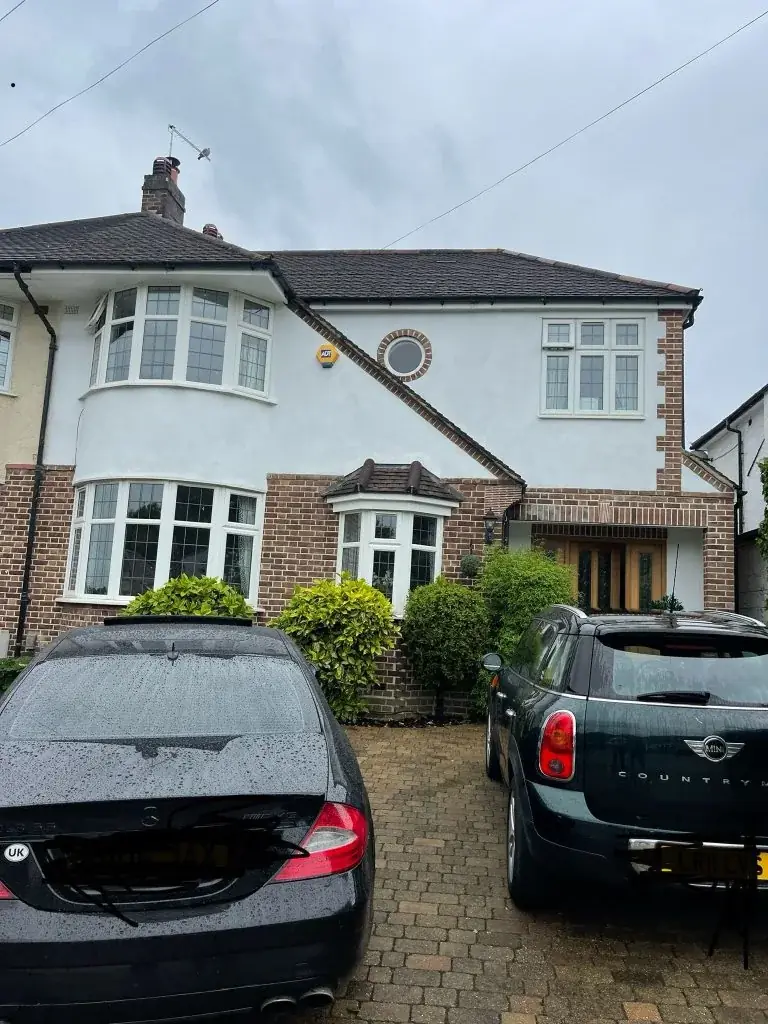
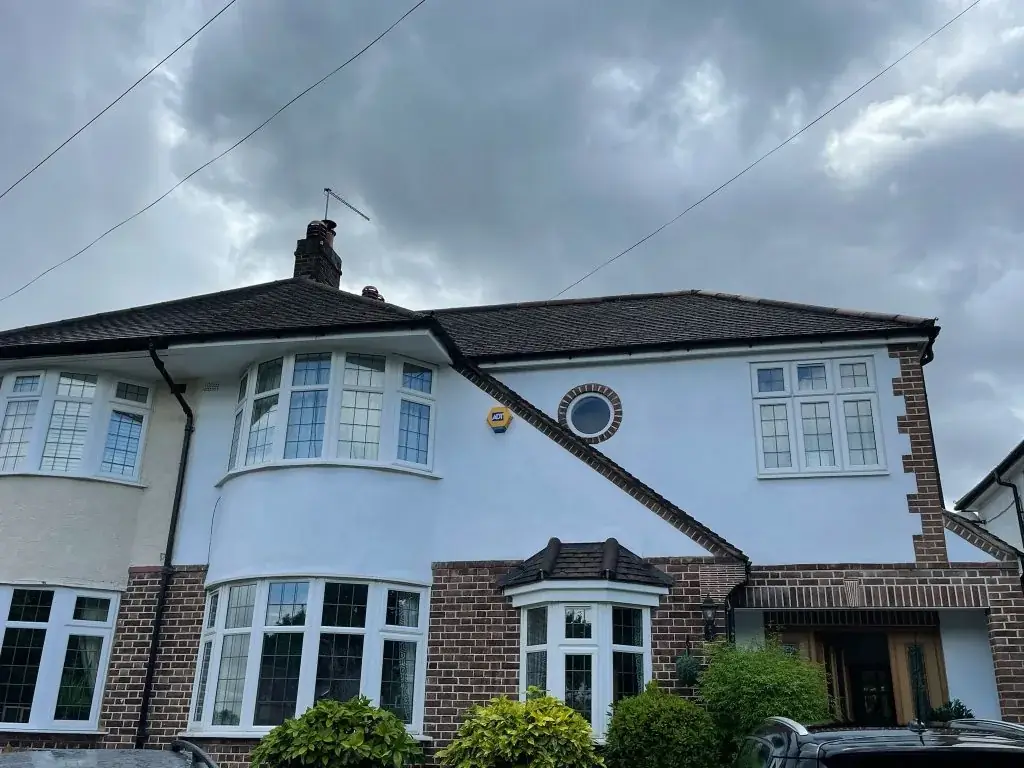
Junctions around openings, roof edges and adjoining materials can be the weak points in a render job. A smart brief includes those details rather than treating the wall as a flat field. That way, the finish is designed with the likely movement and weathering points in mind.
If insulation or thermal improvement is also being considered, the project may trigger extra design and Building Regulations questions. Exterior changes can also need consent in some situations, including where the building is listed or subject to local controls. The rendering scope should make those checks explicit before work starts.
Design checks
Four things we confirm before drawing external rendering.
- 01Check the wall condition and the existing finish before choosing a render.
- 02Treat cracking, moisture and rainwater details as design issues.
- 03Review junctions around openings and roof edges in the scope.
- 04Confirm whether any consent or extra design checks are needed.
Why does render sometimes fail even when the wall is repainted afterwards?
Because the problem may be in the wall itself, not the colour on top. If moisture, movement or weak background material is left untreated, repainting the surface will not stop the render from cracking or detaching again.
Is every older wall suitable for the same render system?
No. Older walls can vary in breathability and condition, so the render needs to suit the construction underneath. A compatible system is often more important than choosing a modern product simply because it is available.
What should be checked around openings before rendering starts?
The condition of the reveals, lintels, seals and adjacent materials should be reviewed. Those junctions are common failure points, so they need to be considered in the scope rather than dealt with only after the main coat is applied.
Planning and project guidance
- Woking Borough Council · conservation and heritage map and appraisal guidance
- GOV.UK · Planning permission
- GOV.UK · Building regulations approval
- GOV.UK · Party walls and building work
Check the current guidance for your address before relying on a planning route. This guide is not a planning decision or a verified local case study.
Other services in Woking








