
Redbridge · East London
Doorsin Woodford.
A door seems straightforward until the opening, frame and surrounding finishes are checked properly. The important choices are whether the existing frame can stay, how the door will operate, and what the surrounding room needs to make the result work neatly.
- Service
- Doors
- Neighbourhood
- Woodford
- Borough
- Redbridge
- Next step
- Discuss your project
Your project brief
Check the opening before ordering the door
The size and condition of the opening, the frame alignment and the state of the surrounding joinery all affect whether a simple replacement is possible. If the lining is twisted or the opening has been altered before, the new door may need more than a like-for-like swap.
That is why the scope should say whether the frame is being retained, replaced or adjusted. It should also note the hardware and clearances needed so the door actually functions as intended once fitted.
Woodford checks before door replacement or alteration
In Woodford, the exact address should be checked if the door work affects an external opening, a listed building or a property that falls under Redbridge controls such as conservation areas or Article 4 directions. Those issues are site-specific and cannot be assumed from the neighbourhood name. Internal door work is usually a matter of fit, function and the condition of the opening, with adjacent finishes assessed as part of the survey.
Design decisions
Think about what the door changes in the room around it
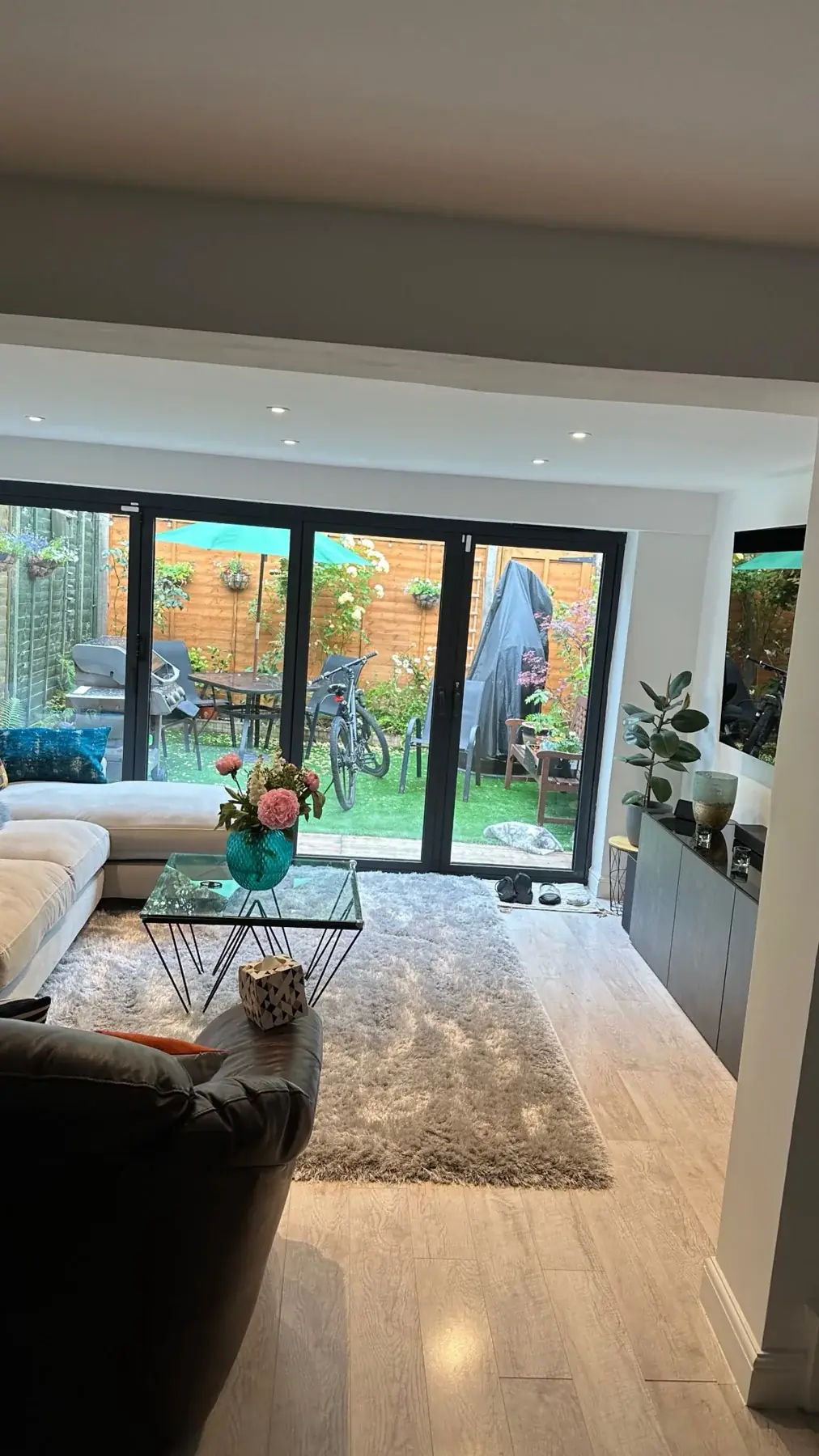
Door work can affect skirting, architraves, flooring, thresholds and sometimes fire performance or security requirements. An internal door may only need clean making-good, but an altered opening or external door can involve more careful coordination with the rest of the room.
A written brief should separate the joinery itself from any making-good to plaster, paint or floor finishes. That helps the finished opening look deliberate rather than patched after the event.
Design checks
Four things we confirm before drawing door installation.
- 01Inspect the frame, opening and surrounding finishes first.
- 02Decide whether the frame stays, changes or needs adjustment.
- 03Confirm hardware, clearances and intended use.
- 04Record any making-good to walls, floors or trims.

What do door drawings often miss?
They can miss whether the frame is out of square, whether the opening has been altered before, or how much making-good is needed around the new door. Those details are often only clear on site.
How should a scope deal with security or fire performance?
It should state whether the door needs any particular performance or hardware requirements and who is specifying them. That avoids assuming a standard internal door is suitable when a different requirement applies.
Why does the surrounding room matter for a door job?
Because the opening affects floors, trims, plaster edges and the way the room reads visually. A good fit depends on those nearby finishes being considered as part of the same task, not as an afterthought.
Planning and project guidance
- Protected buildings and conservation areas
- GOV.UK · Planning permission
- GOV.UK · Building regulations approval
- GOV.UK · Party walls and building work
Check the current guidance for your address before relying on a planning route. This guide is not a planning decision or a verified local case study.
Other services in Woodford








