
Redbridge · East London
Electrical workin Woodford.
Electrical work is easiest to get right when it is decided early. Once walls are plastered or cabinets are fitted, moving a switch or socket can become a much bigger job, so the layout and the sequence need to be settled first.

- Service
- Electrical work
- Neighbourhood
- Woodford
- Borough
- Redbridge
- Next step
- Discuss your project
Your project brief
Set the electrical layout around the room’s real use
The first decision is how the room will be used, because lighting, switches and socket positions should support the way people move, cook, work or relax there. That is more useful than copying a generic arrangement from another property.
A proper site review also considers the existing condition and any visible limits in the current installation. That helps decide whether the job is a straightforward change, part of a refurbishment, or something that needs a specialist’s input before it is finalised.
Woodford checks before electrical changes are agreed
For a Woodford property, the exact address matters only if the electrical work is linked to a larger alteration affecting protected fabric or external appearance. Redbridge evidence shows some sites are subject to conservation area, listed building or Article 4 controls, but those are site-specific. The main planning and technical concern for indoor electrical work is coordination with the building sequence and the condition of the existing installation.
Design decisions
Keep the electrical scope separate from building and finishing work
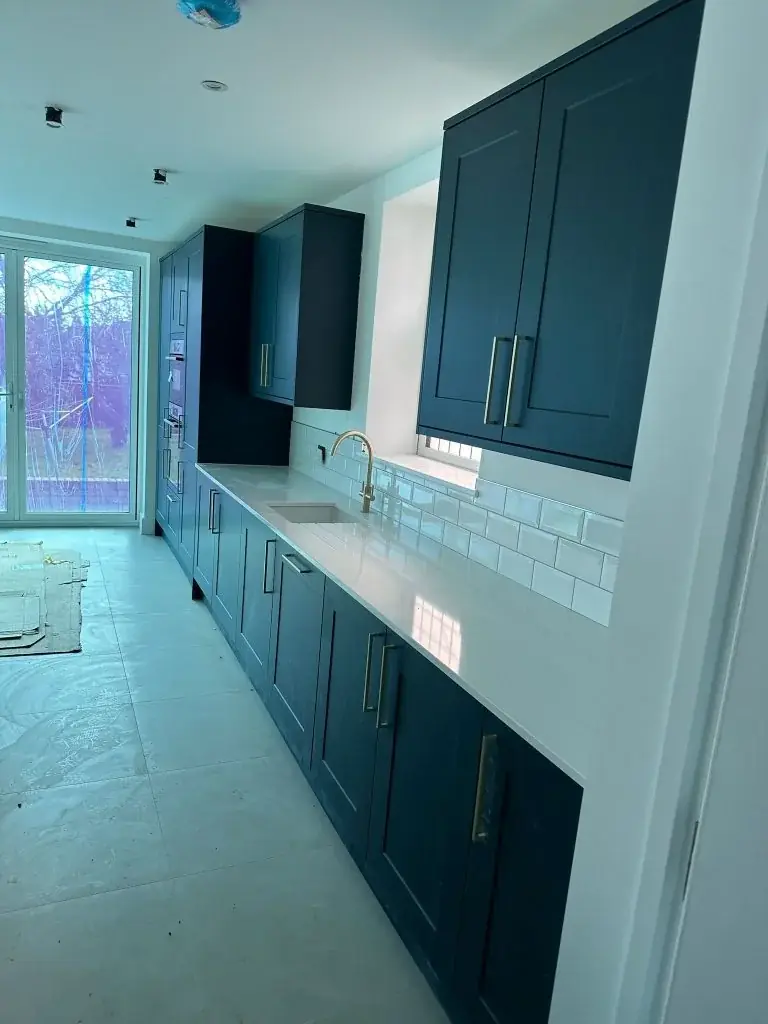
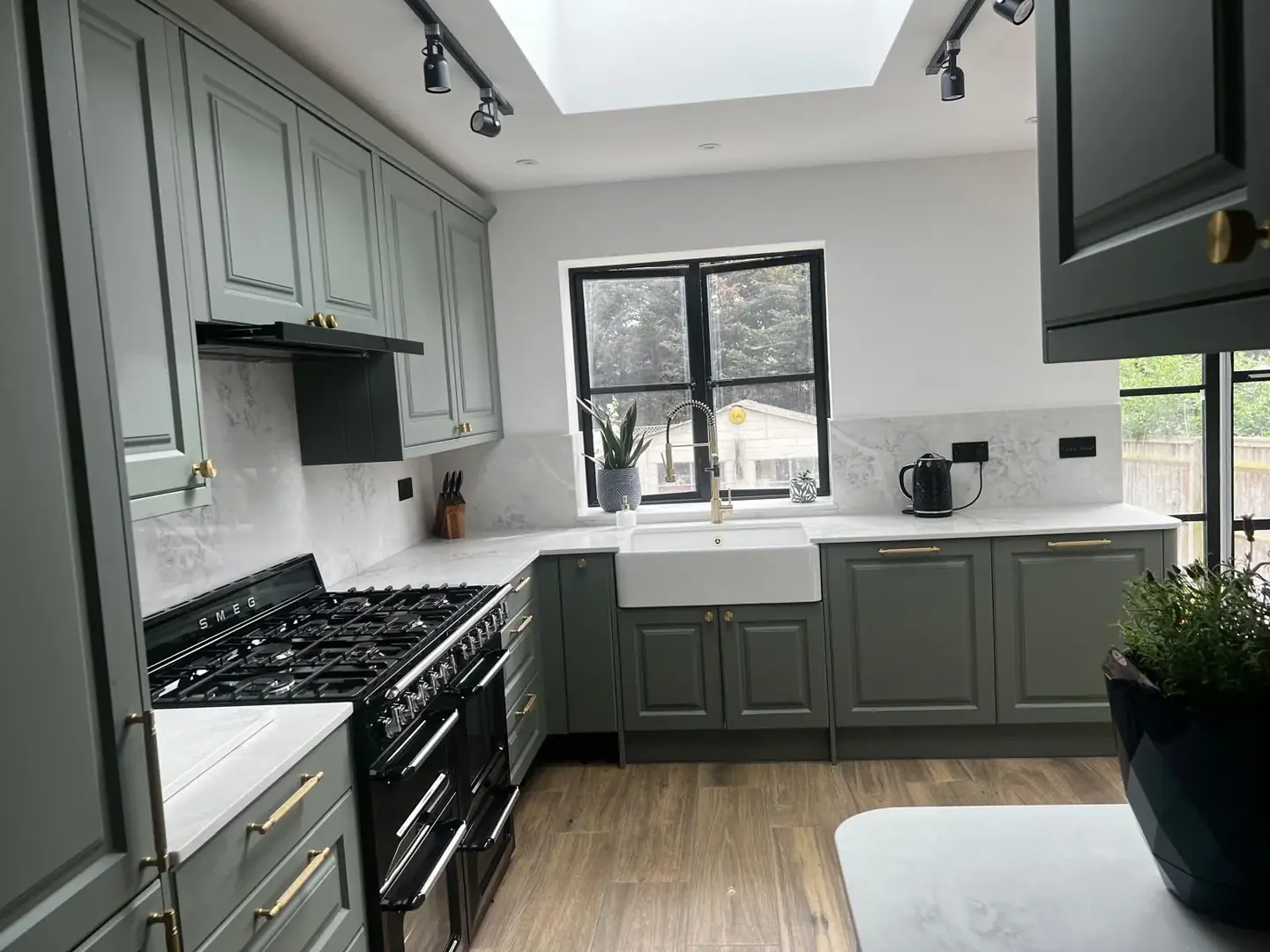
Electrical first-fix and second-fix work should be coordinated with plastering, joinery and decoration so there is no conflict over timings. The scope should say which elements are part of the electrical package and which are handled by another trade.
It should also record what inspection, testing or completion paperwork will be needed from the qualified specialist involved. That is especially important where the work is part of a wider home improvement project and the handover depends on a complete record.
Design checks
Four things we confirm before drawing electrical work.
- 01Plan switches, sockets and lights around the room’s use.
- 02Coordinate first-fix and second-fix with the other trades.
- 03Identify where specialist input or completion records are needed.
- 04Check the impact of the work on walls and finished surfaces.



Questions
Before you call about Woodford.
Why should electrical decisions be made before plastering or cabinetry?
Because once finishes are in place, changing the service layout can mean extra disruption and repair. Early decisions save rework and make it easier to place switches, sockets and lights where they are actually needed.
How do electrical changes affect adjacent rooms?
They may require access through shared walls, ceilings or floors, and they can disrupt decoration or joinery in nearby spaces. That is why the route and timing should be considered as part of the wider project, not in isolation.
What should be in the scope about testing and paperwork?
The scope should say which specialist is providing inspection, testing and completion records, and when those records are expected. That keeps responsibility clear without assuming every trade supplies the same documentation.
Planning and project guidance
- Protected buildings and conservation areas
- GOV.UK · Planning permission
- GOV.UK · Building regulations approval
- GOV.UK · Party walls and building work
Check the current guidance for your address before relying on a planning route. This guide is not a planning decision or a verified local case study.
Other services in Woodford








