New Build vs Renovation: Which Is the Better Investment?
The short answer
Choosing between a new build and a renovation is less about a simple “better” answer and more about what risk, structure, performance and consent issues you are prepared to take on. A new build usually gives more control over layout and fabric, while renovation can preserve location, character and sometimes existing value. The best option depends on the condition of the retained structure, planning constraints, energy goals and how much uncertainty you can tolerate.
Contents of this guide
- Understanding what you are actually buying
- Whole-project risk and uncertainty
- Retained structure, embodied resources and carbon thinking
- Performance, comfort and running costs
- Planning, permissions and local constraints
- Building regulations, technical compliance and hidden cost
- VAT, tax treatment and why project advice matters
- Value, resale and marketability
- How to choose the better route for your brief
- Questions homeowners ask
- Sources
Understanding what you are actually buying
When people compare new build vs renovation as an investment, they often focus on the finished appearance and overlook the starting point. A new build begins with a blank sheet: the structure, services, insulation strategy and internal layout can all be designed around current needs. A renovation starts with what is already there, so the project has to work around the existing building, its hidden defects and any constraints created by its age, form or condition.
That difference matters because the retained parts of a renovation are both an opportunity and a risk. If the existing structure is sound and the building can be adapted efficiently, renovation can be a highly practical route. If the fabric is tired, altered repeatedly or difficult to rework, the scope can expand quickly. For many homeowners, the question is not whether one option is universally better, but whether the existing building offers enough value to justify keeping it.
Whole-project risk and uncertainty
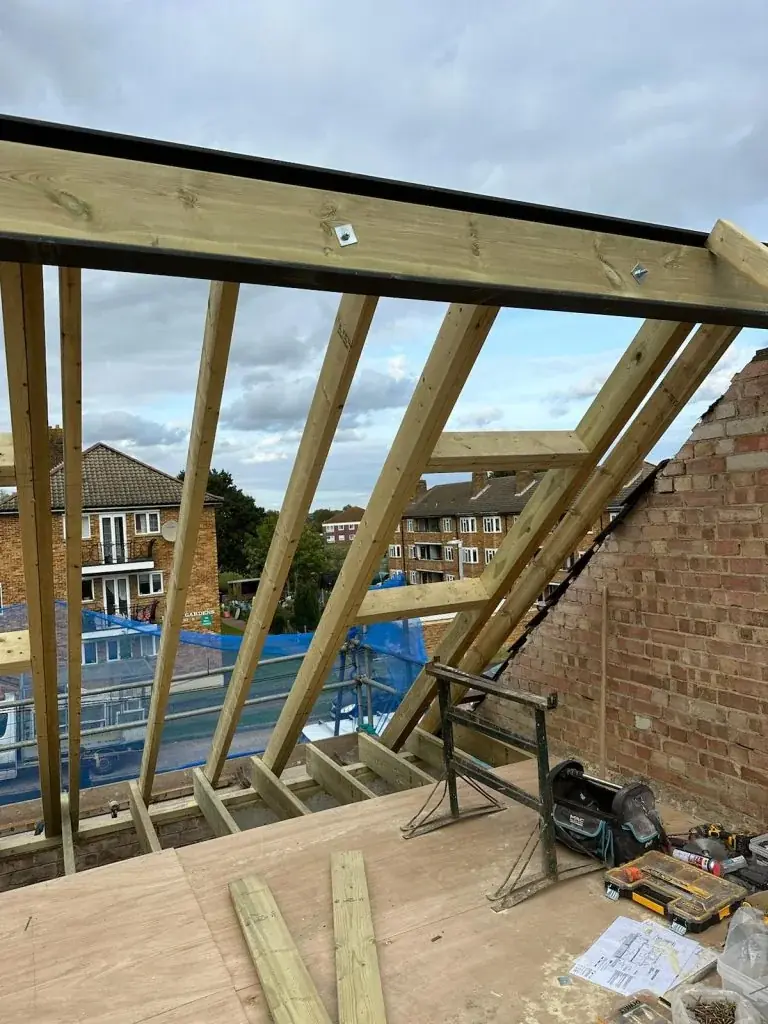
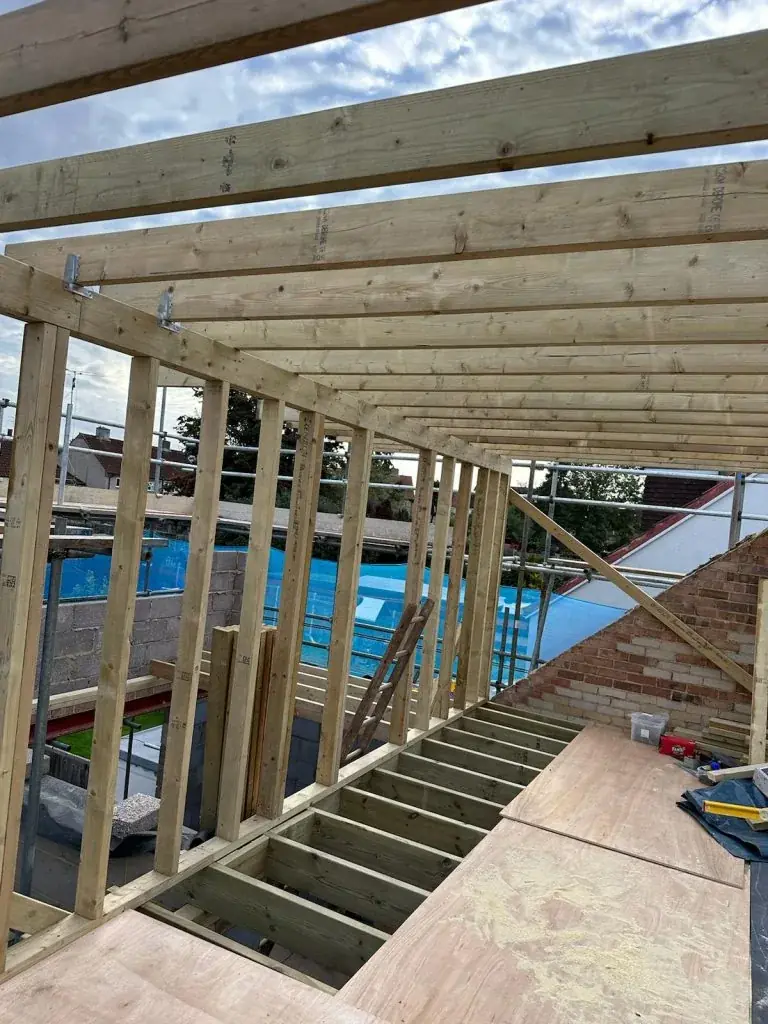
New builds tend to shift the main risks towards design, site conditions and procurement. You still need to manage planning, building regulations, services connections, cost control and sequencing, but the structure itself is not being inherited from an unknown past. That can make the scope easier to define, especially where the design has been developed from the outset with a clear brief. If you want a clean project structure, new-build construction services often suit homeowners who prefer certainty over patchwork decision-making.
Renovation carries a different kind of uncertainty because you are dealing with the building as found. Hidden defects can appear once finishes are removed, and old alterations may not have been done to a consistent standard. Even where a survey has been thorough, there is usually more interpretation involved in budgeting and programming. That does not make renovation a poor investment; it simply means the financial case must include contingency for unknowns and a realistic allowance for scope refinement.
Retained structure, embodied resources and carbon thinking
One major advantage of renovation is that it can keep useful building fabric in service. Retaining structure, foundations, walls or roof elements can reduce the need for demolition and replacement, which in turn preserves embodied resources already invested in the original construction. For homeowners who value material efficiency, this can be an important part of the investment decision, even when it is not the only one.
A new build, by contrast, gives maximum freedom to optimise the whole envelope for performance, but it normally requires more new materials and more site activity. The environmental comparison is not as simple as “new is bad” or “renovation is always greener”. The real question is whether the retained structure is genuinely efficient to keep, and whether the renovation would still leave you with a compromise building that needs substantial future work. Where the existing house is difficult to adapt, replacing more of it may be the more rational long-term choice.
Performance, comfort and running costs
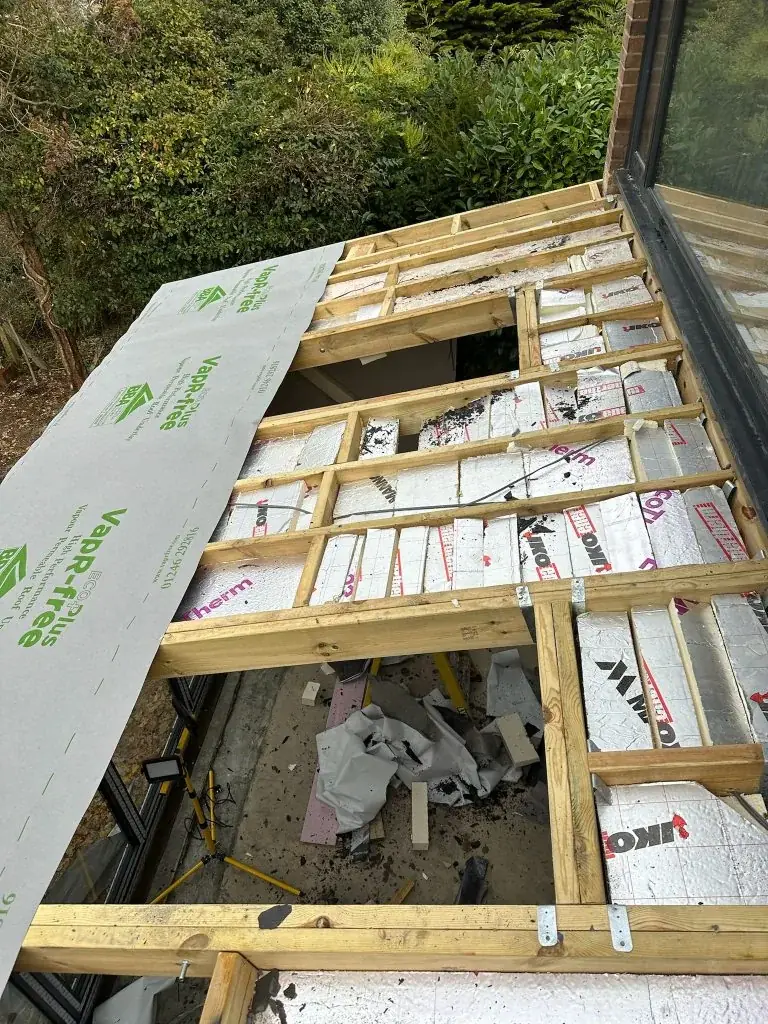
From a performance point of view, a new build usually has the advantage because it can be detailed as a coherent system. Walls, roof, windows, ventilation, heating and airtightness can all be coordinated together rather than improved in stages. That makes it easier to aim for a comfortable home with consistent thermal performance, better daylight planning and fewer awkward junctions. It also reduces the chance that one upgraded element is let down by a weaker surrounding fabric.
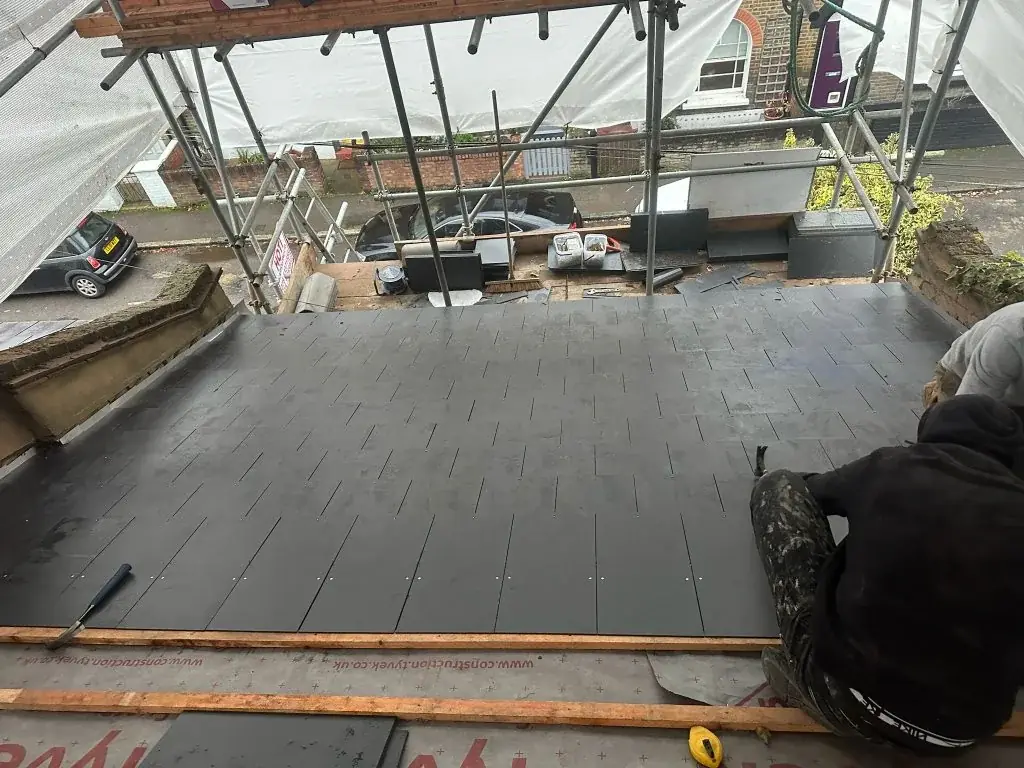
Renovation can still deliver strong performance, but it often has to work around existing geometry and older construction. Some houses improve beautifully; others become expensive to upgrade because each gain uncovers another limitation. If you are comparing investment outcomes, think beyond the headline finish. A warmer, easier-to-maintain home may be more attractive to future occupiers than a superficially refreshed house that still feels compromised behind the scenes. This is one reason why a proper house renovation services brief should start with fabric and services, not just decoration.
Planning, permissions and local constraints
Planning is a separate issue from building regulations, and both can matter. GOV.UK’s planning guidance makes clear that you should consult the local planning authority about proposed works, and that new buildings and major changes are likely to require permission. Householder permitted-development rights are conditional and apply in England, but a particular property’s rights may differ depending on its setting and designation. That means the planning picture is often simpler to read for some new-build proposals than for heavily altered existing homes, but no route is automatic.
Renovation can be easier where the work stays within the existing envelope, yet it can also trigger planning considerations if the proposal materially changes the exterior or use. If you are weighing investment risk, ask how much design freedom each option genuinely gives you under the local regime. A well-judged brief should consider not only whether permission is needed, but also how design, neighbours, access and site constraints affect certainty. For broader examples of delivery approach, you can review recent project examples.
VAT, tax treatment and why project advice matters
VAT can materially affect the financial comparison, but it is not something to guess at. GOV.UK states that zero rating only applies where qualifying conditions are met, and not every new-build-related supply qualifies. An annexe is not automatically treated as a qualifying new dwelling. That means the tax position depends on the exact nature of the works and how the project is structured, so project-specific advice is sensible before you commit to a route.
Renovation also has tax implications that depend on the work being done and the way it is procured, so it is best to treat VAT as part of the feasibility review rather than an afterthought. The practical point for homeowners is simple: never compare a renovation and a new build on labour and materials alone if one option may attract different tax treatment. Ask each contractor to be clear about what is included and what may require separate professional advice.
Value, resale and marketability
In investment terms, value is not only about build cost. It is about how the finished home sits in the market, how flexible it is for future buyers and how much maintenance or compromise it carries. A well-designed new build can be easier to present because the specification is unified and the home can feel modern, efficient and low-fuss. That can appeal to buyers who want certainty and a clean layout.
Renovation can create stronger value where it preserves character, location advantages or a house type that already has local appeal. But the market will usually discount visible compromise, awkward circulation or signs of incomplete upgrading. A renovation is most compelling when it feels deliberate, coherent and well detailed rather than piecemeal. If a project is intended to hold long-term value, the design should resolve practical living patterns as well as appearance.
How to choose the better route for your brief
The best investment route depends on your starting building, your appetite for unknowns and the kind of home you want to end up with. If the existing structure is sound, the location is strong and the retained fabric has real value, renovation may offer the better balance of cost, character and environmental efficiency. If the house is heavily constrained, inefficient or likely to need major hidden repairs, a new build may be the cleaner long-term proposition. In many cases, the real decision is not “new build or renovation” but “how much of the existing building is worth keeping”.
A sensible comparison should look at the whole project picture: design freedom, likely planning friction, regulatory scope, embodied resources, running costs, likely resale appeal and the amount of uncertainty you are prepared to absorb. If you are still deciding which route fits the site and budget, it is helpful to speak to a contractor early and compare both approaches side by side before design hardens into one option. That is where a practical briefing process and a clear scope can save time and money.
Questions homeowners ask
Is a new build always a better investment than renovation?
No. A new build can offer better performance, lower uncertainty and more design control, but renovation can be smarter where the existing structure is sound, the location is valuable and the retained fabric has real merit. The better investment depends on project risk, planning constraints, future running costs and how much of the old building is worth keeping.
Which route usually has more hidden risk?
Renovation usually carries more uncertainty because existing fabric can conceal defects, old alterations or services issues that only become obvious once work starts. New builds have their own risks, but they are generally easier to define because the structure is being created from the outset. Either way, a detailed survey and scope are essential.
Does a renovation always have a lower carbon impact?
Not always. Keeping useful structure can reduce demolition and preserve embodied resources, but a poor-quality renovation may still leave you with a compromise building that needs further intervention later. The environmental case depends on how much of the existing house is genuinely worth retaining and whether the finished home performs well in use.
How do planning rules affect the comparison?
Planning and building regulations are separate. GOV.UK advises consulting the local planning authority, and new buildings or major changes are likely to need permission. Some householder permitted-development rights apply in England, but they are conditional and can vary by property. Renovation may be simpler in some cases, but not every project avoids planning issues.
Should I compare VAT before choosing a route?
Yes, because tax treatment can change the financial picture. GOV.UK notes that zero rating only applies where qualifying conditions are met, and not every new-build-related supply qualifies. Renovation projects can also have different VAT consequences depending on what is being done. Get project-specific advice rather than assuming the tax outcome from the label alone.
Where should I start if I want both options assessed properly?
Start with the existing condition of the house and the brief for the finished home. Then test both routes against the same scope: planning, technical compliance, cost exposure, programme, performance and resale appeal. A contractor or designer can help you compare a renovation-led approach with a new-build option before you commit to one direction. Request a quote if you want to begin that process.
Sources
- GOV.UK: Planning permission
- GOV.UK: Householder permitted development guidance (England)
- GOV.UK: Building regulations approval
- GOV.UK: Party walls and building work
- GOV.UK: VAT on building new homes
General guidance for homeowners, not a substitute for advice on your specific property. Rules change; check the current position with your council or a qualified adviser.
Share this article
Talk it through with the people who build it.
Free consultation, honest advice and a fixed written price.