
City of London · Central London
Renderingin Aldgate.
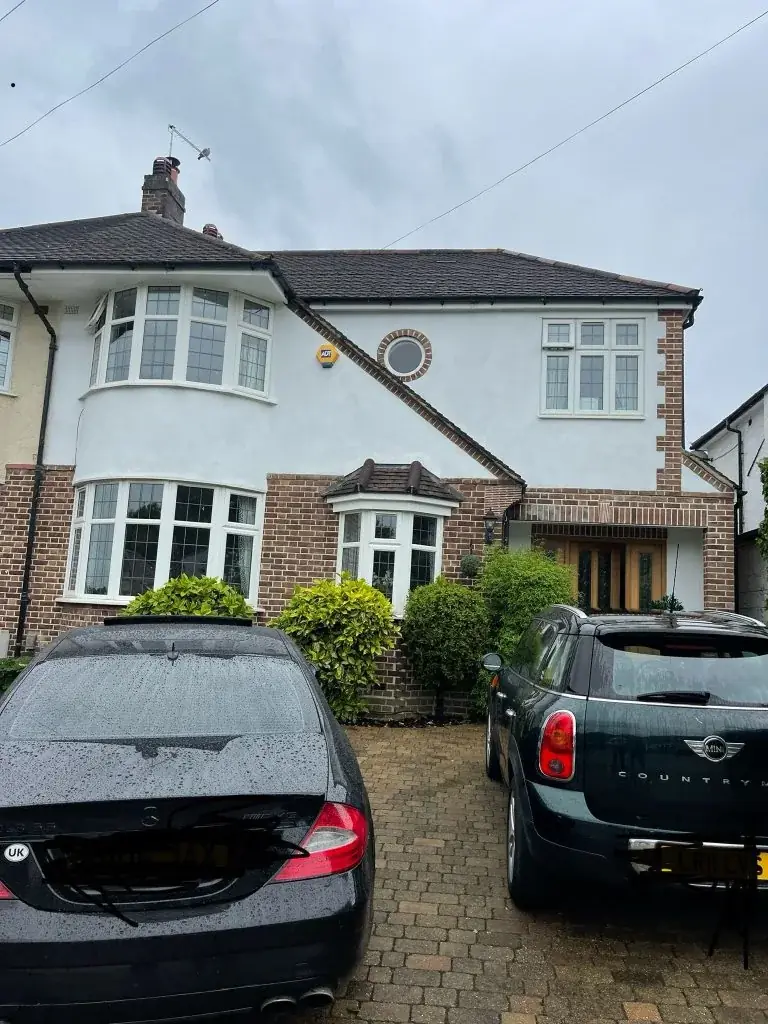
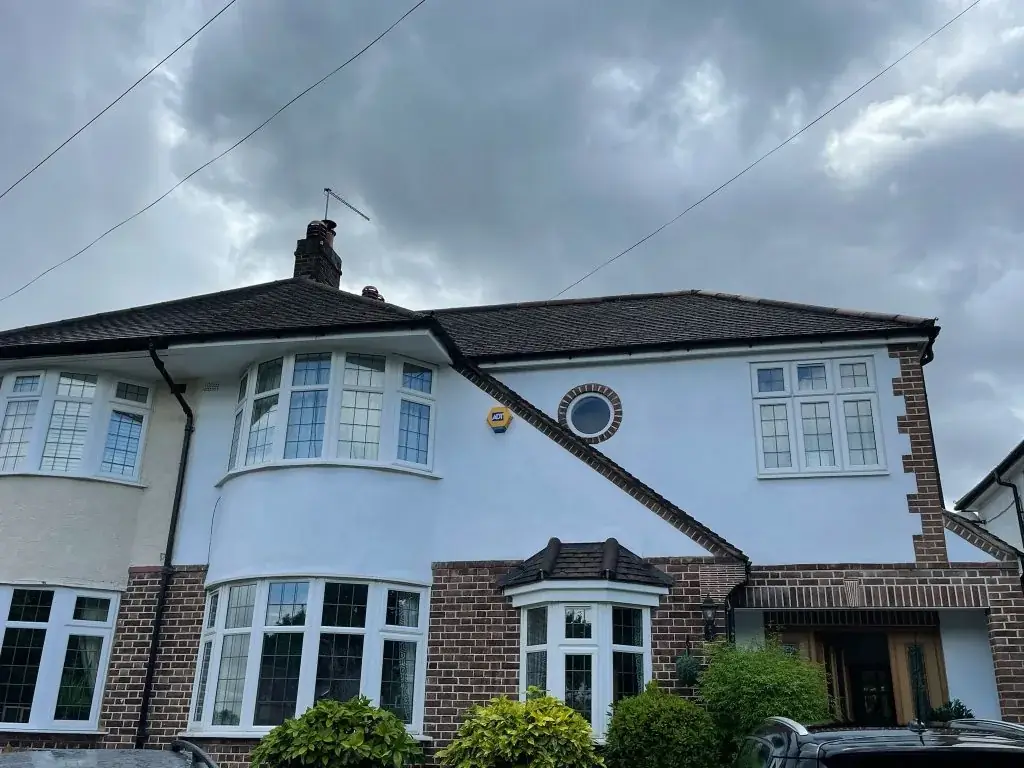
Rendering changes both the look and the protection of an external wall, so the right approach starts with the wall itself. The condition of the background, the existing finish and the junction details all affect whether a render system is suitable.
- Service
- Rendering
- Neighbourhood
- Aldgate
- Borough
- City of London
- Next step
- Discuss your project
Your project brief
Match the render system to the wall behind it
Before choosing a finish, the wall needs to be assessed for soundness, movement and compatibility with the proposed system. A render that suits one wall type may not suit another, so the decision should be based on the construction underneath rather than on appearance alone.
Junctions matter as much as the field of the wall. Around openings, roof edges and adjoining materials, the detail has to control movement and weathering. If the project includes circulation areas or entrances next to the rendered wall, the finish should also be considered in relation to how people approach and use the space.
Aldgate external works and City of London local checks
The City of London’s conservation-area pages show that area-specific guidance exists, but they do not tell you whether a particular Aldgate property has special restrictions. If rendering changes the appearance of the building, the exact address should be checked before assumptions are made about consent or design limits, especially where the work is visible from the street.
Design decisions
Agree what is being repaired and what is being replaced
Rendering scopes are clearer when failed areas, patch repairs and full re-rendering are distinguished from the outset. That helps the homeowner understand whether the job is about localised remedial work or a broader change to the wall’s finish. It also makes it easier to compare quotations and avoid confusion later.
At handover, it is sensible to inspect the appearance, edges and junctions, and to check that the work reflects the agreed system. Those are practical homeowner checks, but they do not replace any separate professional review of the wall’s structure, any external approvals, or the suitability of the product used.
Design checks
Four things we confirm before drawing external rendering.
- 01Assess the wall condition and compatibility before choosing the render system.
- 02Separate patch repairs, local removals and full re-rendering in the scope.
- 03Check corners, openings and roof-edge junctions in the design.
- 04Inspect the finish and edges against the agreed specification at handover.
Why is wall condition so important before rendering?
Because render needs a stable, compatible base. If the background is weak or unsuitable, the finish may not bond or perform as intended, even if it looks neat at first.
What detail matters most at junctions?
Openings, roof edges and meeting points with other materials are usually the most important. Those areas need careful detailing to manage weather exposure and movement, not just a uniform coating.
Should I expect render repair and render replacement to be treated the same way?
No. Repairs deal with failed sections, while replacement changes more of the wall’s finish and may involve more preparation and access. The scope should say which approach is being used so the result can be judged fairly.
Planning and project guidance
- Conservation areas - City of London
- GOV.UK · Planning permission
- GOV.UK · Building regulations approval
- GOV.UK · Party walls and building work
Check the current guidance for your address before relying on a planning route. This guide is not a planning decision or a verified local case study.
Other services in Aldgate








