
City of London · Central London
Roofingin Aldgate.
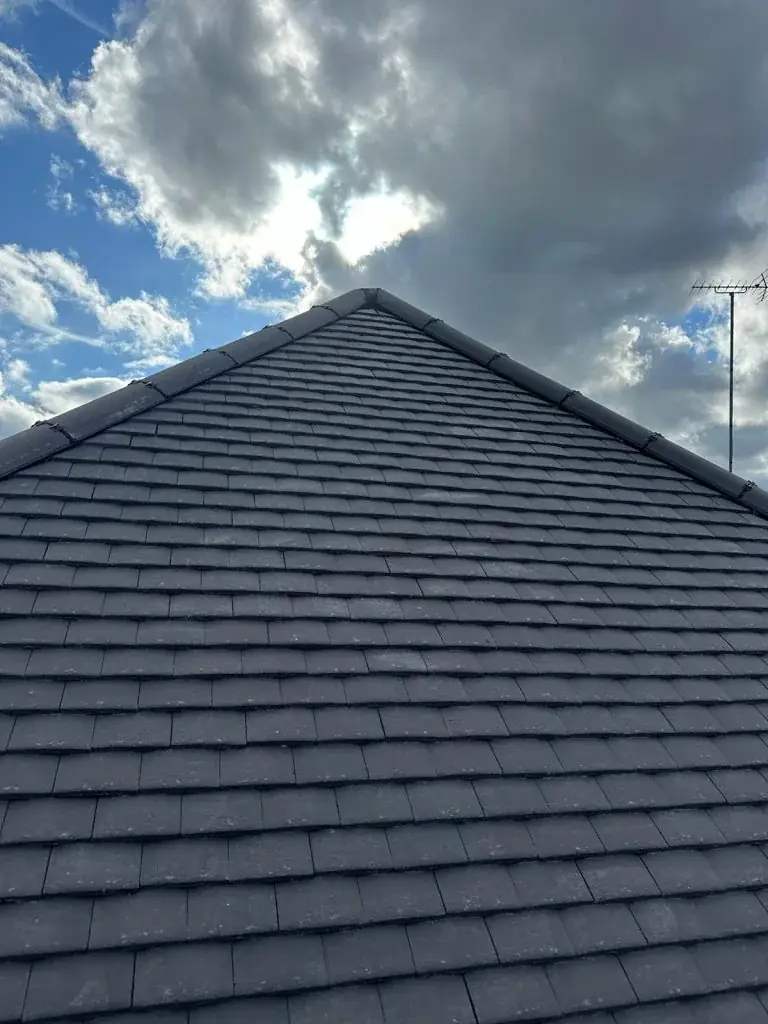
A roof leak is not always caused by the obvious broken tile. Good roofing decisions start by identifying how water moves across the roof, where the weak points are and whether the problem lies in the covering or at a junction.
- Service
- Roofing
- Neighbourhood
- Aldgate
- Borough
- City of London
- Next step
- Discuss your project
Your project brief
Investigate the cause before fixing the visible symptom
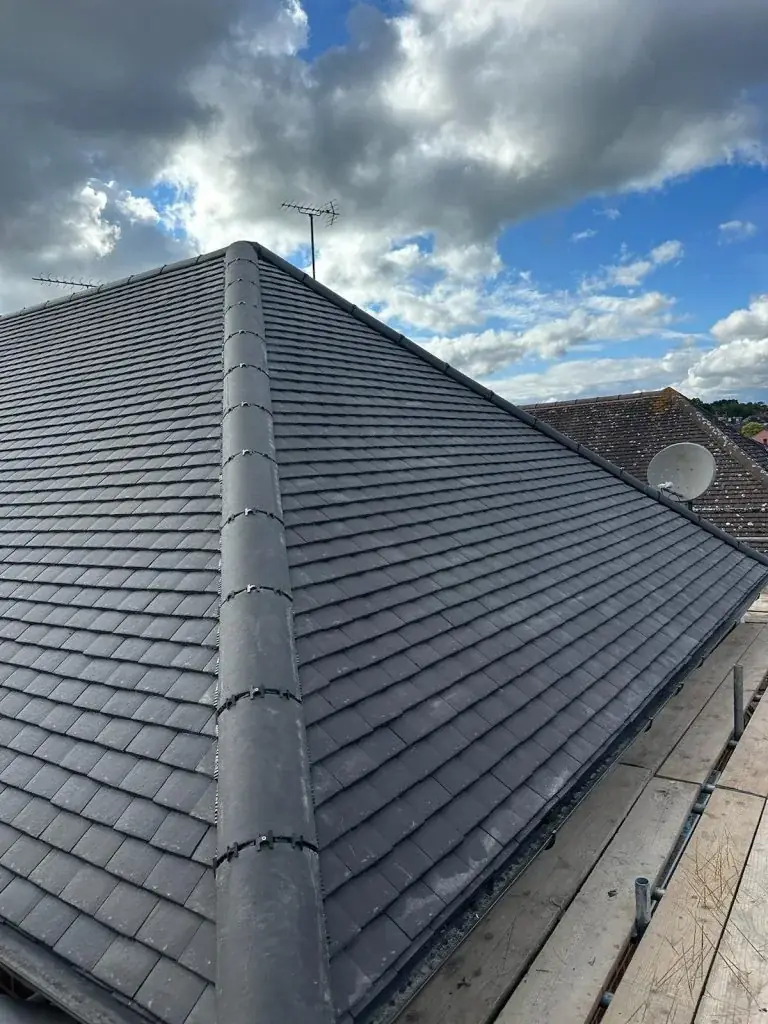
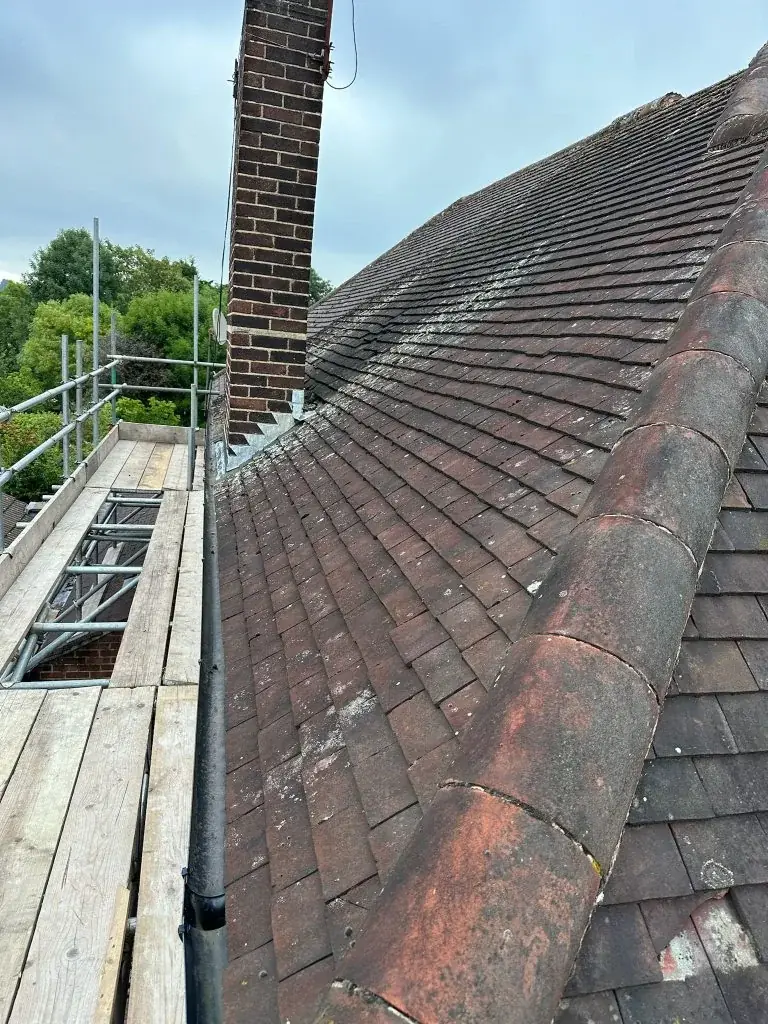
A sensible roof scope begins with accessible defects and their likely cause. That may include the covering itself, but it can also involve flashing, abutments, gutters or other junctions. Repairing only the visible spot can leave the real problem untouched, which is why a proper inspection matters.
The roof should also be considered alongside the home’s internal use. If the work is linked to a loft conversion or refurbishment, the roof scope needs to fit with the structural and design decisions beneath it. That is especially important where circulation, stair position or headroom in the new space depend on how the roof is altered.
Aldgate roof checks and City of London address caution
The City of London’s conservation-area pages give a local starting point for guidance, but they do not establish the status of every Aldgate property. If roofing work changes the external appearance or is tied to a larger scheme, the exact address should be checked before assumptions are made about consent or design limits.
Design decisions
Distinguish repair, replacement and conversion-related work
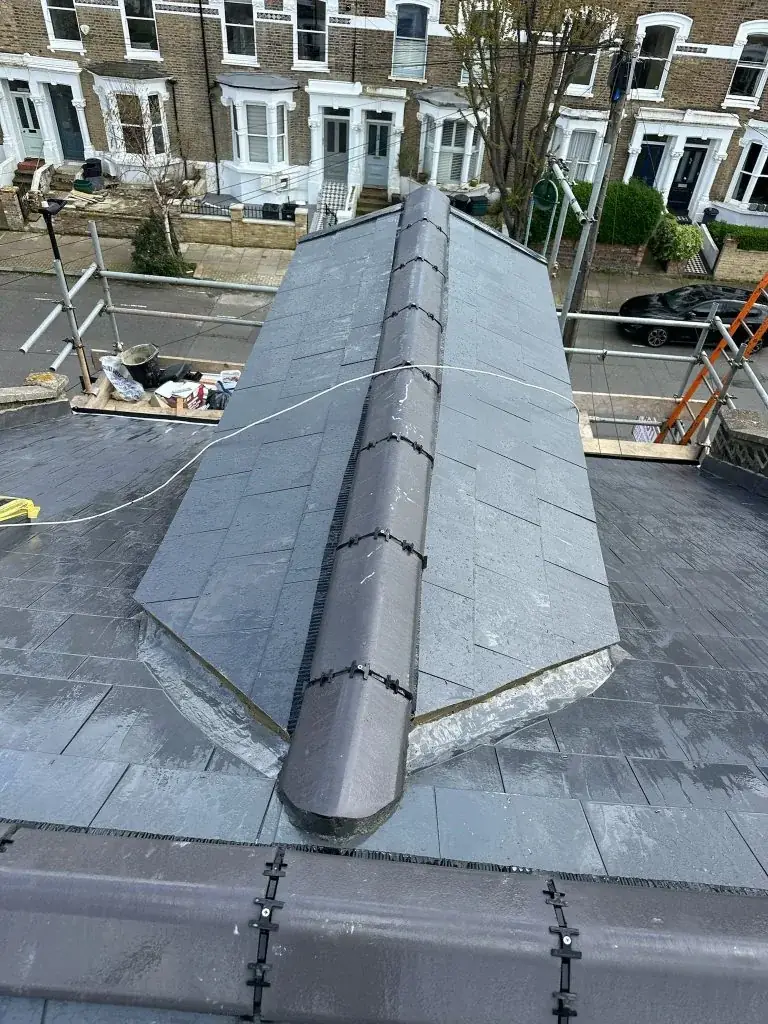
Roofing is not one single service. A minor repair, a fuller re-covering and roof alterations connected to a loft conversion are different scopes with different implications. A clear brief should say what is being touched, what remains in place and which parts of the structure or layout may need separate design input.
At handover, homeowners can check that the agreed repair points have been addressed, that visible junctions are neat and that any outstanding access or follow-up items are listed. That practical review is useful, but it does not replace professional inspection or any separate approval that a structural or conversion-related element may need.
Design checks
Four things we confirm before drawing roofing work.
- 01Identify the cause of the defect, not only the visible leak point.
- 02Separate minor repairs, re-covering and loft-conversion-related roof work in the scope.
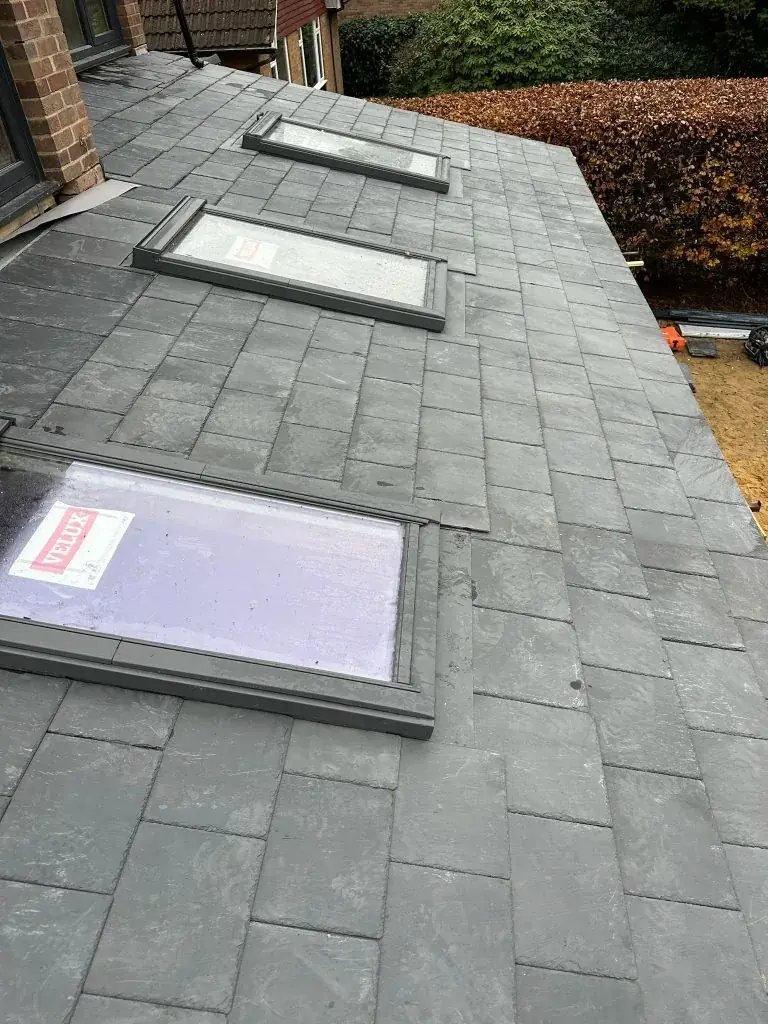
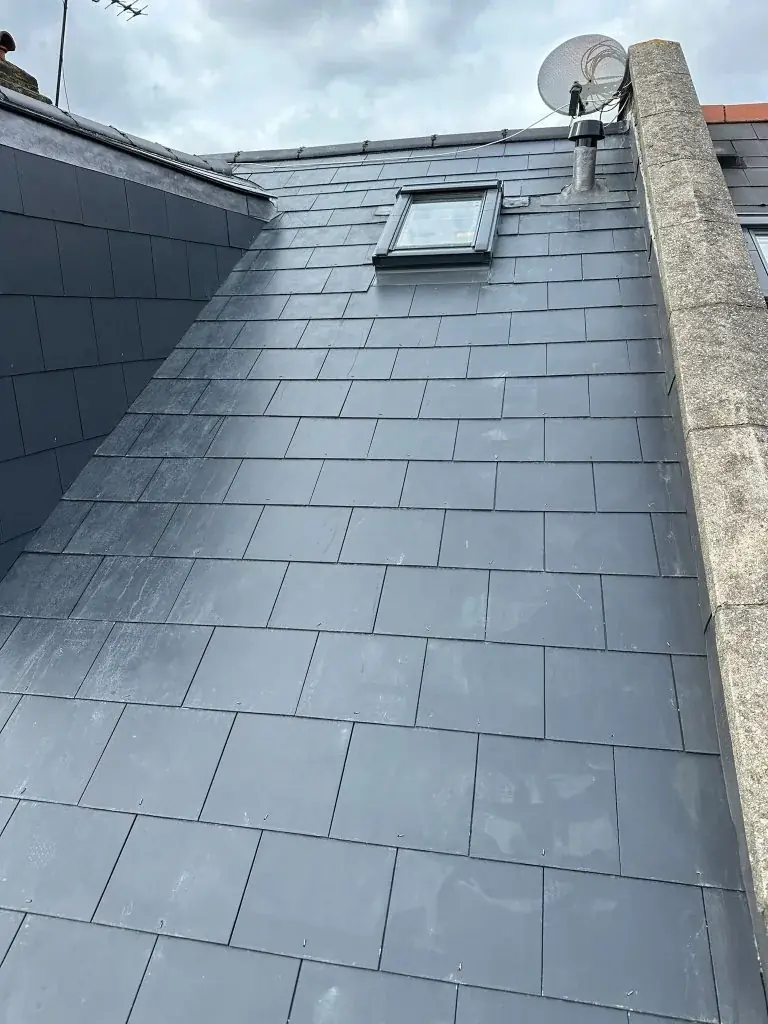
- 03Check flashing, abutments and drainage junctions alongside the main covering.
- 04Review the repaired areas and any follow-up items before final sign-off.
Why is the flashing as important as the tiles?
Because water often enters at junctions rather than through the centre of a sound covering. Flashing and abutments need just as much attention as the tiles if the repair is to address the real source of the problem.
How does a loft conversion change roofing decisions?
The roof may need alterations that support the new space, not just weatherproofing. That means the roof scope, structure and internal layout should be coordinated together so the final arrangement works above and below the ceiling line.
What should I ask at roofing handover?
Ask which defects were identified, what was repaired and whether any access or follow-up items remain. It is also sensible to keep any inspection notes with the property records so future maintenance has a clear starting point.
Planning and project guidance
- Conservation areas - City of London
- GOV.UK · Planning permission
- GOV.UK · Building regulations approval
- GOV.UK · Party walls and building work
Check the current guidance for your address before relying on a planning route. This guide is not a planning decision or a verified local case study.
Other services in Aldgate








