
Barking and Dagenham · East London
Gardensin Becontree.
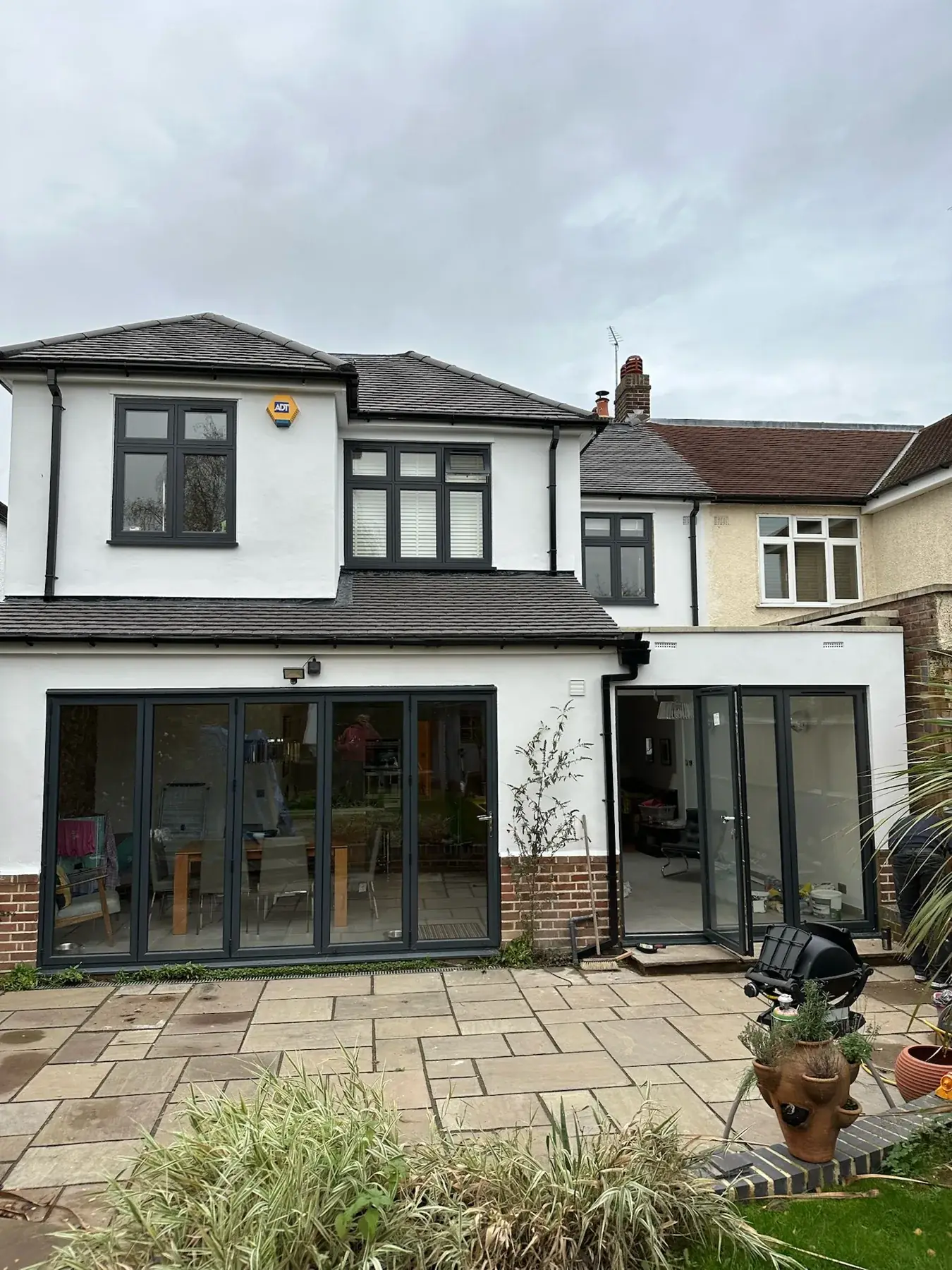
A garden should make the house easier to live with, not just look tidier from the back door. The important choices are about levels, movement, drainage and whether the surface helps the way you actually use the space.
- Service
- Gardens
- Neighbourhood
- Becontree
- Borough
- Barking and Dagenham
- Next step
- Discuss your project
Your project brief
Choose surfaces and levels for real use
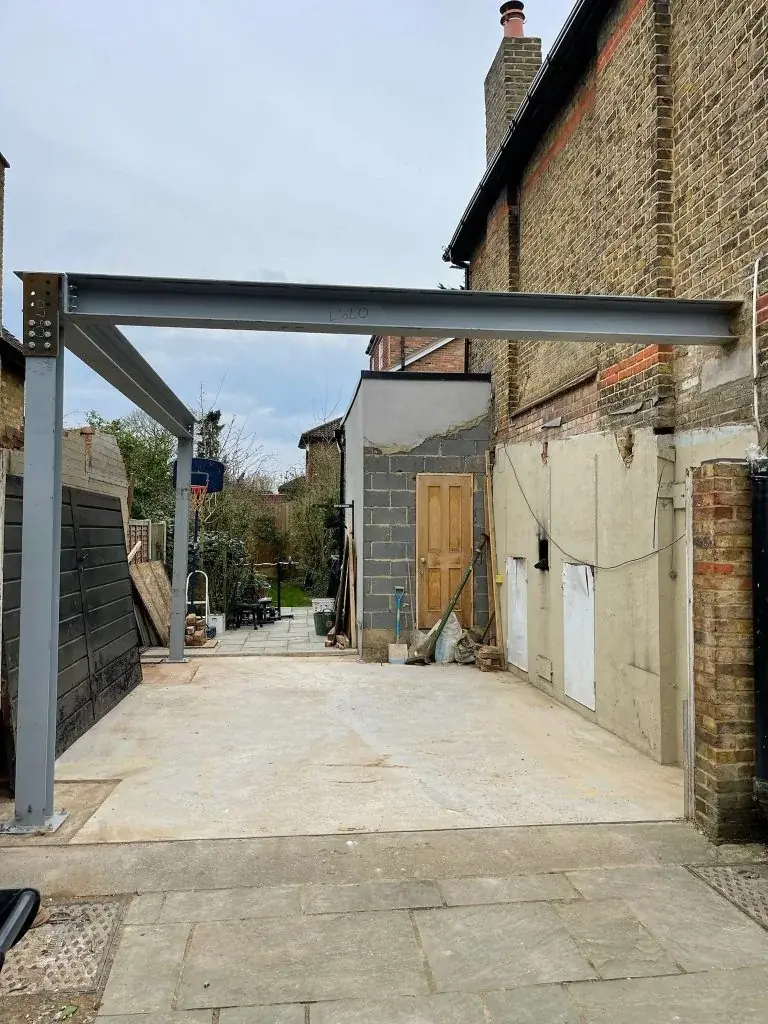
If the garden is mainly for sitting out, a simple patio or terrace may be enough, provided the level change from the house is managed properly. If it needs to carry traffic, bins or bikes, a harder-wearing route and better access planning become more important than decorative detail alone.
A smaller alternative is often to improve only the immediate area outside the house first. That can give you a usable sitting or access zone while leaving the wider garden for later, instead of trying to reshape every part at once and creating unnecessary cost or disturbance.
Becontree local check for outdoor work
Becontree sits within Barking and Dagenham for council search purposes, and the borough has conservation areas and heritage records that may affect some external changes. That does not mean every garden is restricted. The exact address needs checking before assuming any rule applies, especially if the work touches walls, boundary structures or visible external features.
Design decisions
Think about water, boundaries and the route through the space
Drainage matters because even a well-finished surface becomes frustrating if water sits on it. The proposed levels, falls and surface-water arrangement should be considered alongside the house and any existing hard landscaping, not after the materials have been chosen.
Boundary features such as fencing or gates should also be checked for access and ownership before they are included. A garden scheme works best when it understands who uses the space, how the route runs from the house and where the practical edges need to be, rather than treating the garden as a decorative add-on.
Design checks
Four things we confirm before drawing garden improvements.
- 01Check levels, access and surface-water movement before choosing materials.
- 02Confirm boundary responsibility before planning fencing or gates.
- 03Plan the route from the house to the main outdoor use area.
- 04Agree what ground preparation and making good are included.
Should I improve the whole garden or only the part nearest the house?
If budget or disruption is a concern, starting near the house often gives the most usable benefit first. You can then decide whether the rest of the garden needs the same finish or a simpler treatment later.
Why does drainage matter in a garden project?
Because a good surface is only useful if water leaves it properly. Poor falls or blocked routes can create puddling, slippery patches and ongoing maintenance problems, so drainage should be considered with the layout, not after it.
How do boundaries affect garden work?
They matter because access, ownership and the line of responsibility need to be clear before anything like fencing or gates is added. Without that check, a project can run into avoidable disputes or require changes after work has started.
Planning and project guidance
- Conservation areas and listed buildings | London Borough of Barking and Dagenham
- GOV.UK · Planning permission
- GOV.UK · Building regulations approval
- GOV.UK · Party walls and building work
Check the current guidance for your address before relying on a planning route. This guide is not a planning decision or a verified local case study.
Other services in Becontree








