
Barking and Dagenham · East London
Renderingin Becontree.
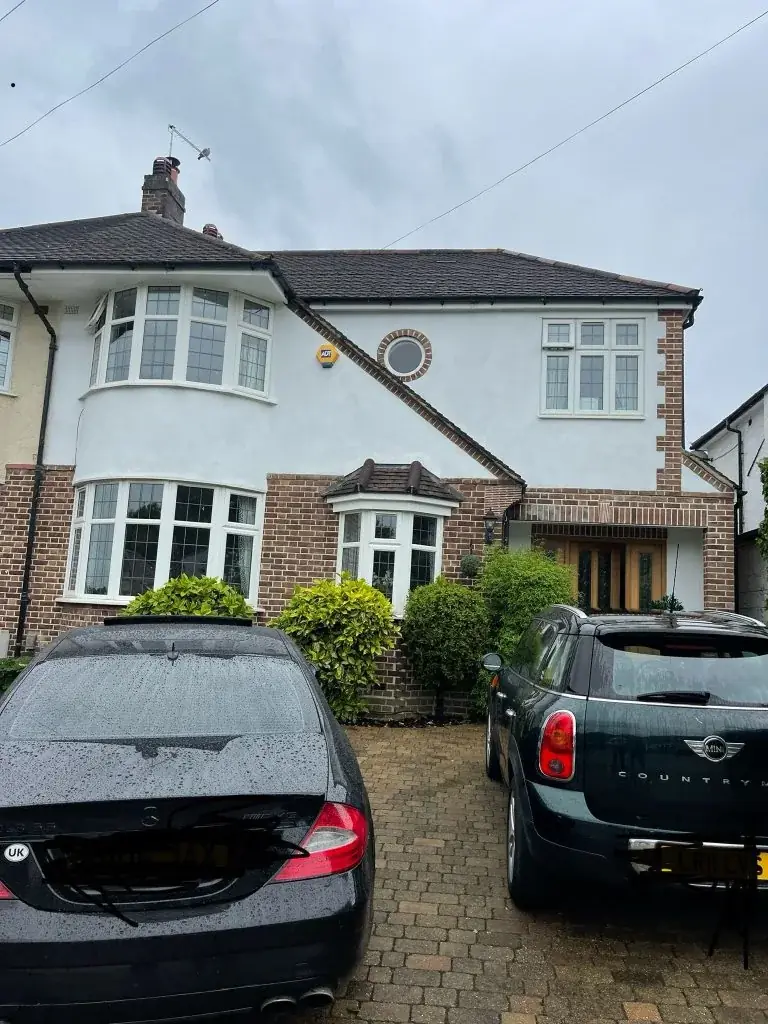
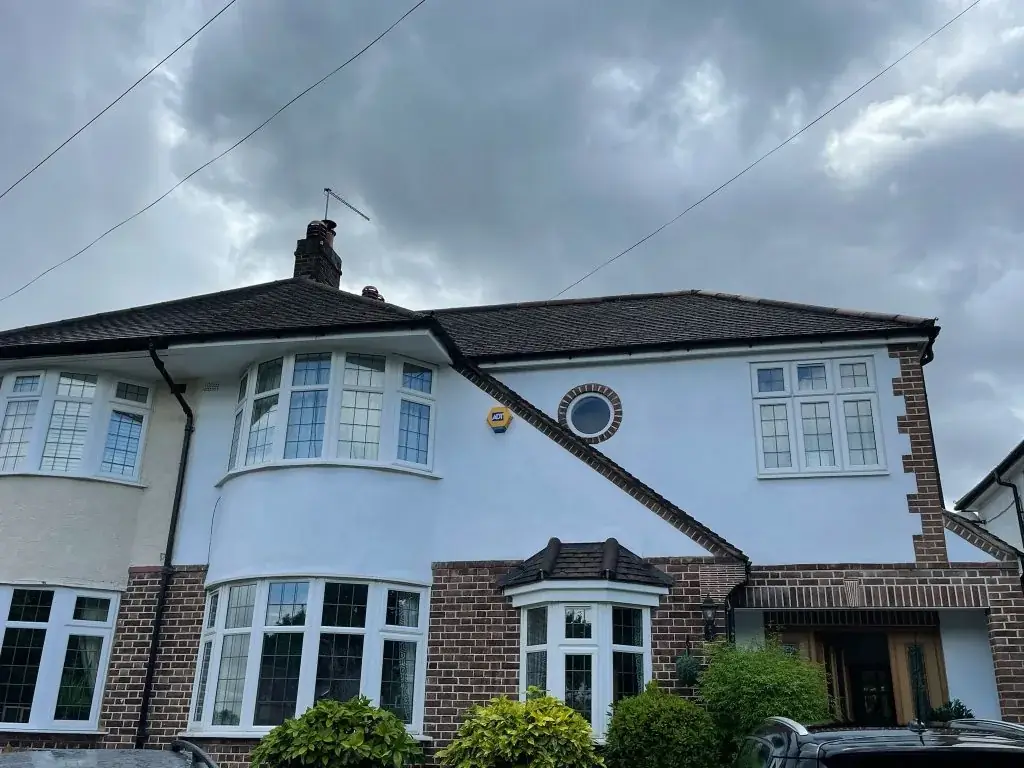
Rendering changes how a house looks and how its outer skin performs, so the decision needs to start with the wall underneath. A good result depends on the existing background, the intended appearance and whether the details around openings can support the chosen finish.
- Service
- Rendering
- Neighbourhood
- Becontree
- Borough
- Barking and Dagenham
- Next step
- Discuss your project
Your project brief
Check the wall before choosing the render
The condition and construction of the wall determine whether render repair or full re-rendering makes sense. If the old finish is failing in places, a targeted repair may be enough. If the substrate is poor or the coating system is incompatible, a fuller approach may be needed to create a stable external skin.
It also helps to think about the visual effect you want. A lighter intervention may suit a house that only needs local repairs, while a more comprehensive scheme may be justified if the existing finish is patchy or the house needs a coherent new external appearance.
Becontree local check for external render work
Barking and Dagenham’s borough guidance identifies conservation areas and listed buildings, but Becontree by itself does not prove that a particular property is covered. The exact address should be checked before changing an exterior finish, because the council’s controls apply to specific sites and protected buildings rather than to the neighbourhood name alone.
Design decisions
Plan junctions, access and finishes as part of the scope
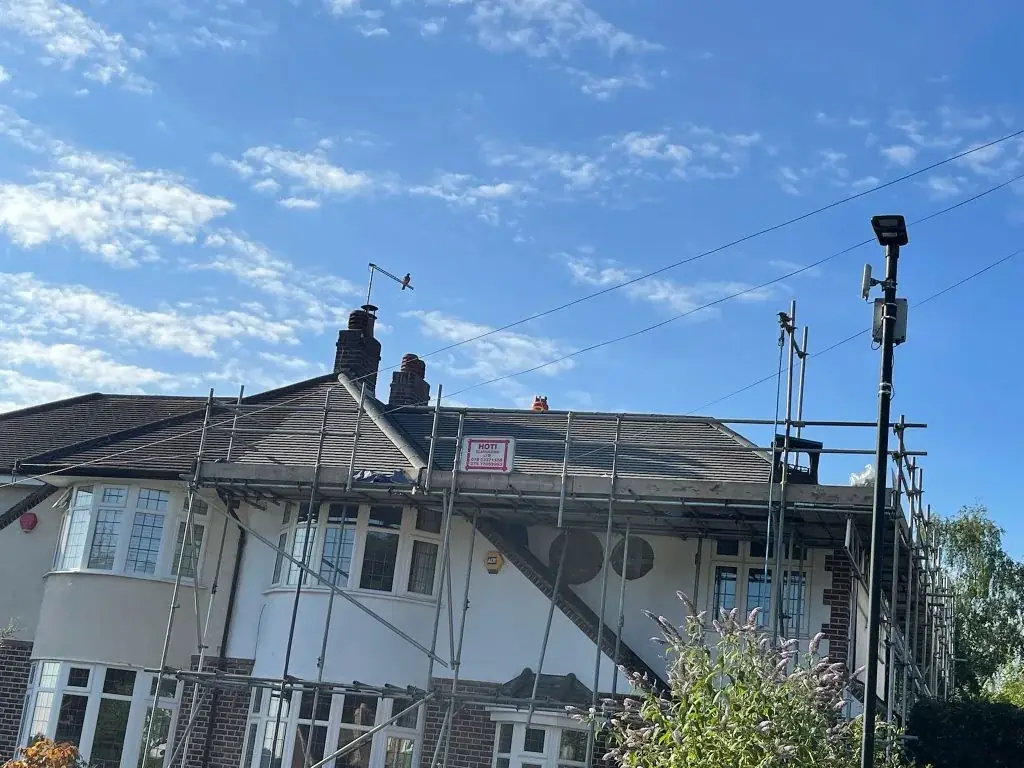
Good rendering is not just a flat surface. The junctions around windows, roof edges and adjoining materials need to be resolved so the finish looks deliberate and stays serviceable. Access also matters because the wall has to be reached safely without damaging adjacent features.
Where a property is affected by conservation or listed-building controls, the exact address must be checked before any external change is assumed to be acceptable. That is especially important if the render work alters the appearance of the building rather than simply repairing what is already there.
Design checks
Four things we confirm before drawing external rendering.
- 01Assess the existing wall condition and render adhesion.
- 02Decide whether the job is a repair or a full re-render.
- 03Check junctions around openings, roof edges and adjoining materials.
- 04Confirm whether any external heritage controls affect the address.
Questions
Before you call about Becontree.
How do I know if render repair is enough?
If most of the wall is sound and only local areas have failed, repair may be the right answer. If the coating is broadly incompatible, badly cracked or detached, a fuller approach is usually more practical.
Why are the edges and junctions so important?
Because water and movement often show up there first. Even a good surface can fail if the transitions around windows, roofs or adjacent materials are not detailed properly.
Can render work be done without changing the whole front of the house?
Yes, if the brief is focused on local repair or a defined elevation. The key is to agree exactly which areas are included so the finish remains coherent and the scope matches the condition of the wall.
Planning and project guidance
- Conservation areas and listed buildings | London Borough of Barking and Dagenham
- GOV.UK · Planning permission
- GOV.UK · Building regulations approval
- GOV.UK · Party walls and building work
Check the current guidance for your address before relying on a planning route. This guide is not a planning decision or a verified local case study.
Other services in Becontree








