
Barking and Dagenham · East London
Plumbingin Becontree.
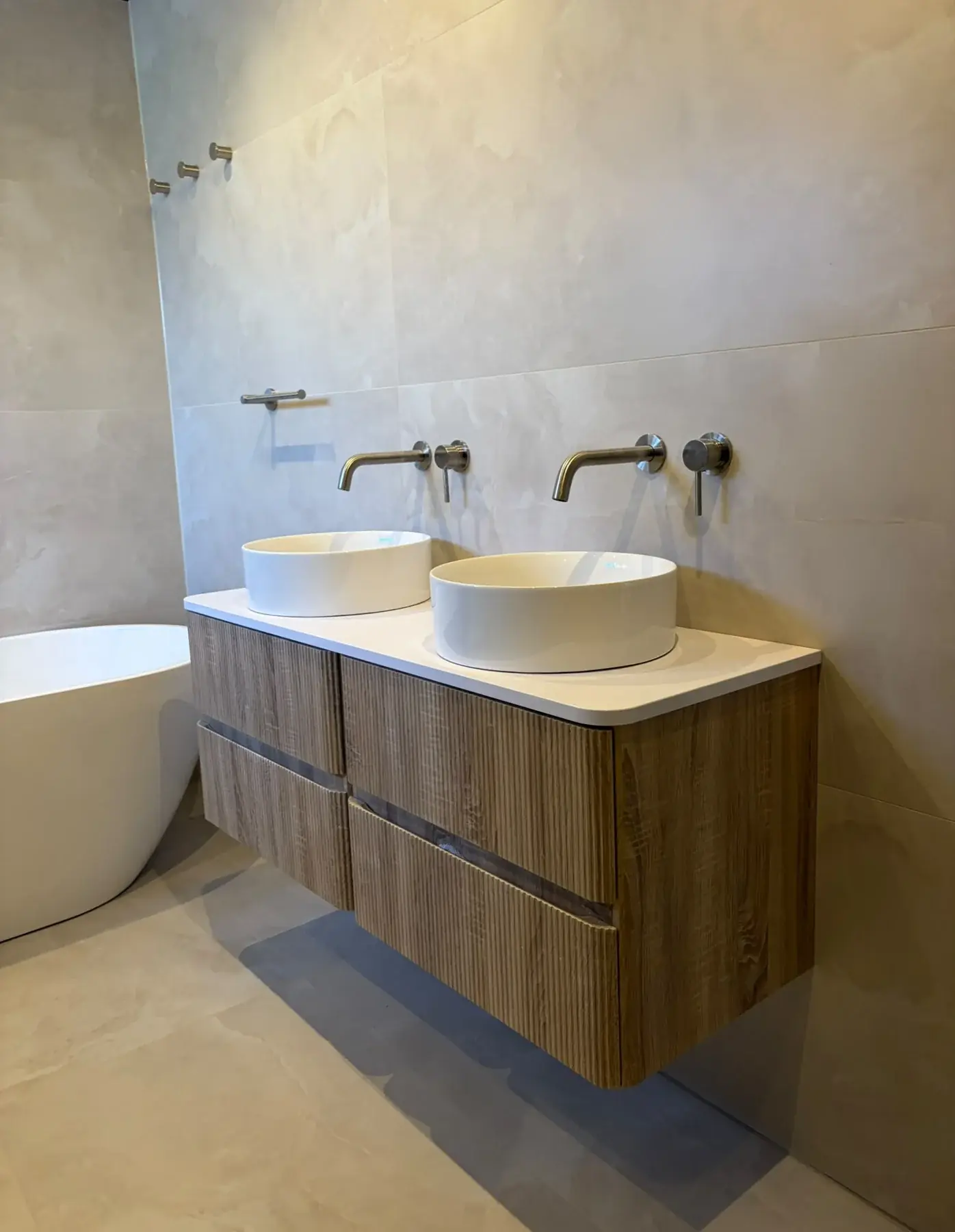
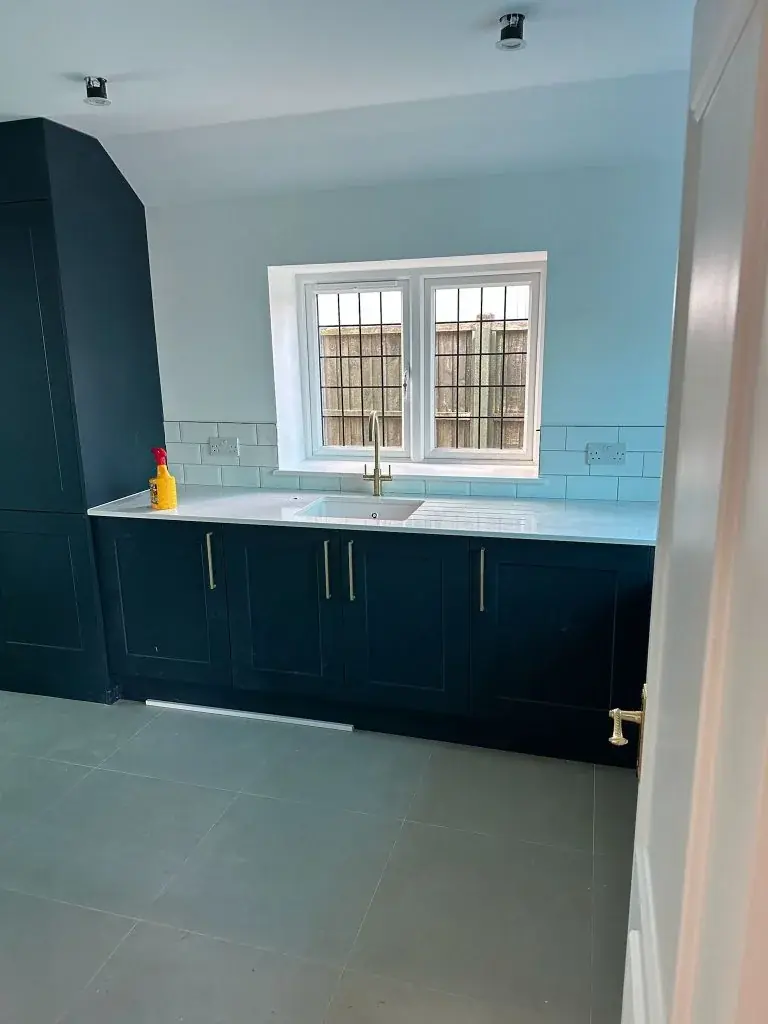
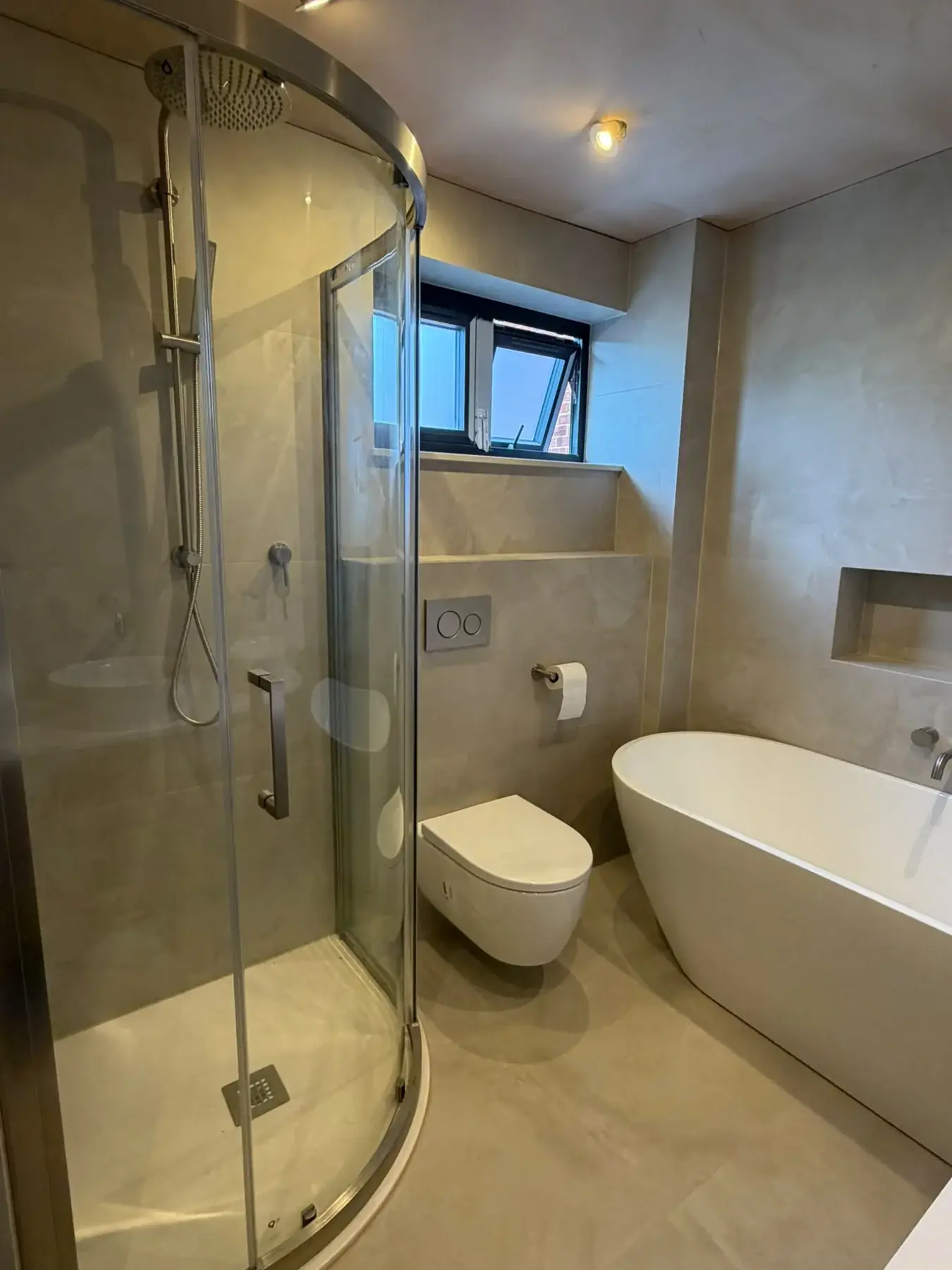
Plumbing changes are often driven by layout, not just by the fittings themselves. Moving a sink, adding a bathroom or reworking a kitchen means thinking about supply routes, waste falls, access and what can stay hidden once the walls are closed.
- Service
- Plumbing
- Neighbourhood
- Becontree
- Borough
- Barking and Dagenham
- Next step
- Discuss your project
Your project brief
Let the room layout lead the pipework decisions
If the new plan keeps the fittings near the existing services, the work may be simpler and less disruptive. If the layout moves the sink or shower a long way, the pipe runs, drainage route and access for maintenance all become more important. That is why the layout should be settled before the walls are finished.
A smaller alternative may be to keep the main waste and supply positions where they are, then improve the room through new furniture, storage or a better sink position rather than a full relocation. That can preserve budget and reduce the amount of making good needed afterwards.
Becontree address check before plumbing alterations
Becontree falls within the Barking and Dagenham council search area, but the exact address still needs checking before any heritage or planning assumptions are made. The council’s records show conservation areas and heritage designations in the borough, so if the plumbing change is tied to external work, a protected building or a new opening, the site should be checked specifically.
Design decisions
Treat first fix and second fix as separate stages
First-fix plumbing is about the hidden work that supports the final room: pipework, wastes and the practical route behind the surfaces. Second-fix is the visible installation of the sanitaryware and connections. Separating them in the scope helps prevent confusion over who is responsible for chasing walls, boxing in or final fitting.
It is also worth checking the condition of the pipework you cannot see. Older or poorly accessible sections may need investigation before the new work goes in, because a neat finish is only useful if the system behind it is serviceable and fits the agreed design.
Design checks
Four things we confirm before drawing plumbing work.
- 01Confirm the final fixture positions before pipework starts.
- 02Separate hidden first-fix work from visible second-fix installation.
- 03Check the condition and access of any existing pipework.
- 04Agree making-good responsibilities where walls or floors are opened up.
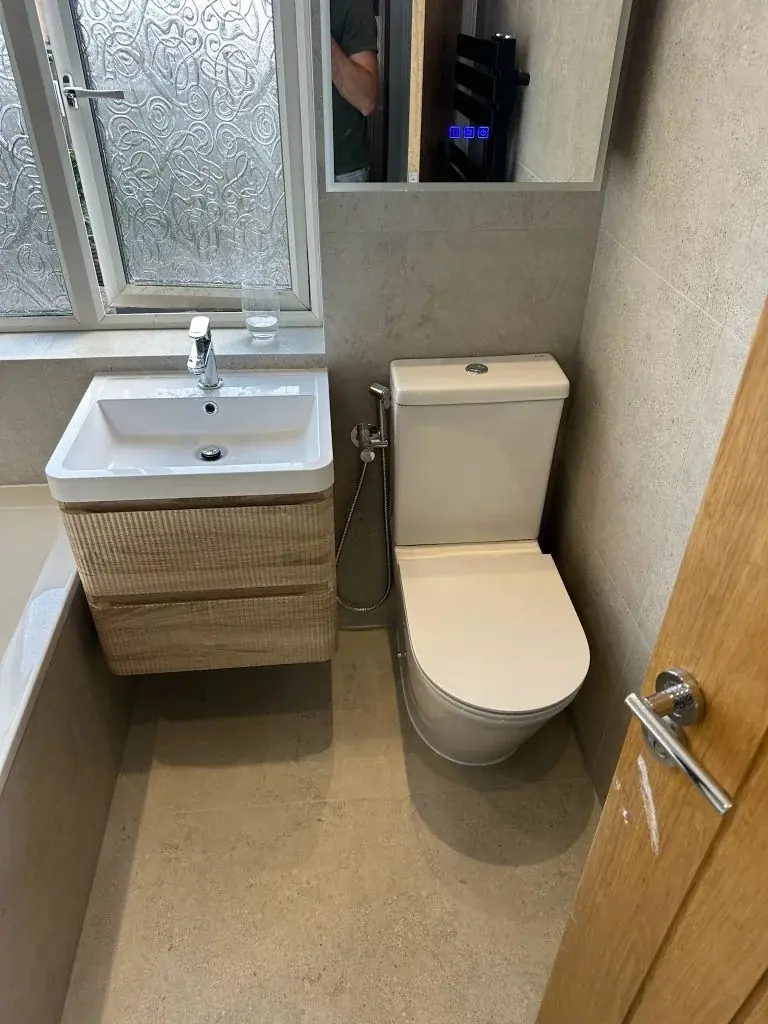
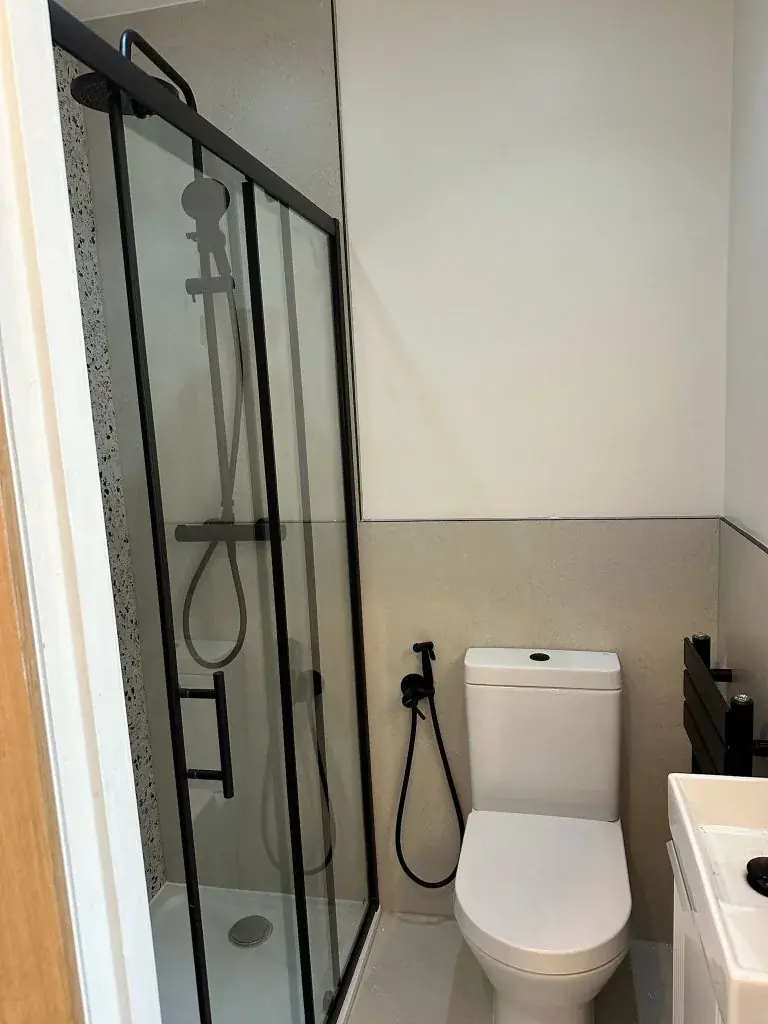
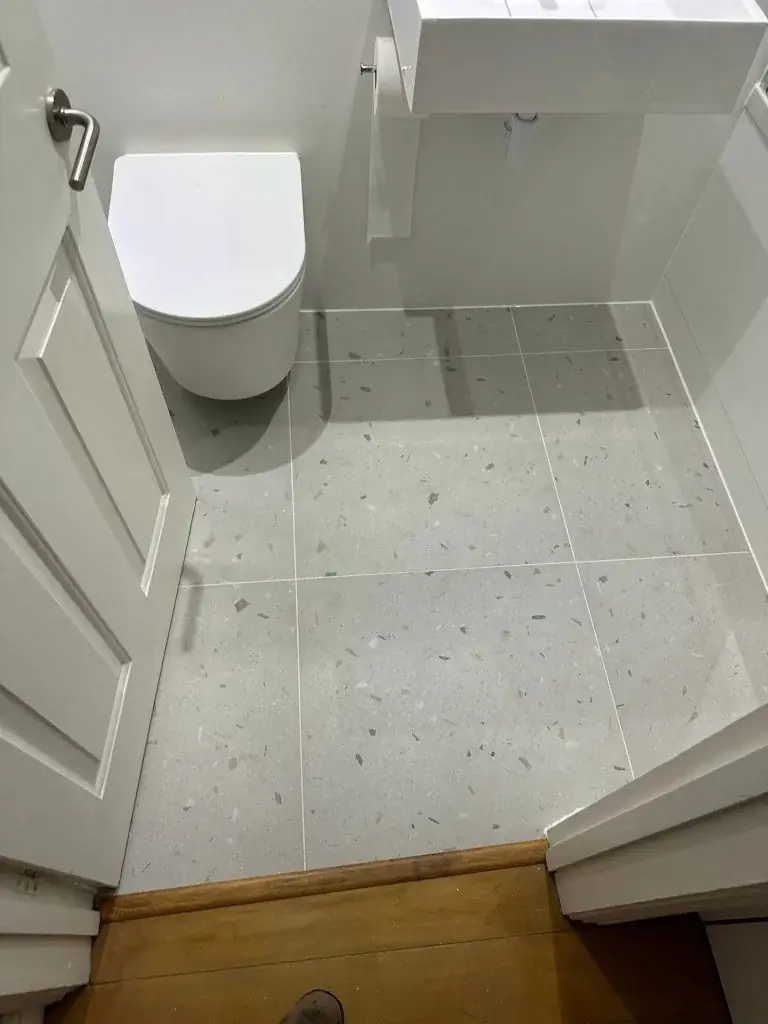
When is it worth moving a sink or basin rather than keeping it put?
Move it only when the new position clearly improves use or storage and the pipe route remains practical. If the gain is small, keeping the existing services often saves disruption and reduces the amount of remedial work needed afterwards.
What should I ask for if I suspect old pipework behind the walls?
Ask for the investigation to be included in the scope, with clear limits on what will be opened and what counts as a repair. That helps avoid surprise extras while still addressing accessible problems properly.
Why do plumbing and finishes need to be planned together?
Because the pipework, boxing-in and making good affect the final room shape. If those details are left until the end, you may lose wall space, block a storage zone or end up with awkward junctions around fittings.
Planning and project guidance
- Conservation areas and listed buildings | London Borough of Barking and Dagenham
- GOV.UK · Planning permission
- GOV.UK · Building regulations approval
- GOV.UK · Party walls and building work
Check the current guidance for your address before relying on a planning route. This guide is not a planning decision or a verified local case study.
Other services in Becontree








