
Sutton · South London
Doorsin Cheam.
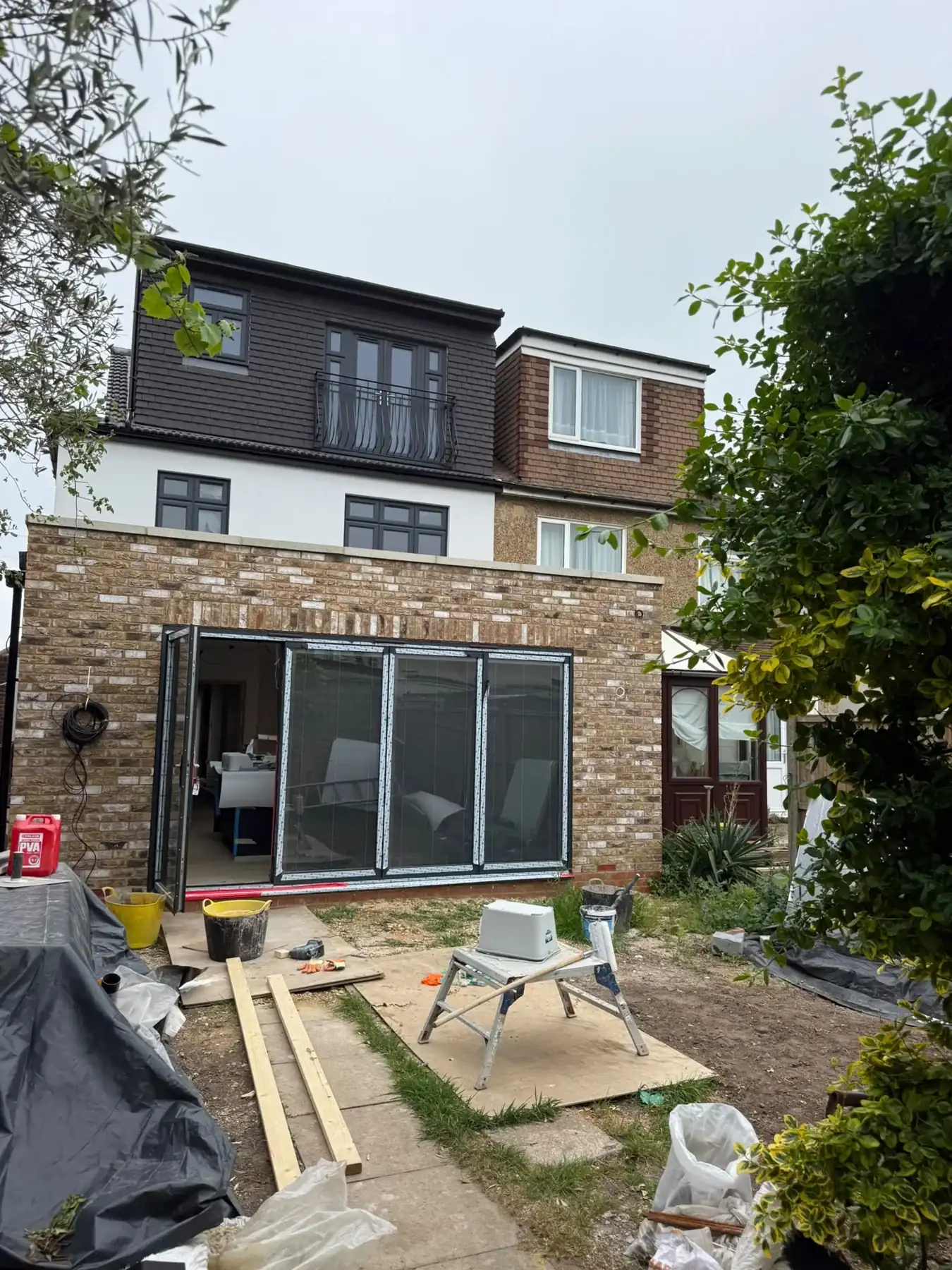
A door only works well when it suits the opening, the room and the finishes around it. The main choice is often whether to keep the existing frame or replace more of the opening. DWM Construction helps you decide that before the order is placed.
- Service
- Doors
- Neighbourhood
- Cheam
- Borough
- Sutton
- Next step
- Discuss your project
Your project brief
Decide what can stay before you choose the new door
If the frame is sound and the opening is square enough, it may be sensible to retain more of the existing joinery. That can save disturbance and help the new door sit naturally within the room. If the opening is awkward or the frame is poor, a fuller replacement may be the better option.
This is not just a cosmetic decision. Clearances, architraves, linings and the surrounding finishes all affect how the door behaves and looks. A good scope records what is being kept and what needs making good so the new door does not look tacked on.
Cheam door-work checks
In Cheam, Sutton’s planning guidance only becomes relevant if the door work is part of a wider alteration affecting the exterior or a protected building. The council notes that planning routes vary by project and address, and that restrictions may apply in conservation areas, listed buildings or Article 4 directions. Internal door replacement is usually a joinery matter, but altered openings or external doors should be checked against the full proposal.
Design decisions
Match the hardware and requirements to the use
The right handles, hinges and latches depend on how the door will be used. A bedroom door has different needs from a bathroom or external door, and the surrounding requirements may be different too. If there are fire-performance or security considerations, those should be identified before the door is ordered.
For altered openings, the door work should be coordinated with any building changes that affect the opening size, the surrounding plaster or the final floor level. That way the fitting stage is based on the finished room, not on a measurement taken too early.
Design checks
Four things we confirm before drawing door installation.
- 01Check whether the existing frame and opening can be retained.
- 02Confirm the clearances, linings and adjoining finishes before ordering.
- 03Match hardware to the door’s use and any special requirements.
- 04Coordinate altered openings with plaster and floor finish levels.

How do I know if a door frame can be kept?
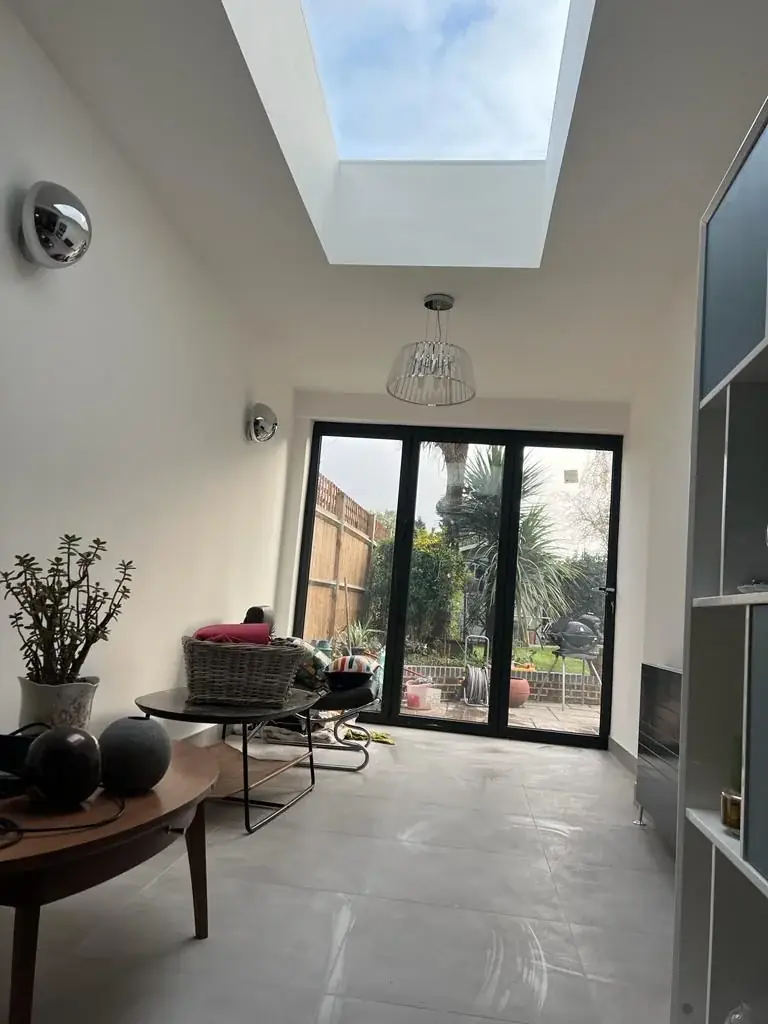
It depends on the frame’s condition, the squareness of the opening and whether the new door can sit correctly with the surrounding finishes. A survey should answer that before anything is ordered.
What should be agreed before fitting an internal door?
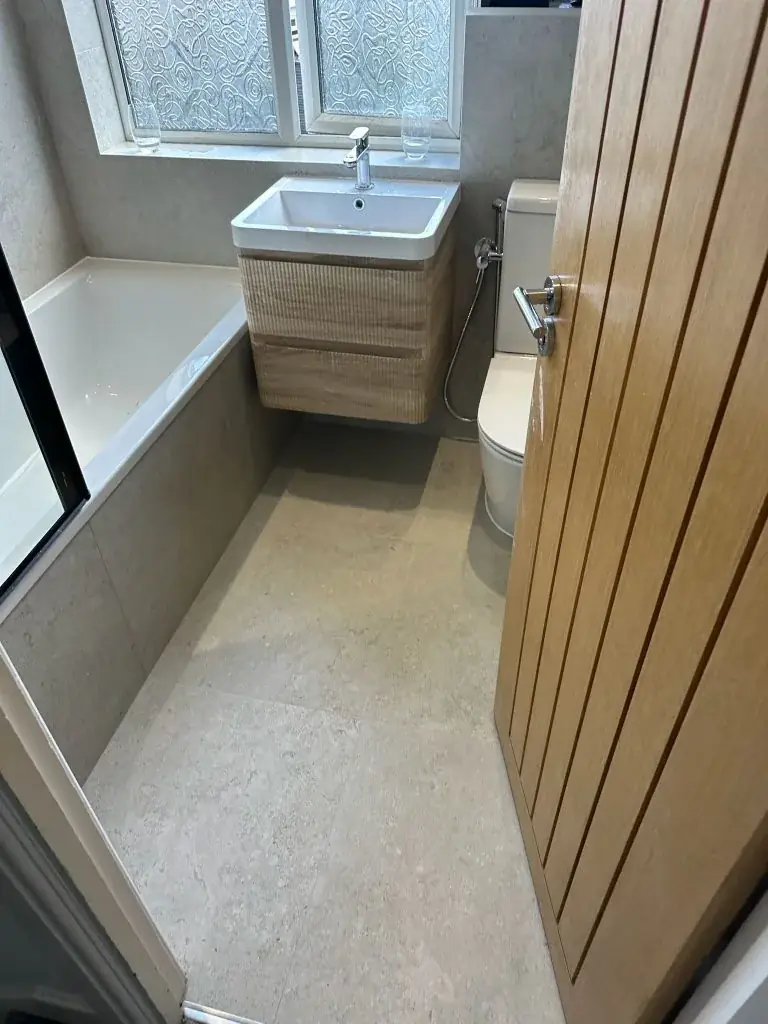
Agree the door size, the frame decision, the hardware, the finish and any making-good around the opening. That prevents gaps in the scope and helps the new door sit neatly in the room.
Do external doors need more checking than internal ones?
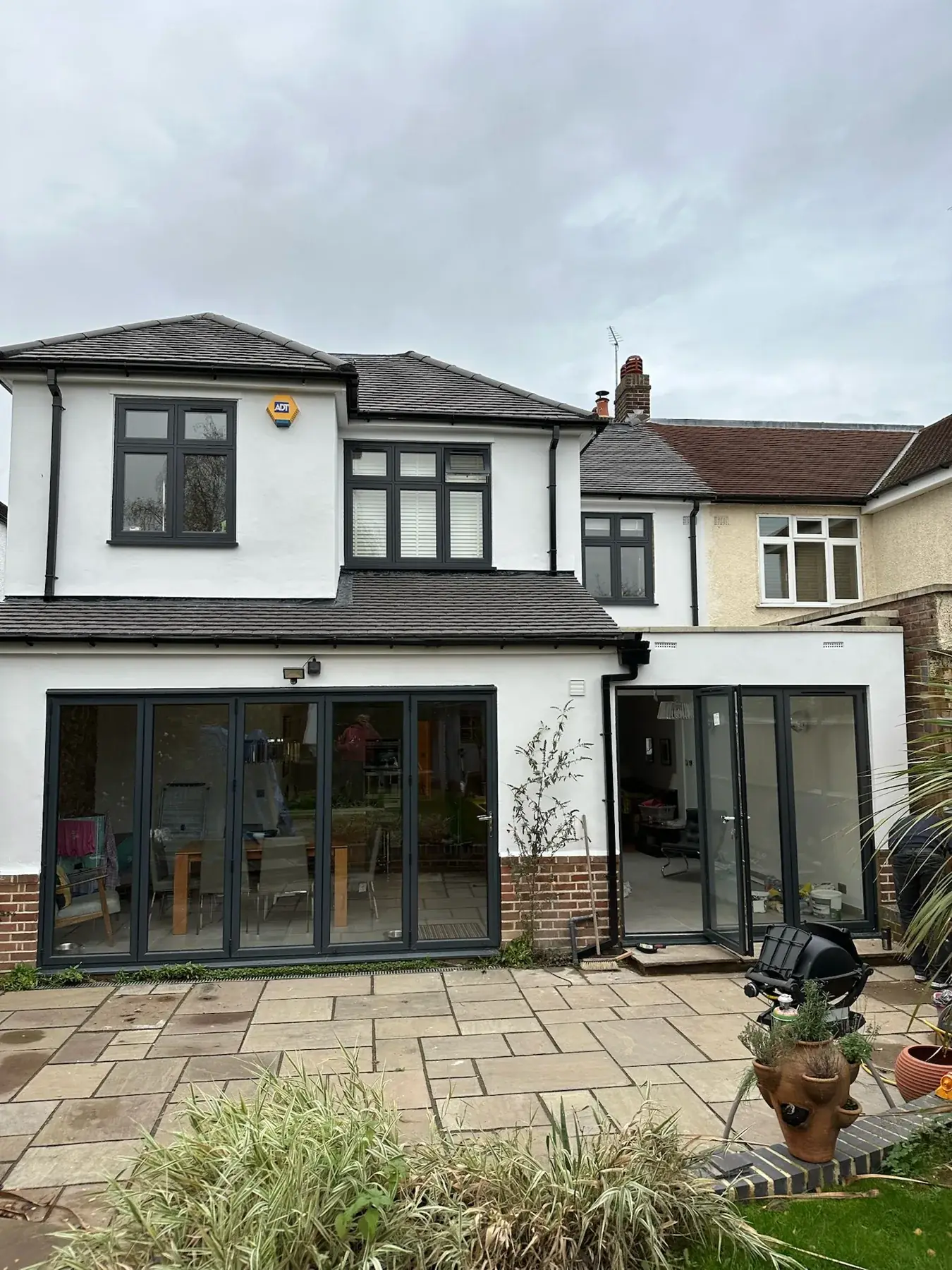
Usually yes, because weather, security and any altered opening details matter more. The exact requirements should be checked against the property and the wider project before the installation is specified.
Planning and project guidance
- Find out if you need planning permission | London Borough of Sutton
- GOV.UK · Planning permission
- GOV.UK · Building regulations approval
- GOV.UK · Party walls and building work
Check the current guidance for your address before relying on a planning route. This guide is not a planning decision or a verified local case study.
Other services in Cheam








