
Sutton · South London
Renderingin Cheam.
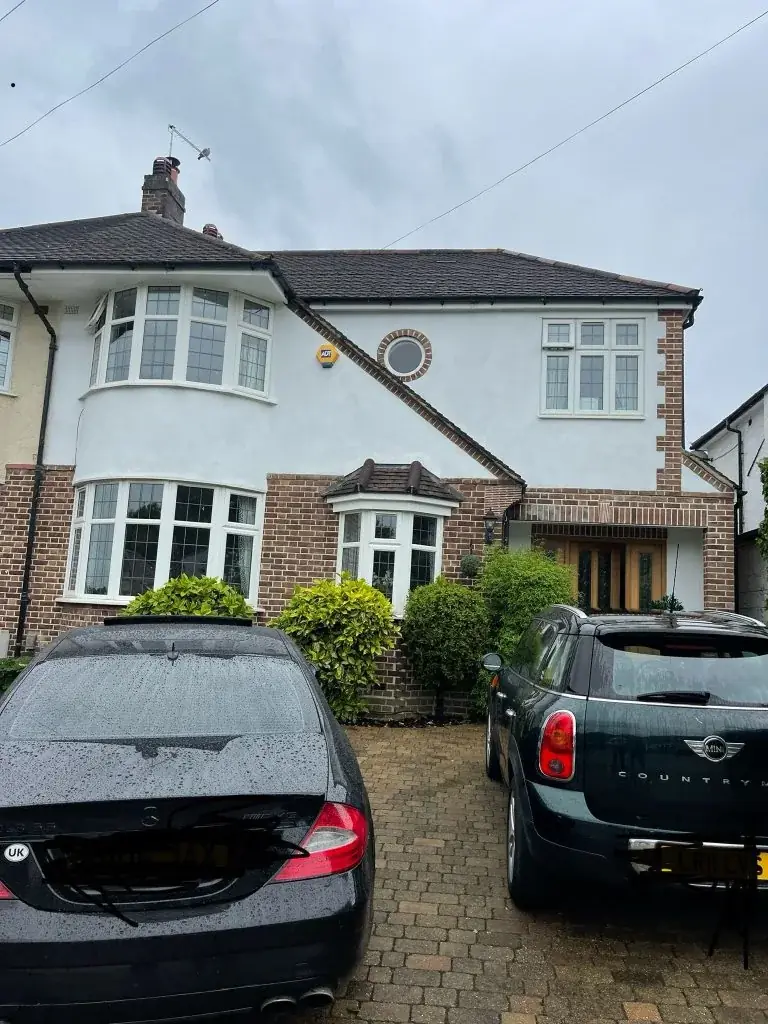
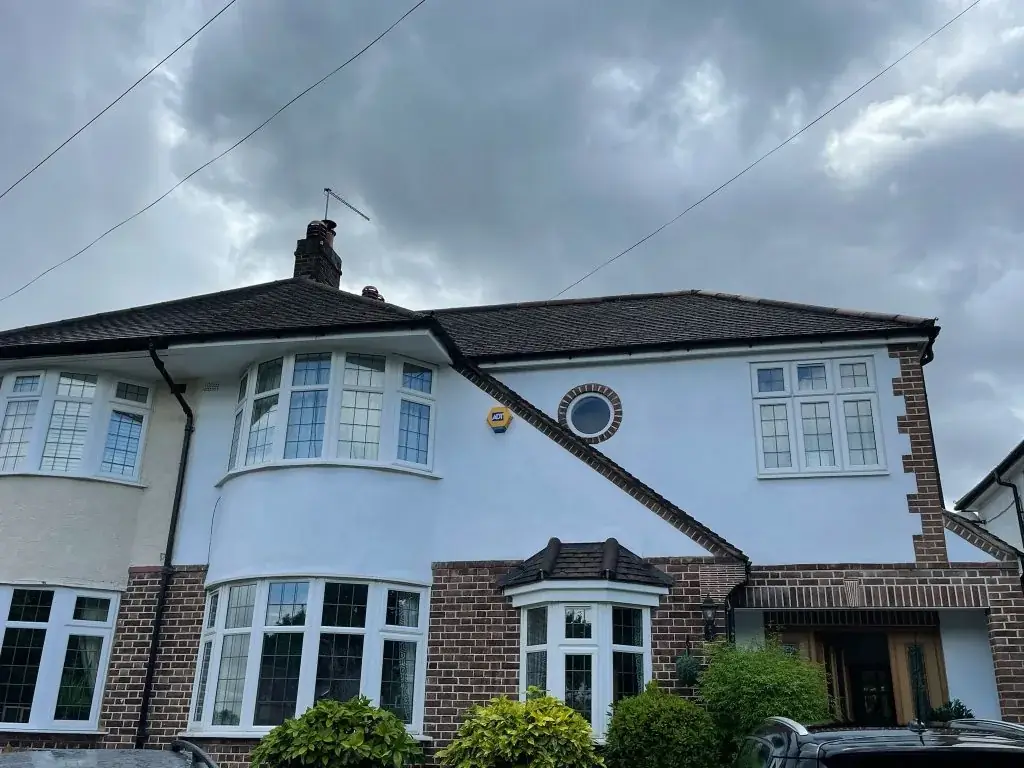
Rendering changes the look of an exterior wall, but it has to suit the wall beneath it. The main decision is whether the existing background is sound enough, what preparation it needs and how the new finish will meet surrounding details. DWM Construction can help define that properly.
- Service
- Rendering
- Neighbourhood
- Cheam
- Borough
- Sutton
- Next step
- Discuss your project
Your project brief
Check the wall before deciding on the render system
Different walls need different preparation. A sound background may only need cleaning and keying, while a failed or patched surface may need repairs first. If the existing finish is loose, cracked or incompatible with the new system, the remedy needs to be chosen around that condition, not just the appearance of the wall.
That is why render is not only a finish choice. It is also a compatibility decision. The wall type, the current condition and the intended result all matter, especially where the house has already been altered and the external surfaces no longer match.
Cheam external-work checks
In Cheam, Sutton’s planning information should be checked against the exact address before any external change is agreed. The council notes that not all work needs full planning permission, but restrictions can apply in conservation areas, for listed buildings and where Article 4 directions exist. Rendering is an external alteration, so the proposal should be checked in context rather than assumed to be automatically acceptable or restricted.
Design decisions
Pay attention to openings and adjoining materials
The edges around windows, doors, roof lines and adjoining finishes can make or break the result. If those junctions are poorly handled, moisture management and appearance can both suffer. A good brief should say how the render meets the surrounding materials, not just what colour or texture it will have.
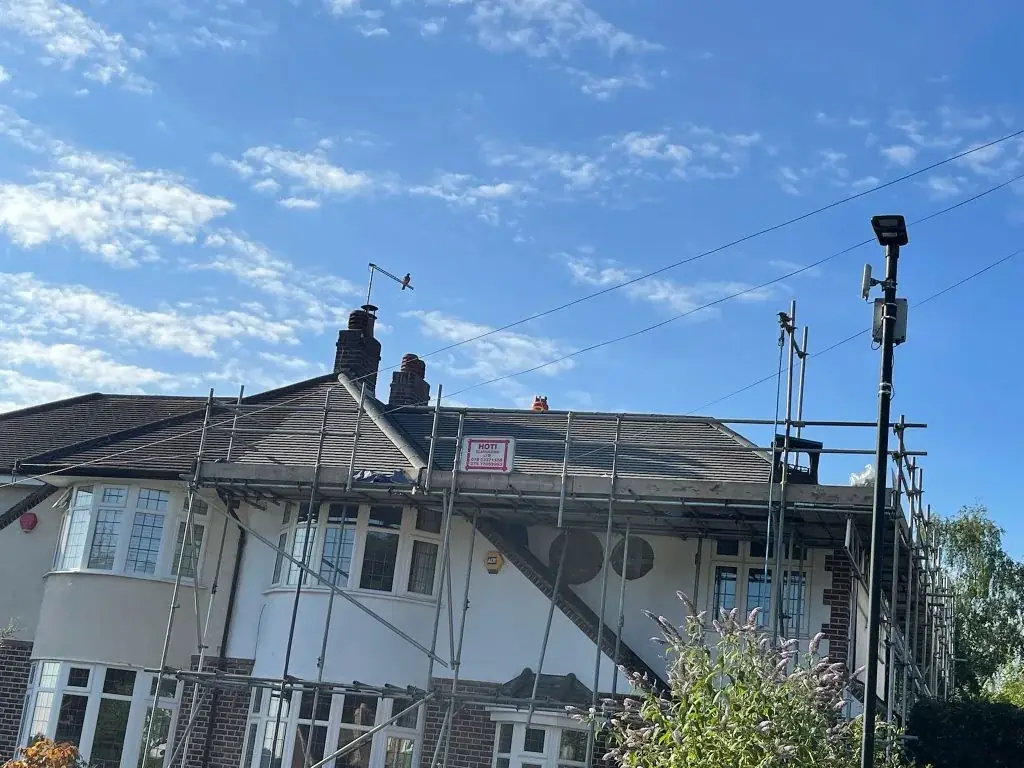
If failed render is being removed, the scope should say how far the replacement extends and what making good is included. That avoids confusion between a local patch and a wider repair. It also helps to plan access and protection around the façade before work begins.
Design checks
Four things we confirm before drawing external rendering.
- 01Inspect the wall condition and compatibility of the existing finish.
- 02Decide whether render is a repair, a replacement or part of a wider external change.
- 03Check junctions around openings, roof edges and adjoining materials.
- 04Plan safe access and protection for the façade before starting.
Does rendering always mean removing the old finish first?
Not always. It depends on whether the existing finish is sound and compatible. Sometimes local repairs are enough; in other cases, failed material has to come off so the new system can perform properly.
Why are external junctions so important in render work?
Because windows, doors and roof edges are the places where movement and moisture are most likely to show up. If those details are not handled carefully, the finish can crack or let water in.
Can render be planned as part of a larger renovation?
Yes, and that often makes sense if the exterior appearance is being improved at the same time as other works. The render should then be coordinated with any related openings, repairs or access arrangements.
Planning and project guidance
- Find out if you need planning permission | London Borough of Sutton
- GOV.UK · Planning permission
- GOV.UK · Building regulations approval
- GOV.UK · Party walls and building work
Check the current guidance for your address before relying on a planning route. This guide is not a planning decision or a verified local case study.
Other services in Cheam








