
Sutton · South London
Gardensin Cheam.
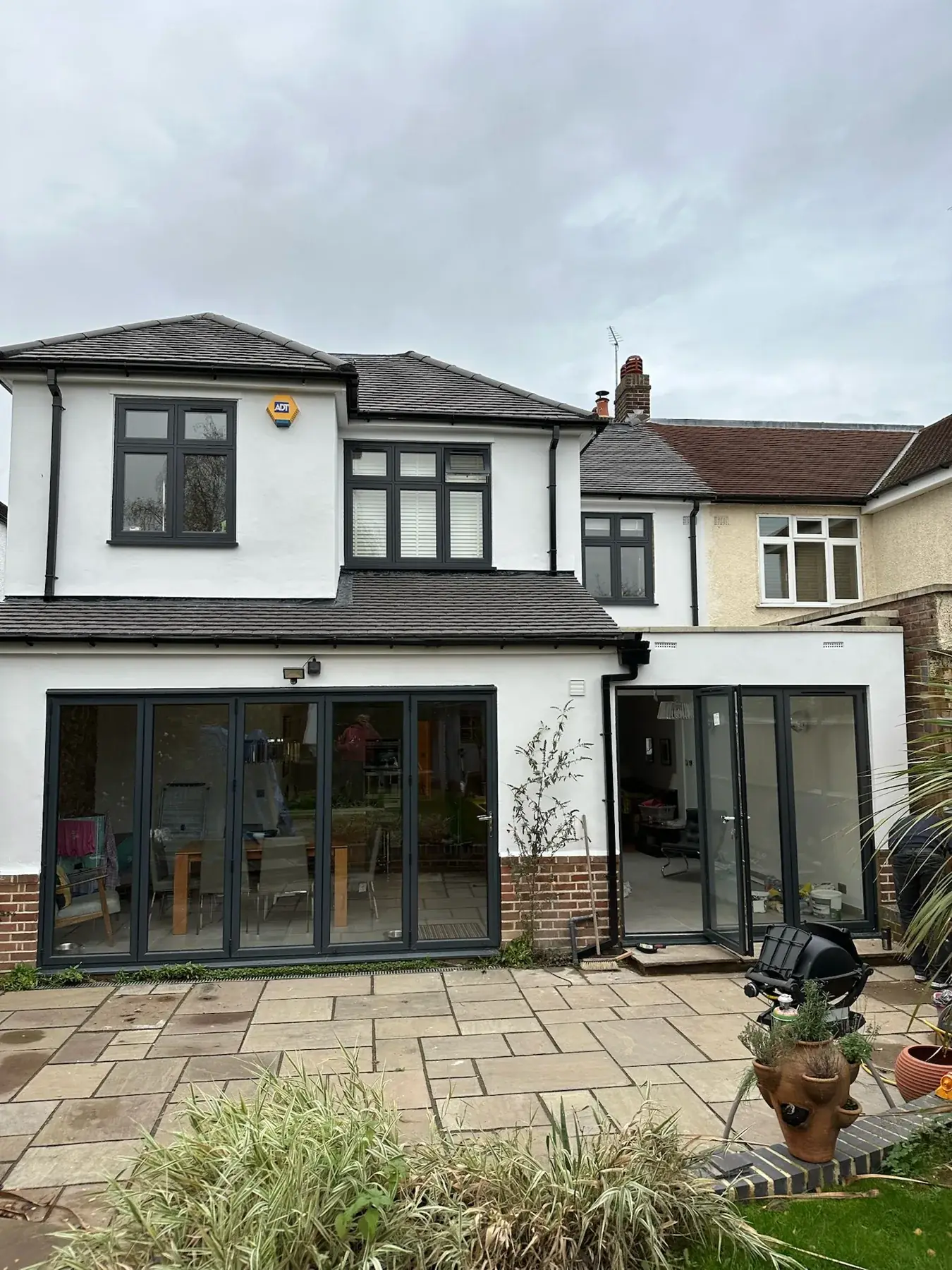
A garden should feel joined to the home, not left as the bit that gets sorted last. The best decisions are often about levels, access and how the space will actually be used. DWM Construction can help shape a garden brief that matches the house and the ground.
- Service
- Gardens
- Neighbourhood
- Cheam
- Borough
- Sutton
- Next step
- Discuss your project
Your project brief
Start with how the space needs to function
Before choosing paving or planting, decide what the garden must do. It may need a sitting area, a route to a side gate, somewhere for bins or a clearer link from the back door to the rest of the plot. Those needs should drive the layout, not follow it.
If the garden is being improved alongside building work, it is worth retaining features that already help the house function. A sensible path, useful steps or a serviceable boundary line may be more valuable than starting over. That approach can also make the outdoor area easier to live with during the works.
Cheam garden and site checks
In Cheam, local planning questions should still be checked against the exact property through Sutton’s guidance. The council notes that not every project needs full planning permission, but restrictions can apply in conservation areas, on listed buildings and under Article 4 directions. For garden works, the main issue is usually whether the proposal changes the external appearance, access or relationship to the house in a way that needs a formal route.
Design decisions
Check levels, drainage and boundaries before fixing the design
Surface water, falls and changes in level affect how a garden behaves in wet weather and how safe it feels underfoot. Drainage should be considered with the proposed surfaces, especially where hard landscaping meets the house. If the levels are wrong, a neat finish can still create problems.
Boundary features and gates also need clarity. The exact ownership or responsibility should be established before work starts, especially if access is shared or a fence line is being altered. A design that ignores the edges of the plot can create awkward disputes or expensive adjustments later.
Design checks
Four things we confirm before drawing garden improvements.
- 01Decide the garden’s main uses before choosing materials.
- 02Check levels, drainage and surface-water behaviour with the design.
- 03Confirm boundary ownership and access before altering fences or gates.
- 04Plan the outdoor work alongside any related house improvements.
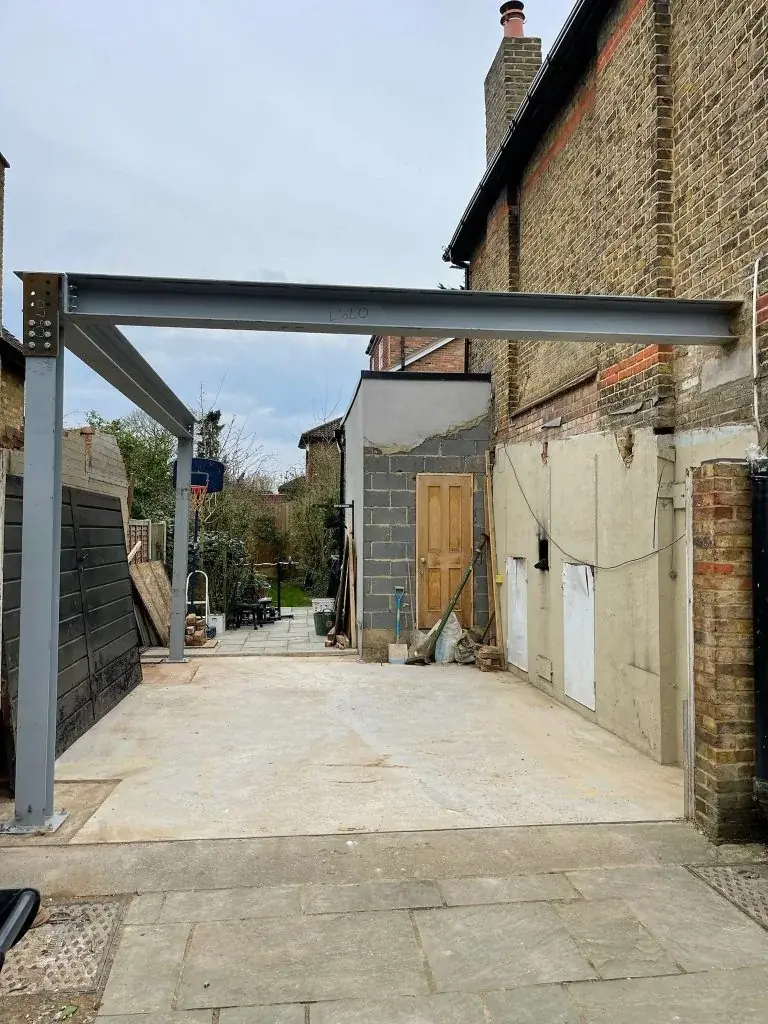
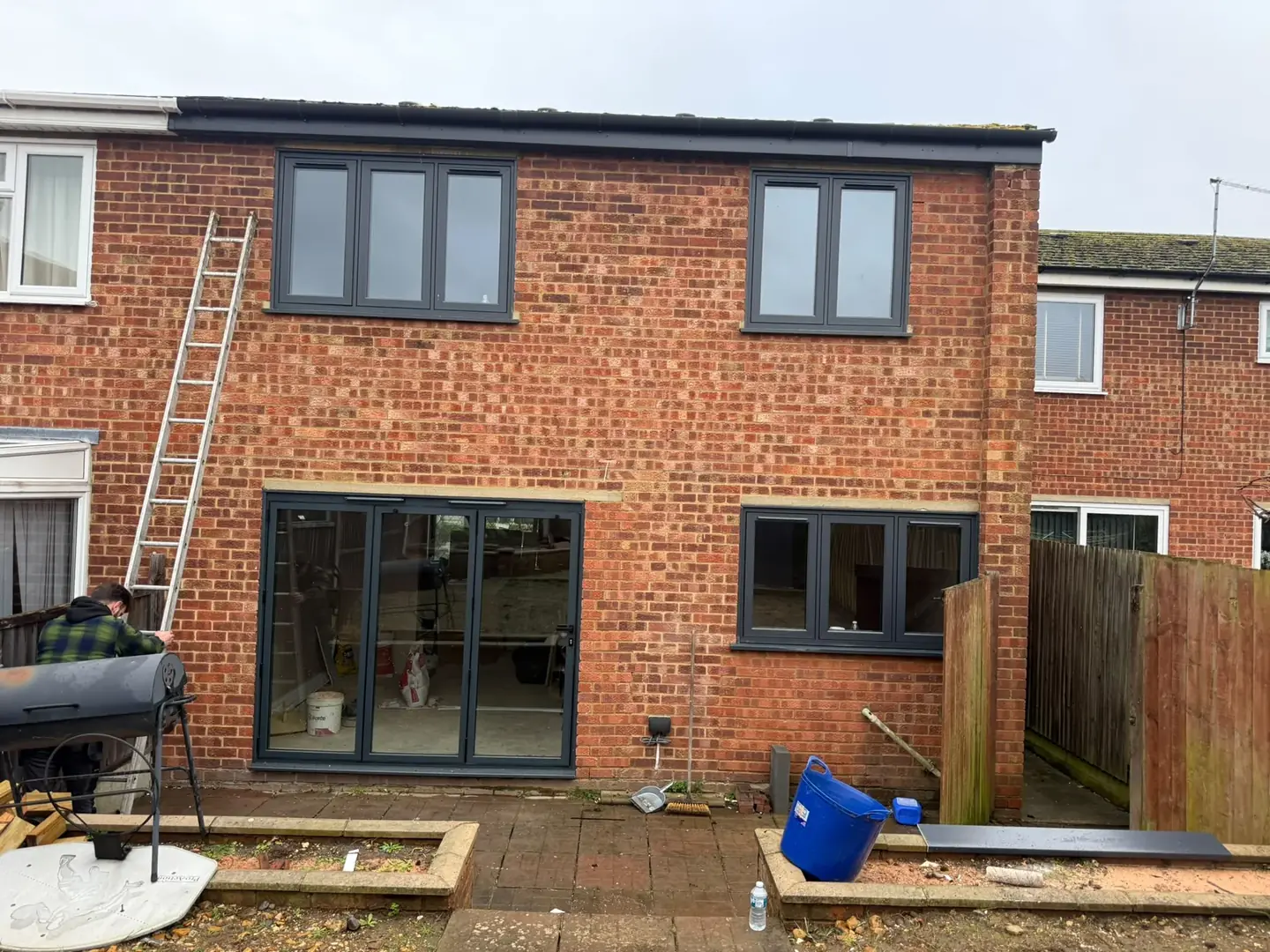
What should be considered before redesigning a garden next to the house?
Think about access from the rooms that open onto it, where water will run, and what the space needs to do day to day. Those practical points usually matter more than the decorative finish at first stage.
Why do levels matter so much in garden work?
Levels affect drainage, step safety, door thresholds and how easy it is to move around the space. If they are not considered early, you can end up with poor falls or awkward changes in height.
How can a garden improvement support the rest of the renovation?
It can make access clearer, improve the connection to the house and help the outdoor areas feel part of the same project. That is especially useful when internal rooms open out to a patio or path.
Planning and project guidance
- Find out if you need planning permission | London Borough of Sutton
- GOV.UK · Planning permission
- GOV.UK · Building regulations approval
- GOV.UK · Party walls and building work
Check the current guidance for your address before relying on a planning route. This guide is not a planning decision or a verified local case study.
Other services in Cheam








