
Waltham Forest · East London
Gardensin Chingford.
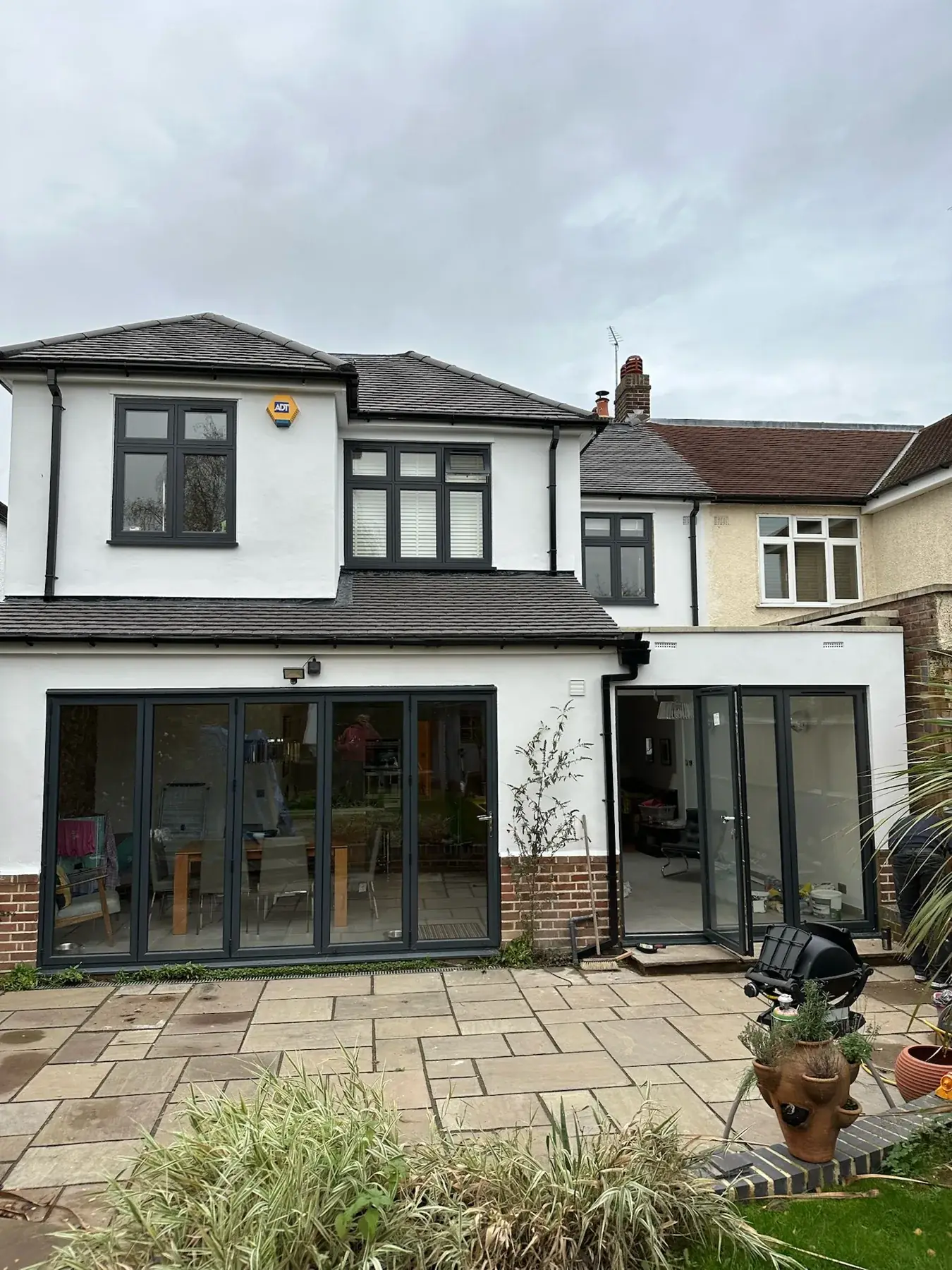
Garden improvements work best when they are treated as part of the home, not as an afterthought. The layout, levels and drainage affect how the space will actually be used, and those practical points should come before paving patterns or planting ideas.
- Service
- Gardens
- Neighbourhood
- Chingford
- Borough
- Waltham Forest
- Next step
- Discuss your project
Your project brief
Let the intended use shape the hard landscaping
A patio, path or seating area should be positioned with access and movement in mind, especially where the garden connects directly to a kitchen or family room. Measuring only the paved area is not enough; you also need to think about how people pass through it and where water goes.
For a family space, a restrained design may work better than too many separate outdoor zones. For example, one clear usable area can be easier to maintain and more adaptable than splitting the garden into several small features that compete for space.
Local checks for garden work in Chingford
In Waltham Forest, conservation-area controls and Article 4 directions may affect some external changes, and listed buildings need separate consideration where character is affected. Those rules do not automatically apply to every Chingford garden, so the exact address must be checked before assuming restrictions. Small external works can still need care if they alter the appearance of a frontage or relate closely to a designated property.
Design decisions
Check levels and boundary details before fixing the finish
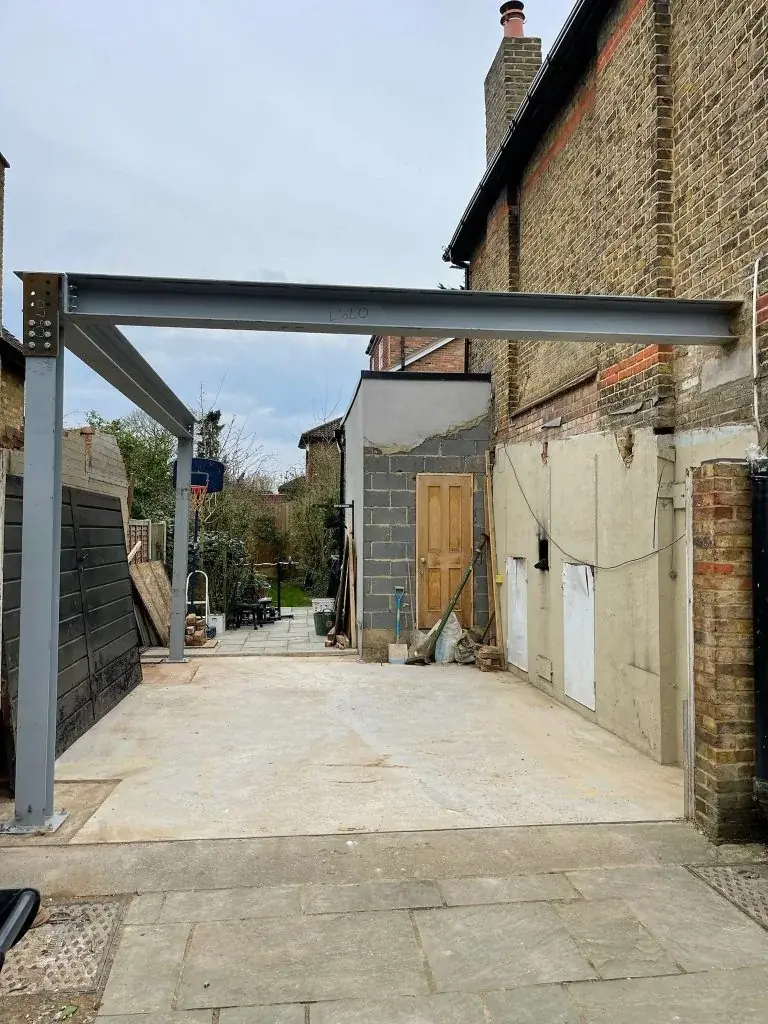
Garden levels, retaining needs and surface-water behaviour should be considered alongside the house so the finished space does not direct problems back towards the building. That is especially important where paving or steps change how rain runs off the site.
Boundary features, gates and fencing should also be checked against ownership and access before they are priced or installed. Making those decisions early avoids disputes and helps the project finish cleanly, with any making good after building work included in the scope rather than left to chance.
Design checks
Four things we confirm before drawing garden improvements.
- 01Check the levels and how surface water will move before choosing paving.
- 02Agree boundaries, access and ownership before fencing or gates are included.
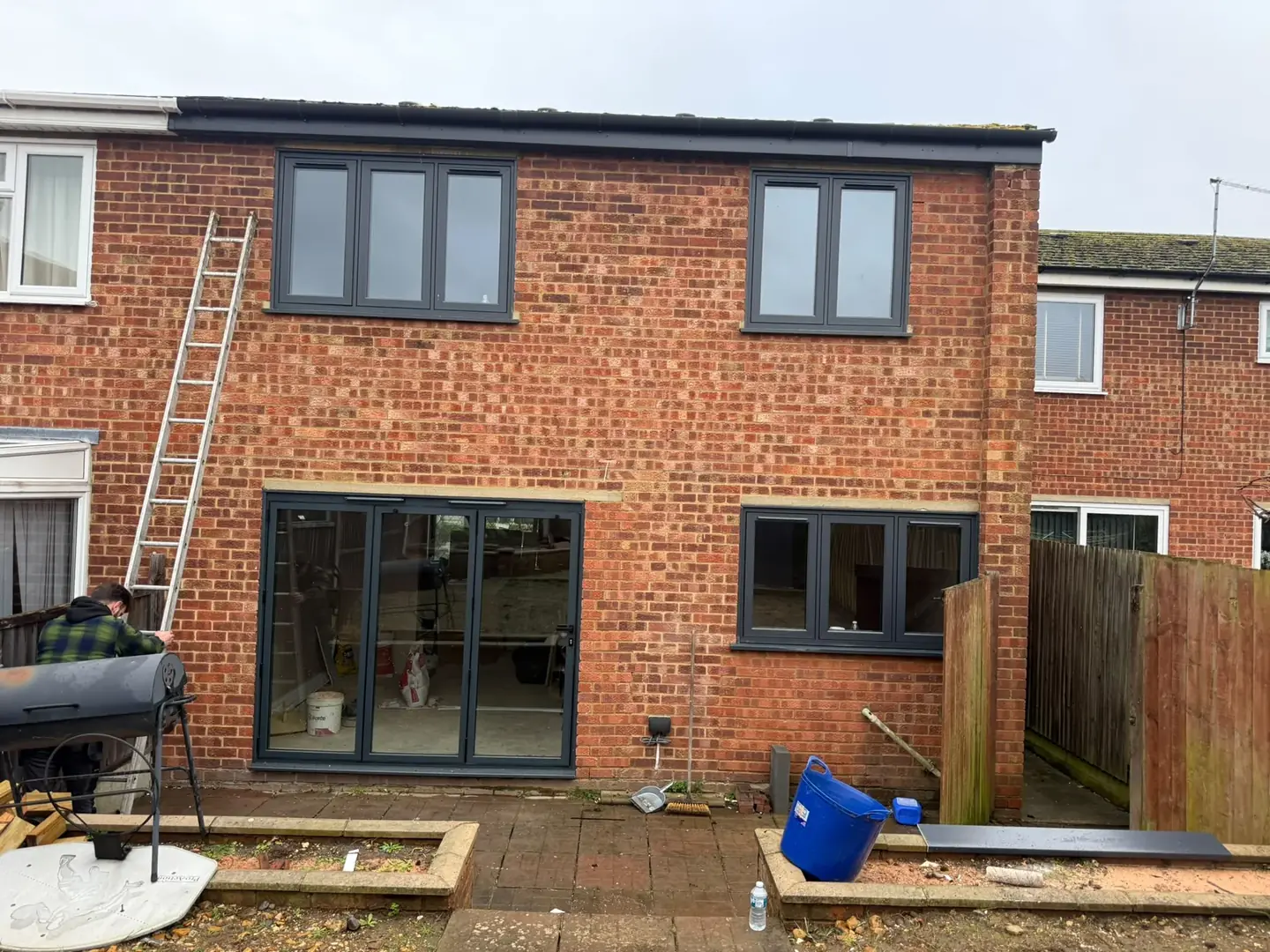
- 03Link the garden design to the rooms that open onto it.
- 04Plan any making good after building work as part of the job, not separately later.
What should come first in a garden project, materials or levels?
Levels should come first. If the ground falls the wrong way or the access is awkward, the material choice will not solve the underlying problem and may even make it harder to use the space well.
How can a garden stay practical for changing family needs?
By keeping the layout simple and allowing one clear main use. A space that can host play, sitting or planting without too many fixed features usually adapts better as family life changes.
Why are boundaries important before fencing or gates are planned?
Because you need to know what belongs to the property and how access will work. If boundaries are unclear, the installation may create disagreement or need adjustment after the work has started.
Planning and project guidance
- Conservation areas and listed buildings | London Borough of Waltham Forest
- GOV.UK · Planning permission
- GOV.UK · Building regulations approval
- GOV.UK · Party walls and building work
Check the current guidance for your address before relying on a planning route. This guide is not a planning decision or a verified local case study.
Other services in Chingford








