
Waltham Forest · East London
Plumbingin Chingford.
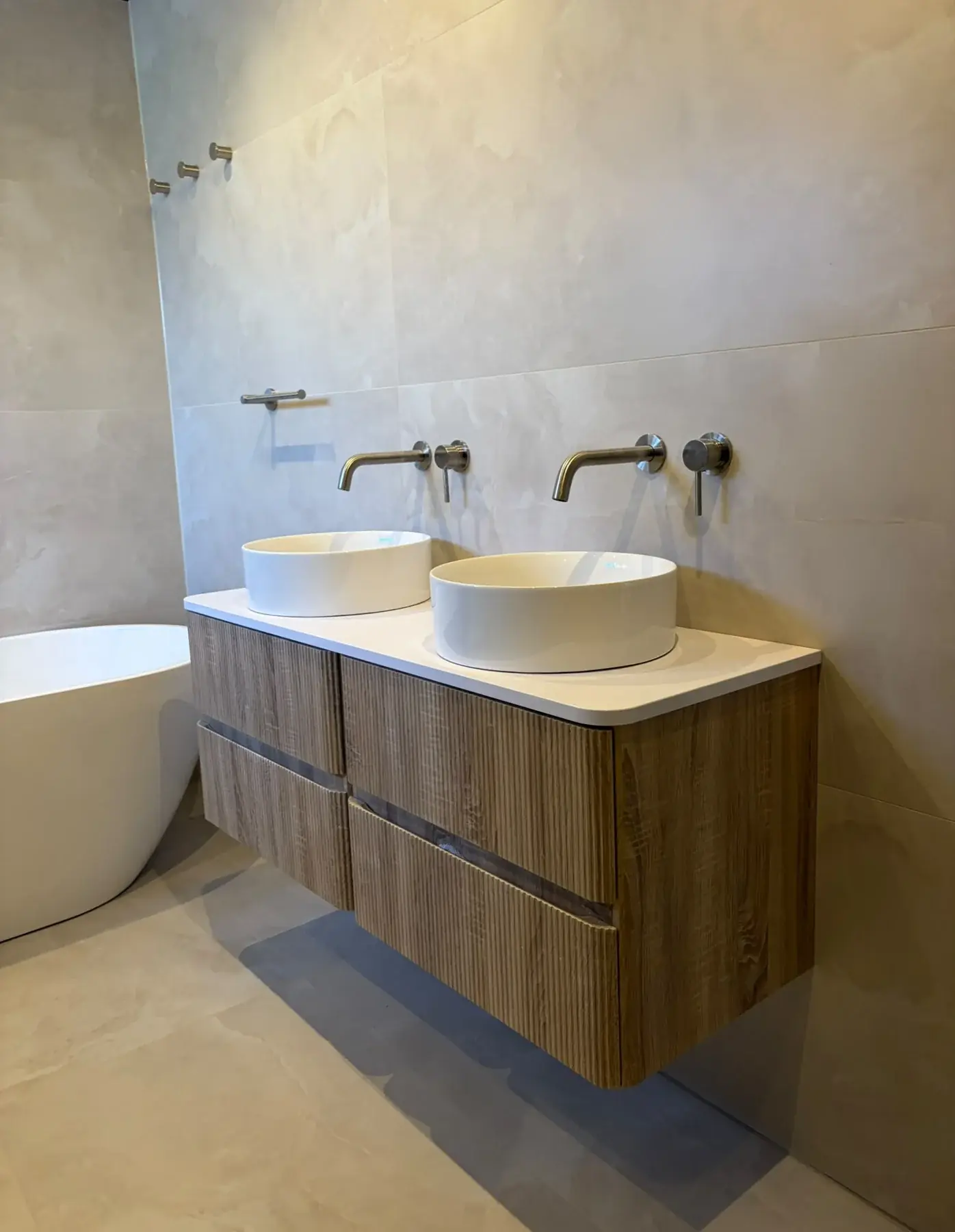
Plumbing work often looks simple from the outside, but the important decisions sit behind the fittings. Water supply, drainage, access and the condition of the existing pipework all affect whether a proposed layout is sensible and how much of the room needs to be opened up.
- Service
- Plumbing
- Neighbourhood
- Chingford
- Borough
- Waltham Forest
- Next step
- Discuss your project
Your project brief
Design the layout around the pipe routes, not the other way round
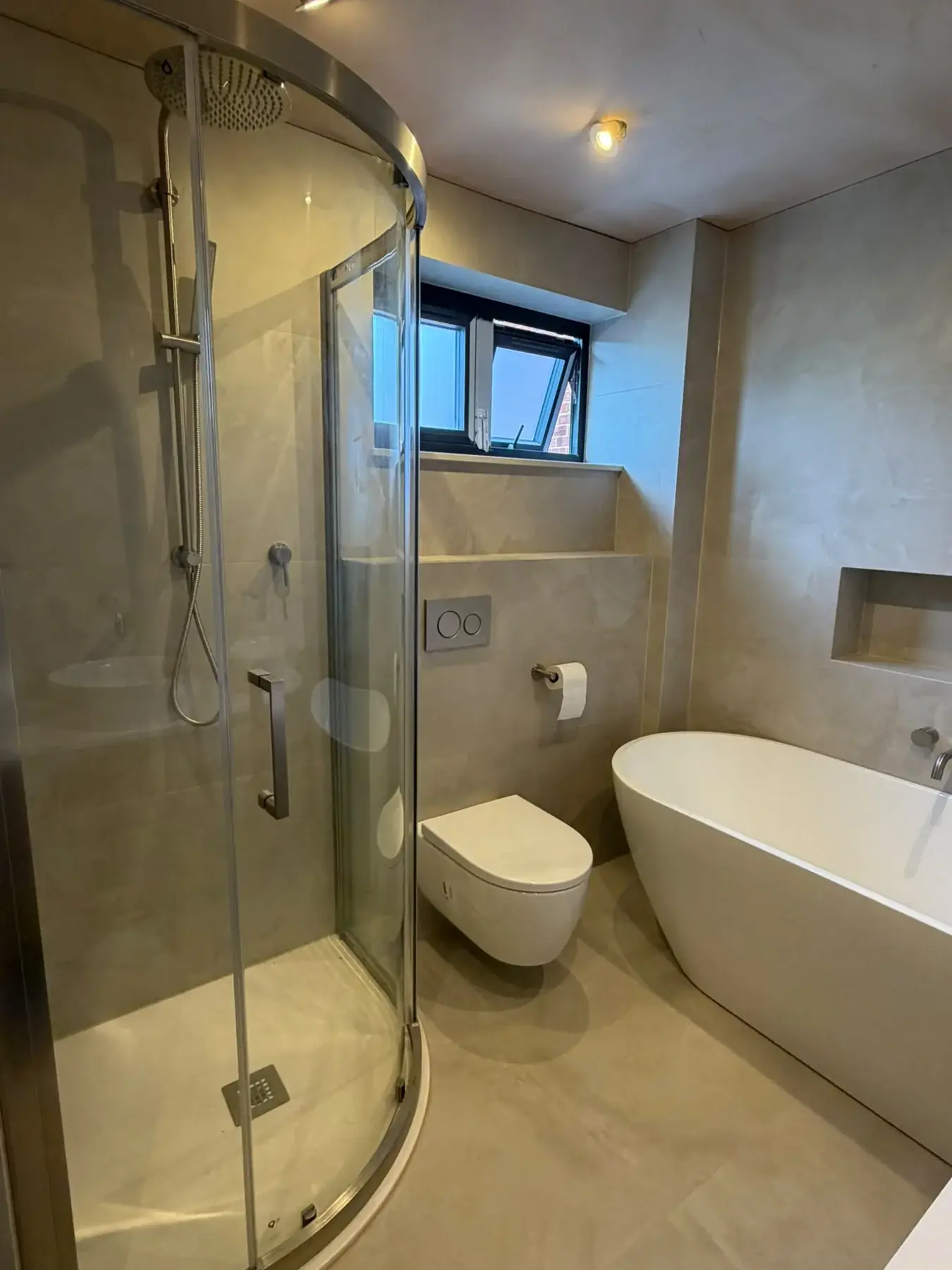
If a sink, basin or shower is being moved, the change should be checked against the existing water and waste routes before the final plan is fixed. That helps avoid a layout that looks neat but creates awkward pipe runs or unnecessary boxing-in.
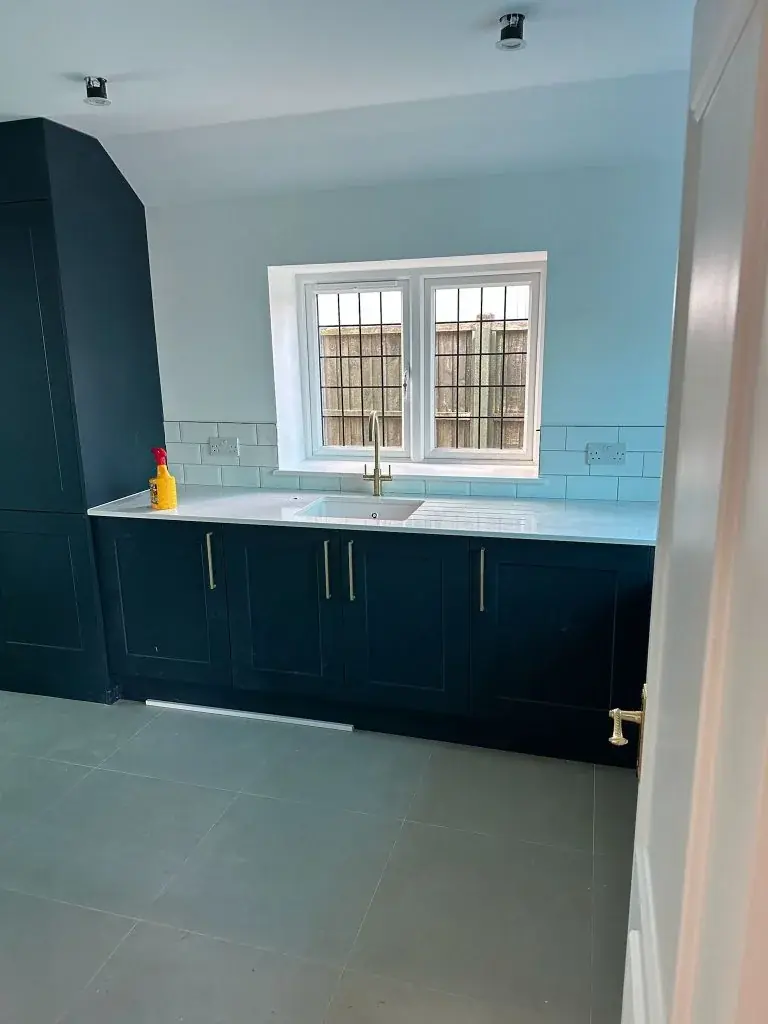
A flexible family-space brief can also affect the plumbing plan. For example, a kitchen or utility room may need to stay adaptable for future appliances, so the cleaner answer may be a restrained arrangement with fewer fixed positions rather than an overcomplicated layout.
Local checks for plumbing changes in Chingford
Waltham Forest’s planning guidance mainly matters where plumbing changes are tied to external alterations or to a listed building. Conservation areas and Article 4 directions exist in the borough, but they do not automatically affect every Chingford address. The exact property should be checked before assuming that a route is needed. Internal plumbing alterations still need a proper scope, even when planning control is not the main issue.
Design decisions
Separate first-fix work from the finished room
Plumbing is best coordinated with the rest of the refurbishment so the pipework, valves and connections are in the right place before walls and floors are closed. That is especially important where the room is being reconfigured and multiple trades need access.
The scope should also say whether the work is an alteration to existing pipework, a replacement of sanitaryware, or both. Clear records help distinguish agreed work from unexpected discoveries behind walls, which is where many plumbing jobs become more involved than first expected.
Design checks
Four things we confirm before drawing plumbing work.
- 01Confirm where the supply and waste routes can realistically run.
- 02Agree whether the job is a relocation, replacement or both.
- 03Check access to existing pipework before walls are closed.
- 04Record any issues found in the open-up stage within the agreed scope.
What makes a plumbing move more than a simple fitting swap?
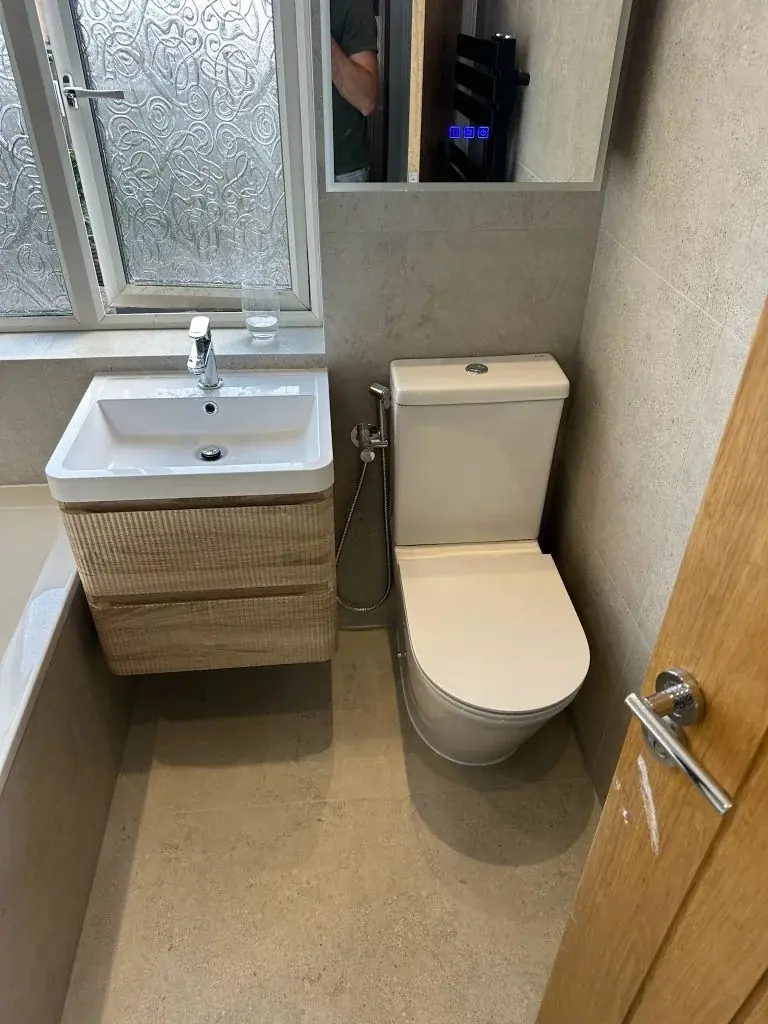
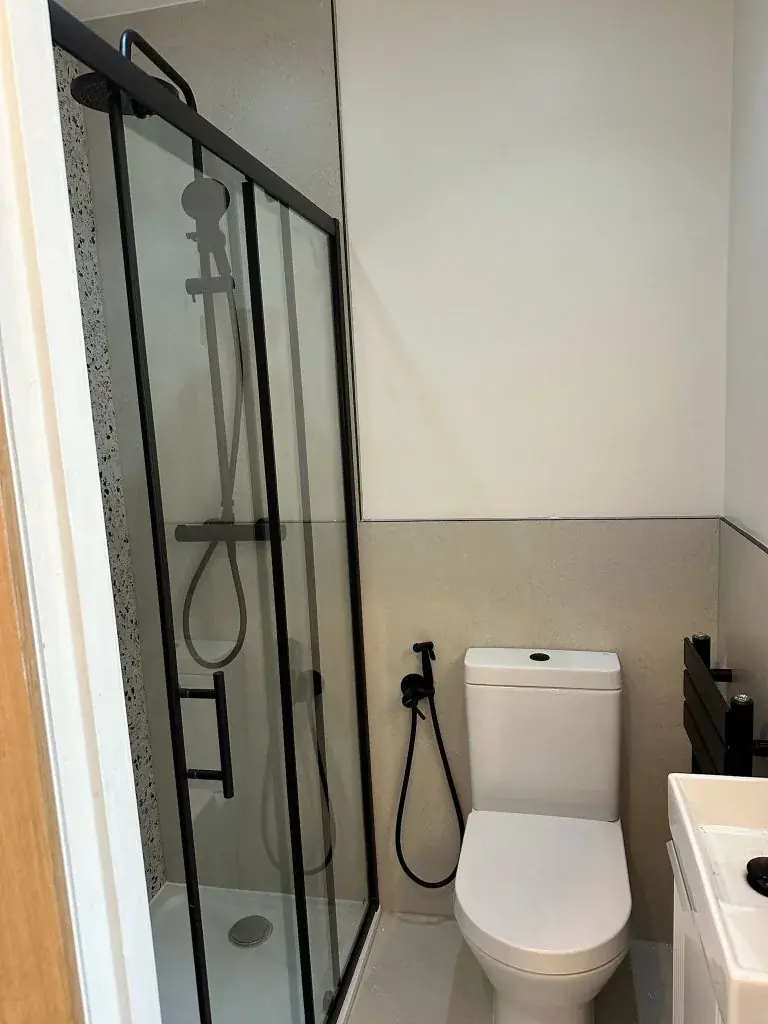
Relocating a sink or appliance often changes the supply and waste routes as well as the visible fitting. That can affect boxing-in, floor access and the sequence of other trades, so it needs a fuller check.
Why should plumbing be discussed before finishes are chosen?
Because the pipe layout can affect cabinet positions, tile lines and how much wall is opened. If the plumbing is finalised early, the finishes can be designed around the real installation rather than around assumptions.
What should be investigated if old pipework is being reused?
Its condition, accessibility and whether it still suits the planned layout. If there are known issues, they should be included in the agreed scope so the project does not rely on hidden risks.
Planning and project guidance
- Conservation areas and listed buildings | London Borough of Waltham Forest
- GOV.UK · Planning permission
- GOV.UK · Building regulations approval
- GOV.UK · Party walls and building work
Check the current guidance for your address before relying on a planning route. This guide is not a planning decision or a verified local case study.
Other services in Chingford








