
Ealing · West London
Gardensin Ealing.
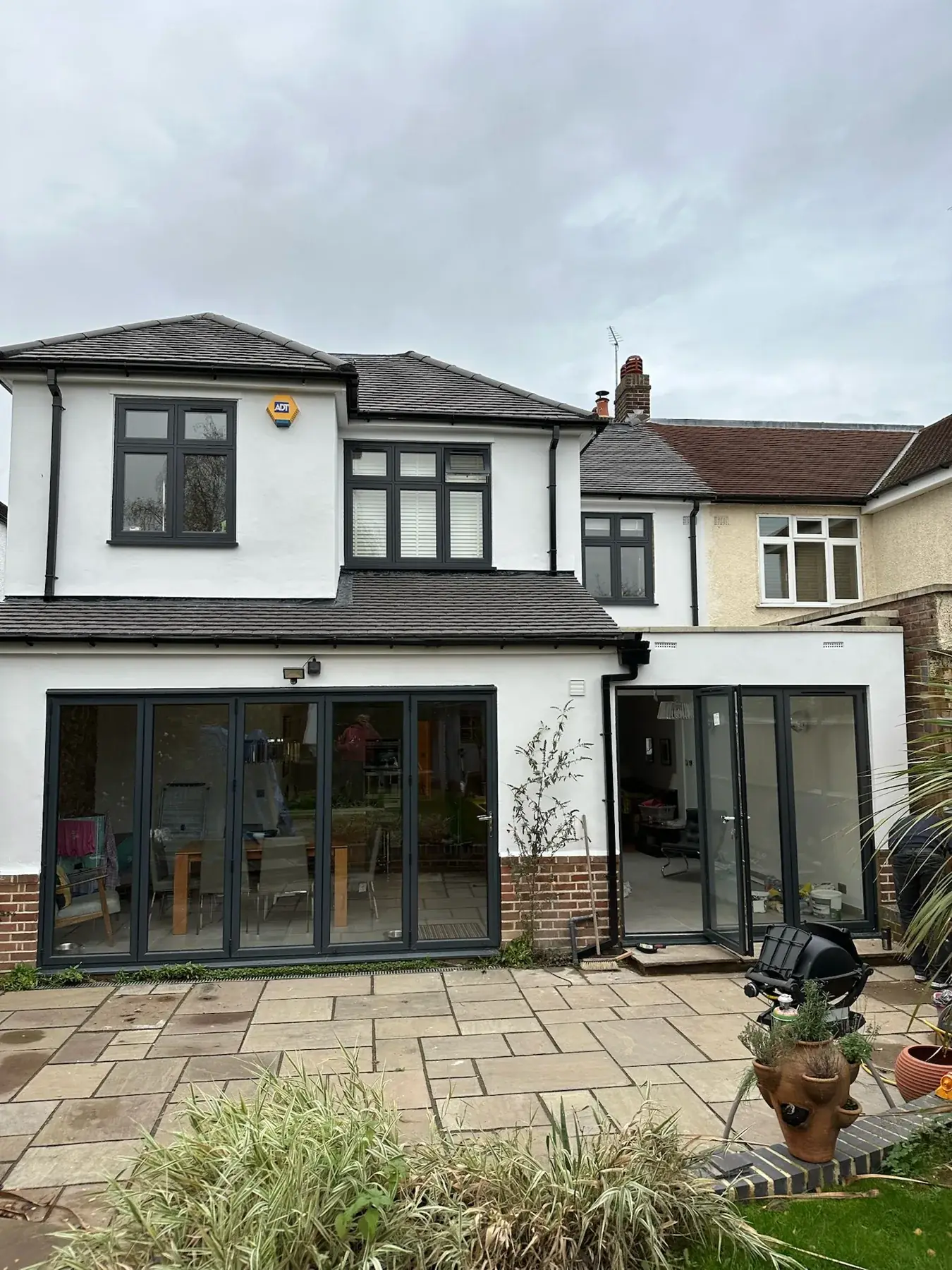
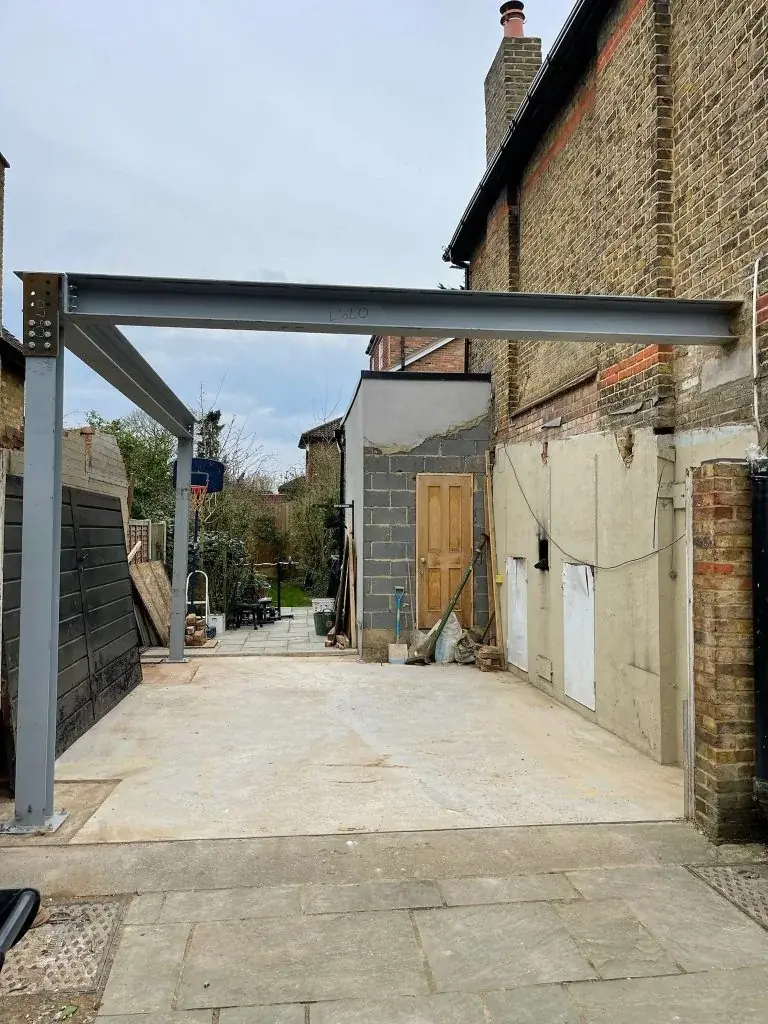
A good garden scheme should make sense with the house it serves. Hard surfaces, levels and drainage are not just outdoor details; they affect how the space feels, how it is used and whether it remains practical after the work is done.
- Service
- Gardens
- Neighbourhood
- Ealing
- Borough
- Ealing
- Next step
- Discuss your project
Your project brief
Work out how the garden needs to function
Before choosing materials, decide whether the space needs seating, routes, planting areas or a cleaner connection to the house. If the use is unclear, the finished garden can look complete but still be awkward to walk through or maintain.
Levels matter as much as the layout. A change in height can affect steps, edges, surface falls and how water moves across the space. That should be understood before patios or paths are set out, otherwise the design may need reworking during construction.
Local checks for gardens in Ealing
The council information supplied for Ealing centres on conservation areas and restrictions that can apply in some parts of the borough. That is relevant if garden work changes the exterior appearance, access or hardstanding, but it does not mean every garden falls under the same rules. The exact address should be checked before assuming the proposal is straightforward, particularly where the work joins a house alteration.
Design decisions
Tie surface choices to drainage and boundaries
Hard landscaping should be planned with surface-water movement in mind, especially where paving sits near the house. The aim is not simply to cover the ground but to make the outside space behave properly in wet weather and under regular use.
Boundary features, fences and gates should be agreed only after access and ownership are clear. They affect both privacy and practicality, so they need to be part of the same design conversation as the paving and planting, not left as a final extra.
Design checks
Four things we confirm before drawing garden improvements.
- 01Check levels, access and drainage before selecting materials.
- 02Define where hard landscaping ends and planting begins.
- 03Confirm boundary ownership and gate positions before installation.
- 04Agree how the garden will be made good after building work.
What is the biggest mistake in garden improvement planning?
Choosing finishes before understanding levels and drainage. If water movement or access is ignored, even attractive paving can become awkward to use or maintain once the work is complete.
Should boundary features be designed first or last?
They should be considered early, because they affect access, privacy and ownership lines. Leaving them to the end can cause clashes with the paved layout or with how the space is meant to be used.
How do garden works tie into a house refurbishment?
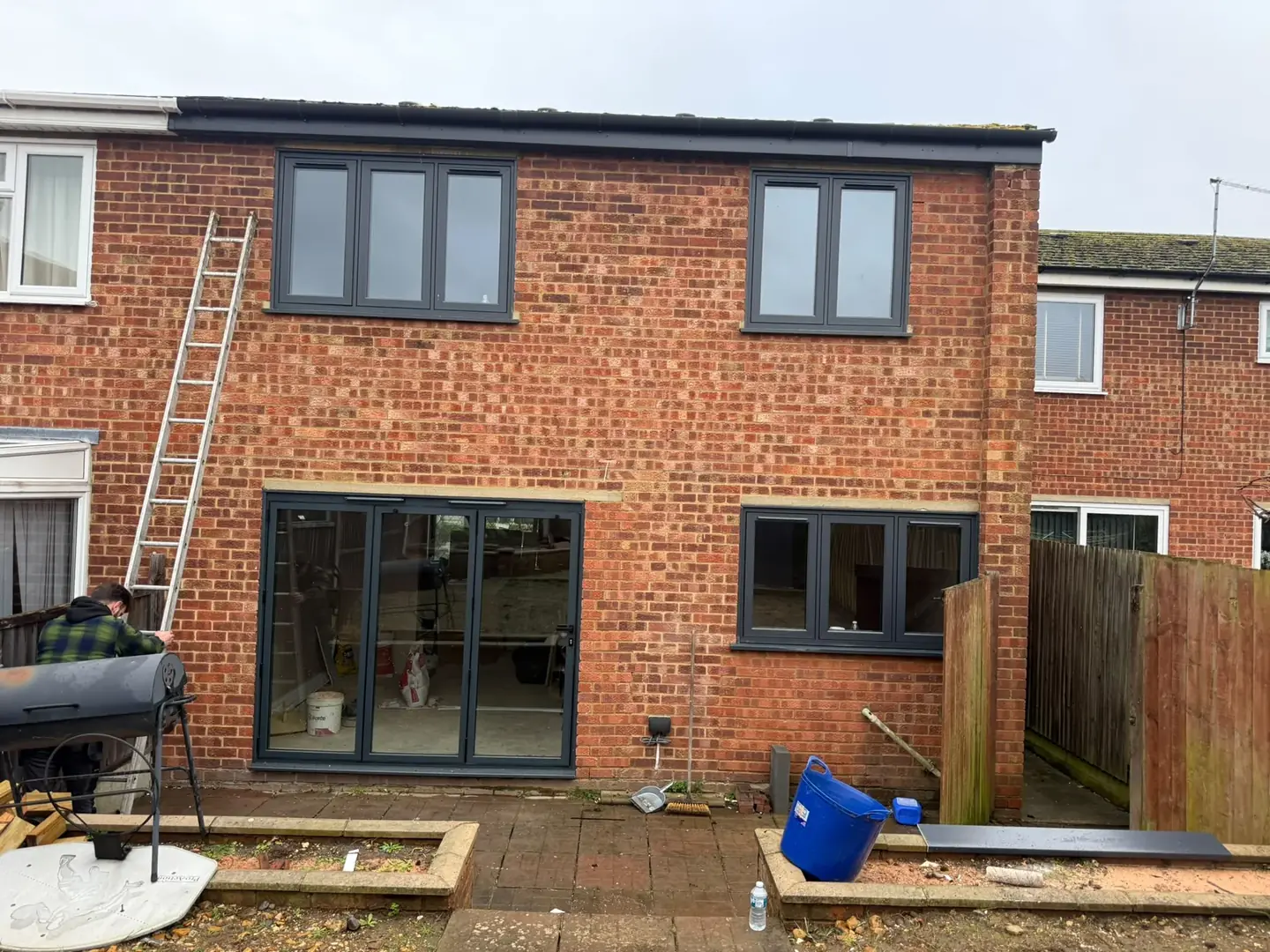
The garden should be planned with the rooms that open onto it so thresholds, access and surface levels feel coherent. That avoids treating the outside as an unrelated afterthought.
Planning and project guidance
- Management within conservation areas | About conservation areas | Ealing Council
- GOV.UK · Planning permission
- GOV.UK · Building regulations approval
- GOV.UK · Party walls and building work
Check the current guidance for your address before relying on a planning route. This guide is not a planning decision or a verified local case study.
Other services in Ealing








