
Ealing · West London
Roofingin Ealing.
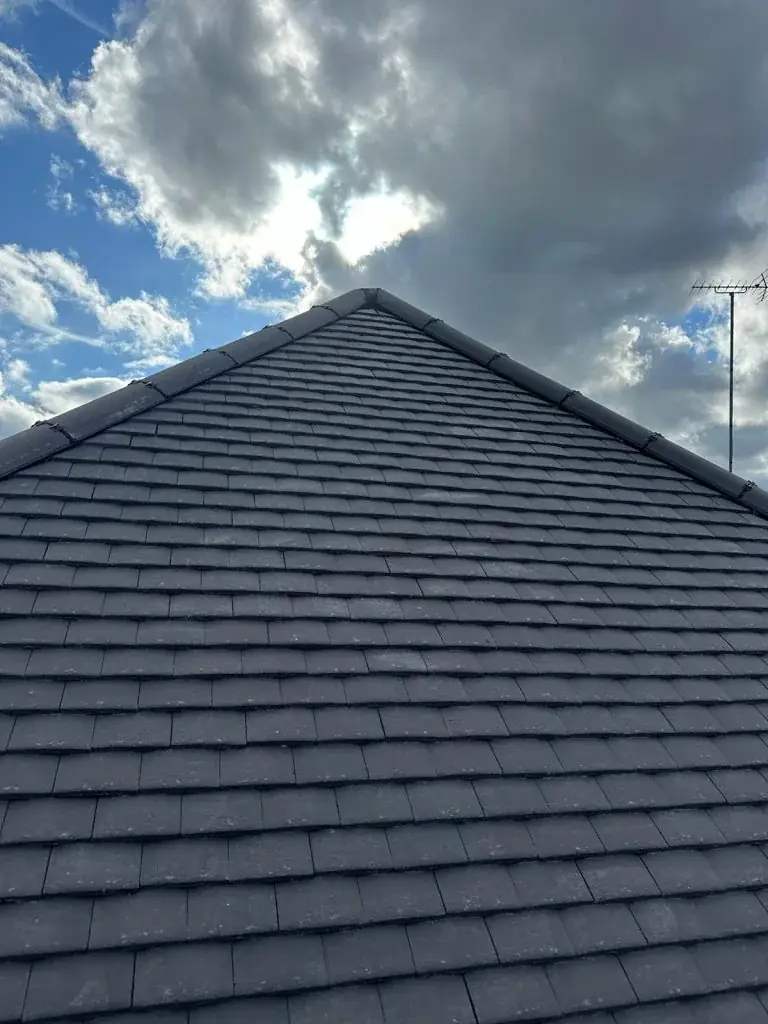
A roof problem is not always caused by the tile above the leak. Water can travel from junctions, flashings or drainage details, so roofing work should begin with the cause, not only the symptom. That is especially important when the roof forms part of a larger project.
- Service
- Roofing
- Neighbourhood
- Ealing
- Borough
- Ealing
- Next step
- Discuss your project
Your project brief
Find the source before deciding the repair scope
An inspection should look at accessible defects, not just the area where the damp shows indoors. The visible stain may be below the real problem, so the repair needs to follow the route of water rather than the route of the damage inside the house.
Once the likely cause is understood, you can decide whether the job is a limited repair or something more involved. That distinction matters because a minor fix to one part of the roof is very different from a broader alteration or conversion-related scope.
Local checks for roofing in Ealing
The supplied Ealing council material is about conservation areas and planning control, which is most relevant if roofing changes affect the external appearance or sit within a specially controlled area. The borough-wide guidance does not replace an address check, especially where a repair becomes an alteration or forms part of a loft conversion. The exact site and proposal should be reviewed before a route is assumed.
Design decisions
Keep the roof covering and the junctions in the same conversation
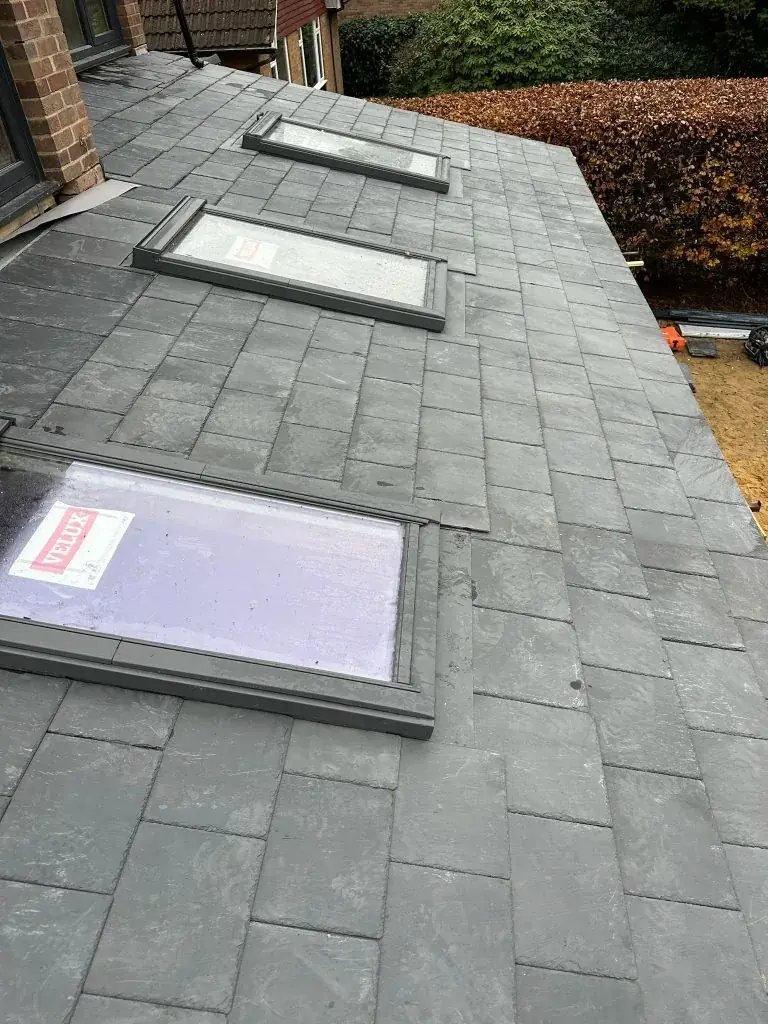
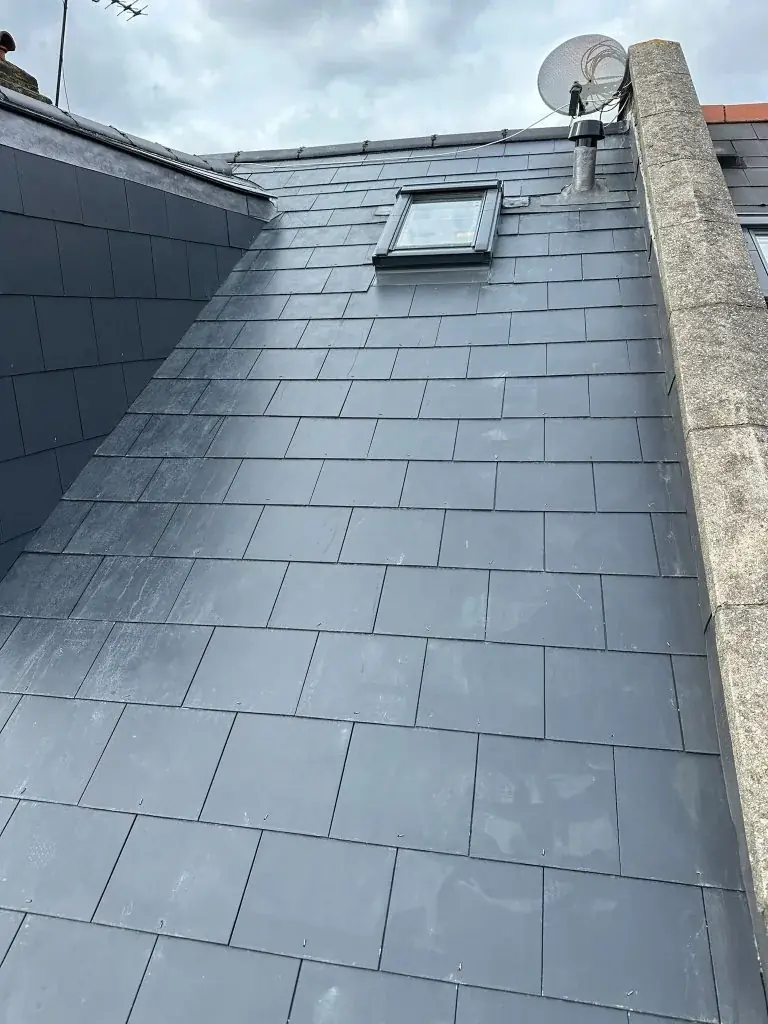
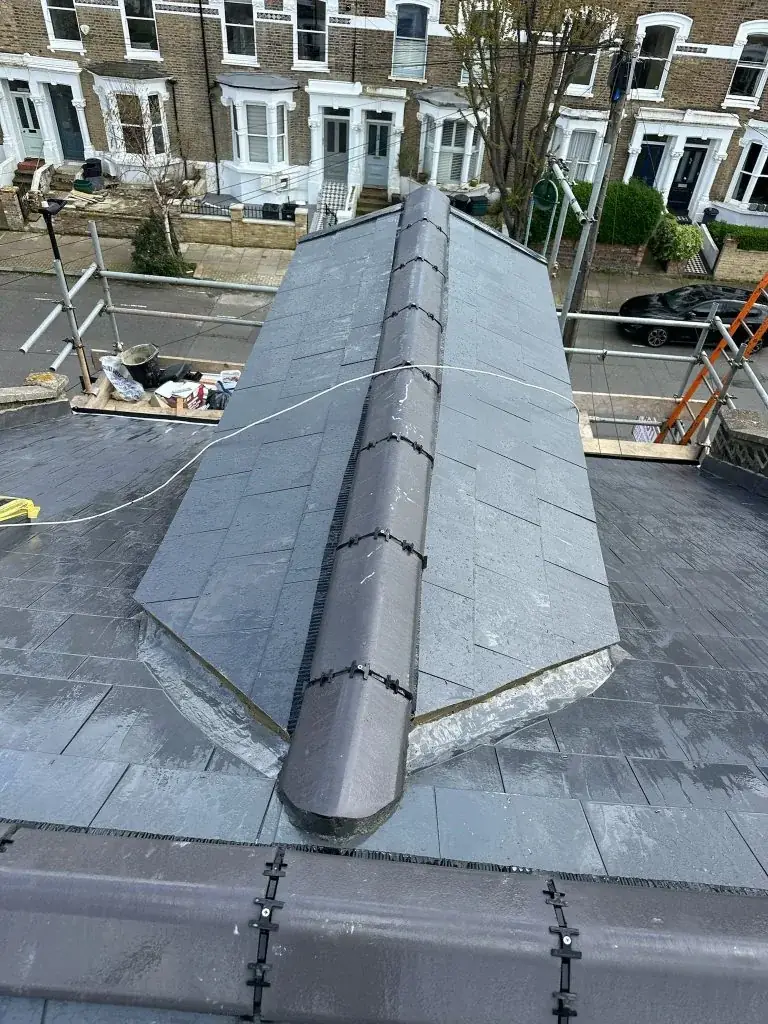
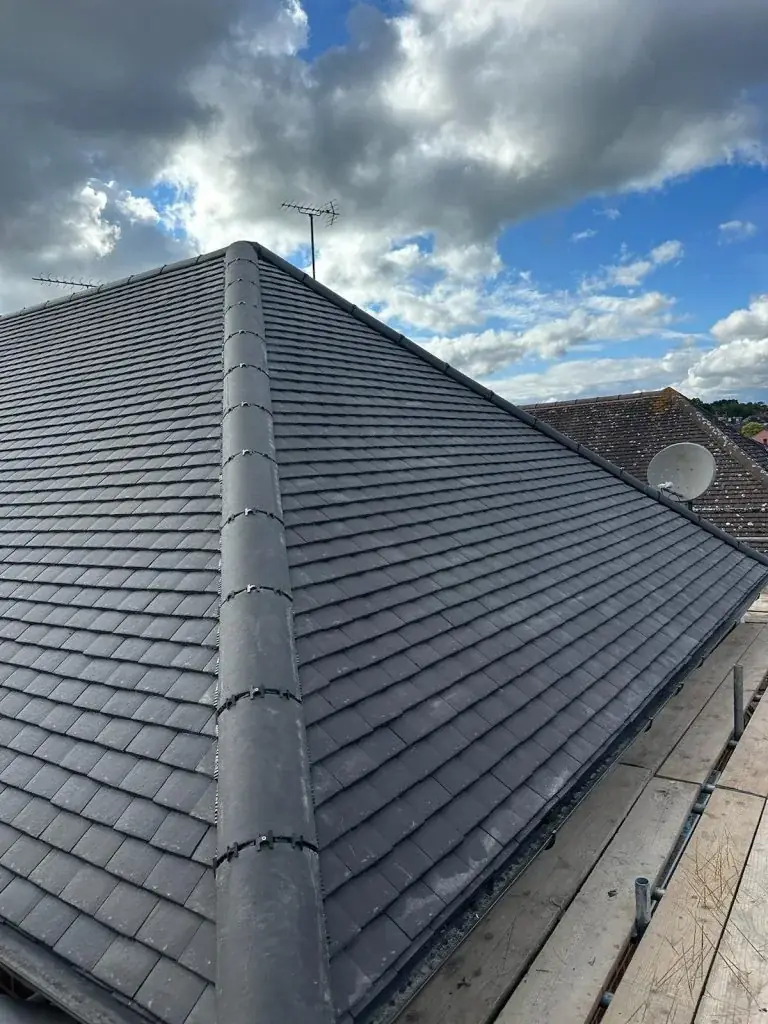
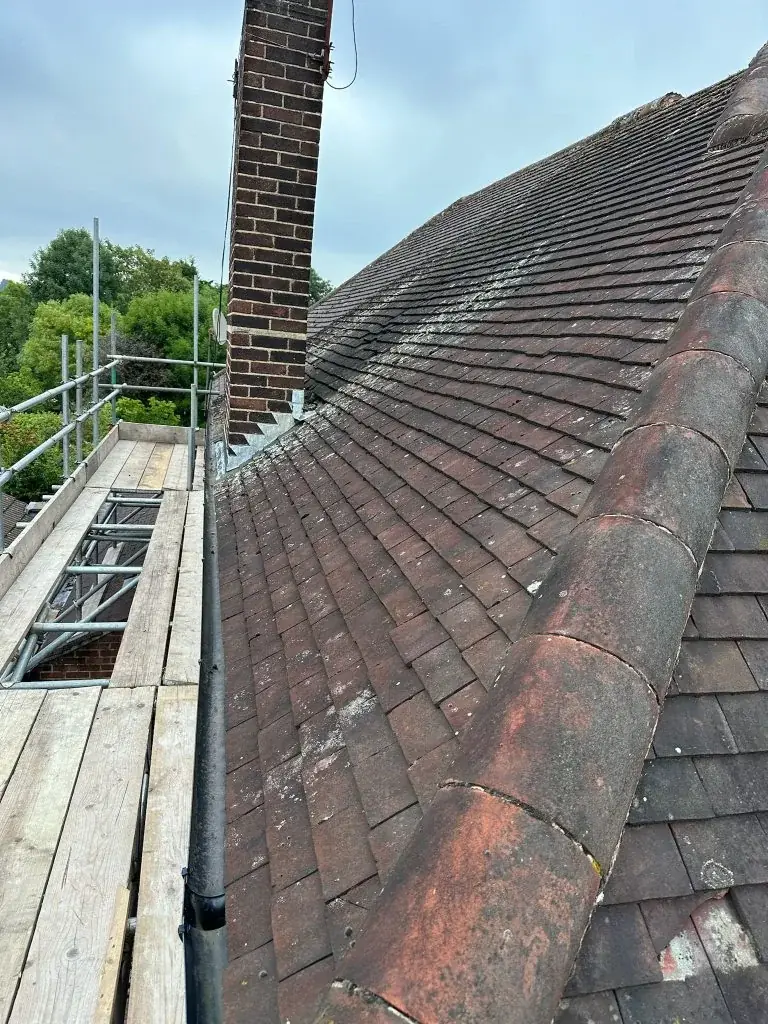
Coverings, ridges, flashings and abutments all work together. If one part is repaired without considering the rest, the fault can return or move to another weak point. Good roofing decisions therefore look at the whole weathering line, not one isolated component.
If the roof work is linked to a loft conversion or refurbishment, the structural requirements and roof alterations should be considered together. That avoids designing one part of the project around assumptions that another part later makes impossible.
Design checks
Four things we confirm before drawing roofing work.
- 01Inspect accessible roof defects and agree the repair scope.
- 02Check coverings, ridges, flashings and abutments together.
- 03Decide whether the work is a repair or part of a larger alteration.
- 04Coordinate roof work with any loft-conversion structural needs.
Why might a damp patch not point to the real roof defect?
Because water can move along timbers or junctions before it appears indoors. The visible mark may be away from the original entry point, so the roof should be checked more widely than the stain suggests.
When does a roof repair become a larger project?
When the issue involves several details at once, or when the roof work is tied to a conversion or wider refurbishment. In that case the scope needs to be set out carefully so one repair does not conflict with another requirement.
Should roof alterations be planned with the loft design?
Yes. The roof form, structure and weathering details can affect the loft space and vice versa. Coordinating them early avoids redesign once the conversion is being developed.
Planning and project guidance
- Management within conservation areas | About conservation areas | Ealing Council
- GOV.UK · Planning permission
- GOV.UK · Building regulations approval
- GOV.UK · Party walls and building work
Check the current guidance for your address before relying on a planning route. This guide is not a planning decision or a verified local case study.
Other services in Ealing








