
Ealing · West London
Renderingin Ealing.
Rendering changes how an outside wall looks, but the finish has to suit the wall beneath it. The right approach depends on the background condition, the existing surface and how the new render will meet openings, edges and adjoining materials.
- Service
- Rendering
- Neighbourhood
- Ealing
- Borough
- Ealing
- Next step
- Discuss your project
Your project brief
Check the wall before choosing the render system
The first decision is whether the background is suitable to receive render at all. If the wall is sound and the existing finish is compatible, a straightforward application may be possible. If not, preparation or repair becomes part of the job rather than an optional extra.
Where old render has failed, it should be assessed carefully before the replacement method is fixed. The extent of removal, patching or reworking depends on the condition underneath, not just on the appearance of the surface from a distance.
Local checks for rendering in Ealing
The council information supplied for Ealing says some conservation areas have further restrictions and that permitted development can be limited in those places. That does not mean every render job is restricted, but it does mean the exact address should be checked before assuming the external finish can change without consent. If the work affects a protected building or a controlled frontage, the local route needs checking first.
Design decisions
Plan the external details as carefully as the main wall face
Openings, roof edges and adjoining materials can influence how the render performs and how it looks once finished. Those junctions should be built into the scope because they often govern whether the result is neat and durable or patchy and vulnerable to cracking.
Access also matters. External work has to be carried out safely and in a way that suits the site, so the method should be set out clearly before work begins. That helps avoid last-minute changes when the wall is already partly prepared.
Design checks
Four things we confirm before drawing external rendering.
- 01Assess whether the wall background is suitable for rendering.
- 02Identify any failed render and agree how it will be treated.
- 03Check junctions around openings, roof edges and adjoining materials.
- 04Confirm access and preparation before the render system is fixed.
Does rendering always mean removing all the old surface first?
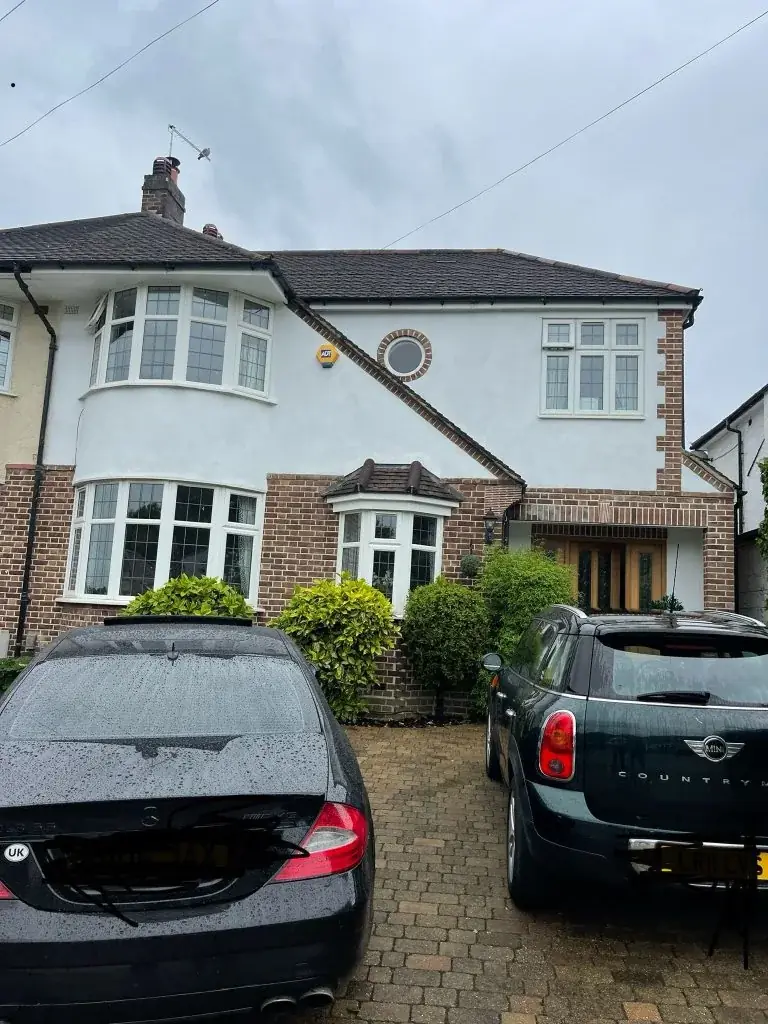
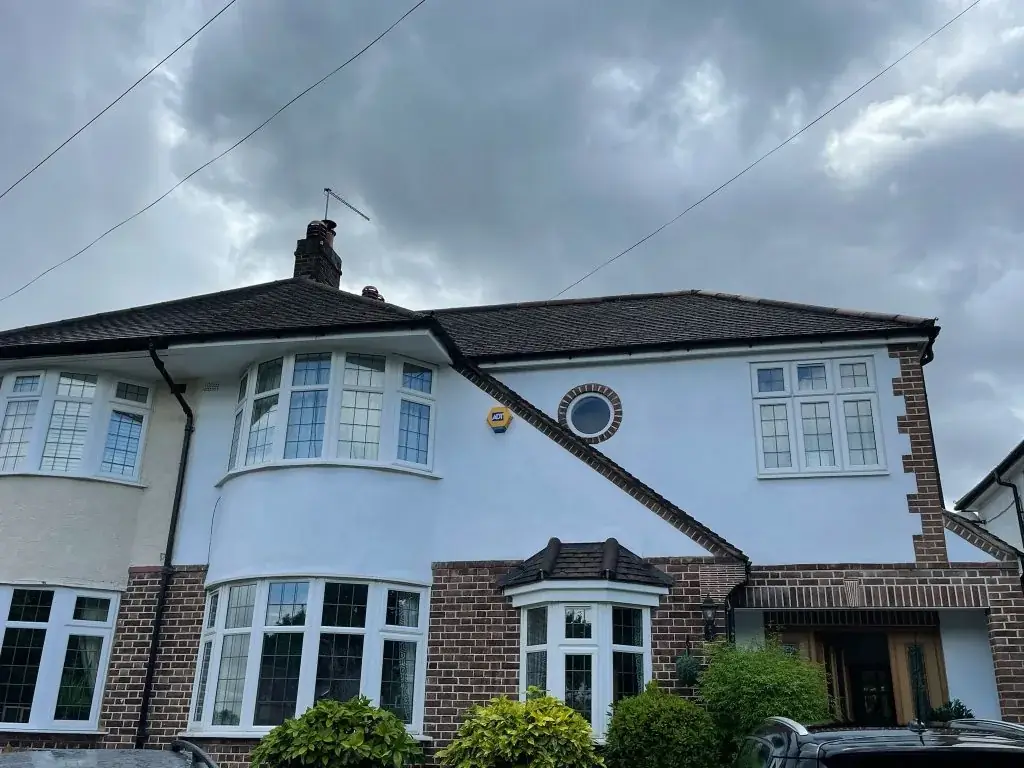
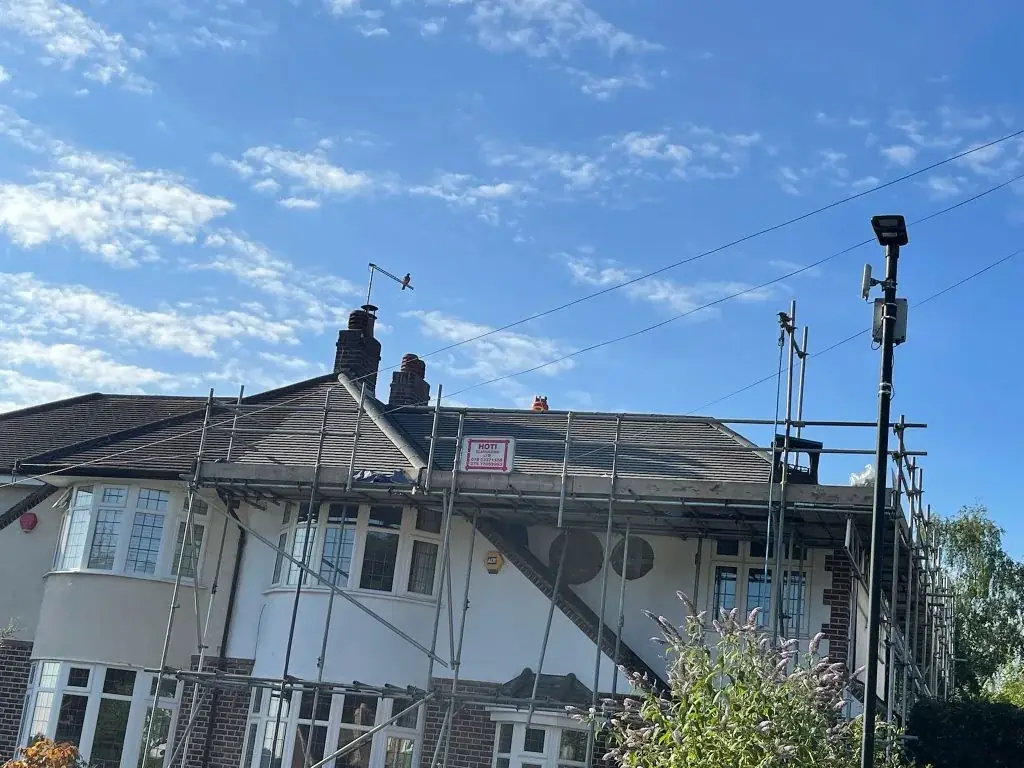
Not always. The right approach depends on the condition and compatibility of the existing finish. Some walls may need repair rather than full removal, while others need more extensive preparation.
Why are junctions so important in rendering?
Because they are the points where movement, weather and different materials meet. A good render system needs those details resolved properly, otherwise problems can show up even if the main wall face looks fine.
Should I check permission before choosing a render colour or texture?
If the external appearance is changing in a controlled area, yes, the address and proposal should be checked first. The exact consent route depends on the site, so the local status should be confirmed before commitments are made.
Planning and project guidance
- Management within conservation areas | About conservation areas | Ealing Council
- GOV.UK · Planning permission
- GOV.UK · Building regulations approval
- GOV.UK · Party walls and building work
Check the current guidance for your address before relying on a planning route. This guide is not a planning decision or a verified local case study.
Other services in Ealing








