
Essex · Epping · Town service guide
Roofingin Epping.
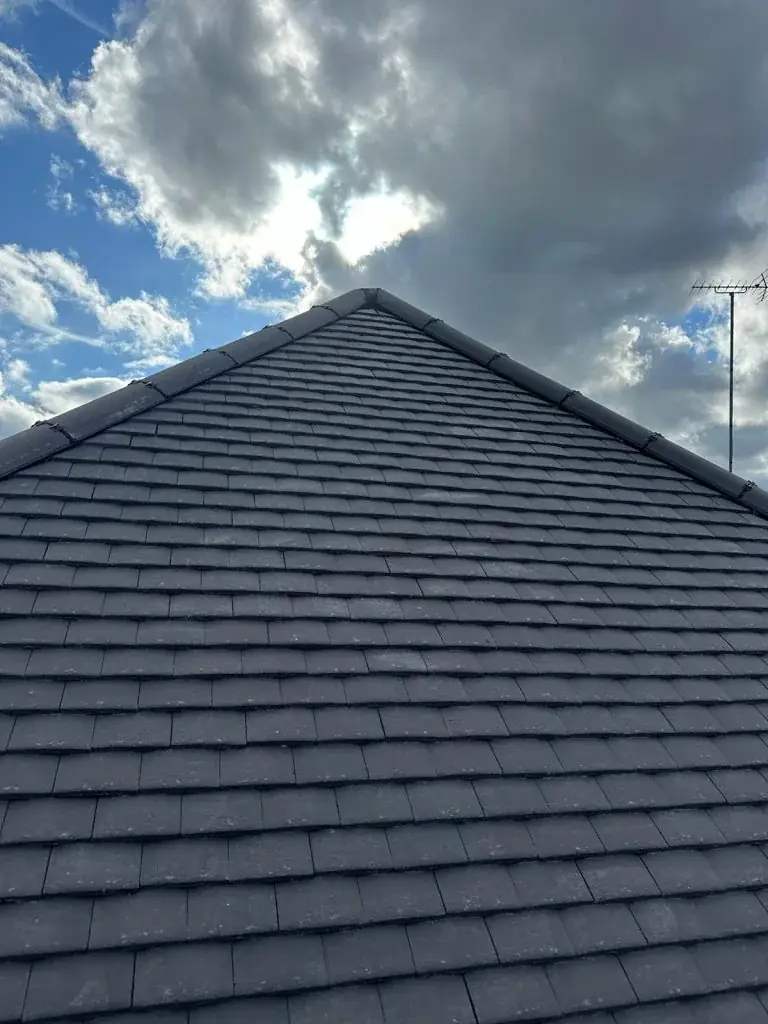
A roof problem is not always caused by the tile directly above the damp patch. In Epping, the right approach is to trace the cause through coverings, junctions, flashings and structure before deciding what needs replacing or repairing. That is especially important when the roof is part of a wider alteration.
- Service
- Roofing
- Town / city
- Epping
- County
- Essex
- Next step
- Discuss your project
Your project brief
Diagnose the source before choosing the remedy
Accessible roof defects should be investigated against an agreed repair scope. A patch to the visible surface may not solve the real problem if the weakness is at an abutment, ridge or drainage point. The aim is to address the cause, not just the symptom you can see from inside.
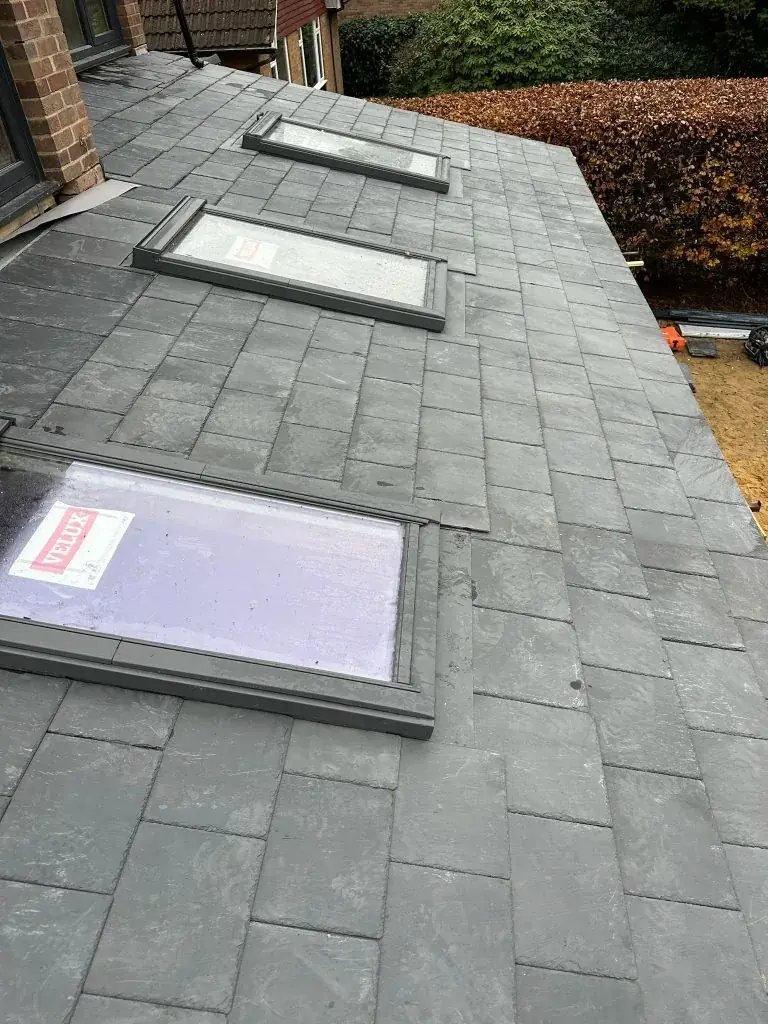
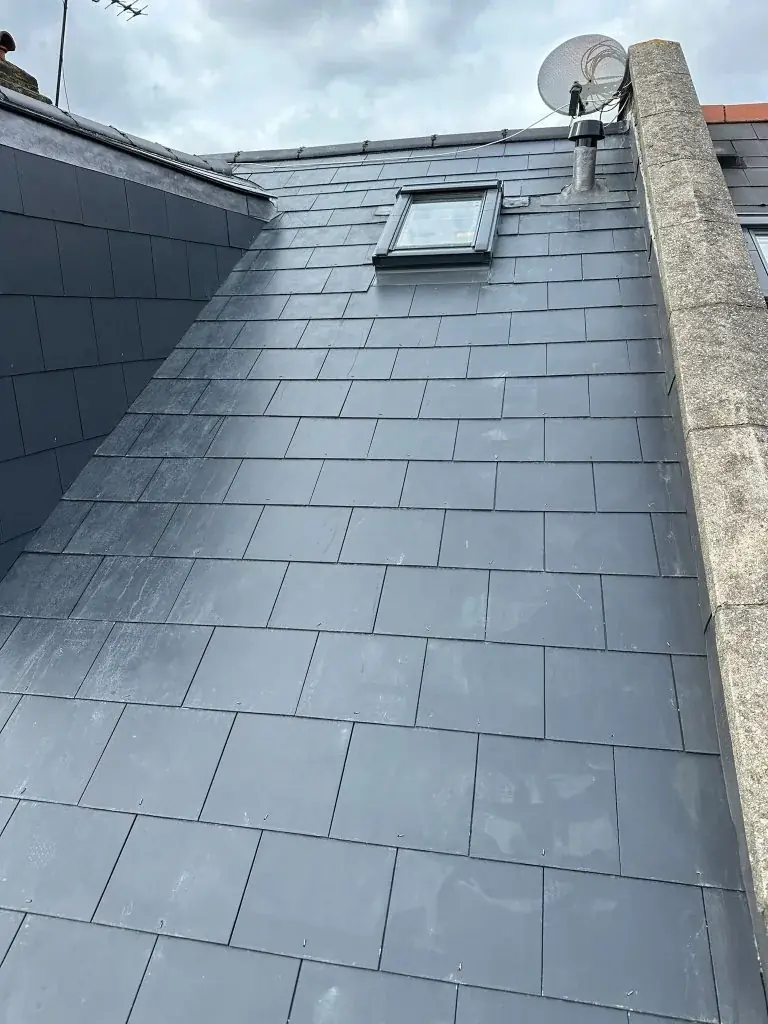
Flashing, roof junctions and rainwater details deserve the same attention as the main covering. These are common points of failure because they rely on accurate detailing rather than just intact tiles. A roof brief should therefore include the interfaces as well as the obvious field of the roof.
Epping roof checks before repair or replacement
The council evidence distinguishes Epping’s historic town context from Bell Common’s forest-edge transition. That means the exact address should be checked against the council’s conservation and listing guidance rather than assumed from the town name alone. Where Bell Common is relevant, the roof relationship, existing fabric and any visible external change should be assessed carefully before a repair or replacement is agreed.
Design decisions
Keep access, structure and consents in view
Safe access and the roof’s physical condition affect what work is possible. Scaffolding or another access arrangement may be needed, and that should be identified in the quote or scope. If the structure is concealed or deteriorated, further investigation may be needed before a repair method can be fixed.
Re-roofing can trigger Building Regulations requirements, including thermal considerations, and some alterations may also need planning or listed-building consent. If asbestos-containing materials are suspected, they should be assessed by a specialist before any disturbance. The roof should not be treated as a simple surface job, because the implications often reach beyond the covering itself.
Design checks
Four things we confirm before drawing roofing work.
- 01Investigation of accessible roof defects and an agreed repair scope.
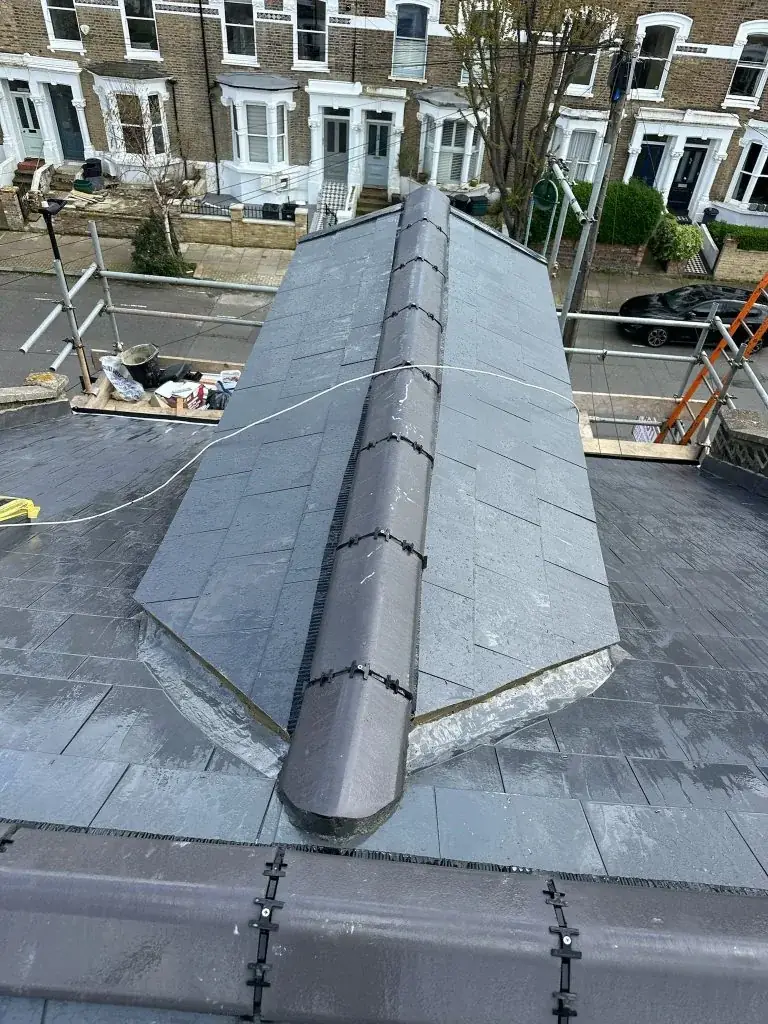
- 02Work to suitable roof coverings, ridges and associated details where specified.
- 03Flashing, abutments and rainwater junctions considered alongside the covering.
- 04Roof alterations coordinated with loft-conversion design and structural requirements.
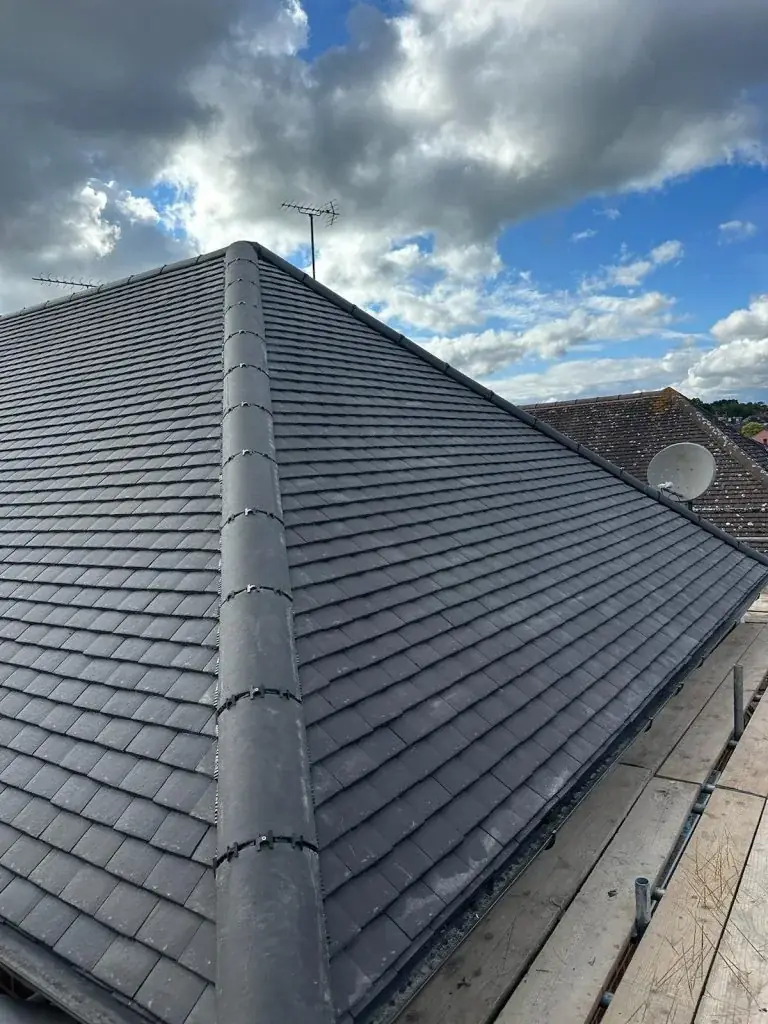
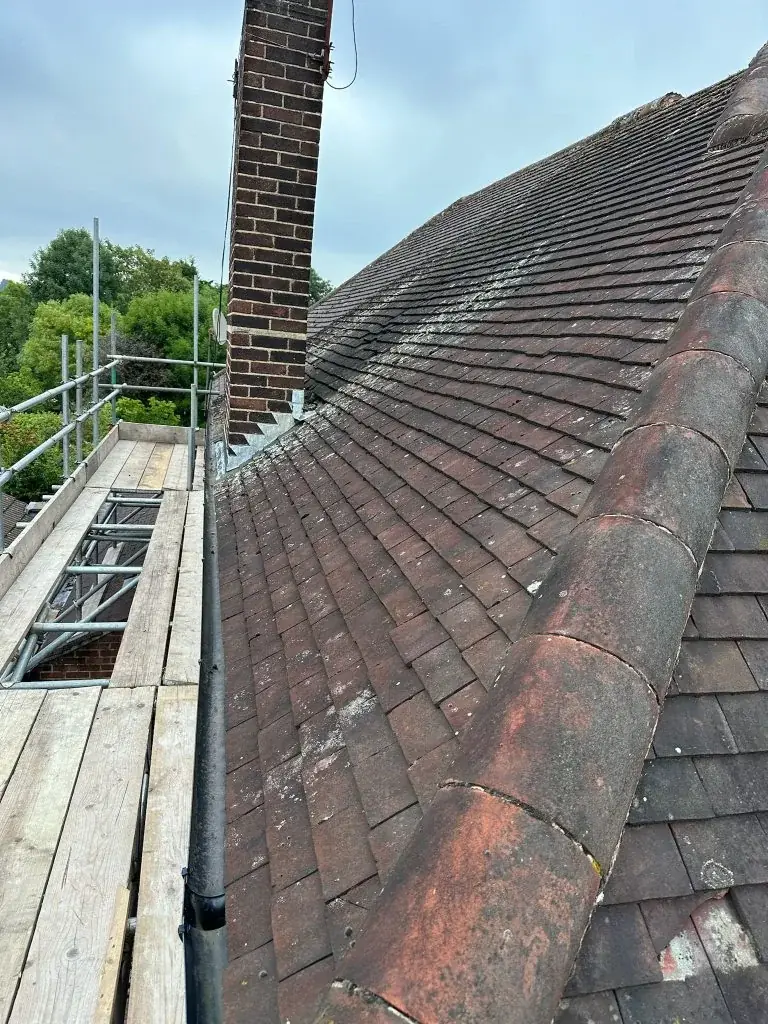
Why is a roof leak not always fixed by replacing tiles?
Because the water may be entering at a flashing, abutment or junction rather than through the tile itself. The defect should be traced to its source before the repair method is chosen.
What should be checked before a reroofing job starts?
Check access, the roof’s condition, the likely extent of hidden deterioration and whether any consent or regulatory route is needed. That prevents surprises once the covering is opened up.
How does a loft conversion affect roofing decisions?
A loft conversion changes the roof’s role, because the structure, insulation and openings all become part of the same design. The roof work should therefore be coordinated with the conversion rather than planned as a separate afterthought.
Planning and project guidance
- Epping Forest District Council · Epping and Bell Common character guidance
- GOV.UK · Planning permission
- GOV.UK · Building regulations approval
- GOV.UK · Party walls and building work
Check the current guidance for your address before relying on a planning route. This guide is not a planning decision or a verified local case study.
Other services in Epping








