
Essex · County-wide enquiries
Gardensin Essex.
A garden should support the way the house is used, not sit as an afterthought. The main decisions are about levels, access, drainage and whether the outdoor space needs a social, practical or low-maintenance role alongside the building work.
- Service
- Gardens
- Coverage
- Essex
- County
- Essex
- Next step
- Discuss your project
Your project brief
Judge the garden by use, access and levels
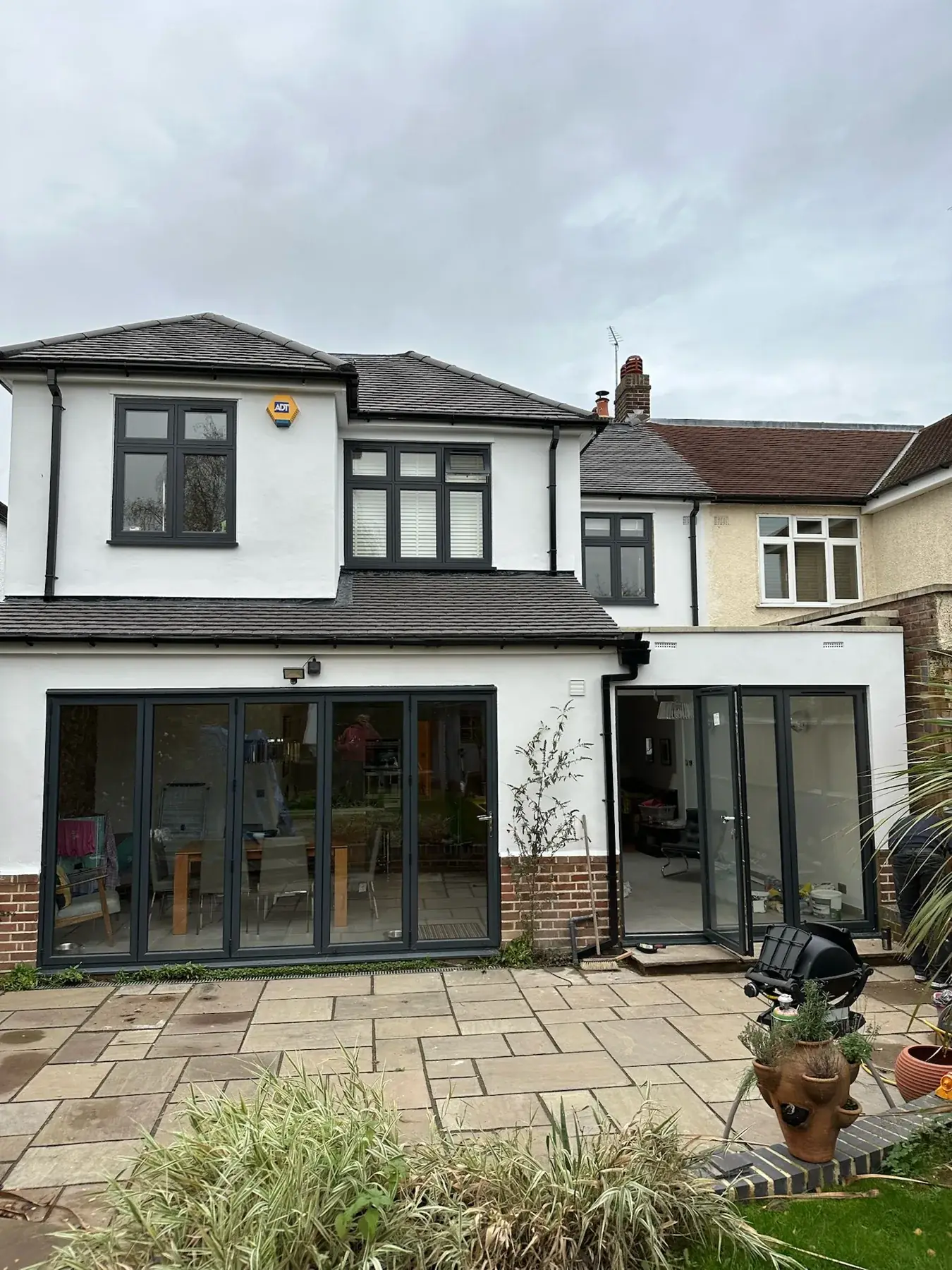
Before choosing hard landscaping or planting, decide how people will actually move through the garden. A seating area, path or patio needs enough room to work properly, but it also needs to connect well to the doors and rooms that open onto it. If the plot is tight, a smaller but clearer layout may be more useful than a larger one with awkward corners.
Where daylight and usable space compete, the question is often whether to keep a larger open area or create a more defined edge for sitting, storage or movement. For example, a possible brief might reduce lawn area slightly in order to gain a better terrace and a cleaner route to the house.
Essex checks before changing the outdoor space
DWM Construction welcomes garden enquiries across Essex, including Chelmsford, Brentwood, Epping, Colchester and Billericay. The county is a starting point only: use the exact address to check the correct planning authority and any site-specific restrictions or previous permissions before treating a nearby garden project as a reliable precedent.
Design decisions
Treat drainage and boundaries as design choices, not extras
Garden work is easier to live with when the surface water and finished levels have been thought through from the start. If the ground falls the wrong way, the finished space may feel awkward or shed water towards the house. The scope should show how levels, edging and drainage features relate to the rest of the project.
Boundary features also need clear agreement. Fencing, gates and similar work should only be set once access and ownership are understood, because their position affects both privacy and the practical use of the garden. It is better to settle those lines before the material order is placed.
Design checks
Four things we confirm before drawing garden improvements.
- 01Decide how the garden will be used before choosing materials.
- 02Check levels and drainage so water does not run the wrong way.
- 03Confirm boundary lines, access and ownership before fixing fences or gates.
- 04Agree any ground preparation and making good after building work.
What matters more in a garden project: appearance or usability?
Usability should come first. A tidy finish is useful only if the space also works for walking, sitting, storing or entertaining. The best designs make the movement and the maintenance as straightforward as the look.
How do I know whether to keep more lawn or more hard landscaping?
Think about how you will use the space week to week. If you need somewhere to sit, eat or move furniture, more hard landscaping may help. If soft planting and open green space matter more, the layout should leave room for that.
Why is drainage part of the design rather than a later detail?
Because levels and water movement affect where the final surfaces can sit. If drainage is left too late, the finished garden may hold water or force awkward steps and edges. Good planning prevents those problems before materials are fixed down.
Planning and project guidance
- GOV.UK · Planning permission
- GOV.UK · Building regulations approval
- GOV.UK · Party walls and building work
Check the current guidance for your address before relying on a planning route. This guide is not a planning decision or a verified local case study.
Other services in Essex








