
Essex · County-wide enquiries
Roofingin Essex.
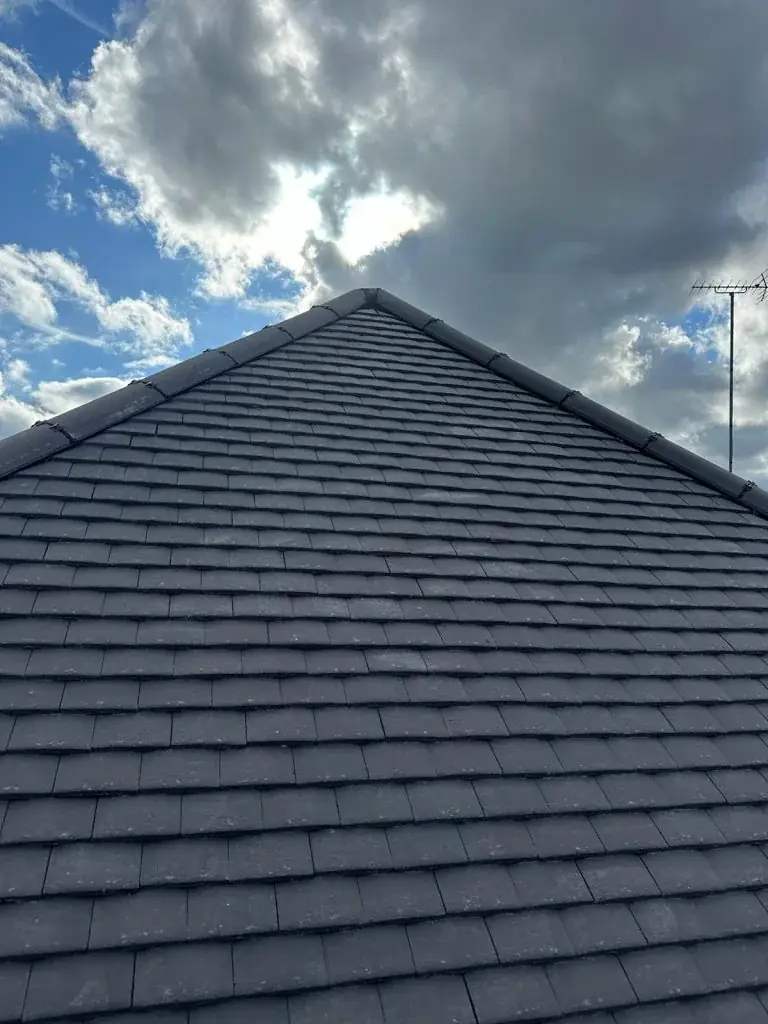
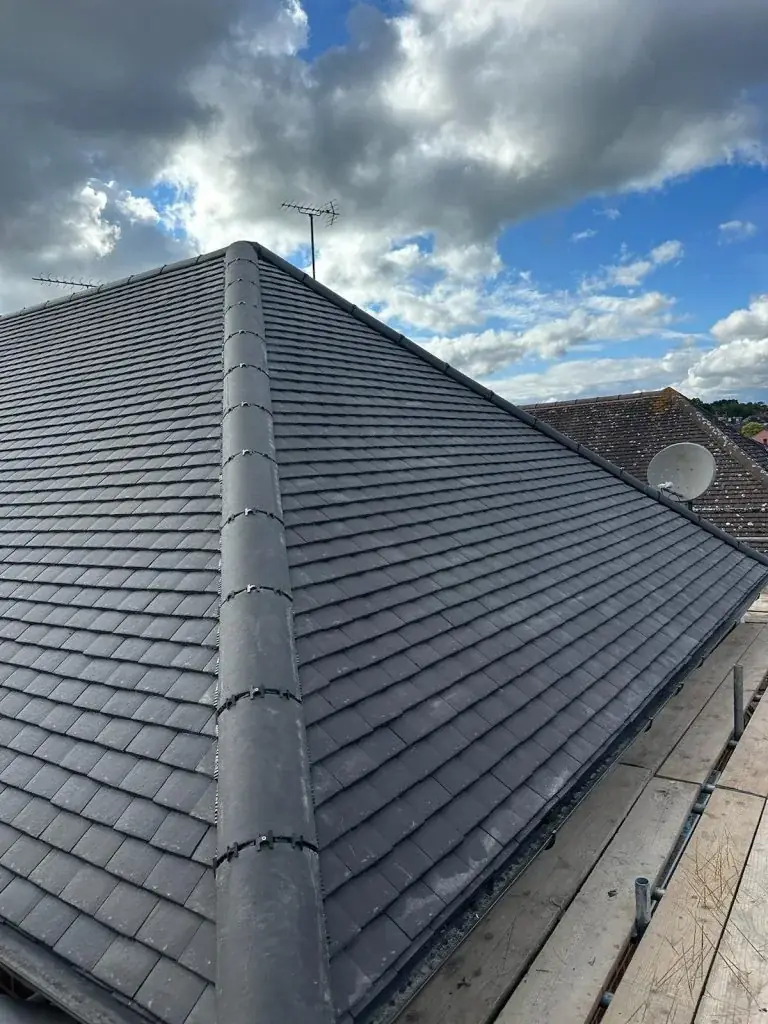
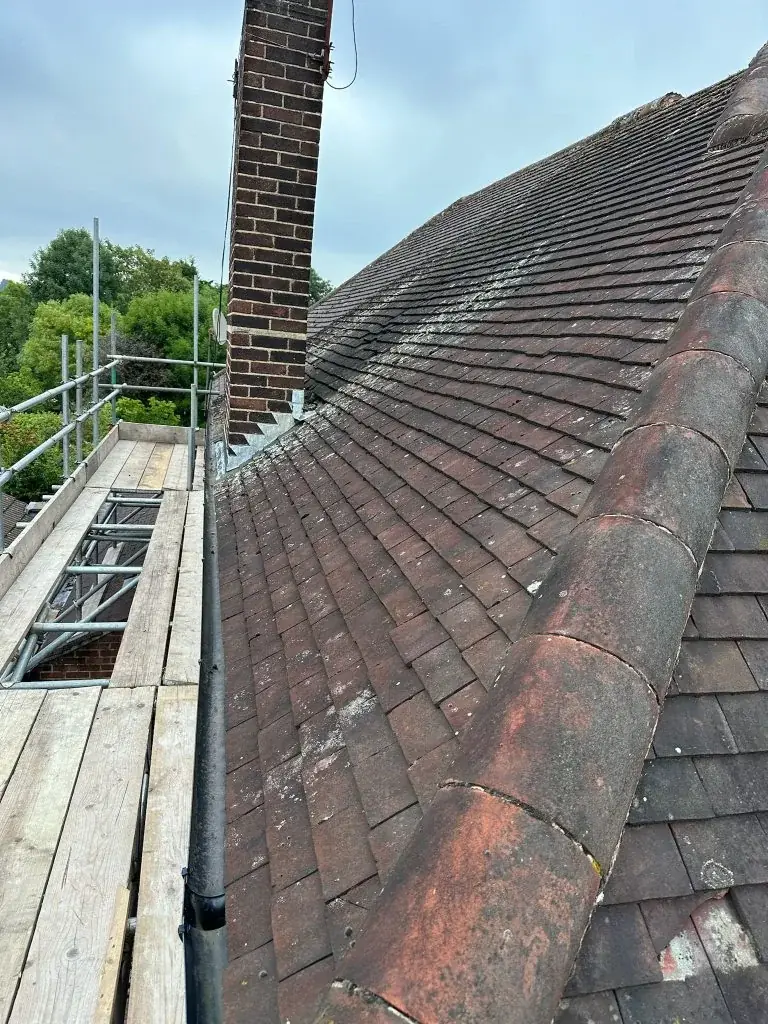
Roofing decisions are not just about the visible tile or slate. A proper scope needs to identify whether the issue is a repair, a replacement or roof work linked to a loft conversion, because the cause of the problem may sit in the junctions or under the covering.
- Service
- Roofing
- Coverage
- Essex
- County
- Essex
- Next step
- Discuss your project
Your project brief
Decide whether the problem is local or part of a wider roof issue
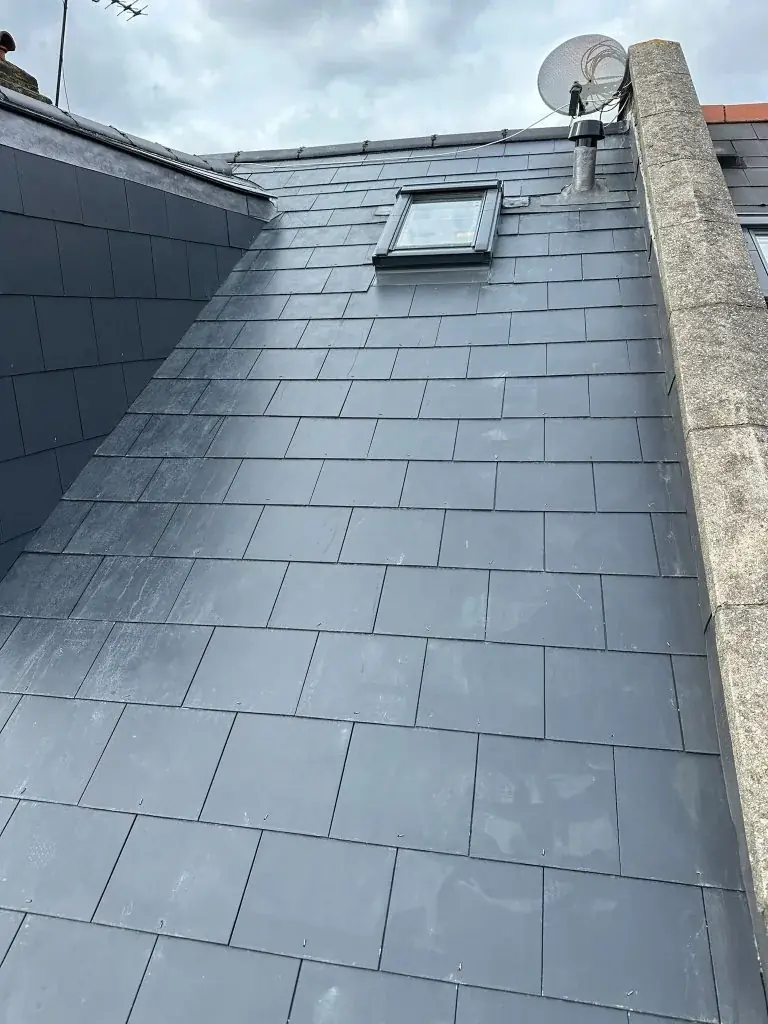
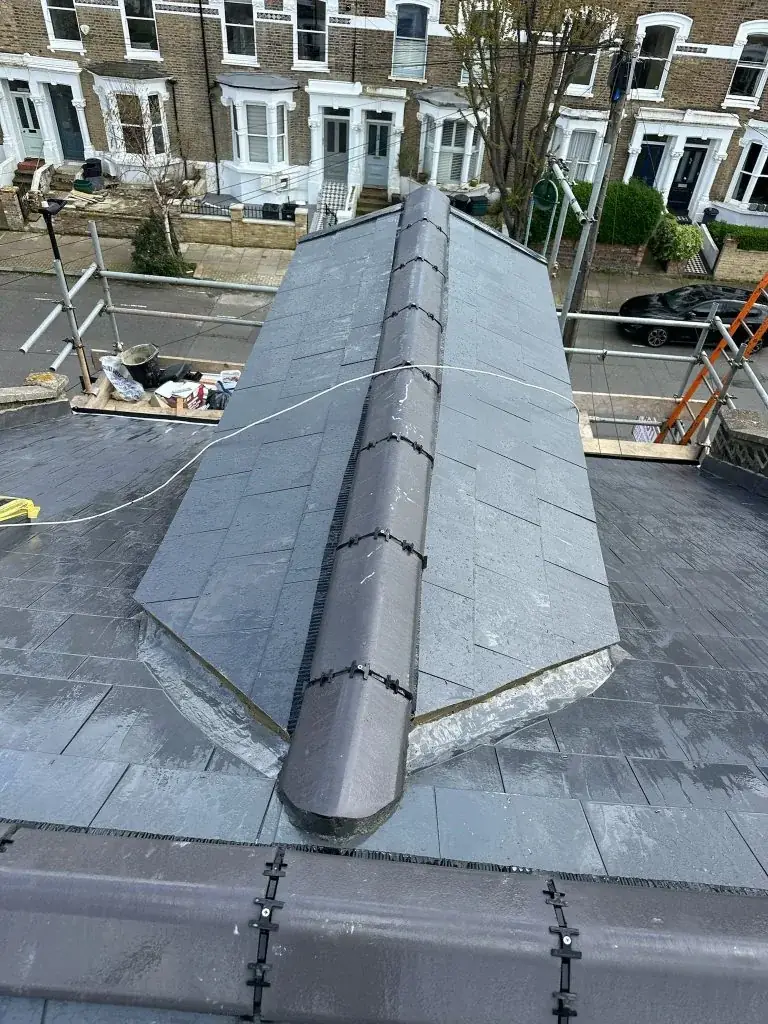
A damp patch does not always mean the covering directly above it has failed. A sensible roofing brief looks at ridges, flashings, abutments and rainwater junctions as well as the exposed surface. If the problem is localised, a repair may be enough; if the roof is generally tired, a broader approach may be more reliable.
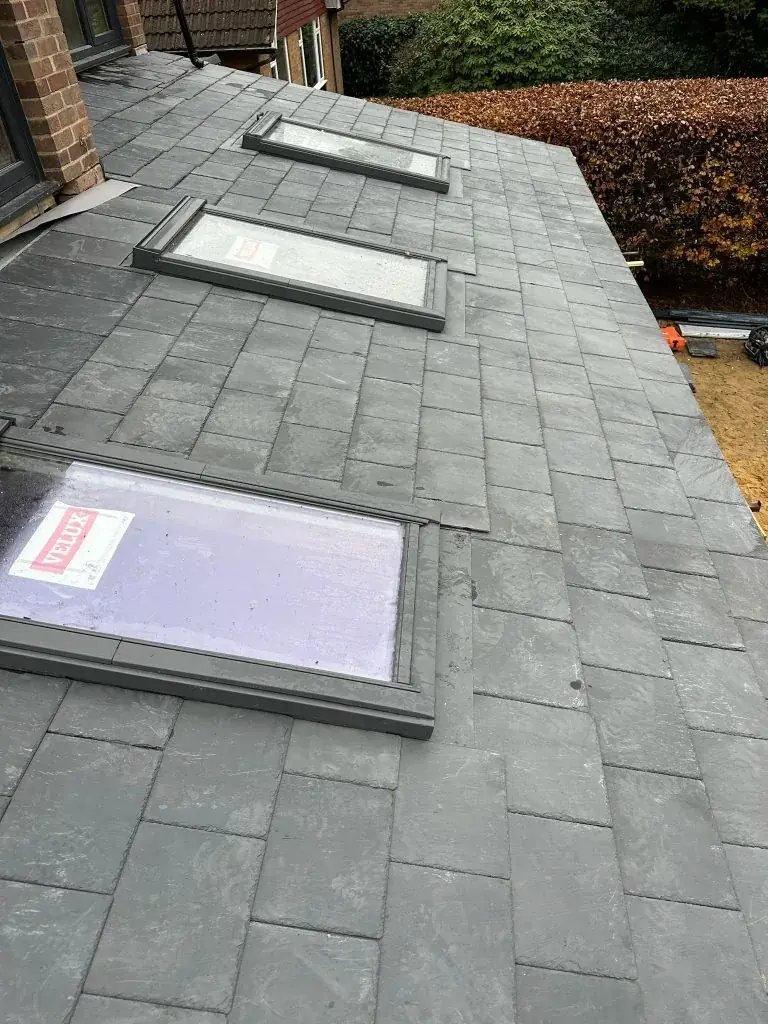
Where daylight and roof form compete, a smaller intervention may be wiser than opening up more of the roof than needed. For example, if the aim is to cure a leak rather than change the roof layout, it may be better to keep the scope focused on the failing junction instead of expanding into unnecessary alterations.
Essex checks before starting roof work
DWM Construction welcomes roofing enquiries across Essex, including Chelmsford, Brentwood, Epping, Colchester and Billericay. Use the exact address to identify the correct planning authority and any site-specific constraints before you assume the county name is enough. A nearby roof project does not prove the same route, permission history or roof structure applies.
Design decisions
Keep repair, replacement and conversion work separate
Roof repair, roof replacement and loft conversion are different scopes. That matters because the supporting structure, openings and weather protection may change depending on the job. If the roof is being altered for new use, the design and structural requirements should be agreed in advance rather than treated as a patch-up task.
Any combined roofing and loft scheme should also state what is included in access, temporary protection and making good. That makes it easier to price the work properly and avoids confusion when the roof is opened and the building has to stay weather-tight.
Design checks
Four things we confirm before drawing roofing work.
- 01Identify whether the issue is a repair, a replacement or part of a loft scheme.
- 02Check ridges, flashings, abutments and drainage junctions as well as the covering.
- 03Agree what access, protection and making good are included.
- 04Separate roof work from any loft-conversion structural changes.
Why is a leak not always caused by the tile above it?
Because water can travel along junctions, flashings or underlay before it appears inside. That is why roof work should look beyond the visible patch and check the surrounding details as well.
How do I choose between a repair and a replacement?
Start with the roof’s overall condition, not only the single fault. If the problem is isolated and the rest of the roof is sound, repair may be enough. If several elements are failing, replacement may be the more sensible long-term option.
What extra matters when roofing is linked to a loft conversion?
The roof opening, support and weather protection all have to work together. A loft scheme changes the roof’s role, so the scope should cover the structural and construction sequence, not only the external covering.
Planning and project guidance
- GOV.UK · Planning permission
- GOV.UK · Building regulations approval
- GOV.UK · Party walls and building work
Check the current guidance for your address before relying on a planning route. This guide is not a planning decision or a verified local case study.
Other services in Essex








