
Camden · North London
Doorsin Kentish Town.
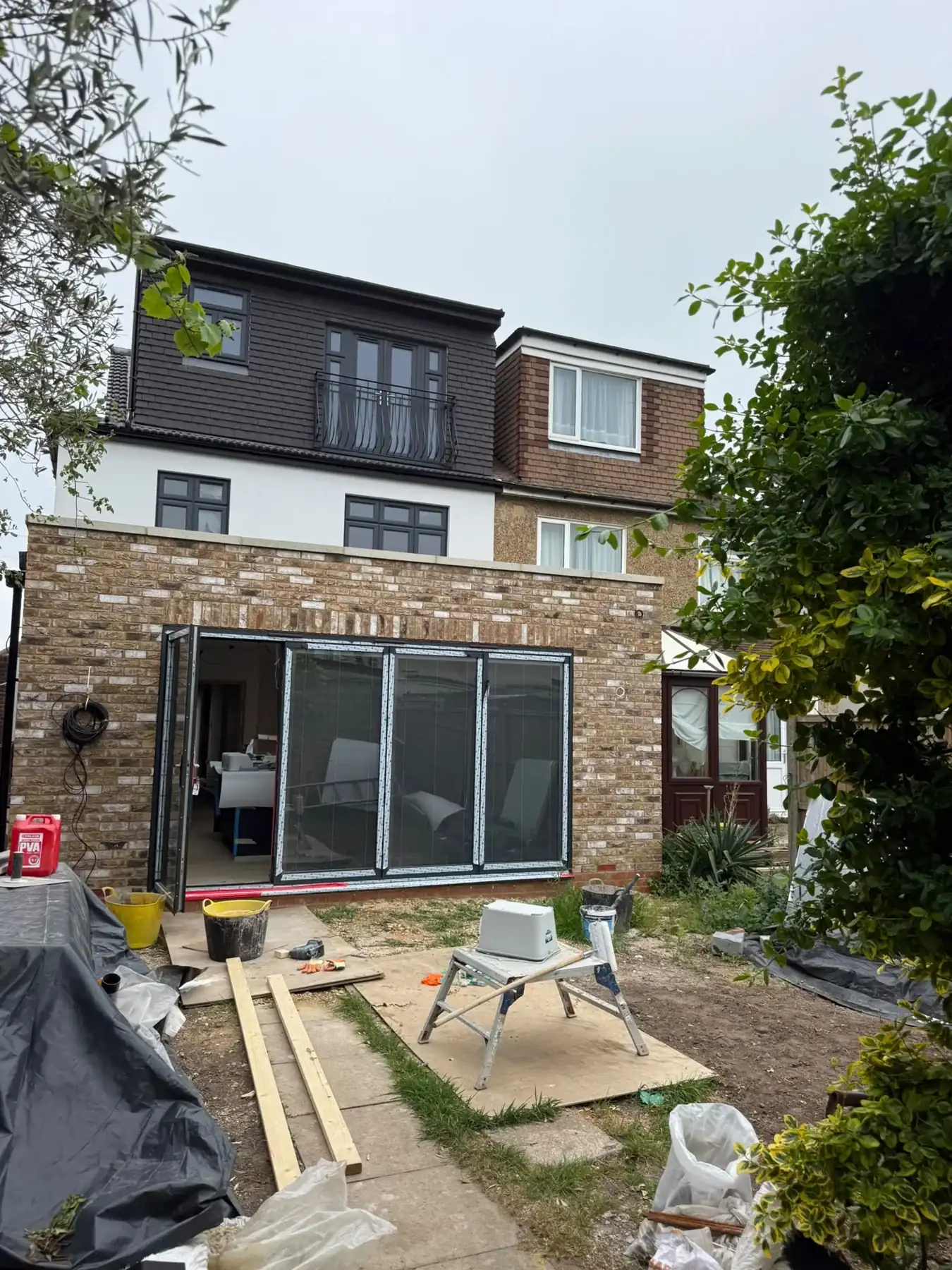
Door work looks simple until you consider the frame, the clearances, the finish around it and the purpose of the room. The best decision is whether the existing opening can be reused or whether the door and its surroundings need a fuller change.
- Service
- Doors
- Neighbourhood
- Kentish Town
- Borough
- Camden
- Next step
- Discuss your project
Your project brief
Decide what can stay and what needs changing
A door does not sit in isolation. The frame, lining, architraves and adjoining finishes all affect how well it works. If the existing frame is sound and the opening suits the new leaf, keeping it can reduce disruption; if not, a wider scope may be the better solution.
The door’s purpose matters too. A bedroom door, a utility door and an external door may need different hardware, clearances or performance considerations. That is why the brief should say what the door is for before the product is ordered or the opening is altered.
Kentish Town door and address checks
For Kentish Town, Camden is the search starting point, but the exact address must be checked if the door work affects the exterior or a heritage-sensitive part of the property. Camden’s Article 4 information shows that some areas have additional controls, and those apply by site rather than by neighbourhood label. If the opening is being altered, the wider approval route should be reviewed before work begins.
Design decisions
Match hardware and making-good to the use of the door
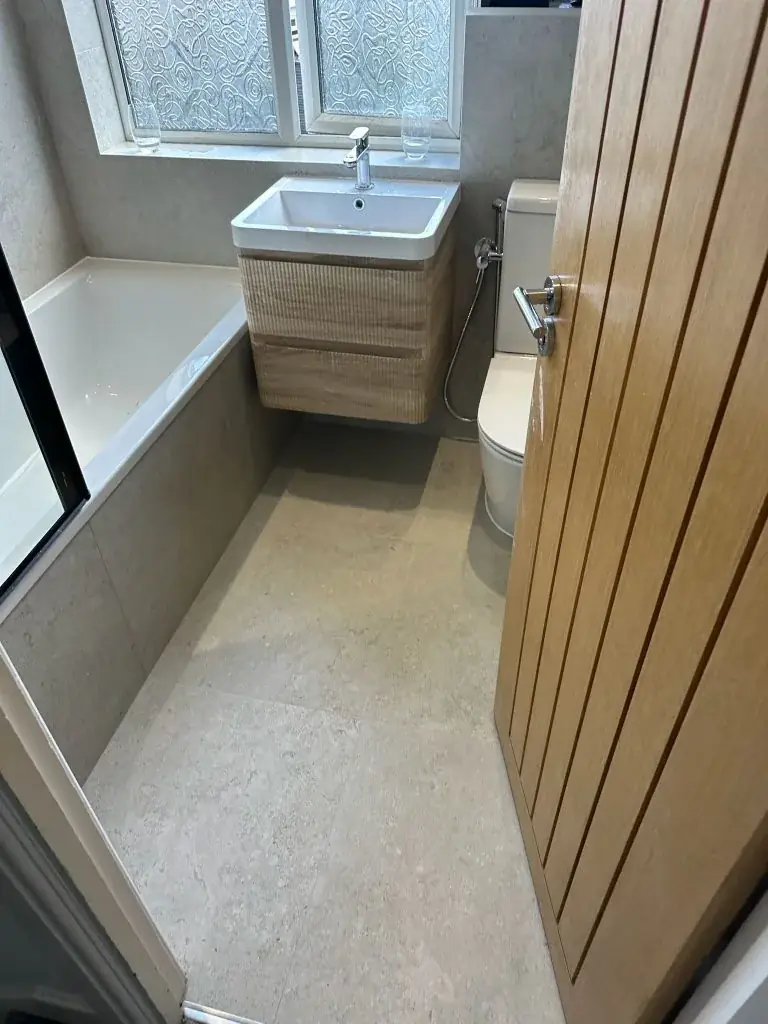
Handles, hinges and latches should be selected for how the door will be used, not just how they look. A heavier door or one used frequently needs hardware that suits the load and wear. Without that thought, even a neatly fitted door can feel awkward in use.
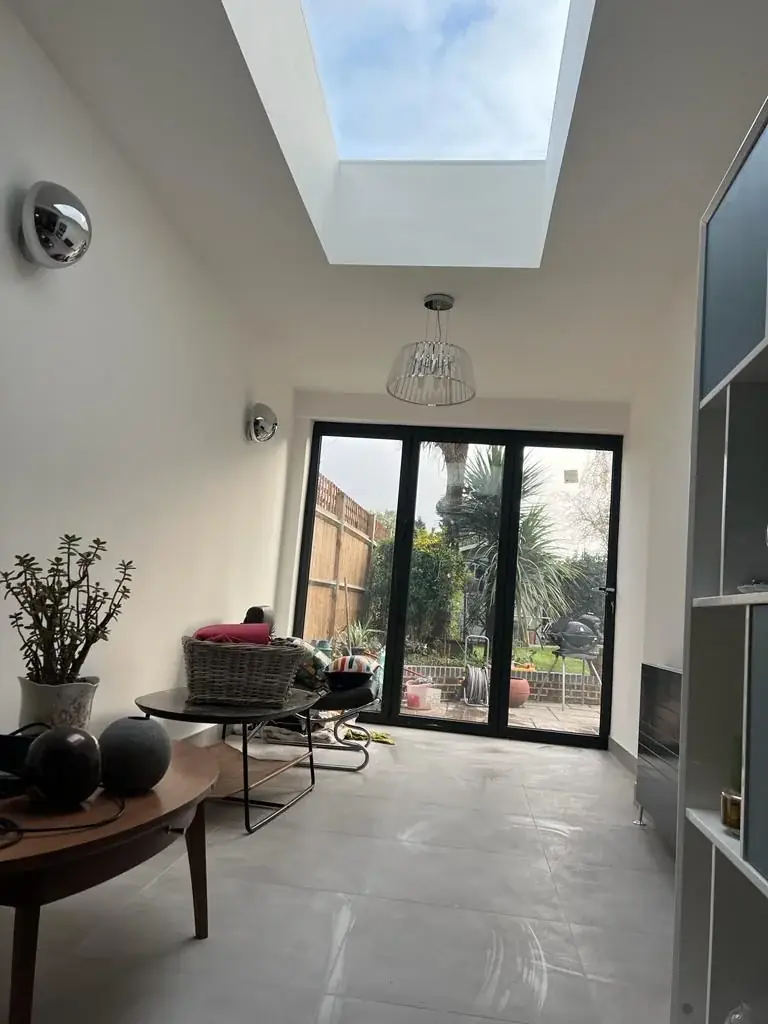
Where an opening is changed, the surrounding making good should be included in the scope. Otherwise the new door may be fitted but the surrounding wall and trim still look unfinished. Clear scope language avoids treating the door as just a leaf rather than a complete opening assembly.
Design checks
Four things we confirm before drawing door installation.
- 01Internal door replacement and fitting within an agreed joinery scope.
- 02Frames, linings, architraves and associated making-good where specified.
- 03Handles, hinges, latches and other hardware matched to the door’s intended use.
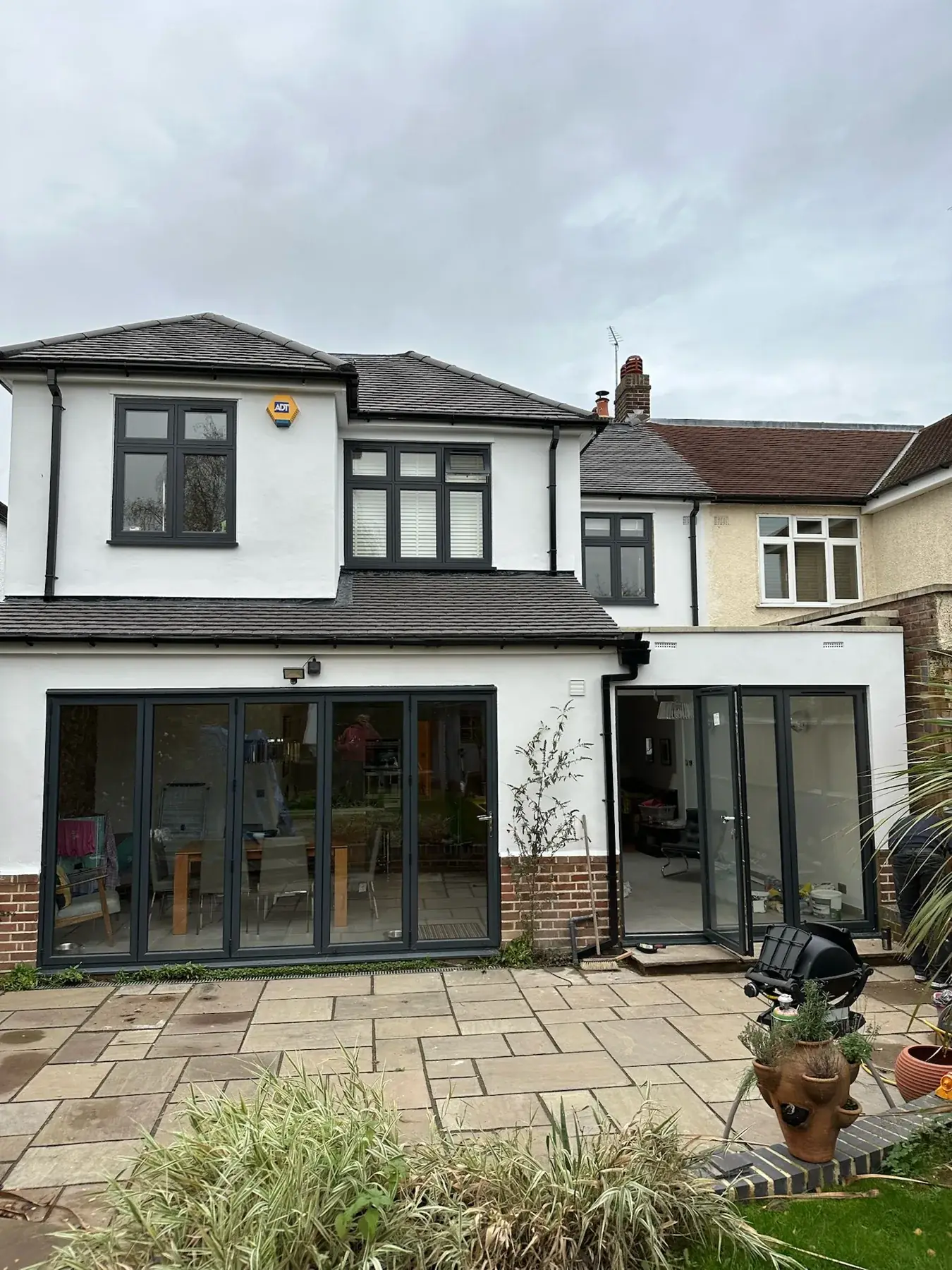
- 04External door or altered-opening enquiries assessed with the relevant installation requirements.

How do I know if the existing frame can be retained?
It needs to be sound, straight enough for the new leaf and suitable for the intended use. If it is damaged, poorly aligned or the wrong size, replacement may be a better option than forcing a poor fit.
Why does hardware selection matter so much?
Because hinges, latches and handles affect how the door feels and lasts. The wrong hardware can make the door drag, rattle or wear unevenly even if the carpentry is tidy.
What should be included if an opening is altered?
The door itself, the frame or lining if needed, and the making good around the new opening. That way the finished result is considered as one piece rather than a door fitted into an unfinished surround.
Planning and project guidance
- Article 4 Directions Heritage and conservation - Camden Council
- GOV.UK · Planning permission
- GOV.UK · Building regulations approval
- GOV.UK · Party walls and building work
Check the current guidance for your address before relying on a planning route. This guide is not a planning decision or a verified local case study.
Other services in Kentish Town








