
Camden · North London
Plumbingin Kentish Town.
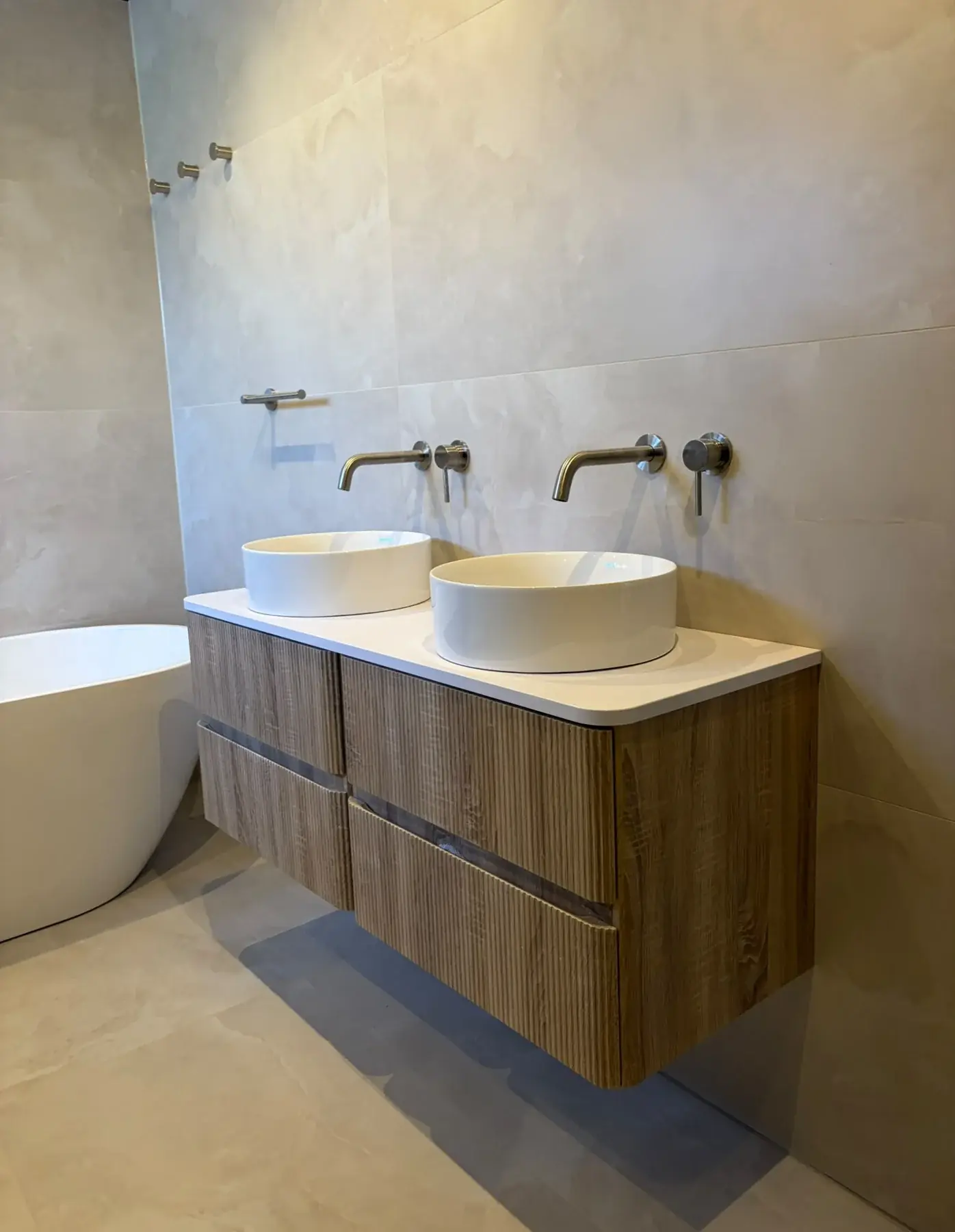
Plumbing decisions are easier when you first decide how the room should function. Moving fittings, adding a bathroom or changing a kitchen layout all affect pipe routes, drainage and access, so the visible fixture positions should not be settled in isolation.
- Service
- Plumbing
- Neighbourhood
- Kentish Town
- Borough
- Camden
- Next step
- Discuss your project
Your project brief
Design the pipework around the room layout
If you are shifting a sink, shower or WC, the real issue is how the new position fits the existing supply and waste routes. A neat layout on paper may be poor in practice if it creates awkward pipe runs or inaccessible joints. That is why plumbing should be coordinated with the room design early.
Accessible pipework matters too. If some of the existing system is staying, it should be assessed for condition and practicality. That helps decide whether you are replacing a visible fitting only, carrying out a broader alteration or investigating an issue within a defined scope.
Kentish Town pipework and approval checks
In Kentish Town, use Camden as the borough starting point but check the exact address before assuming anything about external controls or wider works. If the plumbing forms part of a renovation, the relevant approvals and consents should be sorted alongside the building work, not afterwards. Camden’s heritage pages also show that some areas have Article 4 directions, so site-specific checking is sensible where the job affects the building envelope or other regulated parts of the home.
Design decisions
Stage the work with the rest of the build
Plumbing is usually split between first-fix and second-fix stages. The first stage gets the routes in place before finishes are closed up; the second connects sanitaryware, taps and appliances. Clear sequencing avoids unfinished walls being opened again later because another trade needed access.
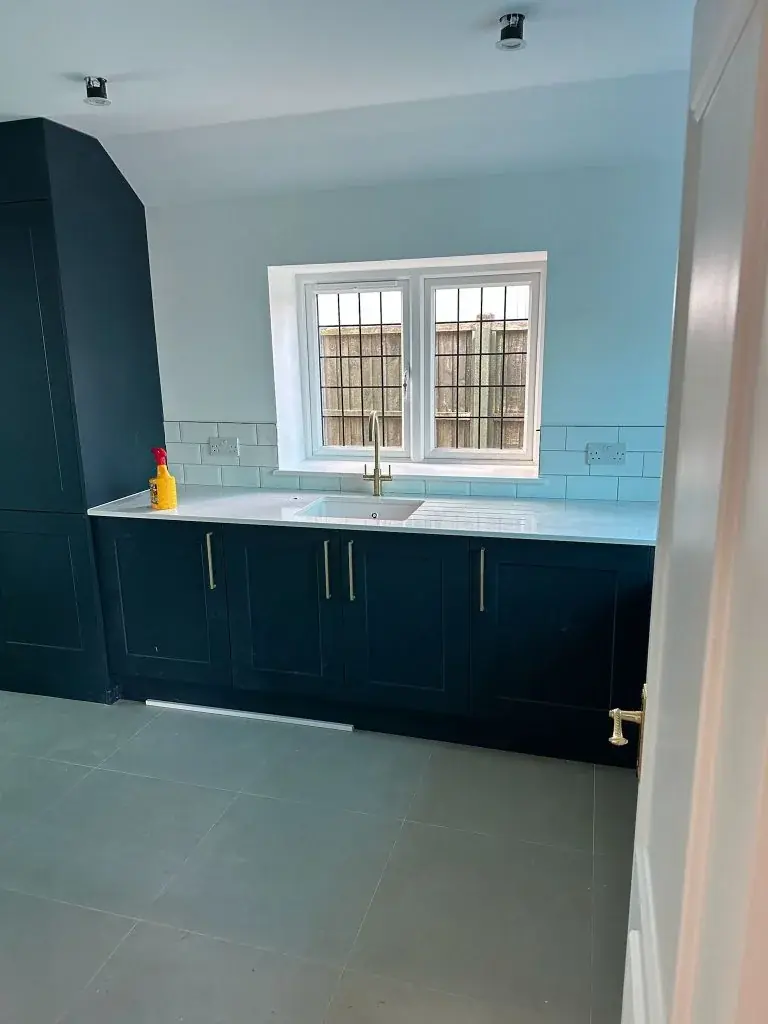
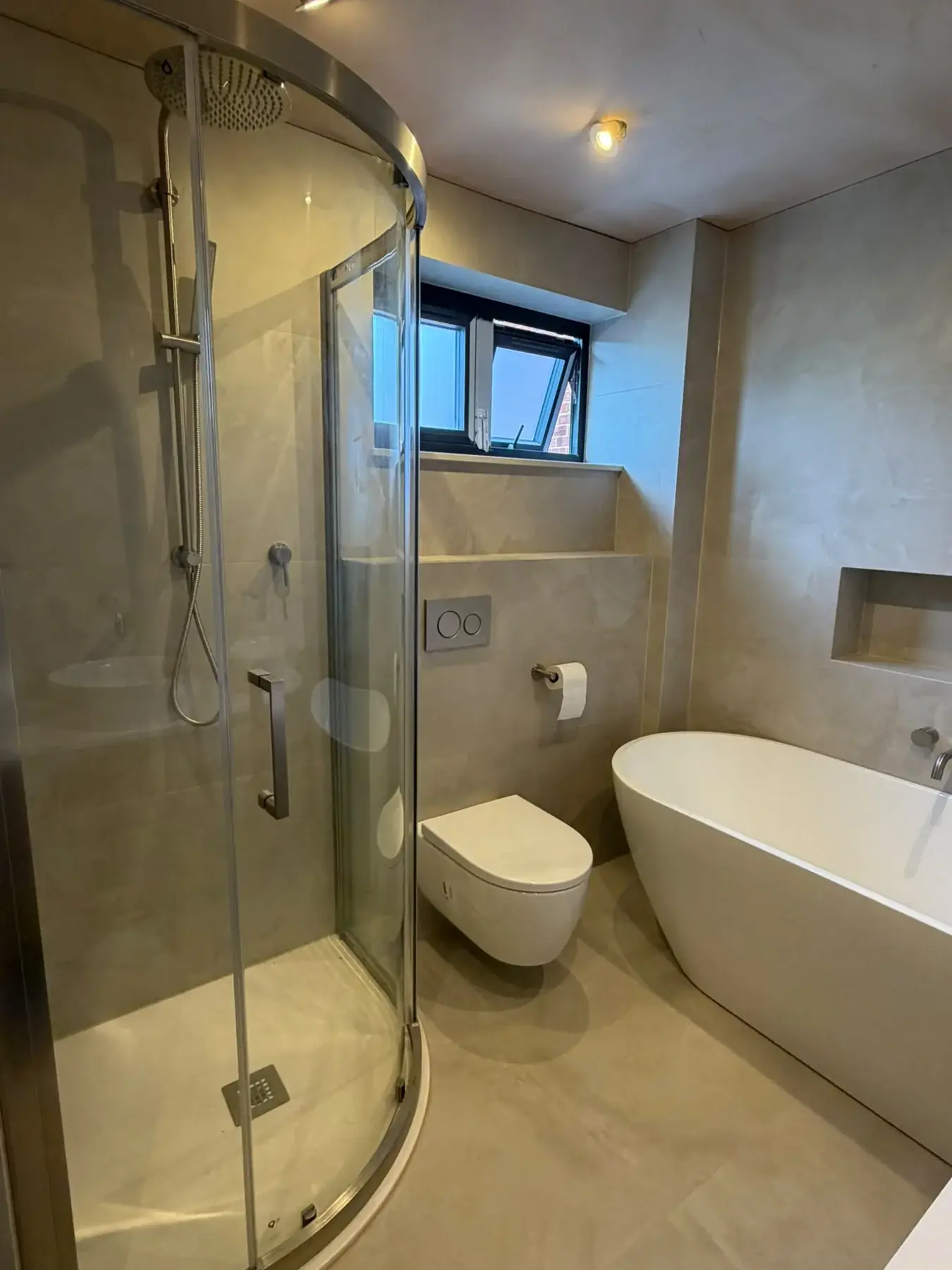
The scope should also say what is included around kitchens and bathrooms, such as water supply changes, waste pipe alterations and the installation of agreed fittings. When those details are separate from decorative finishes, it is easier to compare quotations and avoid assumptions about what is or is not included.
Design checks
Four things we confirm before drawing plumbing work.
- 01Water supply and waste pipe alterations for agreed kitchen and bathroom layouts.
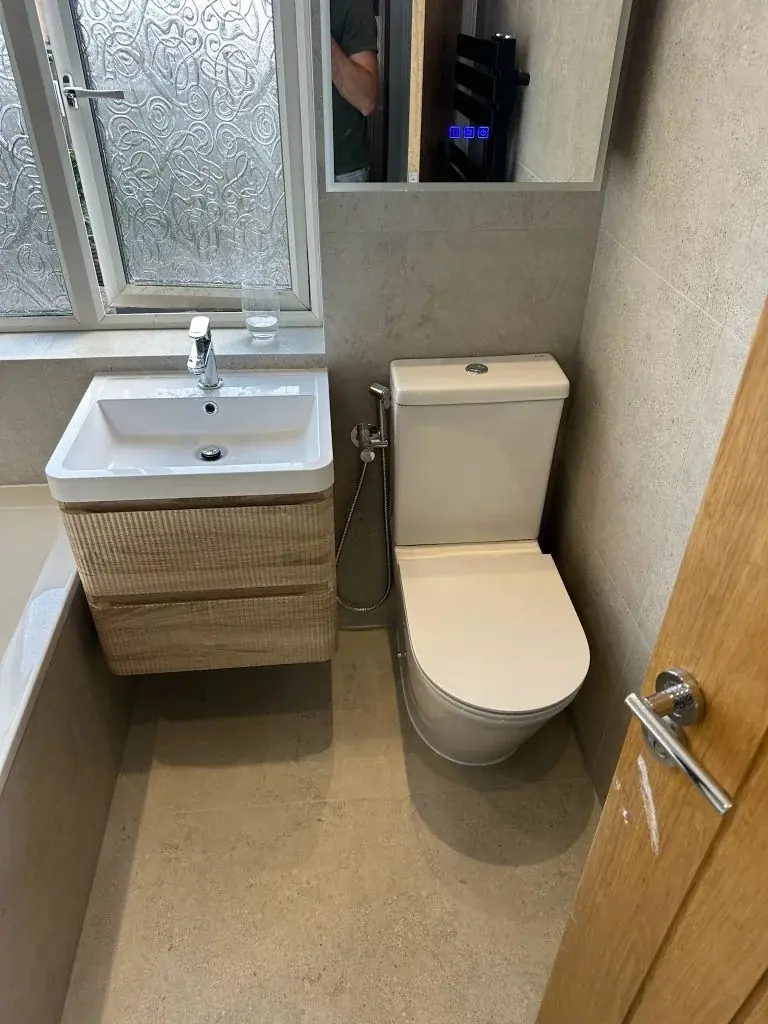
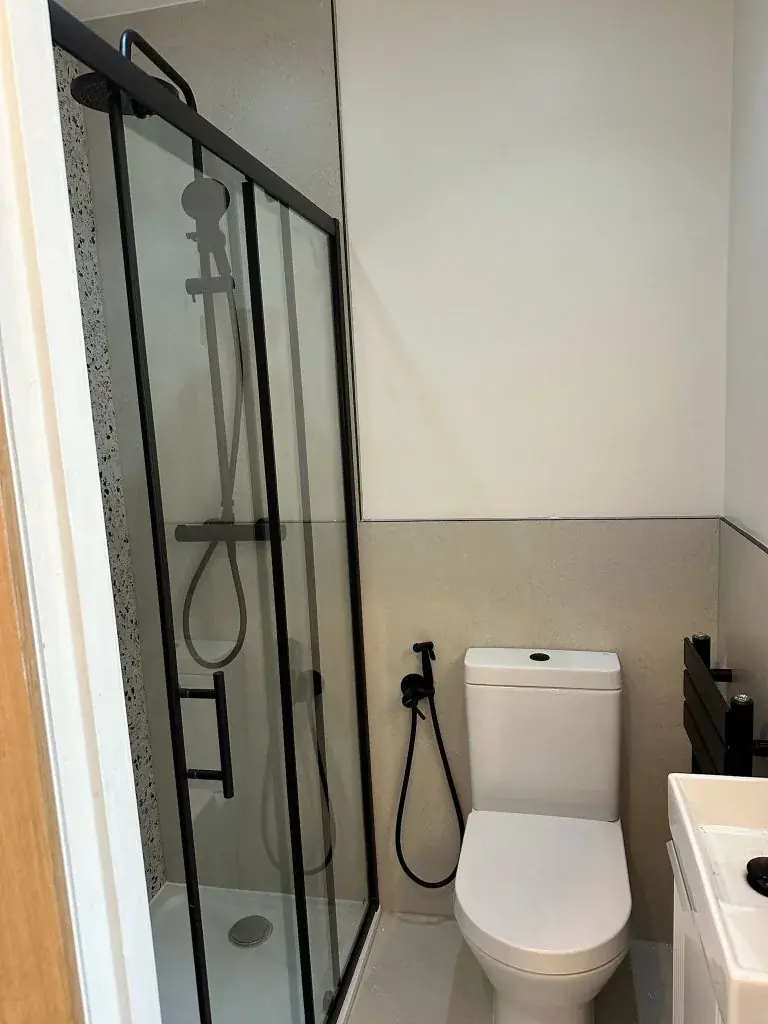
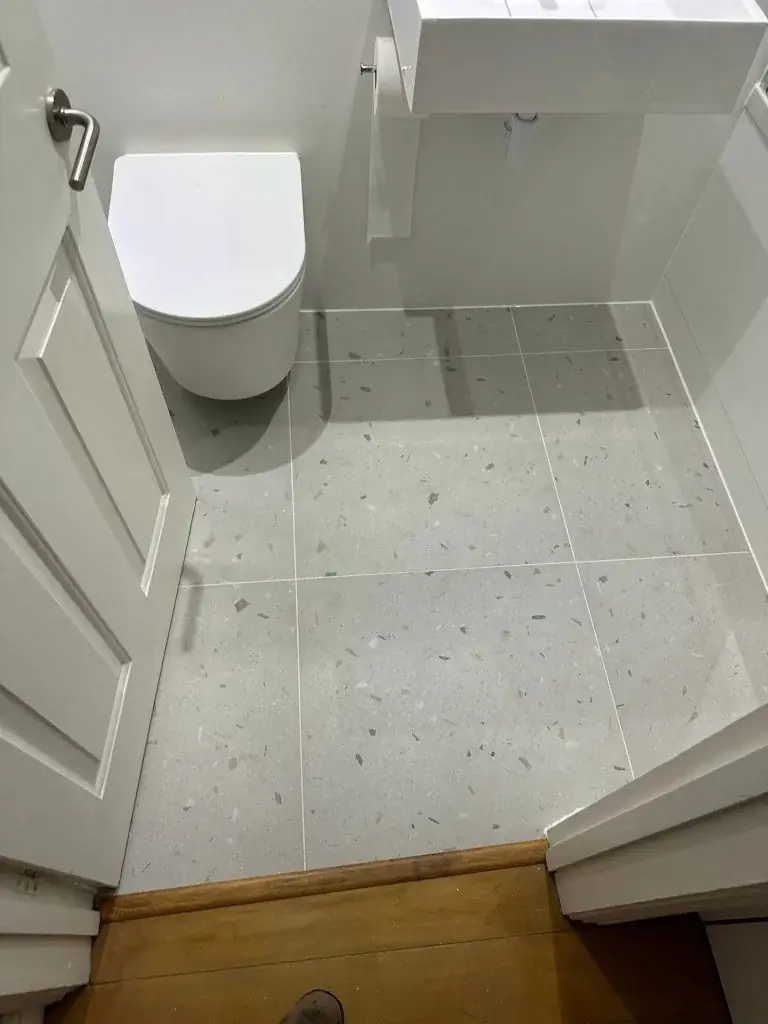
- 02Installation or replacement of sanitaryware, taps and associated connections.
- 03Plumbing first-fix and second-fix work coordinated with the surrounding building project.
- 04Assessment of accessible pipework and investigation of issues within an agreed scope.
Questions
Before you call about Kentish Town.
What should be settled before plumbing positions are fixed?
The room layout, storage, appliance locations and access requirements should all be clear first. That way the plumbing can support the way the room is used rather than forcing awkward routes later.
Why does pipe access matter if the pipes are hidden?
Because future maintenance and troubleshooting depend on it. If joints or valves are buried without thought, simple repairs can become invasive later, so access should be considered during design rather than after finishes are in place.
How should plumbing be scoped in a renovation?
State whether the job is first-fix, second-fix, a fixture replacement or an investigation of an existing issue. That keeps the quotation tied to actual work rather than assumptions about hidden pipe conditions.
Planning and project guidance
- Article 4 Directions Heritage and conservation - Camden Council
- GOV.UK · Planning permission
- GOV.UK · Building regulations approval
- GOV.UK · Party walls and building work
Check the current guidance for your address before relying on a planning route. This guide is not a planning decision or a verified local case study.
Other services in Kentish Town








