
Camden · North London
House renovationin Kentish Town.
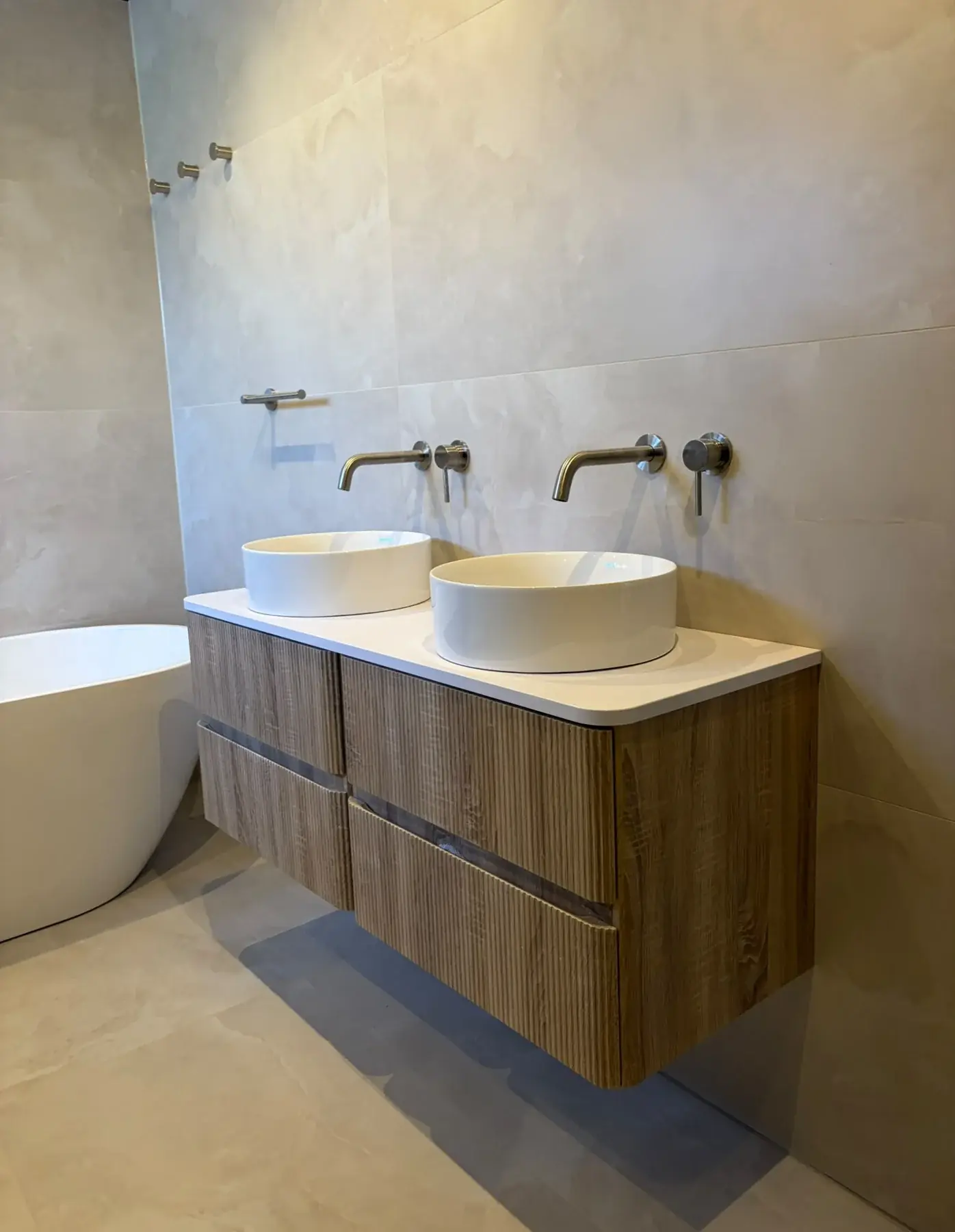
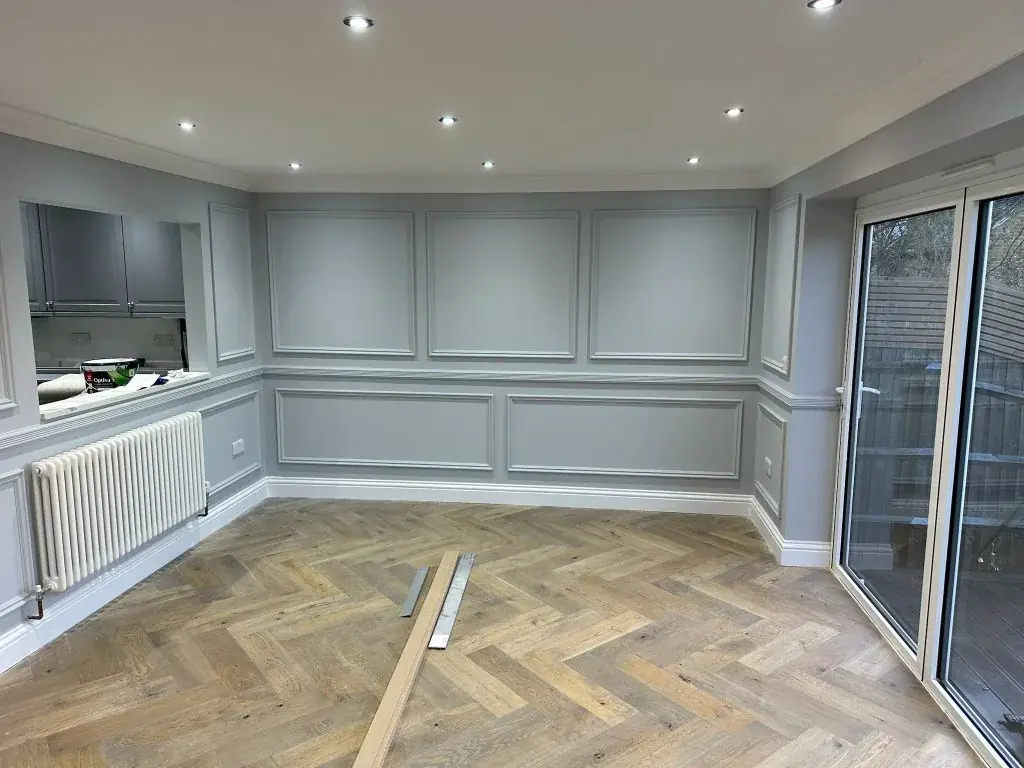
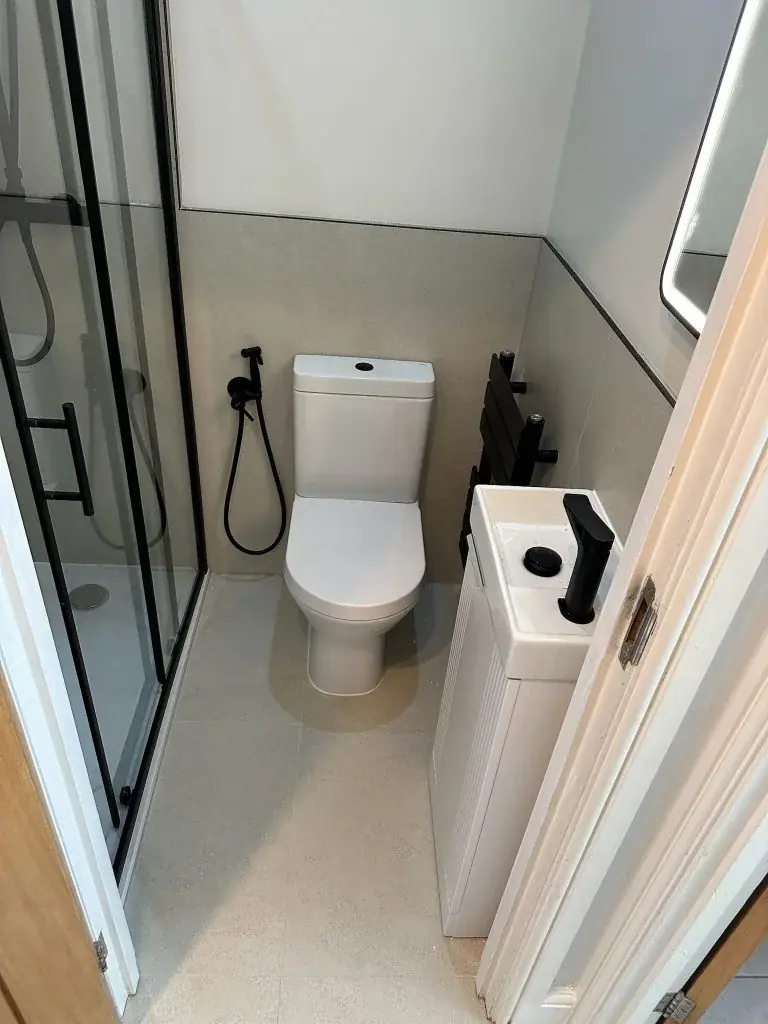
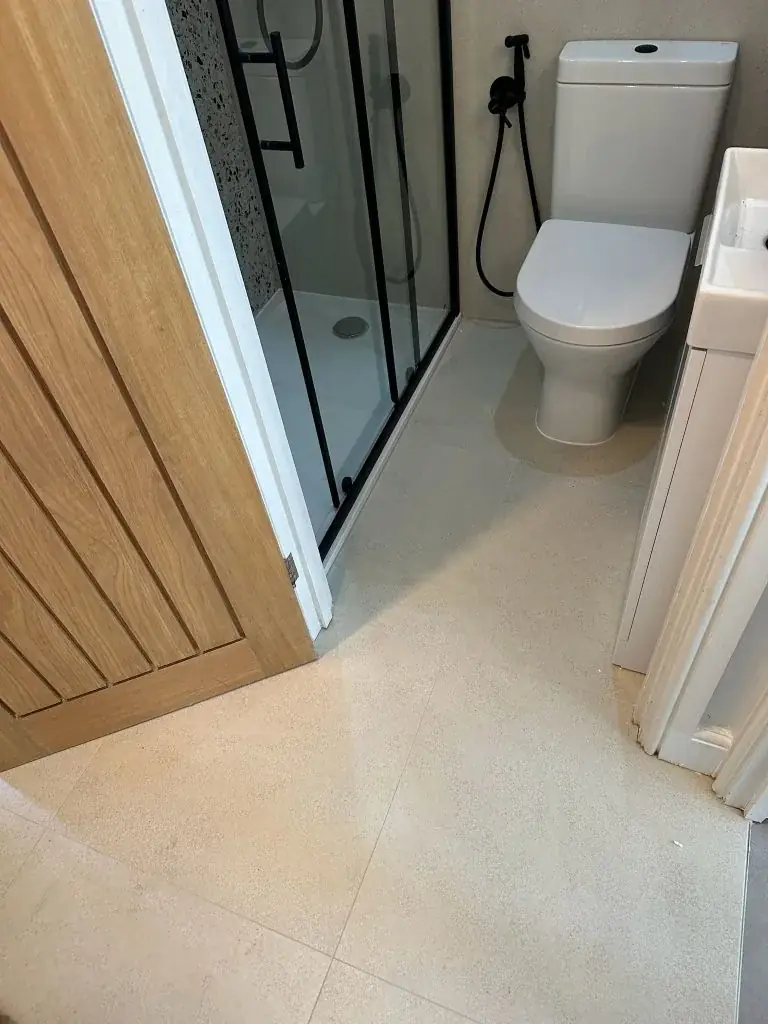
A renovation works best when the house’s existing problems guide the brief, not the other way round. In Kentish Town, the key choices are usually what to keep, what to open up and how to sequence work so structural, service and finishing decisions support each other.
- Service
- House renovation
- Neighbourhood
- Kentish Town
- Borough
- Camden
- Next step
- Discuss your project
Your project brief
Start with the building you already have
A good renovation begins with a clear record of defects and previous alterations. That means checking cracks, uneven floors, patched openings, old pipe routes and anything that has been altered before. Those findings shape whether the work is a straightforward refresh, a partial rebuild or a more involved programme.
If you skip that stage, later changes can become guesswork. A wall may look suitable for a new opening, but a survey and design review should confirm what it is doing structurally, where services run and whether the proposed change affects the rest of the room plan.
Kentish Town local check points
For Kentish Town, Camden is the borough search starting point, but the exact address still has to be checked before any assumption is made about planning or heritage controls. Camden’s Article 4 pages show that some conservation areas in the borough have directions removing certain permitted development rights, with the details varying by area and sometimes by specific properties. That means the site, not the neighbourhood name alone, decides the route.
Design decisions
Keep layout, services and finishes in the right order
Renovation scope should separate structural work, service upgrades and decorative finishes. That avoids asking one trade to work around another’s assumptions. It also helps when you need to decide whether to improve heating, electrics, plumbing or insulation before you spend money on surfaces that might be disturbed later.
Think too about occupancy and access. If you are living in the property, some rooms may need to stay usable while others are closed off. The written scope should state what is excluded, what records are needed at handover and which approvals or consents must be in place before work starts.
Design checks
Four things we confirm before drawing a house renovation.
- 01Record existing defects and previous alterations.
- 02Separate structural changes, service upgrades and decorative work.
- 03Discuss occupancy, safe access and essential services during work.
- 04Agree investigation, approvals, exclusions and handover records in the written scope.
Questions
Before you call about Kentish Town.
What should be surveyed before a renovation brief is fixed?
The survey should identify defects, altered walls, visible service routes, damp issues and any uncertain load-bearing elements. That gives you a practical basis for deciding what stays, what is opened up and what needs design input before pricing.
How do I avoid layout decisions being made too early?
Keep the early brief focused on uses, storage, circulation and services, not finishes. Once those are settled, you can confirm where openings, partitions and service runs belong without redesigning completed decoration.
Why does handover paperwork matter on a renovation?
It records what was actually done, what remains excluded and which product or installation information you may need later. That is useful if you plan future works or need to understand concealed changes after completion.
Planning and project guidance
- Article 4 Directions Heritage and conservation - Camden Council
- GOV.UK · Planning permission
- GOV.UK · Building regulations approval
- GOV.UK · Party walls and building work
Check the current guidance for your address before relying on a planning route. This guide is not a planning decision or a verified local case study.
Other services in Kentish Town








