
Westminster · Central London
Roofingin Paddington.
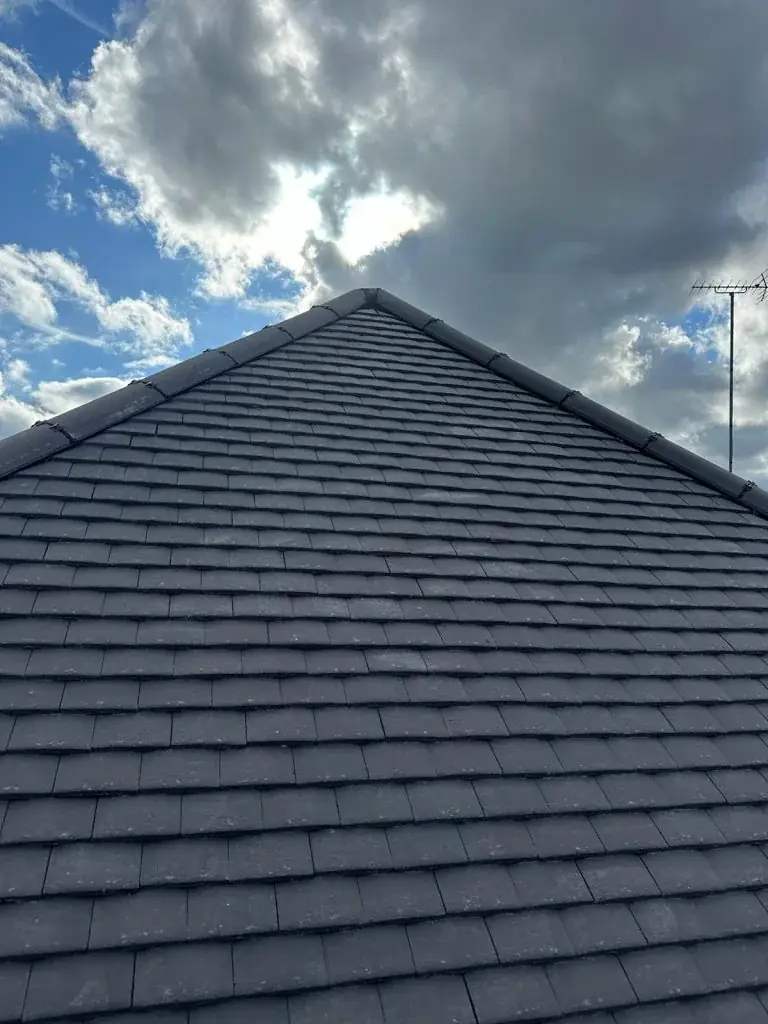
A roof defect is often seen in one place and caused in another. Good roofing work starts by tracing the water path, the junctions and the condition of the covering, rather than assuming the tile or sheet above the stain is the whole problem.
- Service
- Roofing
- Neighbourhood
- Paddington
- Borough
- Westminster
- Next step
- Discuss your project
Your project brief
Trace the cause before naming the repair
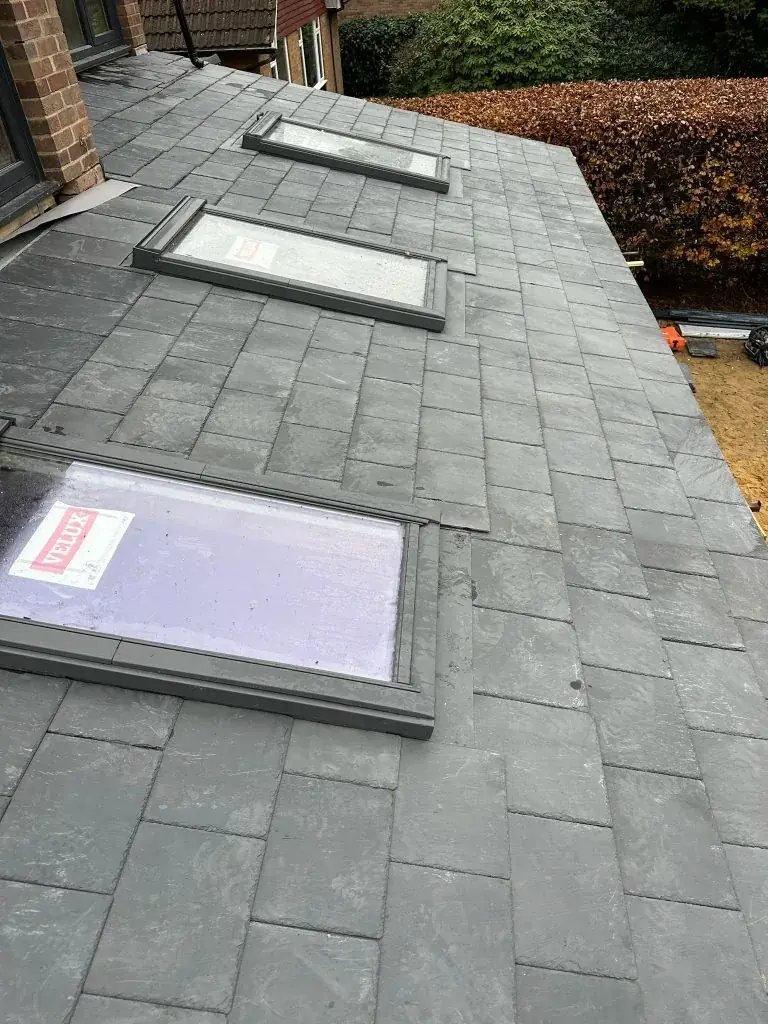
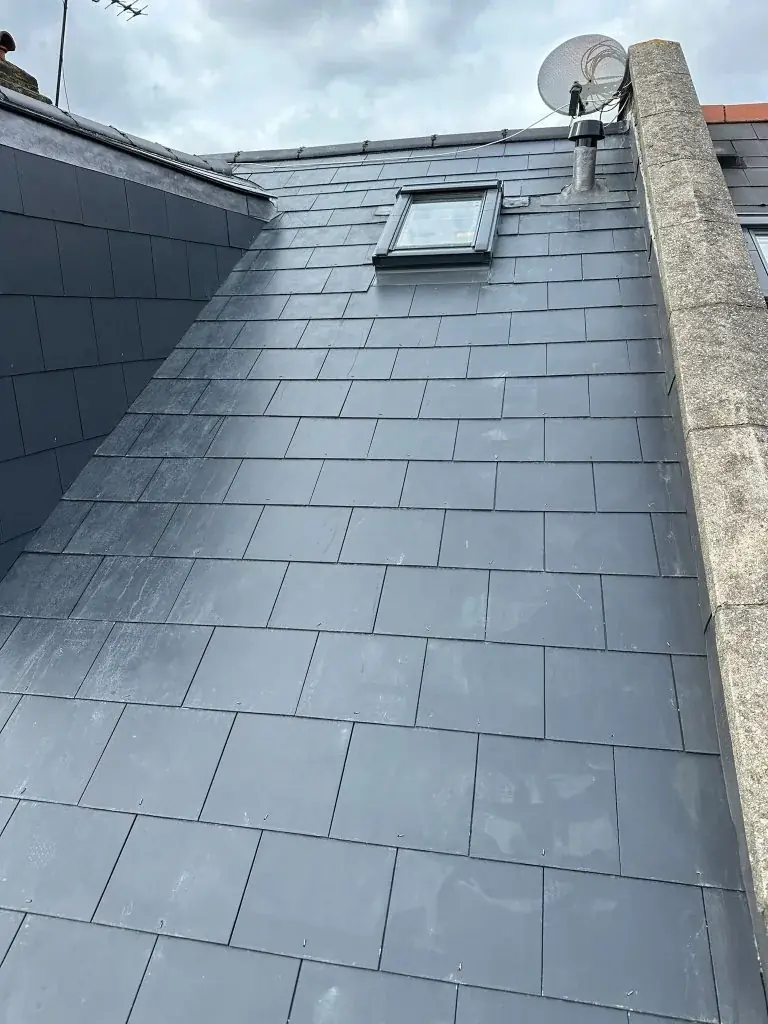
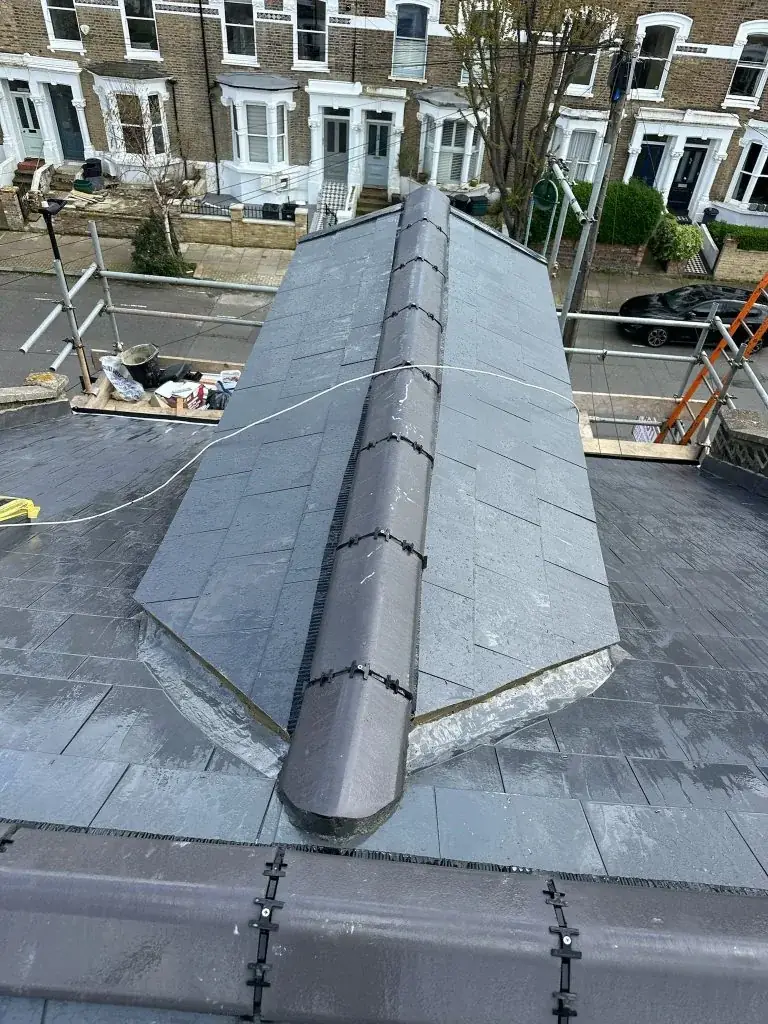
Drawings will not reveal cracked flashing, slipped coverings, blocked rainwater paths or failed junctions. A survey should look at the accessible roof areas and the nearby details so the scope can say what is being repaired and what remains to be checked if further opening up is needed.
Record those assumptions clearly. If the cause is not yet confirmed, say so in the scope instead of promising a single fix. That protects everyone from confusing a visible patch with a complete diagnosis.
Westminster checks for roof alterations in Paddington
Westminster’s householder checklist covers loft conversions, dormer windows and certain roof-related works among the projects that may need permission, and it asks for roof plans where roof work is involved. Additional documents may be needed where flood risk, heritage or structure are relevant. Exact address matters, because borough-wide guidance does not by itself prove what is required for every Paddington roof.
Design decisions
Consider how roof work affects the rooms beneath
Roof repair can influence the rooms below through access, dust, vibration and temporary protection. If the repair is linked to a loft conversion or larger refurbishment, the work may also affect insulation, ceilings and internal finishes beneath the roof structure.
Assess that impact by checking how the repair will be reached, what parts of the interior need protection and whether any separate reinstatement is needed. The most sensible repair is the one that resolves the cause while keeping the building usable.
Design checks
Four things we confirm before drawing roofing work.
- 01Inspect the accessible roof areas and junctions before a repair scope is fixed.
- 02Separate covering repairs, flashing work and any internal reinstatement.
- 03Check how the repair affects ceilings or rooms directly below the roof.
- 04Record any related loft-conversion or structural requirements in the brief.
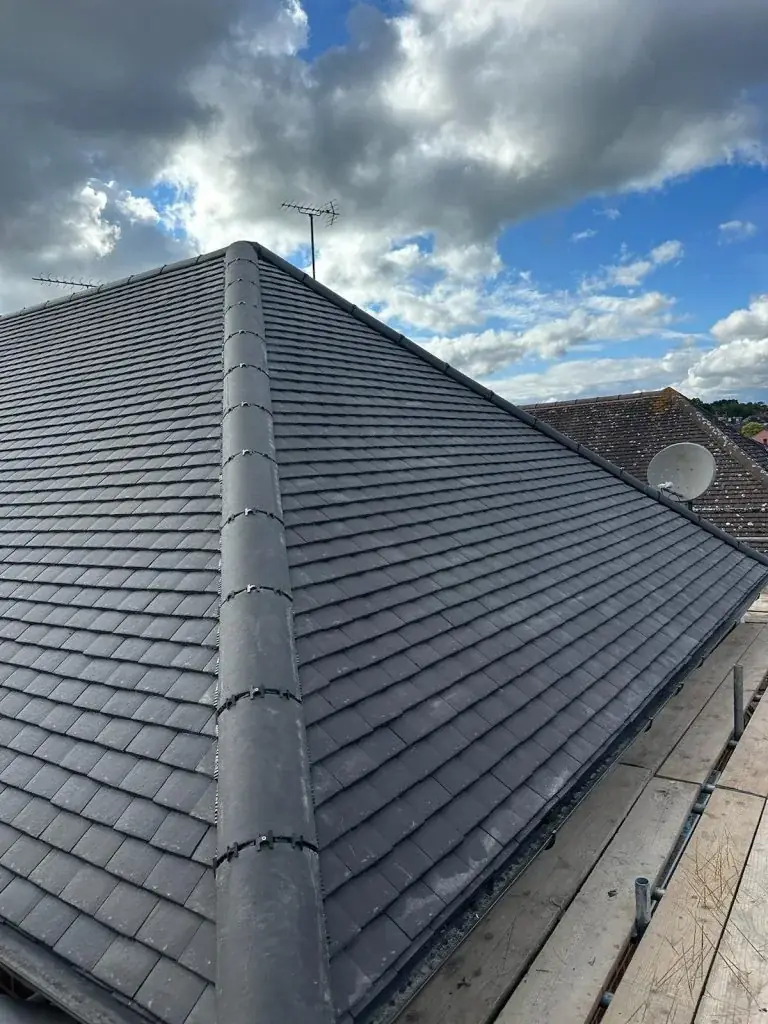
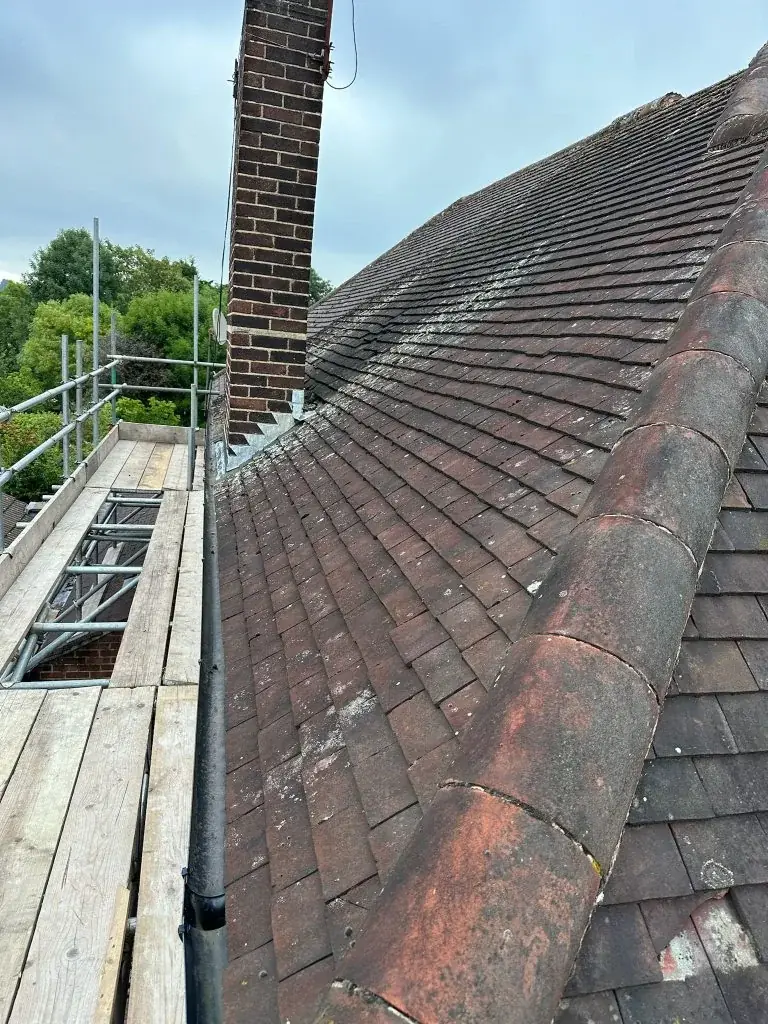
What is the main thing a roof inspection should prove?
It should help identify the cause of the problem, not just the visible symptom. That means checking coverings, junctions and drainage details so the repair responds to the source of the defect.
How do roofing works affect the rooms below?
They can create access needs, dust and vibration, and sometimes require internal protection or later reinstatement. If the roof work is more than a small patch, the rooms beneath should be part of the planning.
When should roofing and loft-conversion advice be considered together?
When the roof work is linked to creating space under the roof, or when structural changes are needed to support the alteration. In that case the roof repair cannot be planned in isolation from the wider design.
Planning and project guidance
- Householder application | Westminster City Council
- GOV.UK · Planning permission
- GOV.UK · Building regulations approval
- GOV.UK · Party walls and building work
Check the current guidance for your address before relying on a planning route. This guide is not a planning decision or a verified local case study.
Other services in Paddington








