
Westminster · Central London
Renderingin Pimlico.
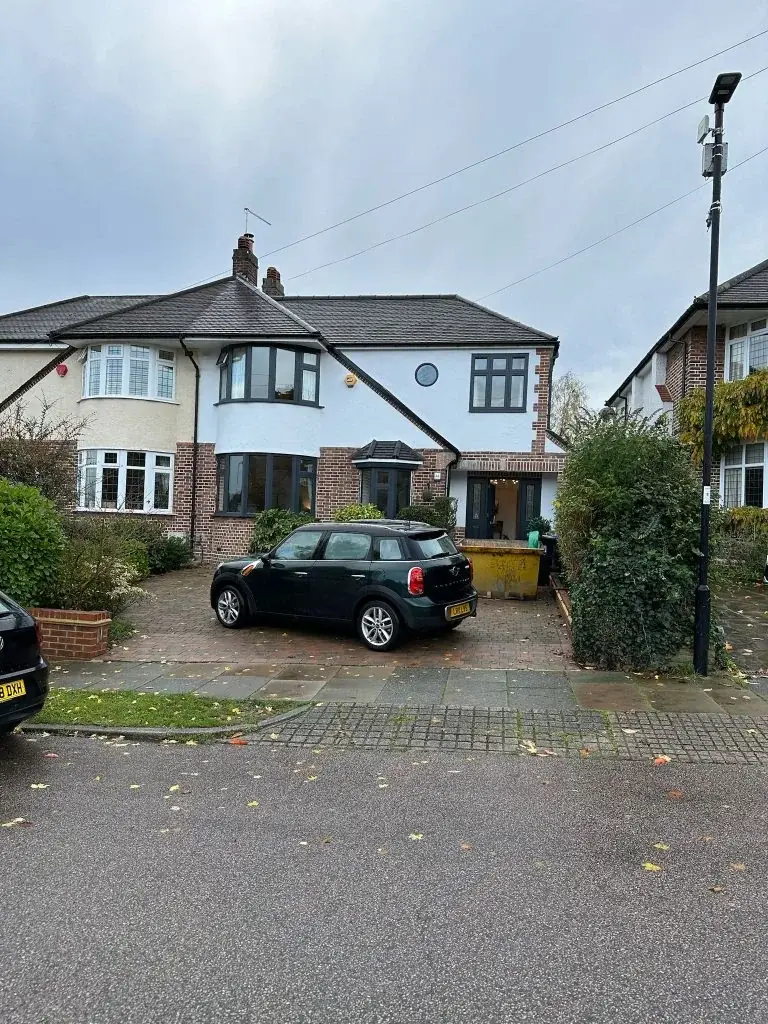
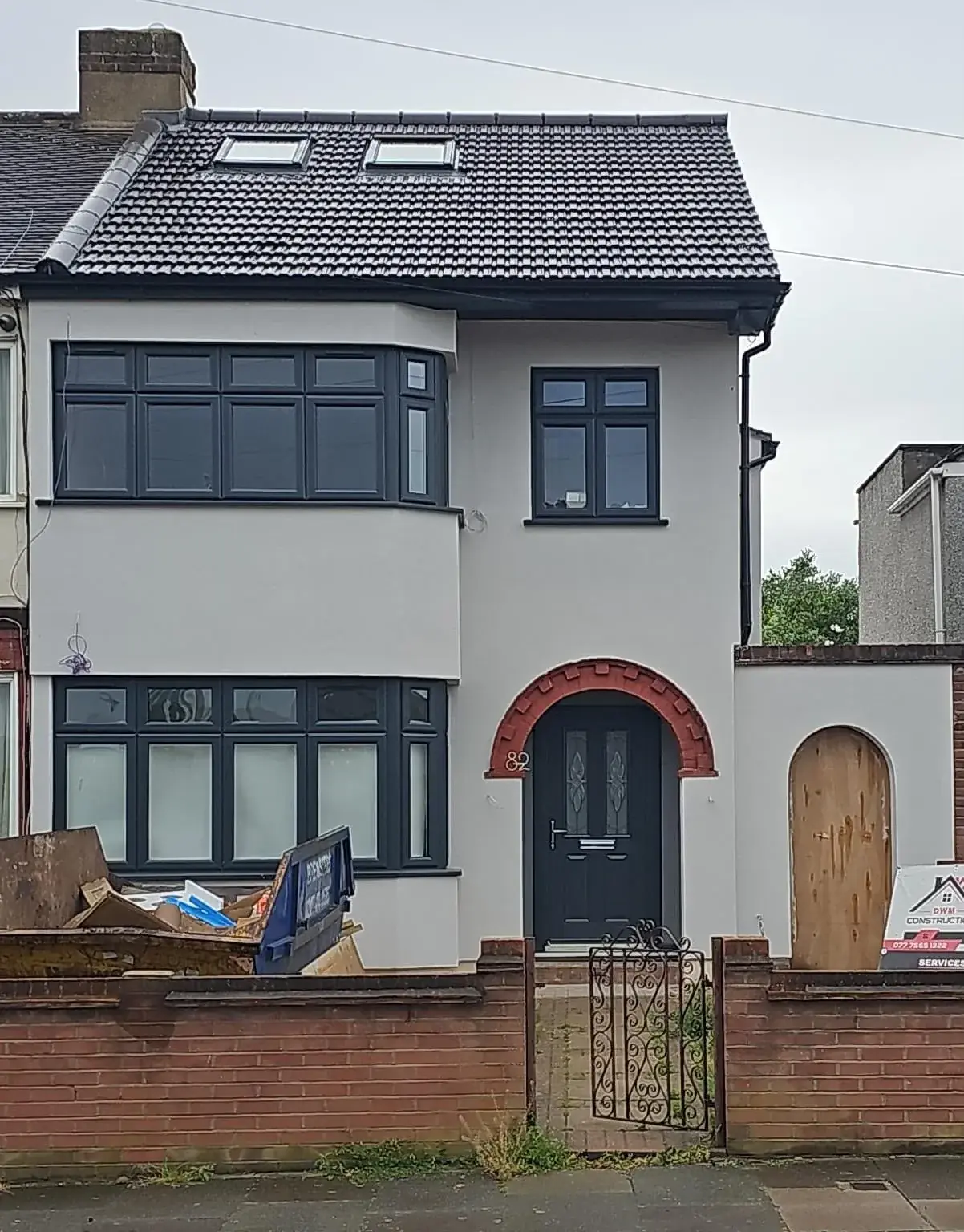
Rendering is not just a change of appearance. It must suit the wall beneath it, the junctions around windows and openings, and the condition of any existing finish. The right decision is about compatibility as much as the final look.
- Service
- Rendering
- Neighbourhood
- Pimlico
- Borough
- Westminster
- Next step
- Discuss your project
Your project brief
Check the wall background before choosing a render system
An external wall may look ready, but its construction and condition govern what render can safely do. If the background is weak, damp or incompatible with the planned finish, the result may crack or fail sooner than expected. The wall needs to be assessed before the system is chosen.
A survey should also identify whether the existing render can be repaired or whether it should be removed first. That distinction matters because a patch repair can work in some cases, but in others the best answer is a more comprehensive treatment to give a consistent result across the surface.
Westminster checks before rendering in Pimlico
Westminster’s planning guidance is useful where rendering forms part of a wider application or affects a listed building or conservation-area matter, but it is not a blanket rule for all external work. The exact address still needs checking. The council page also shows that photographs are helpful, and required in some heritage-related cases, which helps explain a render proposal properly rather than relying on drawings alone.
Design decisions
Write down junctions, access and repair limits
Drawings often show the wall face but not the practical details where render meets openings, roof edges or other materials. Those junctions should be checked and described in the scope so the finish is not compromised by awkward transitions or missed preparation.
The written scope should also set out what is included in the repair limit. For example, it can state whether failed areas only will be treated or whether the whole elevation is to be reworked. That helps avoid vague expectations once scaffolding or access is in place.
Design checks
Four things we confirm before drawing external rendering.
- 01Assess the existing wall and render before deciding on repair or replacement.
- 02Check junctions around openings, roofs and adjoining materials.
- 03Record the agreed repair limit in the scope.
- 04Confirm safe access and the finish standard before starting.
What decides whether render should be repaired or replaced?
The condition and compatibility of the existing wall and finish. If the background is unsound or the render is failing broadly, a patch repair may not be enough.
Why are junctions so important in rendering?
Because cracks and water entry often begin where different materials meet. Openings, roof edges and adjoining surfaces need proper detailing, not just a neat face finish.
Can render work be specified from photos alone?
Photos help, but they do not reveal everything. A survey is needed to understand the wall construction, the hidden condition and whether the existing finish can stay in place.
Planning and project guidance
- Householder application | Westminster City Council
- GOV.UK · Planning permission
- GOV.UK · Building regulations approval
- GOV.UK · Party walls and building work
Check the current guidance for your address before relying on a planning route. This guide is not a planning decision or a verified local case study.
Other services in Pimlico








