
Westminster · Central London
Skimmingin Pimlico.
A skim coat can improve a room quickly, but only if the surface beneath is stable enough to take it. The real decision is whether the existing wall or ceiling is ready for a thin finish, or whether more preparation is needed first.

- Service
- Skimming
- Neighbourhood
- Pimlico
- Borough
- Westminster
- Next step
- Discuss your project
Your project brief
Check the surface before deciding on a skim
Skimming works best when the background is sound, even and dry enough to support a thin coat. If there are cracks, soft patches or repeated repairs, the surface may need attention first. Otherwise the skim may only mask a problem for a short time.
A survey helps separate what can be skimmed from what should be repaired or lined. That matters on ceilings as well as walls, because movement, old fixings and previous decoration can all affect whether the finish will stay flat and crack-free.
Pimlico checks before a skimming job in Westminster
Westminster’s planning guidance is most relevant where skimming forms part of a larger project rather than a stand-alone internal finish. The address still needs checking because the council page is a borough-wide starting point, not proof that every property is treated the same way. If the home is a flat, the householder route on the council page does not apply in the same way as it does to a single house.
Design decisions
Separate preparation from the final decorative stage
Drawings do not show the hidden roughness, contamination or old adhesive that may affect the finish. The scope should say what preparation is included, such as scraping, bonding or patching, and what is not. That avoids confusion if the room needs more work before the skim can be applied.
It also helps to define the handover point. For example, if the brief is for skimming only, the written scope should state that decoration is a later stage, not part of the plaster finish. That keeps the finish standard clear and prevents assumptions about extras.
Design checks
Four things we confirm before drawing a skim finish.
- 01Confirm the existing plaster or board is stable enough for a thin finish.
- 02Identify any cracks, soft spots or contamination before quoting.
- 03Keep preparation, skimming and decoration in separate scope items.
- 04Agree what happens if hidden defects appear during preparation.



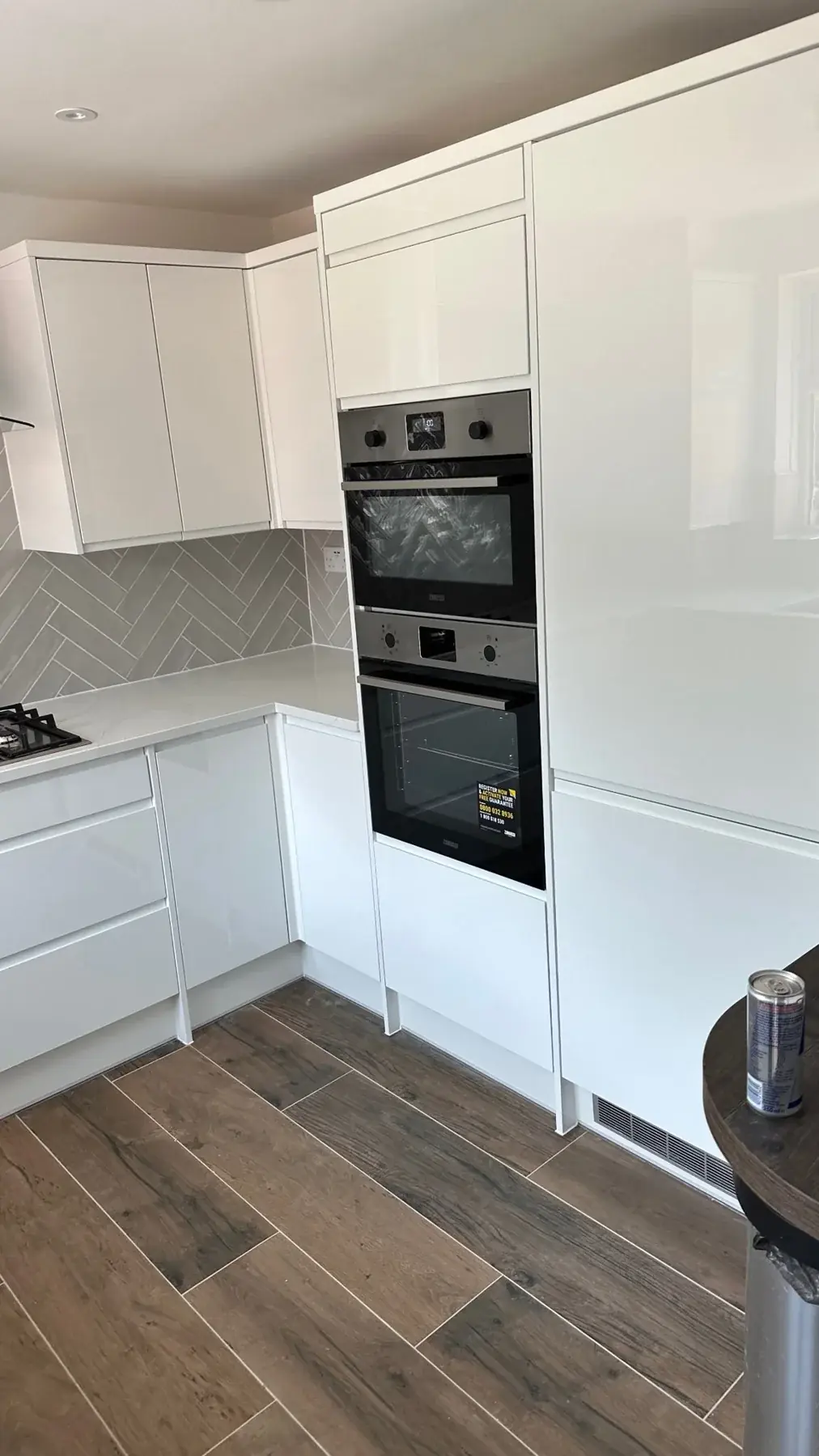

When is skimming the right choice instead of full replastering?
When the background is sound and only the surface needs improving. If the wall is unstable, uneven in a serious way or badly damaged, a fuller repair may be the better option.
What hidden issues can drawings fail to reveal before skimming?
Old repairs, poor bonding, patched chases, movement cracks and surface contamination. A survey is needed to see whether the surface will actually support the finish you want.
Should skimming and decorating be treated as one job?
They should be related, but not blurred together. The skim needs to be complete and dry before decoration begins, so the scope should make that sequence clear from the outset.
Planning and project guidance
- Householder application | Westminster City Council
- GOV.UK · Planning permission
- GOV.UK · Building regulations approval
- GOV.UK · Party walls and building work
Check the current guidance for your address before relying on a planning route. This guide is not a planning decision or a verified local case study.
Other services in Pimlico








