
Havering · East London
Doorsin Romford.
A door only works properly when the opening, the frame and the adjoining finishes all suit one another. The key decision is whether the existing frame can be kept, because that affects cost, finish, clearances and how much making good is needed around the opening.
- Service
- Doors
- Neighbourhood
- Romford
- Borough
- Havering
- Next step
- Discuss your project
Your project brief
Decide whether to retain the existing frame
If the current frame is sound and square enough, retaining it can reduce disruption and help the new door fit neatly into the existing opening. If it is damaged, out of line or unsuitable for the new door type, replacing the frame may be the better practical choice.
That decision should be made before the door is ordered, because the frame and linings govern the final size and how the surrounding trims will meet the wall finish. A door that looks simple can still need careful checking at this point to avoid an awkward fit later.
Romford local check before changing doors
For Romford properties, Havering is the council search point, but the exact address needs checking if the door work forms part of an external change. Havering’s conservation-area guidance notes that some designated areas and Article 4 Directions can affect external alterations. That does not automatically apply to internal doors, but it does mean the site should be checked before assuming an exterior opening can be altered without further consideration.
Design decisions
Match the hardware and opening to the use
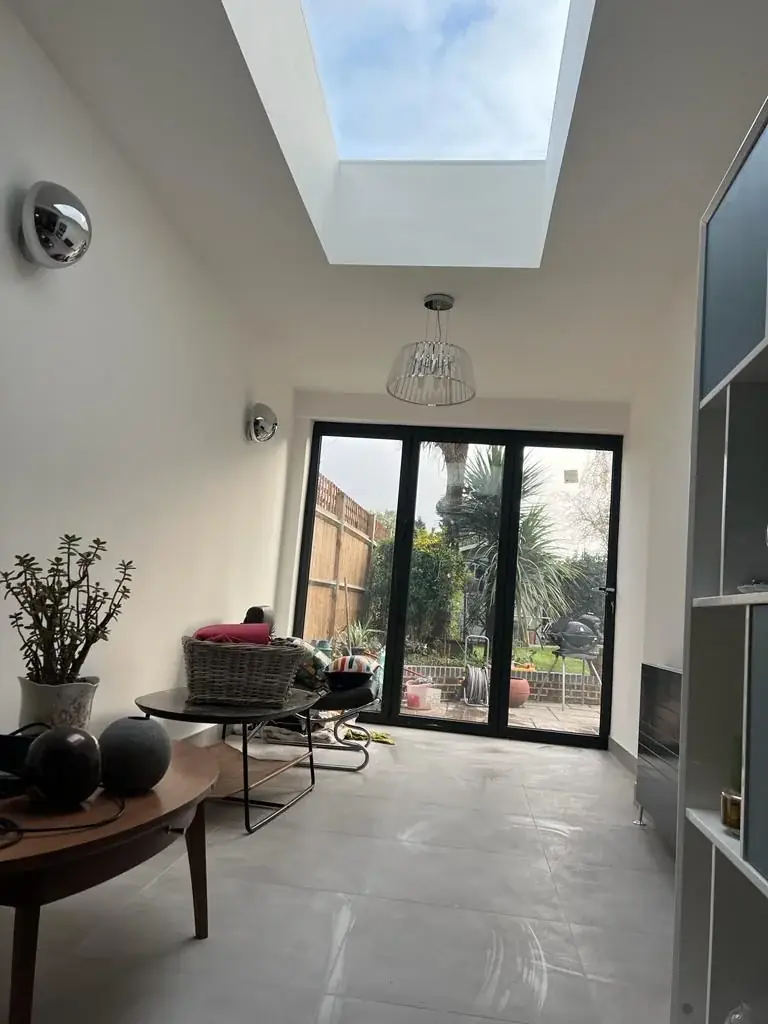
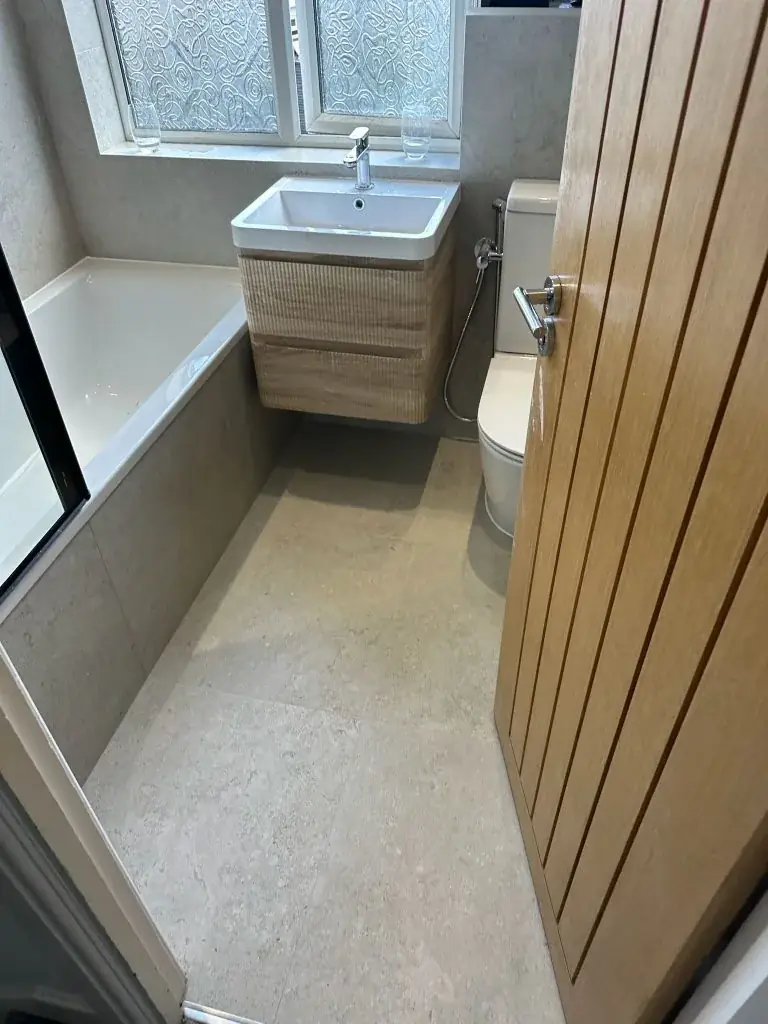
Handles, hinges, latches and closers should be chosen for the door’s intended use, not only its appearance. Internal doors, external doors and altered openings each have different needs, and the opening must allow for clearance, movement and the adjoining surfaces around it.
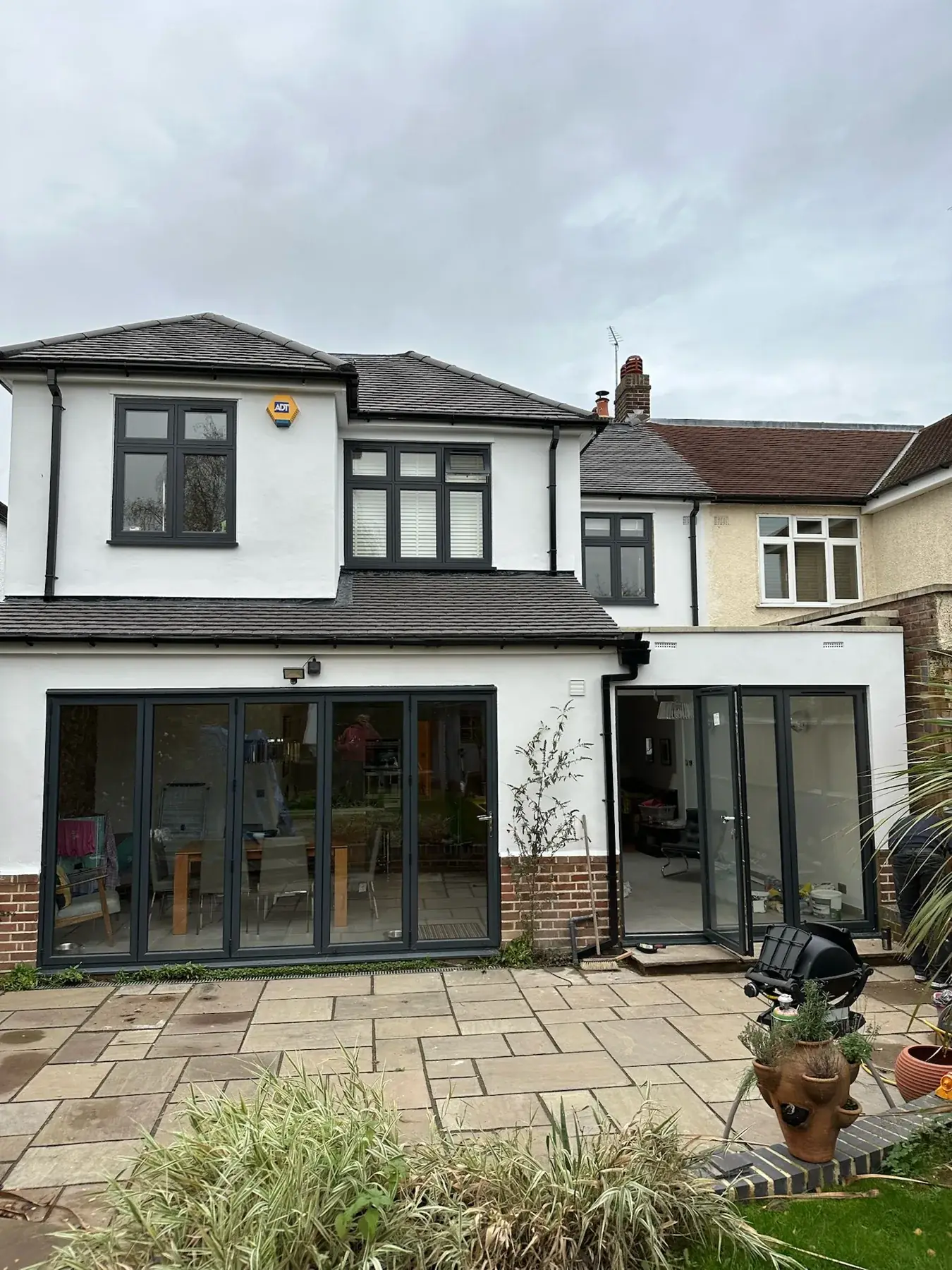
Where an external door or a changed opening is involved, the relevant installation requirements need to be considered from the start. That is especially important if the job sits within a wider renovation and the surrounding joinery, flooring or plasterwork is also being altered.
Design checks
Four things we confirm before drawing door installation.
- 01Internal door replacement and fitting within an agreed joinery scope.
- 02Frames, linings, architraves and associated making-good where specified.
- 03Handles, hinges, latches and other hardware matched to the door’s intended use.
- 04External door or altered-opening enquiries assessed with the relevant installation requirements.

When is it better to keep the existing frame?
Keep it when it is sound, square enough and suits the new door and opening. Retention can reduce mess and making-good, but only if the frame will not compromise how the door closes and looks.
Why are clearances important for door fitting?
Because a door that is too tight, too loose or badly aligned will not work smoothly. Clearances affect movement, latch action and how the door meets the surrounding trim and finishes.
What should be agreed for an external door change?
The opening size, the frame arrangement, the hardware and any installation requirements that apply to the specific door type. If the project is tied to wider external alterations, the exact property should also be checked against local guidance.
Planning and project guidance
- Conservation areas | Heritage | London Borough of Havering
- GOV.UK · Planning permission
- GOV.UK · Building regulations approval
- GOV.UK · Party walls and building work
Check the current guidance for your address before relying on a planning route. This guide is not a planning decision or a verified local case study.
Other services in Romford








