
Havering · East London
Gardensin Romford.
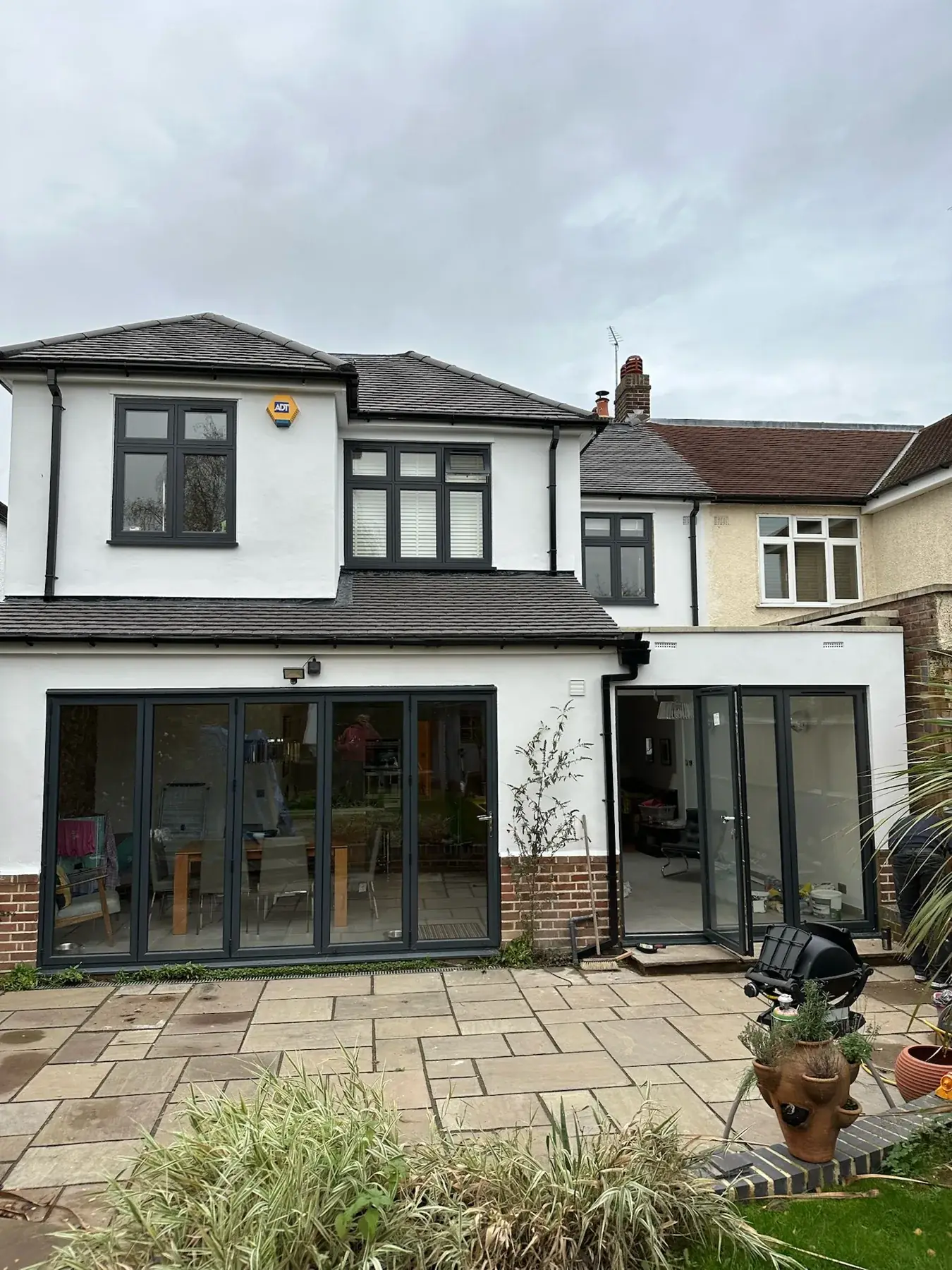
A garden should make the home easier to use, not simply add a hard surface or a planted area. The key decision is how the outdoor space connects to the house, because access, levels and drainage affect whether it feels finished and useful.
- Service
- Gardens
- Neighbourhood
- Romford
- Borough
- Havering
- Next step
- Discuss your project
Your project brief
Retain the routes that make the garden work
Before adding patios or planting, it is worth deciding which parts of the existing garden help daily life and should be kept. That may be a clear route to a gate, space for bins, a practical line for mowing or a simple connection from the house to the usable part of the plot.
The garden works best when the design supports the way the rooms open onto it. If the thresholds, steps or levels are awkward, the outdoor area may be underused even after new materials are installed. The brief should therefore start with access and movement, not just appearance.
Romford local checks for outdoor work
For a Romford property, start with Havering if you need to check local planning context, but confirm the exact address before assuming anything about the garden. Havering’s guidance shows that some conservation areas exist and that special controls can apply in certain places, including for some walls, fences or gates. Those facts are site-sensitive, not automatic restrictions for every garden.
Design decisions
Check ground, drainage and boundaries together
Levels and surface water should be considered at the same time as the chosen materials. A patio that ignores drainage or a lawn area that sits awkwardly against the house can create maintenance problems later, so the ground preparation needs to suit the intended use from the start.
Boundary features, fencing and gates also need careful checking. Ownership and access should be clear before any work goes ahead, because the practical value of a garden improvement depends on where the lines are and how the space will be used by the household.
Design checks
Four things we confirm before drawing garden improvements.
- 01Patios, paths and areas of hard landscaping within an agreed design.
- 02Garden levels and surface-water arrangements assessed alongside the house.
- 03Boundary features, fencing and gates where access and ownership are established.
- 04Ground preparation, lawn or planting areas and making good after building work.
What should be decided before choosing garden materials?
Decide how the space will be used, where people will walk and whether the levels and drainage support that use. The material choice should follow the function, not the other way round.
Why is access important in a garden project?
Because a garden that is hard to reach or move through will not be used well, no matter how tidy it looks. Access affects everyday use, maintenance and how the new work links to the house.
What should be checked before changing a fence or gate?
Check the ownership line, the intended access route and whether the change sits within any wider site constraints. If the garden work is part of a larger alteration, the exact address should also be checked against local guidance.
Planning and project guidance
- Conservation areas | Heritage | London Borough of Havering
- GOV.UK · Planning permission
- GOV.UK · Building regulations approval
- GOV.UK · Party walls and building work
Check the current guidance for your address before relying on a planning route. This guide is not a planning decision or a verified local case study.
Other services in Romford








