
Havering · East London
Renderingin Romford.
Rendering changes how an exterior wall looks, but the right finish depends on the wall beneath it. The main choice is not the texture or colour alone, but whether the existing background is sound, compatible and ready for a new external system.
- Service
- Rendering
- Neighbourhood
- Romford
- Borough
- Havering
- Next step
- Discuss your project
Your project brief
Check the wall before choosing the render system
An external wall may need cleaning, repair or removal of failed material before new render is applied. The existing finish and the construction beneath it should be assessed together, because a render that does not suit the wall can crack, debond or highlight hidden defects rather than disguise them.
Where the wall has previous patches or repairs, those areas should be considered in the scope from the outset. The aim is to create a compatible and continuous surface, not simply to cover over a problem that is still active underneath.
Romford local check for external walls
For a Romford property, use Havering as the starting point if the render work is part of a wider external alteration. Havering notes that designated conservation areas exist and that some places have extra controls through Article 4 Directions. That information is useful background, but it does not prove the status of any individual wall. The exact address must be checked before assuming a render change will follow a particular planning route.
Design decisions
Treat junctions and access as part of the design
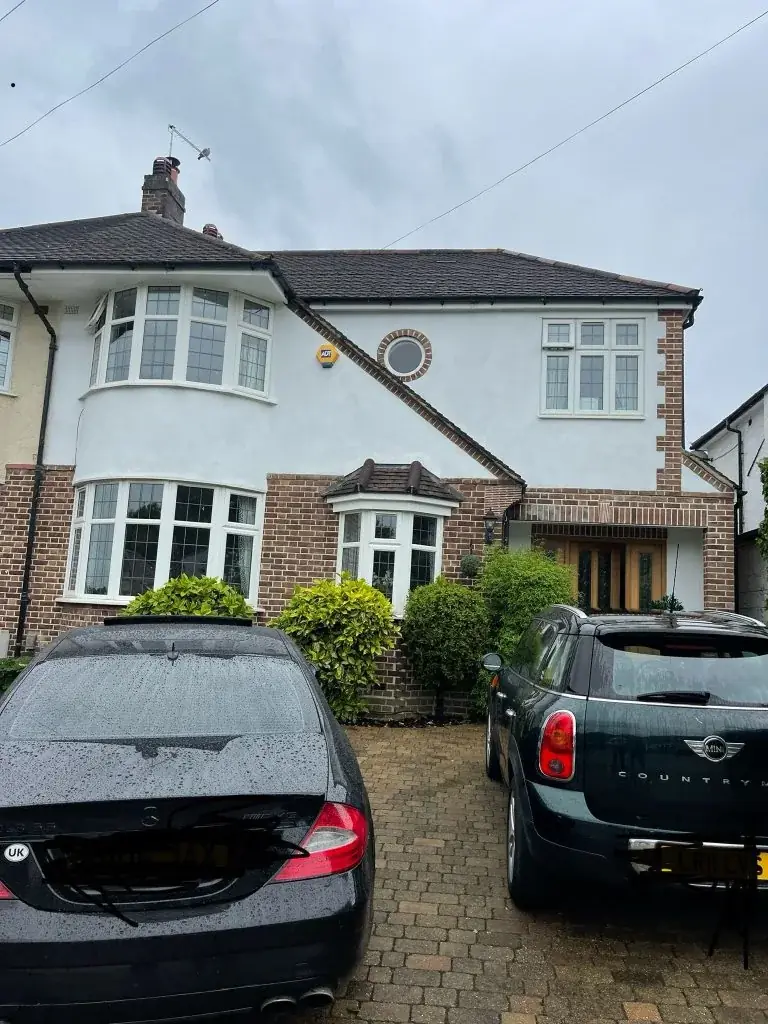
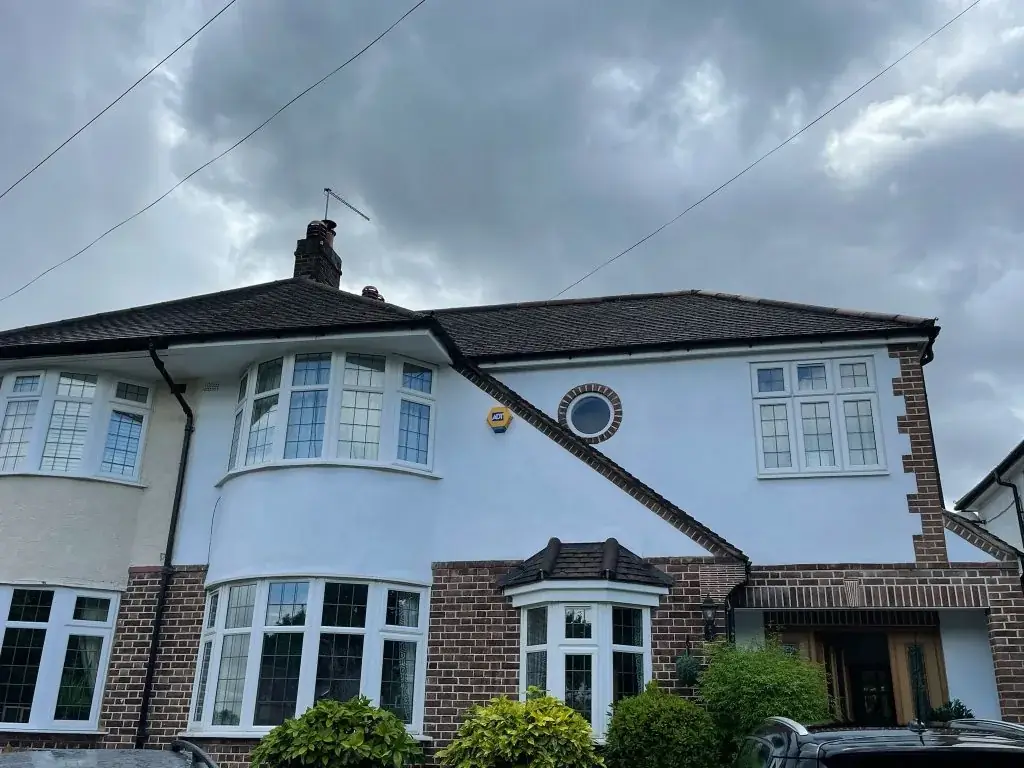
Edges around openings, roof lines and adjoining materials need careful detailing, because those are the places where water and movement often show up first. A render job should therefore include the junctions, not just the broad wall face, so the finish is coherent and properly tied in.
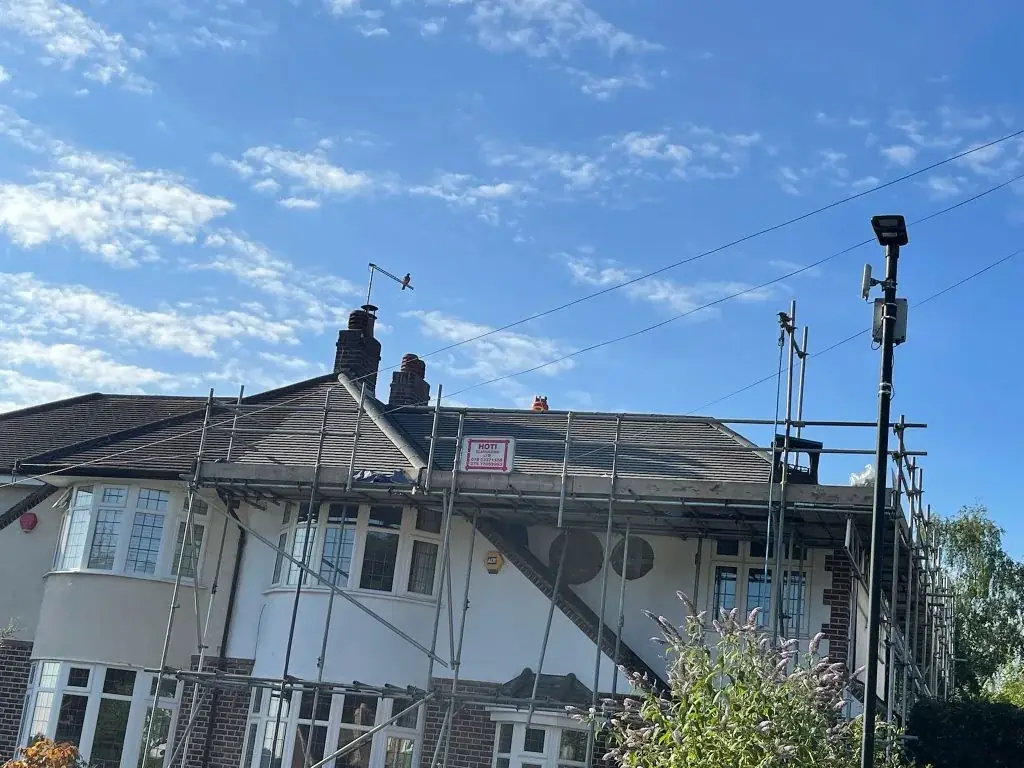
Access also matters on exterior work. Scaffolding, safe reach and the ability to finish the wall consistently all influence the result, so the brief should define where the work can be done safely and what parts of the elevation are actually included.
Design checks
Four things we confirm before drawing external rendering.
- 01Assessment and preparation of suitable external wall backgrounds.
- 02Removal or repair of failed render where the agreed approach requires it.
- 03Application of a specified render system with compatible details and finishes.
- 04Junctions around openings, roof edges and adjoining materials considered within the scope.
What makes a wall suitable for rendering?
A suitable wall is sound, compatible with the chosen system and free from major loose areas or unresolved defects. If the background is weak or badly patched, it needs attention before the new finish goes on.
Why are junctions so important in rendering?
Because water and movement often show up there first. Openings, roof edges and joins to other materials need careful detailing or the render can fail at the weakest points.
Should access be considered part of the render brief?
Yes, because safe and consistent access affects both preparation and finish. If the wall cannot be reached properly, the quality and durability of the render will be harder to control.
Planning and project guidance
- Conservation areas | Heritage | London Borough of Havering
- GOV.UK · Planning permission
- GOV.UK · Building regulations approval
- GOV.UK · Party walls and building work
Check the current guidance for your address before relying on a planning route. This guide is not a planning decision or a verified local case study.
Other services in Romford








