
Lambeth · South London
Gardensin Streatham.
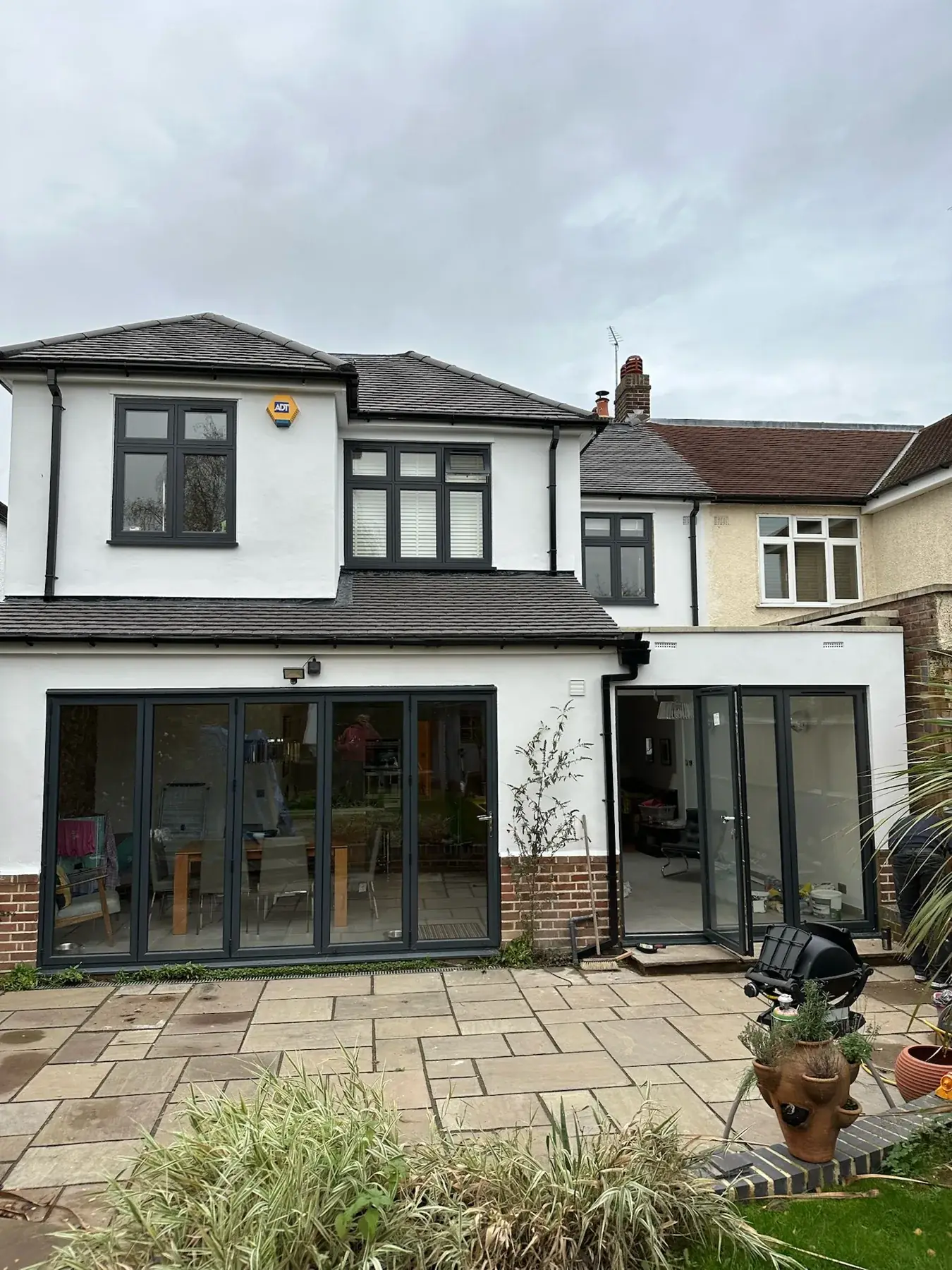
A garden often succeeds or fails on practical details that are easy to overlook. The best improvement plan considers how the outside space connects to the house, where water will run, and whether the space is meant for sitting, planting, play or simple access.
- Service
- Gardens
- Neighbourhood
- Streatham
- Borough
- Lambeth
- Next step
- Discuss your project
Your project brief
Design the outside space around how it will be used
If the garden is mainly for sitting and moving between rooms, hard landscaping and level changes may matter more than planting. If it is meant for larger planting beds, then soil depth, edge treatment and access for maintenance become more important. The same site can support different priorities, but not all at once in the same way.
That is why a simple area-led layout is useful outdoors too. Mark the areas for circulation, seating, planting and storage before choosing materials. A patio that looks generous on paper may be less useful if it leaves narrow paths or awkward corners that are hard to maintain.
Local checks for Streatham in Lambeth
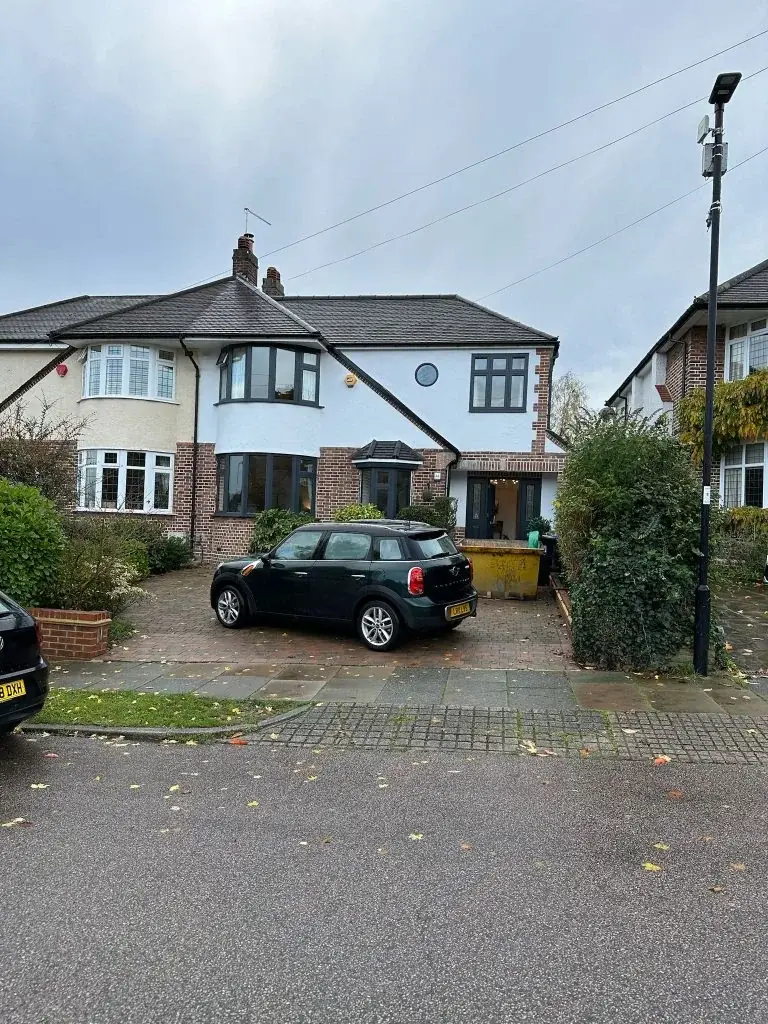
Lambeth provides borough conservation-area information and a way to check the exact property through the planning database if needed. That is relevant when garden work includes new boundary treatment, external steps or other changes that alter the appearance of the house from the street. The borough facts do not tell you whether your own address is affected, so check the site specifically before assuming anything.
Design decisions
Treat drainage, boundaries and level changes as part of the job
Garden work should be considered alongside the house rather than as an afterthought. Surface water needs somewhere to go, particularly where new paving or retaining work changes the ground. Boundary features and gates also need careful checking, because access and ownership affect what can be altered and where.
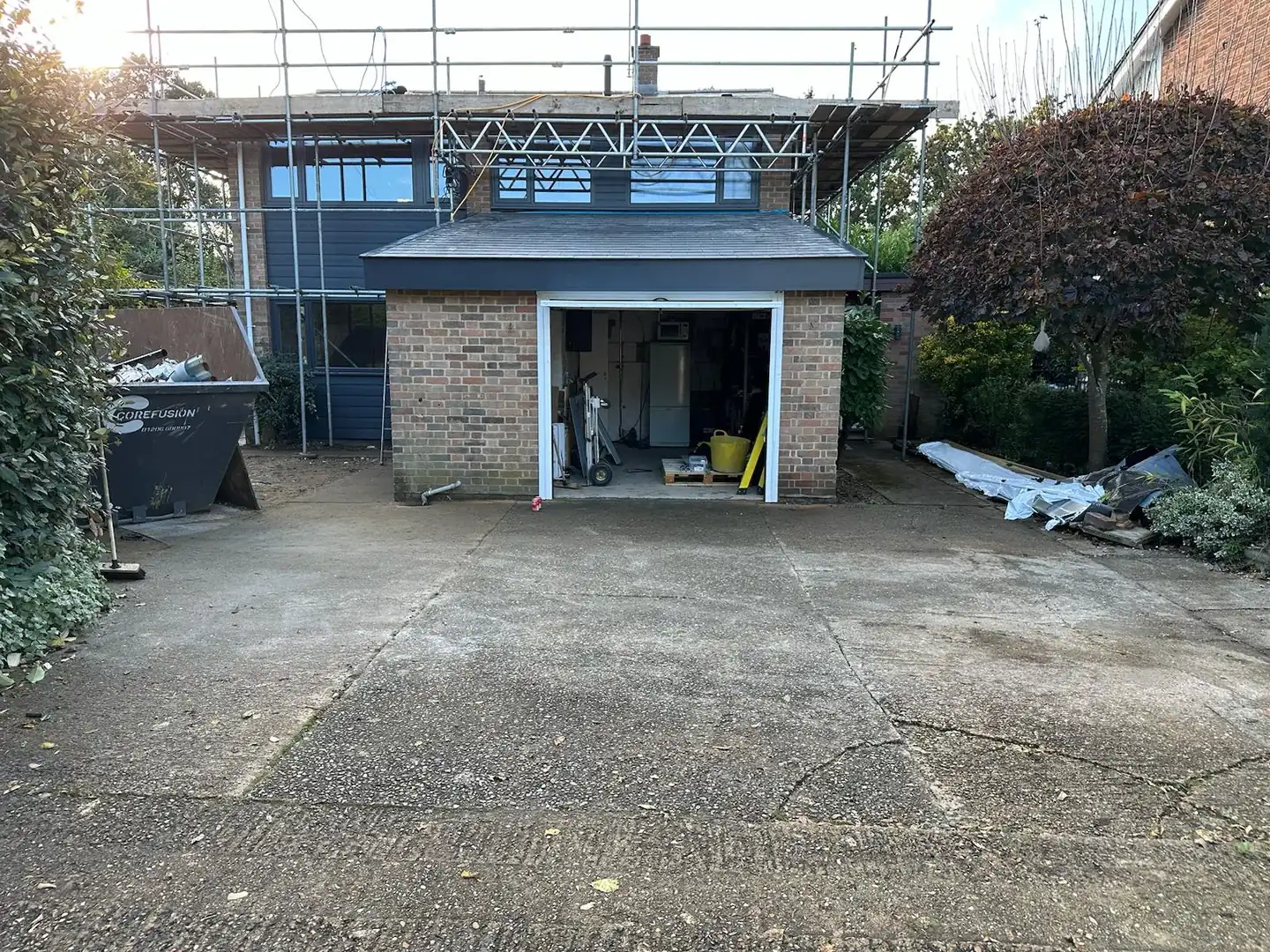
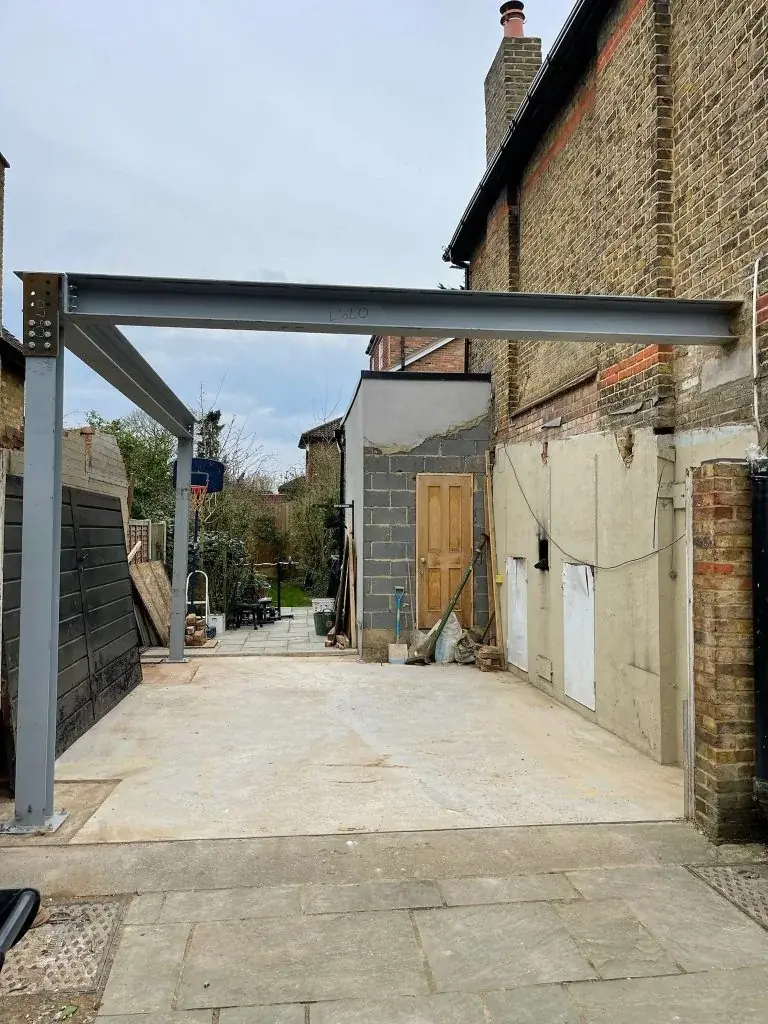
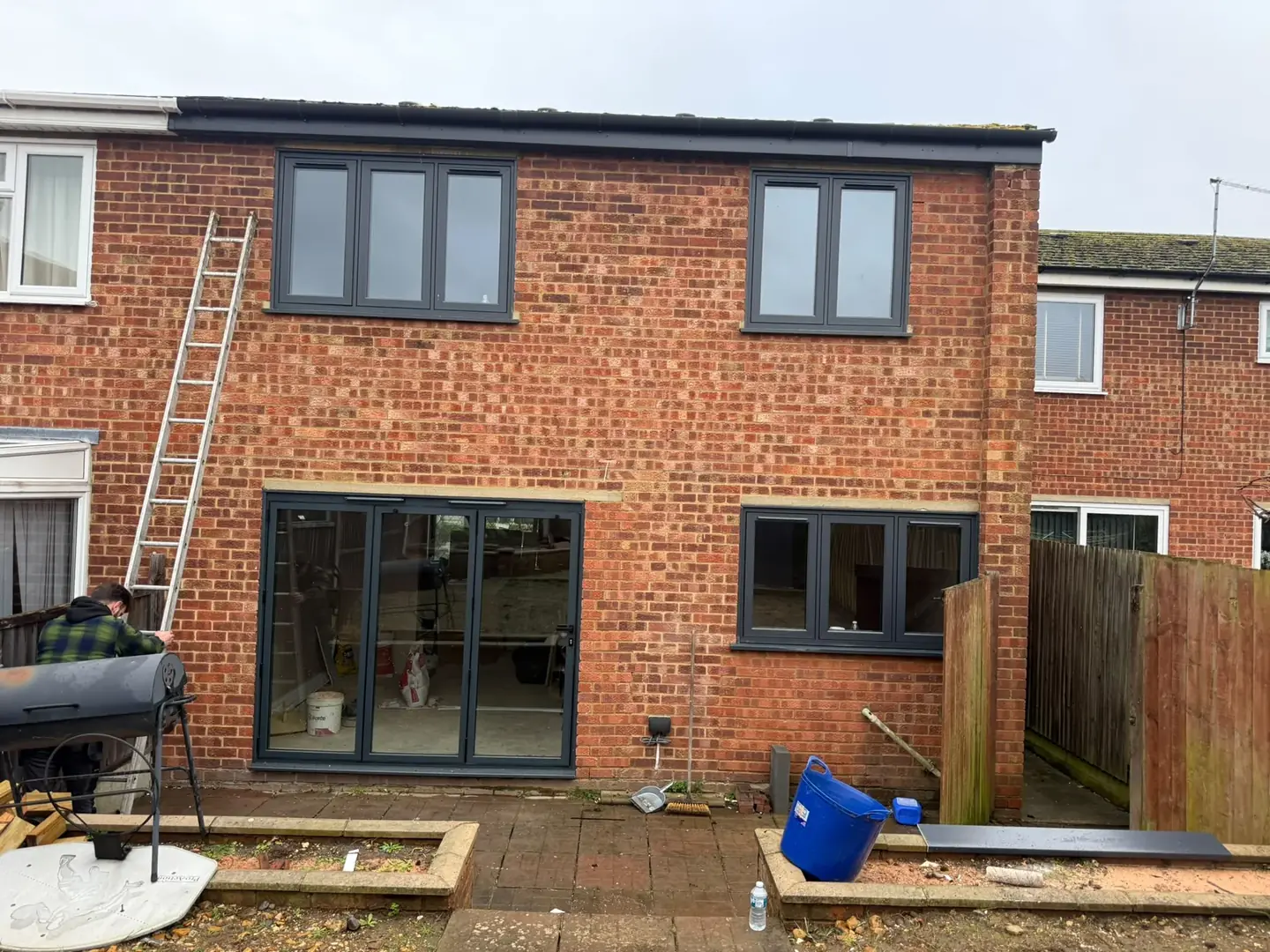
If the garden is being improved after a wider building project, the ground may need preparation and making good before the final finish goes down. That can include resetting levels, repairing disturbed edges or laying paths and patios so they meet the house cleanly. The right brief avoids treating the garden as a separate world from the building work.
Design checks
Four things we confirm before drawing garden improvements.
- 01Decide how the garden should be used before choosing materials.
- 02Check levels and surface-water movement with the design.
- 03Confirm boundary ownership and access before altering fences or gates.
- 04Allow for ground preparation and making good after building work.
How do I stop a garden project becoming just a patio with no real use?
Start by naming the activities the space should support: sitting, moving through, planting or storage. Then allocate each area deliberately so the finished garden has useful zones rather than one large surface with no clear purpose.
Why is drainage part of a garden design brief?
Because new paving, edges or level changes can alter where rainwater goes. If that is not considered early, puddling, damp edges or awkward falls may appear after the work is complete.
What should be checked before changing a fence or gate?
Confirm access, ownership and the exact line you are working to. Those practical checks matter as much as the new design, because boundary work can affect both neighbours and how the garden functions.
Planning and project guidance
- Conservation area profiles | Lambeth Council
- GOV.UK · Planning permission
- GOV.UK · Building regulations approval
- GOV.UK · Party walls and building work
Check the current guidance for your address before relying on a planning route. This guide is not a planning decision or a verified local case study.
Other services in Streatham








