
Lambeth · South London
Plumbingin Streatham.
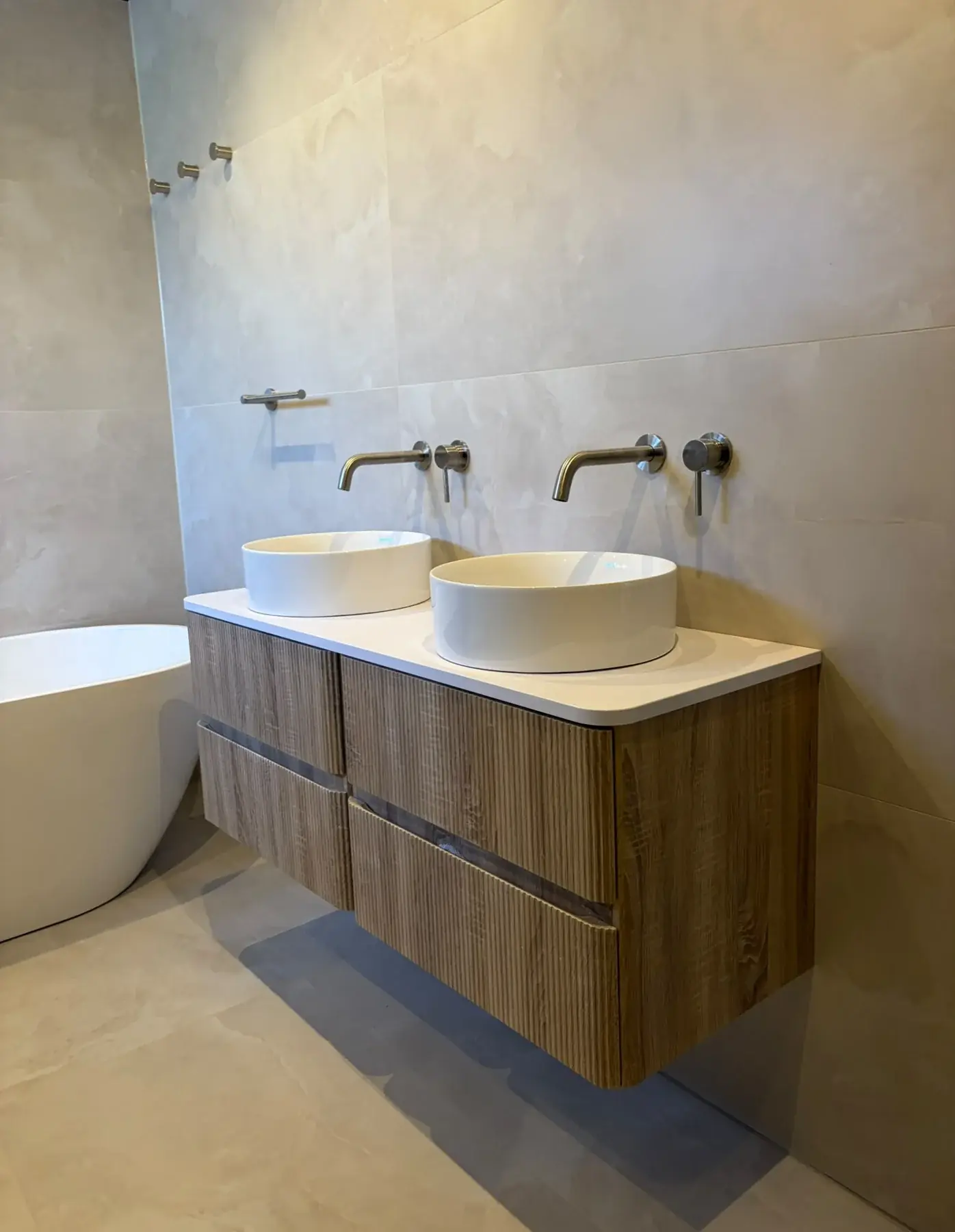
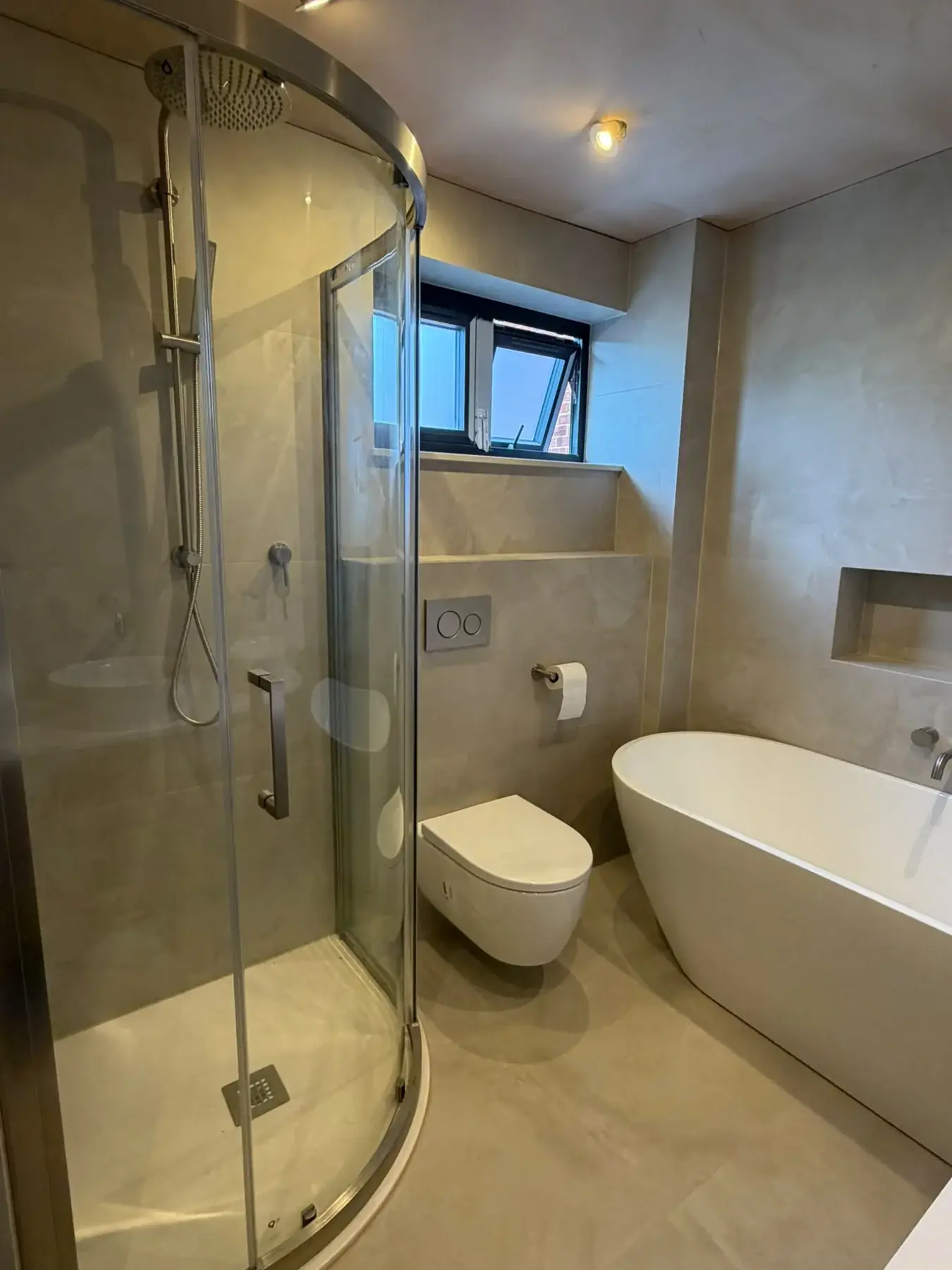
Plumbing decisions are easiest to get right when they are tied to the room layout early. Moving a sink, toilet or shower affects water routes, waste falls, access for maintenance and how the surrounding building work has to be sequenced.
- Service
- Plumbing
- Neighbourhood
- Streatham
- Borough
- Lambeth
- Next step
- Discuss your project
Your project brief
Start with the fixtures, then test the routes
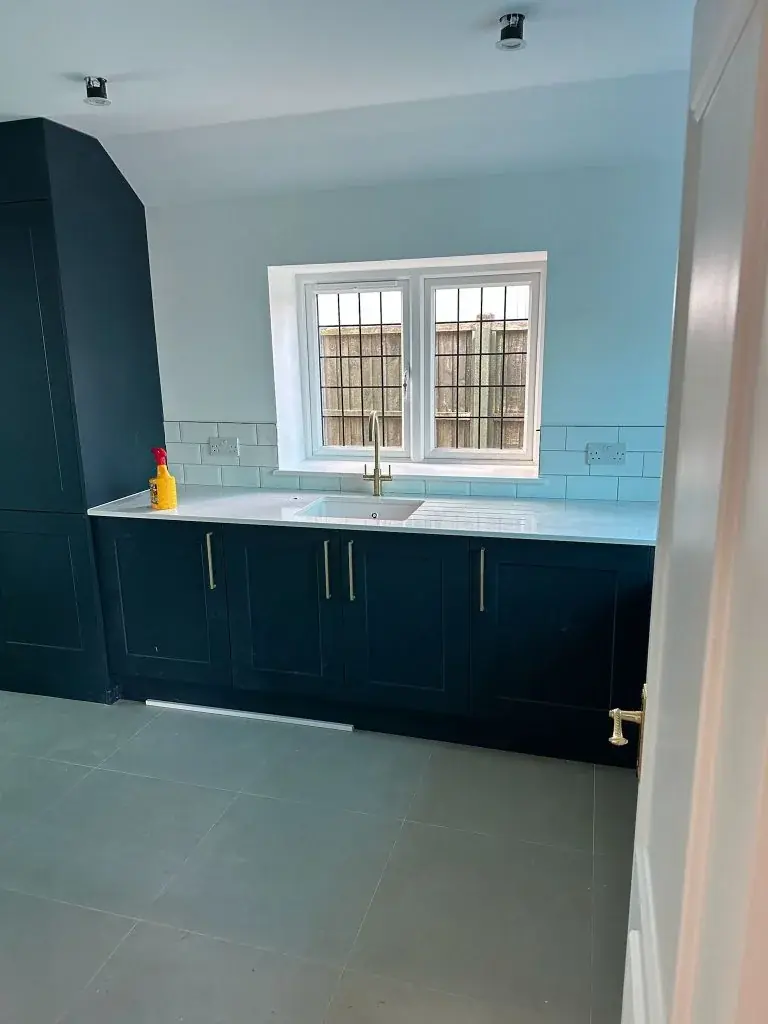
The first question is not simply what fixture you want, but where it can realistically go. If a kitchen or bathroom layout changes, the water supplies and waste pipe routes need to be checked against the existing structure. A neat-looking location can be awkward if it creates long runs or poor access.
This is why planned plumbing work should be coordinated with the wider project. First-fix work happens before finishes close the walls, while second-fix work completes the visible connections later. If the space is being refurbished, that sequence should be set out clearly so the plumbing does not get trapped behind another trade’s work.
Local checks for Streatham properties
Lambeth’s borough guidance shows how to check whether a property falls within a conservation area by searching the planning database and opening the constraints tab on the correct result. That is useful if the plumbing change is part of a wider refurbishment with external alterations. The address must be checked exactly, because borough-wide conservation information does not decide any individual house on its own.
Design decisions
Allow for future access and problem diagnosis
Good plumbing is not only about installation; it is also about what happens after the room is complete. Accessible pipework, sensible shut-off points and a clear route for maintenance make later problems easier to deal with. That is one reason a quick cosmetic fix can be less helpful than a properly thought-through alteration.
If an issue is already present, the job should include investigation within an agreed scope rather than guessing at the cause. That keeps the work focused and avoids opening more of the room than necessary. For example, if a sink is moving position, it may be sensible to check the waste and supply arrangements before ordering the final units.
Design checks
Four things we confirm before drawing plumbing work.
- 01Check where the fixtures can go before fixing the layout.
- 02Separate first-fix and second-fix plumbing in the programme.
- 03Keep access to pipework and shut-off points in mind.
- 04Agree the investigation scope before opening finished surfaces.
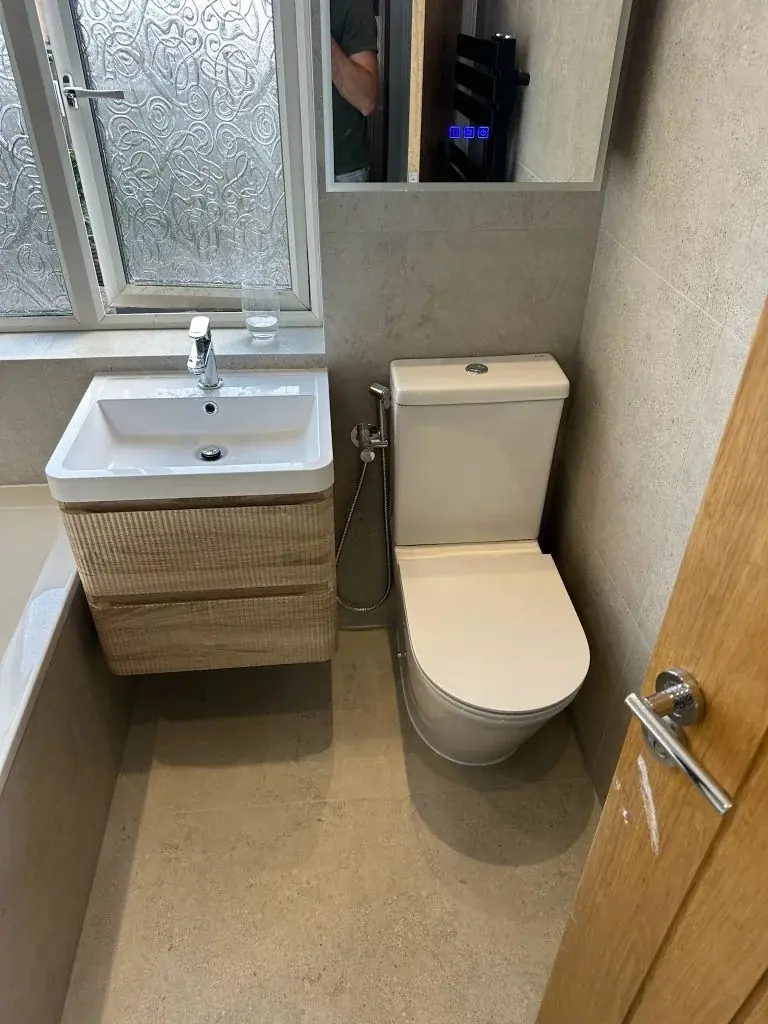
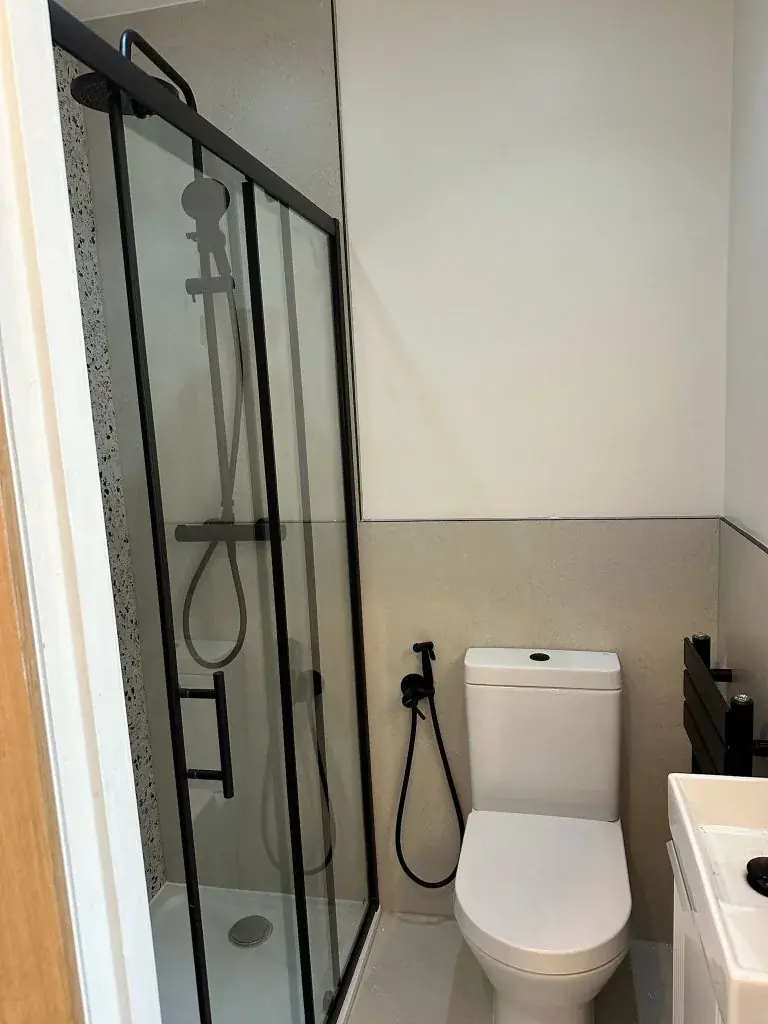
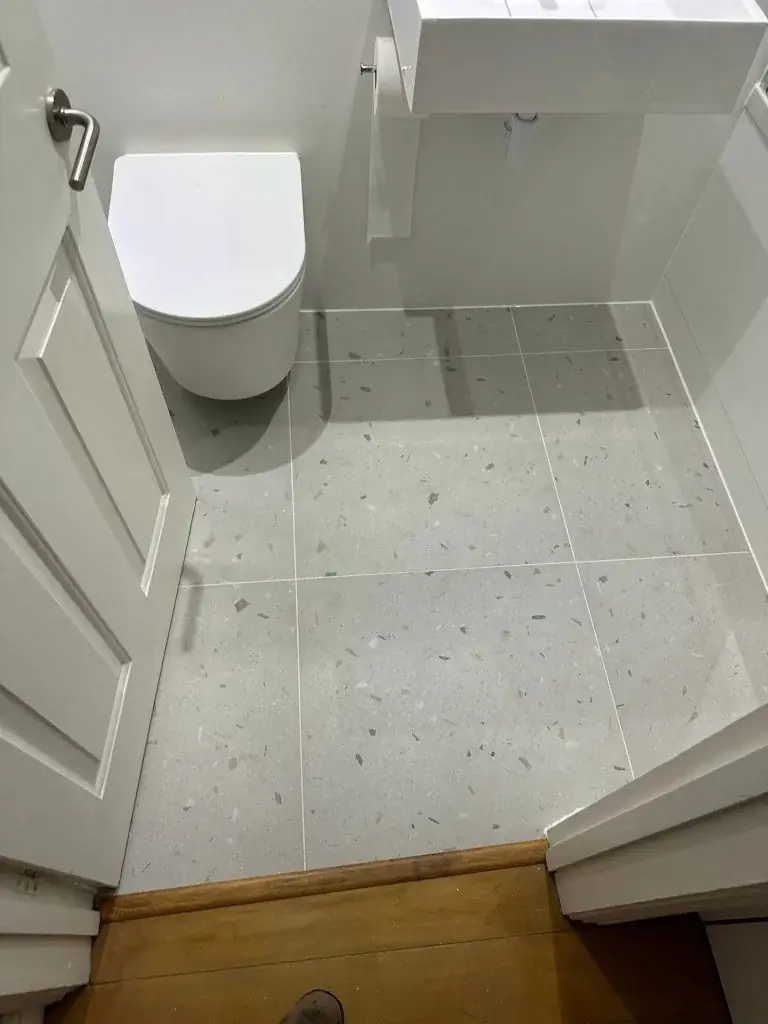
Why do plumbing changes need to be planned before finishes are fitted?
Because pipes, wastes and connections often run behind walls or under floors. If the route is not settled early, finished surfaces may need to be opened again, which adds cost and disruption.
What should I do if I want to move a kitchen sink or bathroom fitting?
Check the water and waste route, the practical access, and how the change affects the rest of the room layout. The new position should work with the building structure rather than just the visible plan.
How should an existing plumbing problem be investigated?
By agreeing what is being checked and what is not. That keeps the investigation focused on the likely source of the issue, rather than opening up unrelated parts of the room.
Planning and project guidance
- Conservation area profiles | Lambeth Council
- GOV.UK · Planning permission
- GOV.UK · Building regulations approval
- GOV.UK · Party walls and building work
Check the current guidance for your address before relying on a planning route. This guide is not a planning decision or a verified local case study.
Other services in Streatham








