
Lambeth · South London
Roofingin Streatham.
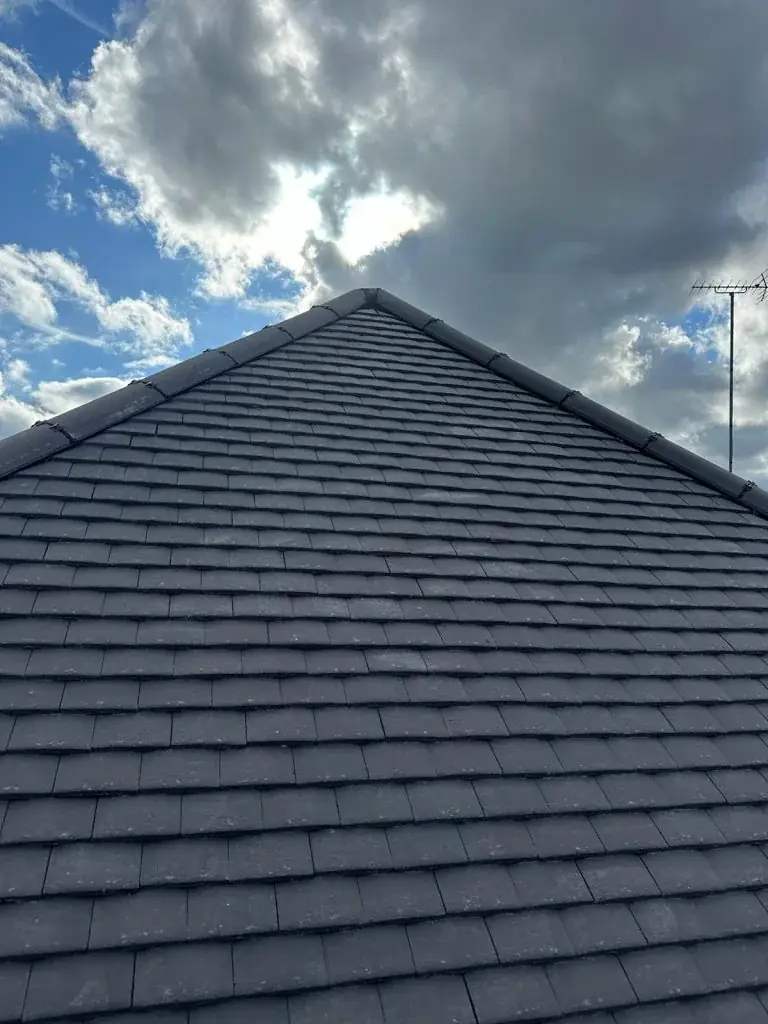
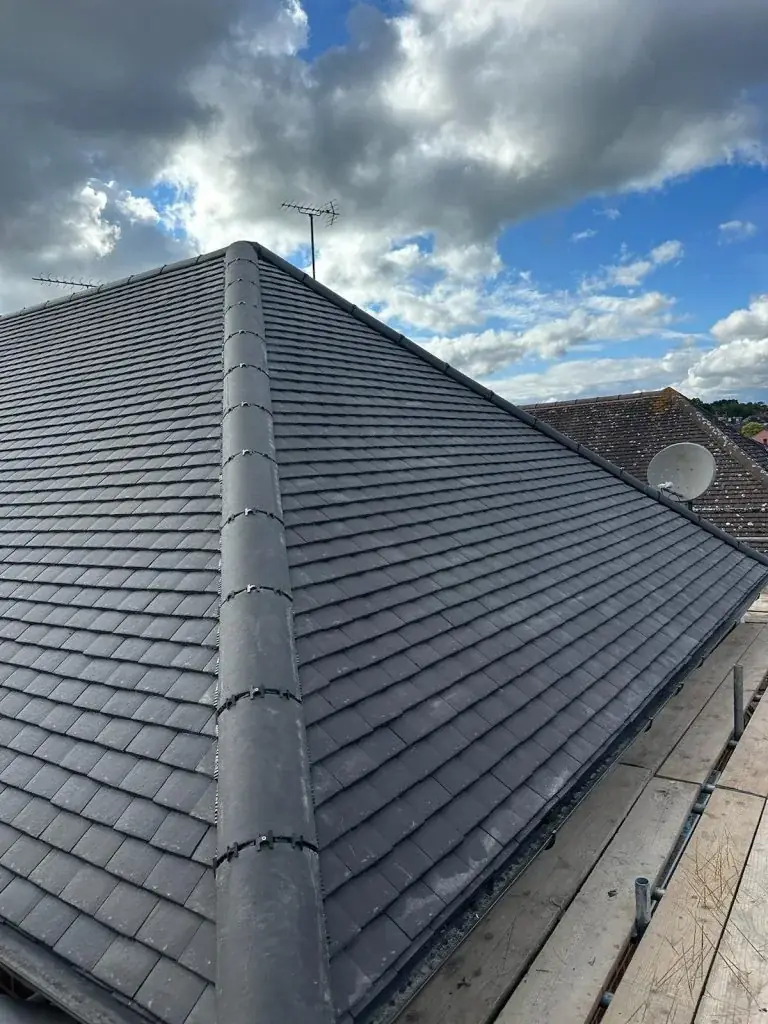
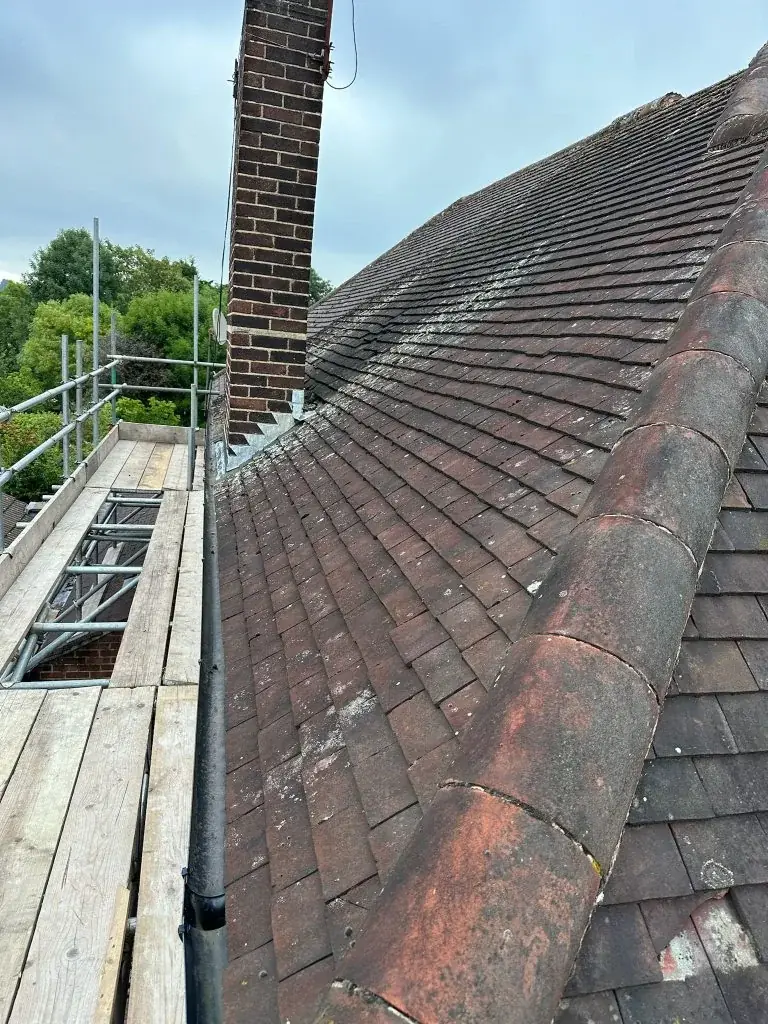
A roof defect is not always caused by the visible covering itself. The better approach is to work out where water is actually entering, how the junctions behave and whether the job is a repair, a replacement or part of a wider loft or refurbishment project.
- Service
- Roofing
- Neighbourhood
- Streatham
- Borough
- Lambeth
- Next step
- Discuss your project
Your project brief
Investigate the cause before choosing the repair
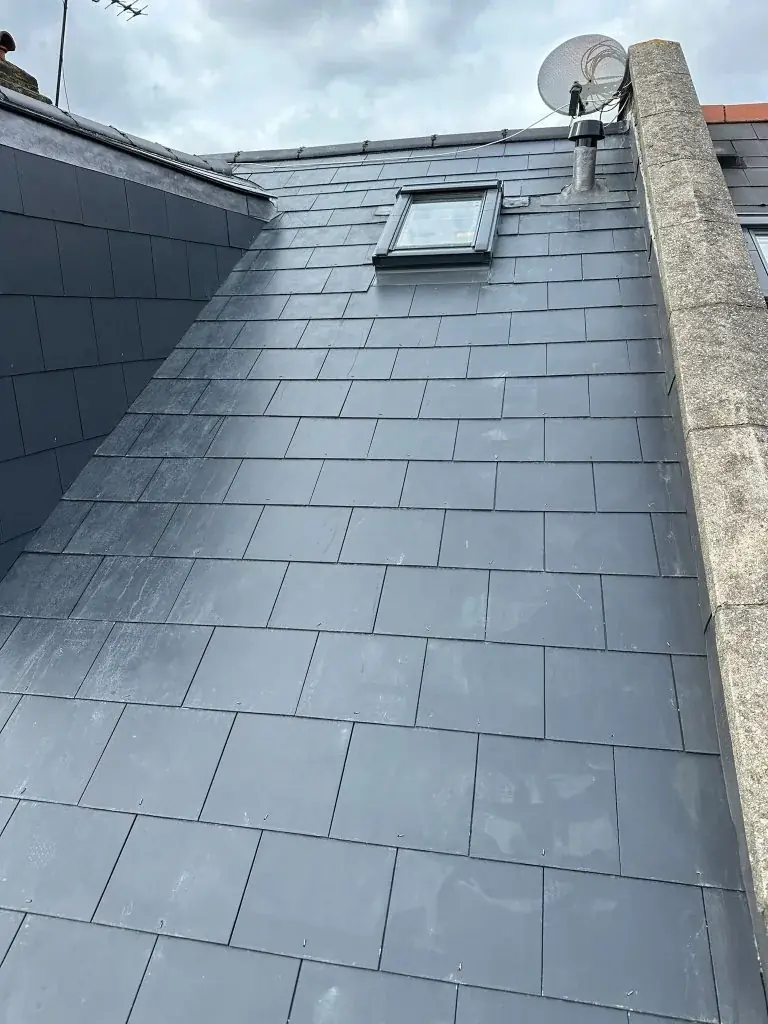
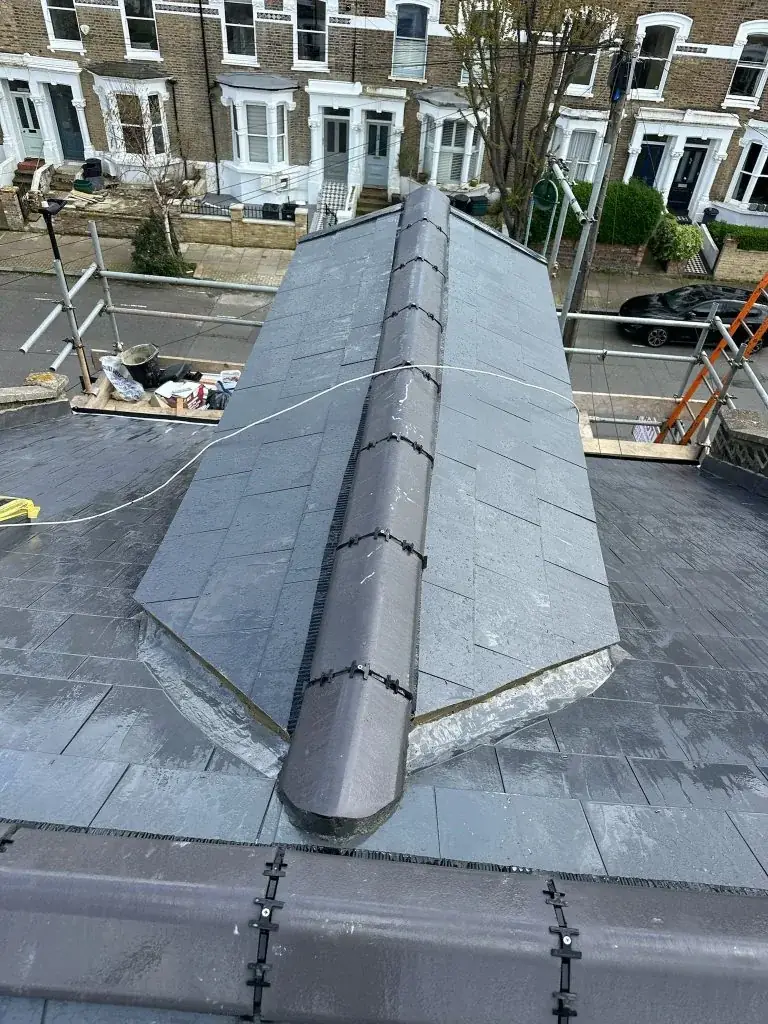
A damp patch inside the house does not automatically point to the tile or slate above it. Flashings, abutments, ridges and rainwater junctions can be just as important. That is why roofing work should start with an agreed investigation of accessible defects, so the repair targets the real problem rather than the symptom.
If the issue is localised, the scope can stay focused on the defective area and its related details. If the roof covering is more generally worn or the underlying condition is uncertain, a fuller scope may be more appropriate. The point is to match the work to the evidence, not to assume every roof problem needs the same response.
Local checks for Streatham and Lambeth
Lambeth’s conservation-area information is a borough-wide starting point, but it does not tell you whether a specific Streatham property is affected. That matters for roof work because visible changes to the roofline or external appearance may need a separate check. Use the planning database to verify the exact address and do not assume the whole neighbourhood follows the same rule.
Design decisions
Plan repairs alongside other roof-related work
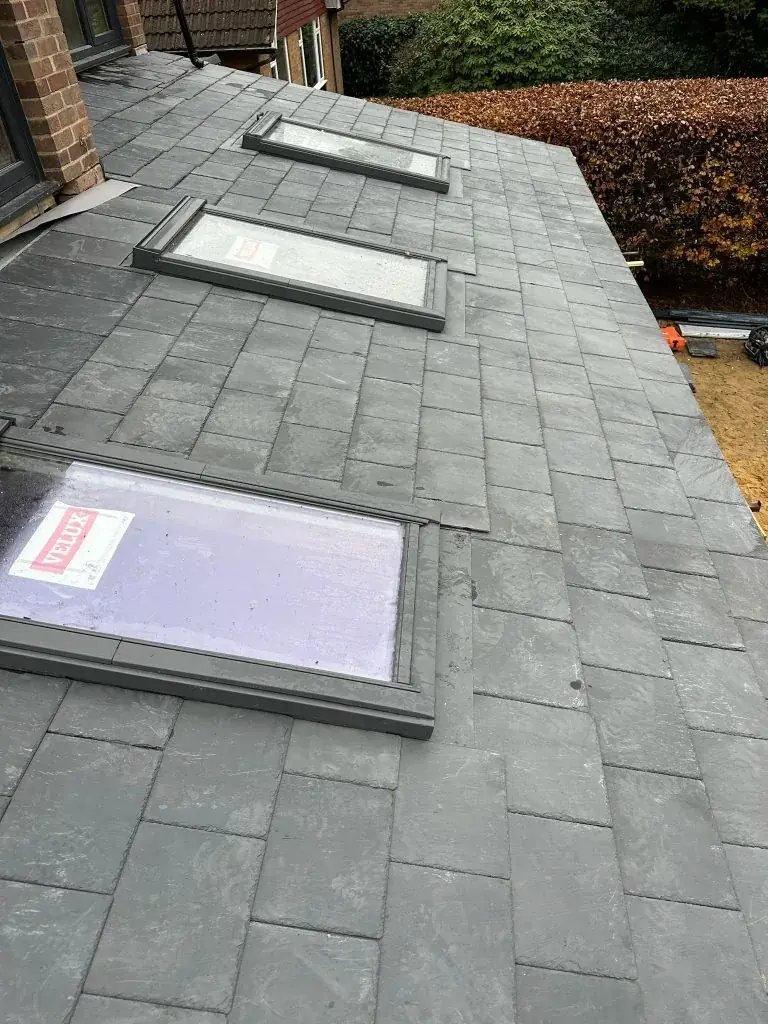
Roofing needs to connect properly with the rest of the building. Where a loft conversion or larger refurbishment is planned, the roof alterations should be coordinated with the structural requirements and the new internal arrangement. That avoids having to reopen areas that were already finished or creating a repair that does not suit the future use of the space.
It is also worth distinguishing between repair and replacement. They can use similar access and require similar attention to junctions, but they are not the same scope. A clear brief helps define which coverings, details and associated areas are included, and what remains outside the work.
Design checks
Four things we confirm before drawing roofing work.
- 01Investigate the accessible defect and agree the repair scope first.
- 02Check flashings, abutments, ridges and drainage junctions.
- 03Coordinate roof work with any loft or refurbishment plans.
- 04Distinguish repair, replacement and related structural changes in writing.
Why do roof leaks need a broader check than the visible stain?
Because water can travel before it shows inside. The cause may be a flashing, junction or detail away from the stain, so the repair needs to identify the path as well as the visible symptom.
How do I know if I need a repair or a larger roof scope?
Look at the condition of the covering, the related details and whether the problem seems isolated or widespread. A localised fault may suit a repair, but broader wear or uncertainty often points to a wider scope.
What should be coordinated if roofing work is linked to a loft conversion?
The roof changes, the structural requirements and the way the new space will work internally. Those elements affect one another, so they need to be planned together rather than in separate stages.
Planning and project guidance
- Conservation area profiles | Lambeth Council
- GOV.UK · Planning permission
- GOV.UK · Building regulations approval
- GOV.UK · Party walls and building work
Check the current guidance for your address before relying on a planning route. This guide is not a planning decision or a verified local case study.
Other services in Streatham








