
Kent · Tonbridge · Town service guide
Gardensin Tonbridge.
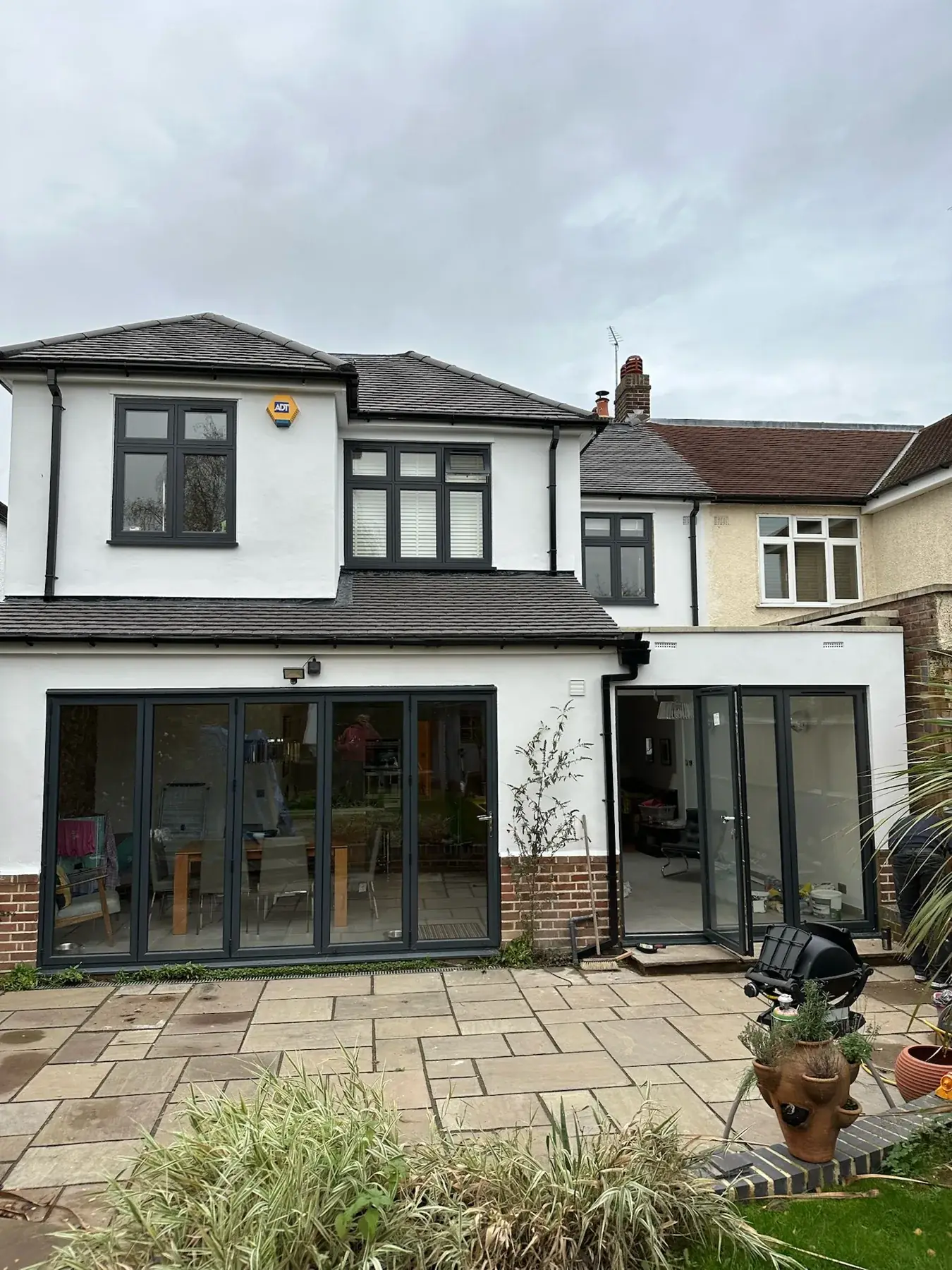
A garden should work with the rooms that open onto it, especially after building work or refurbishment. The main question is not only how it will look, but how levels, drainage and access will support everyday use without creating new problems at the house edge.
- Service
- Gardens
- Town / city
- Tonbridge
- County
- Kent
- Next step
- Discuss your project
Your project brief
Choose hard landscaping to suit the house and ground levels
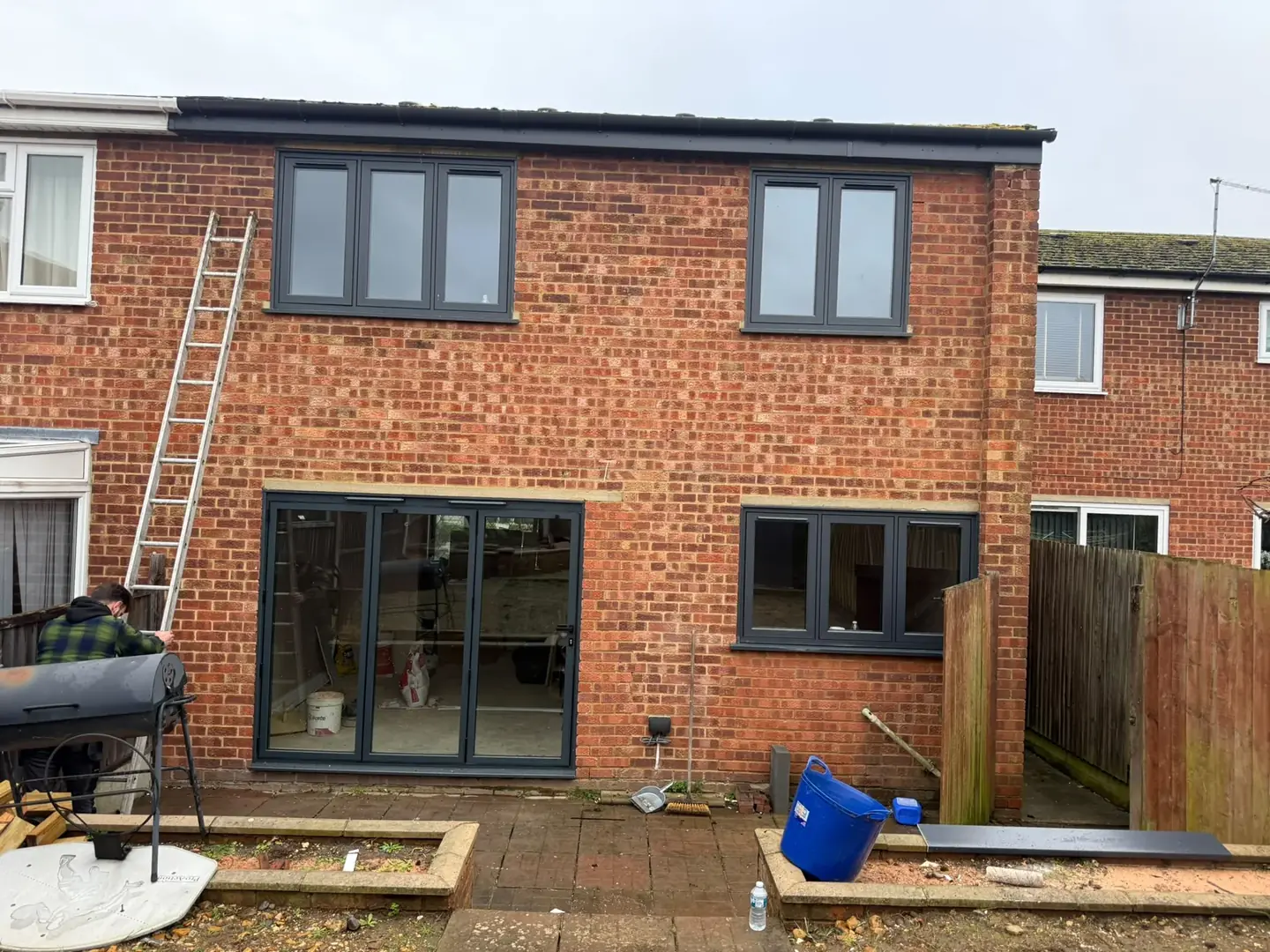
A patio or path should sit comfortably with the thresholds and levels at the back of the property. If it directs water towards the house or leaves awkward steps, the design needs revisiting before the materials are fixed in place.
That is why garden work should be planned with the building works, not after them. The surface level, drainage arrangement and the intended use of the space should be agreed together so the outside area feels like part of the home rather than an afterthought.
Tonbridge address check for external work and conservation evidence
Tonbridge and Malling Borough Council’s published guidance lists Tonbridge and Quarry Hill separately, so the exact property should be checked before external garden decisions are treated as typical for the town. Use the council mapping and the relevant appraisal for the address, and confirm the current document directly if needed. The check is address-specific, not a borough-wide assumption.
Design decisions
Keep boundaries, access and planting practical
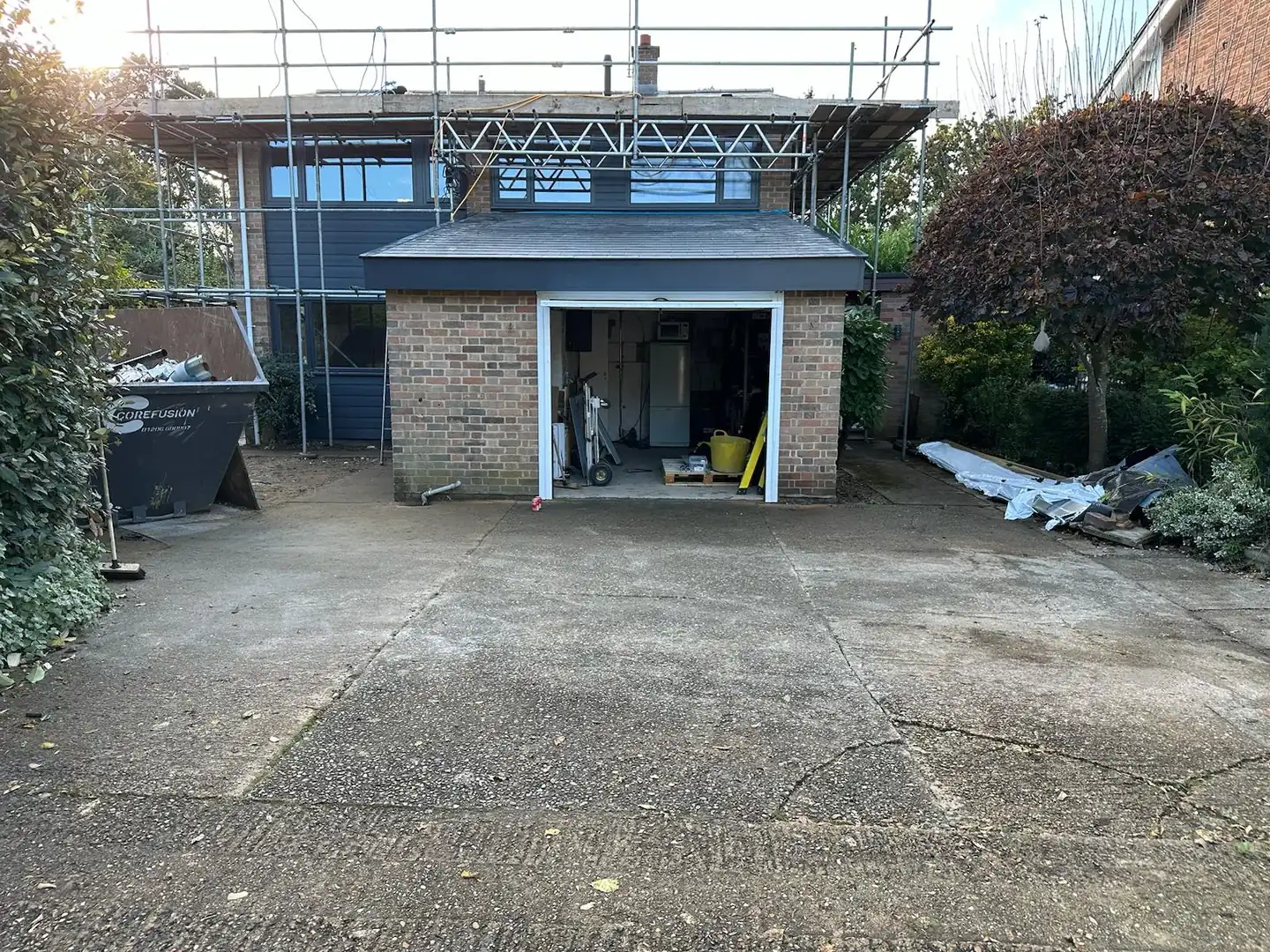
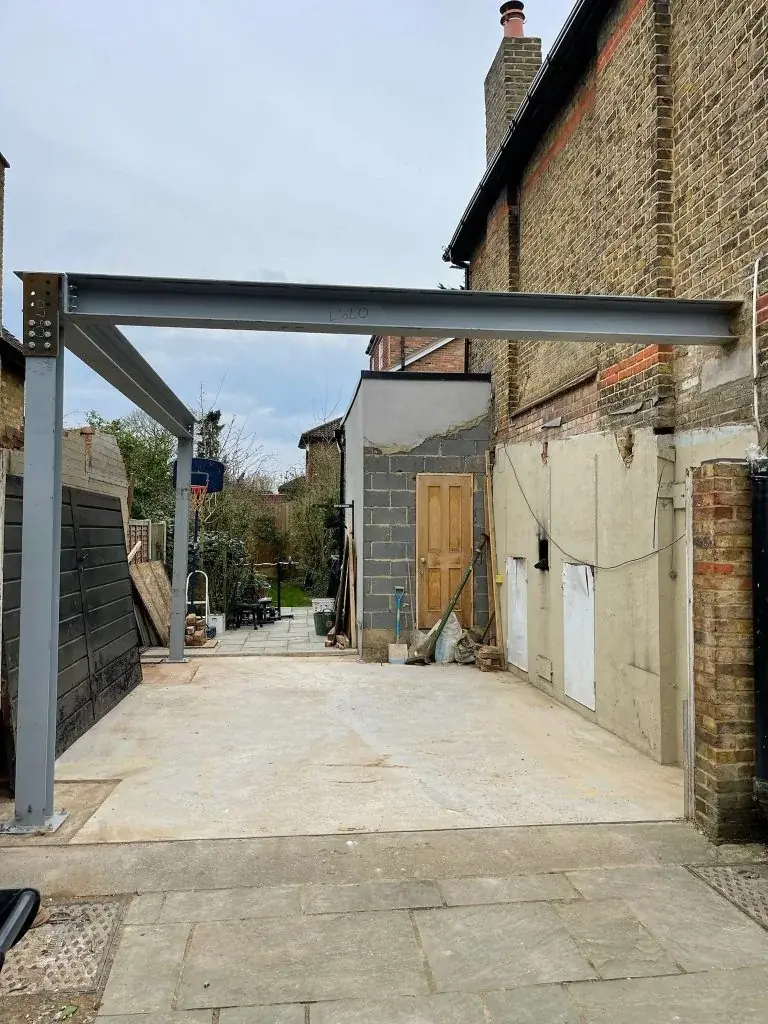
If fencing, gates or boundary features are changing, ownership and access should be clear before work begins. It also helps to think about how materials will be brought in, where temporary storage will sit and whether any excavation is needed near the house or existing structures.
Ground preparation matters too. Lawns, planting areas and other soft landscaping should follow the hard surfaces and any repair work, so the final garden can be used properly once the building phase has finished and the remaining ground is made good.
Design checks
Four things we confirm before drawing garden improvements.
- 01Check levels, drainage and thresholds before setting the patio or path height.
- 02Confirm boundary ownership before changing fencing or gates.
- 03Plan how materials will be stored and moved through the site.
- 04Sequence hard landscaping, ground preparation and soft planting in a sensible order.
Why does garden work need to consider the house at the same time?
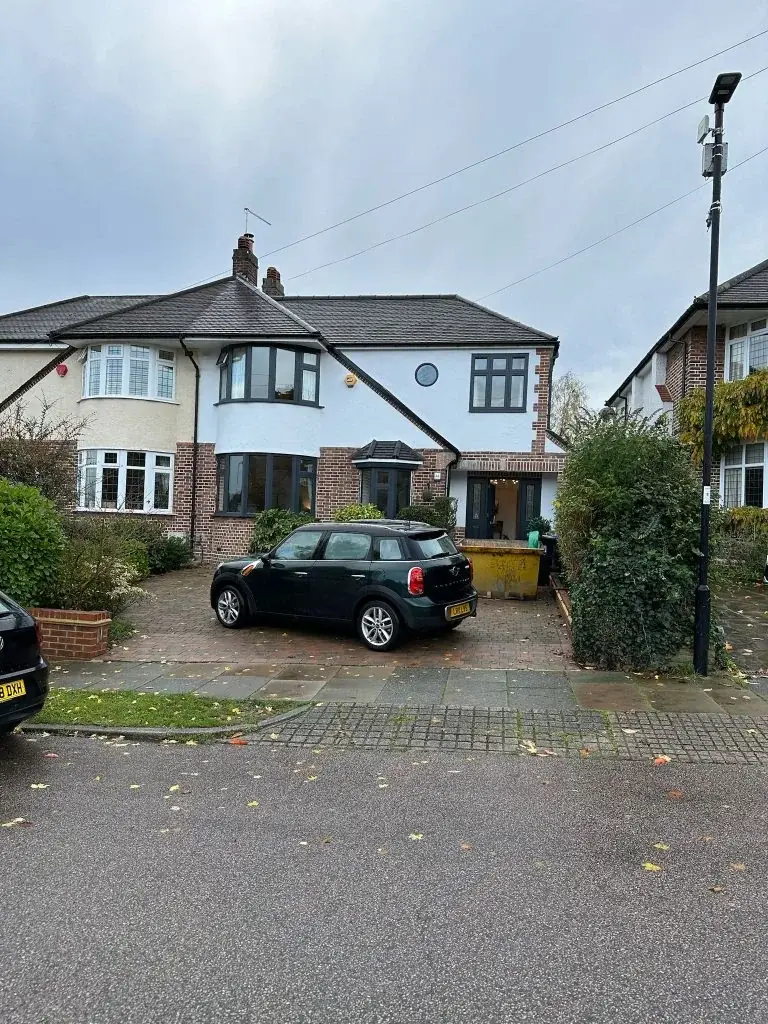
Because patios, paths and levels affect how water moves and how people use the back of the house. If the outside space is planned separately, it can create awkward steps, drainage issues or poor access from the rooms it serves.
What should be checked before replacing fences or gates?
Boundary ownership, access needs and how the new feature will be installed without causing disputes or blocking routes. If excavation or retained support is involved, the scope should also say so clearly.
Does soft landscaping come before all building work?
Usually not. It is often better to complete hard landscaping and any repair or excavation work first, then finish with lawns, planting and final making good once the heavy work is out of the way.
Planning and project guidance
- Tonbridge and Malling Borough Council · conservation rules and Tonbridge and Quarry Hill appraisals
- GOV.UK · Planning permission
- GOV.UK · Building regulations approval
- GOV.UK · Party walls and building work
Check the current guidance for your address before relying on a planning route. This guide is not a planning decision or a verified local case study.
Other services in Tonbridge








