
Kent · Tonbridge · Town service guide
Renderingin Tonbridge.
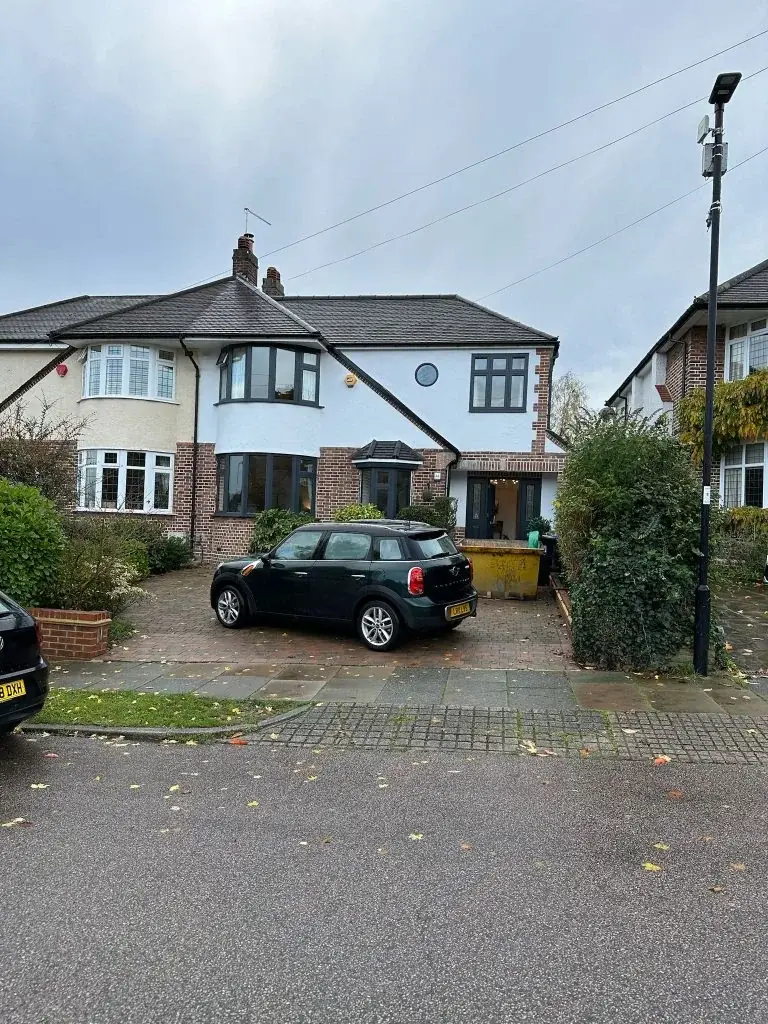
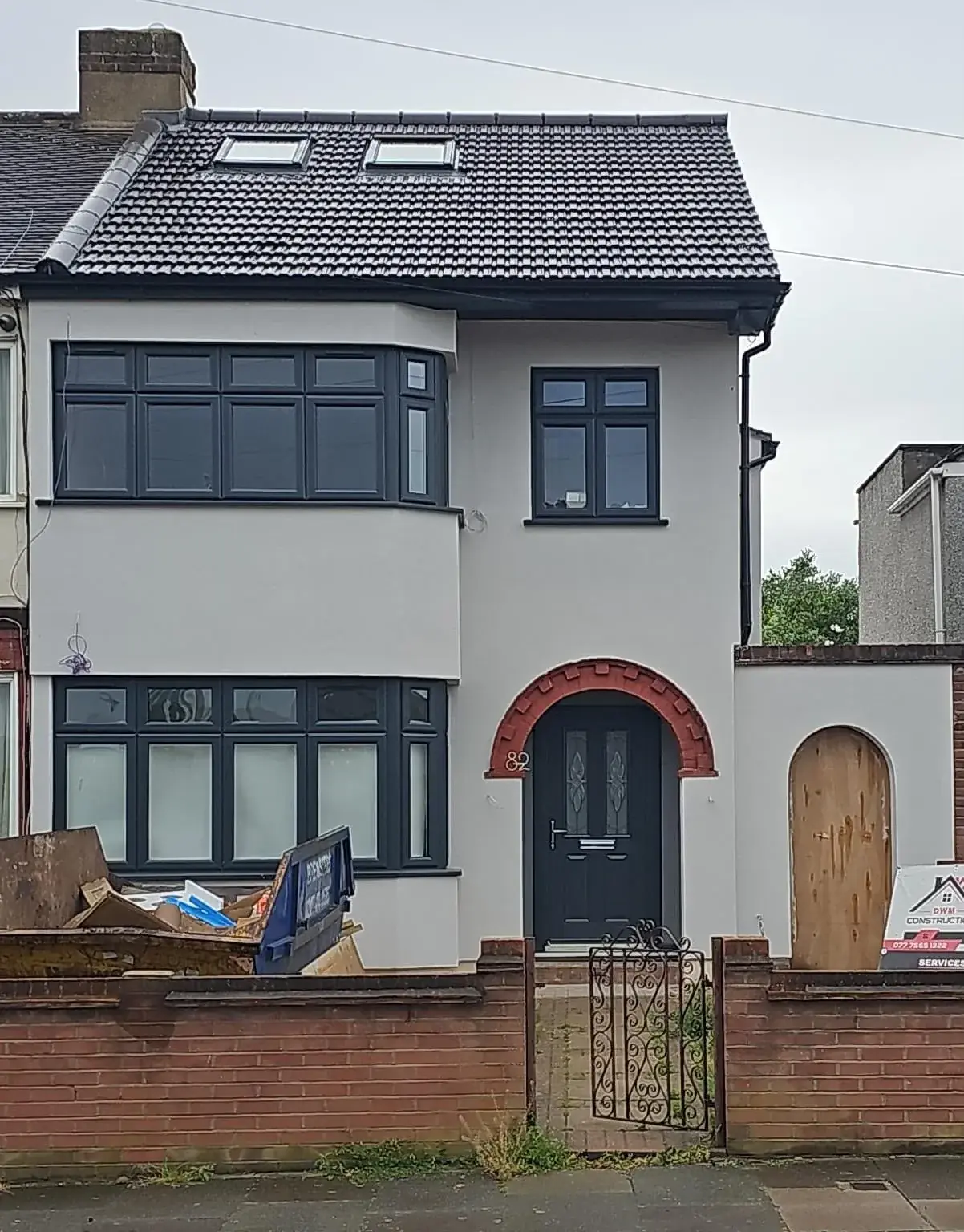
Rendering changes how an external wall looks, but it must also suit the construction below. The important decisions are about the wall’s condition, the compatibility of the system and how the finish will meet openings and adjoining materials.
- Service
- Rendering
- Town / city
- Tonbridge
- County
- Kent
- Next step
- Discuss your project
Your project brief
Check the wall before choosing the render system
Cracks, trapped moisture and weak backgrounds can undermine a new render if they are not dealt with first. The existing finish should therefore be assessed before any new material is specified, especially where the wall has already failed once.
Older walls may need a more breathable or compatible approach than a standard modern coating. The right system depends on what is underneath, so the new finish should follow the building’s needs rather than forcing the wall to suit a single product type.
Tonbridge address check for external finish decisions
For a Tonbridge property, use the council’s conservation mapping and request the relevant appraisal for the exact address before agreeing external rendering details. Tonbridge and Quarry Hill are listed separately in published guidance, so one town label is not enough to identify the right document. If the current file cannot be accessed online, confirm it directly; an unavailable document is not proof that no controls apply.
Design decisions
Treat edges and openings as part of the design
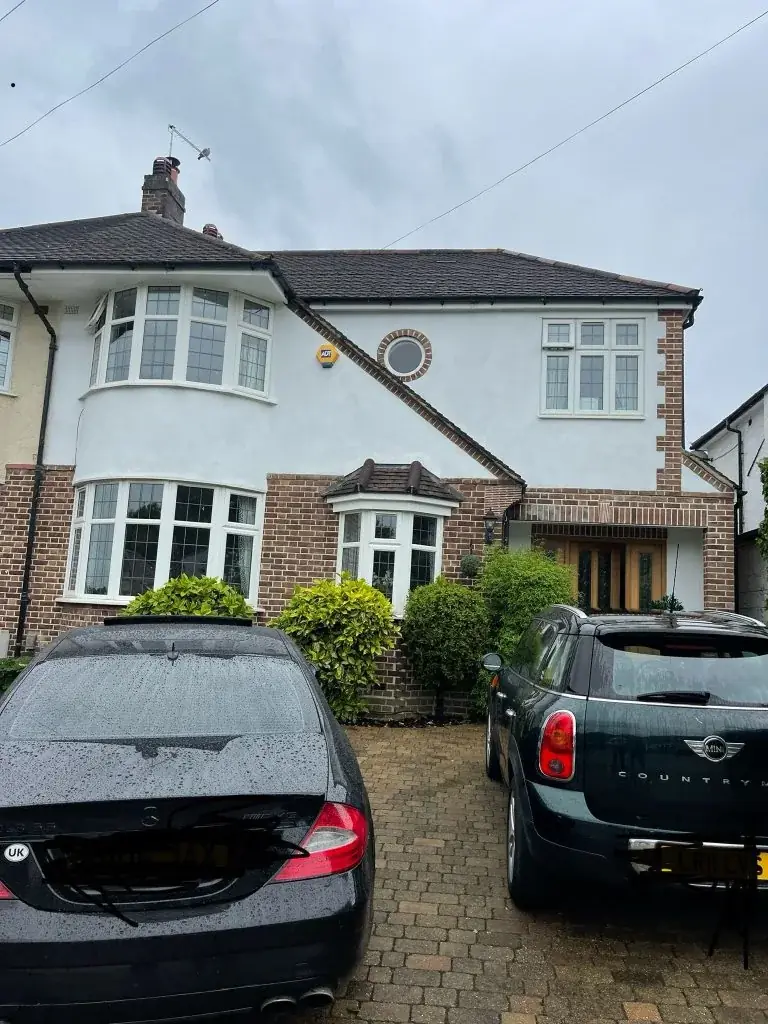
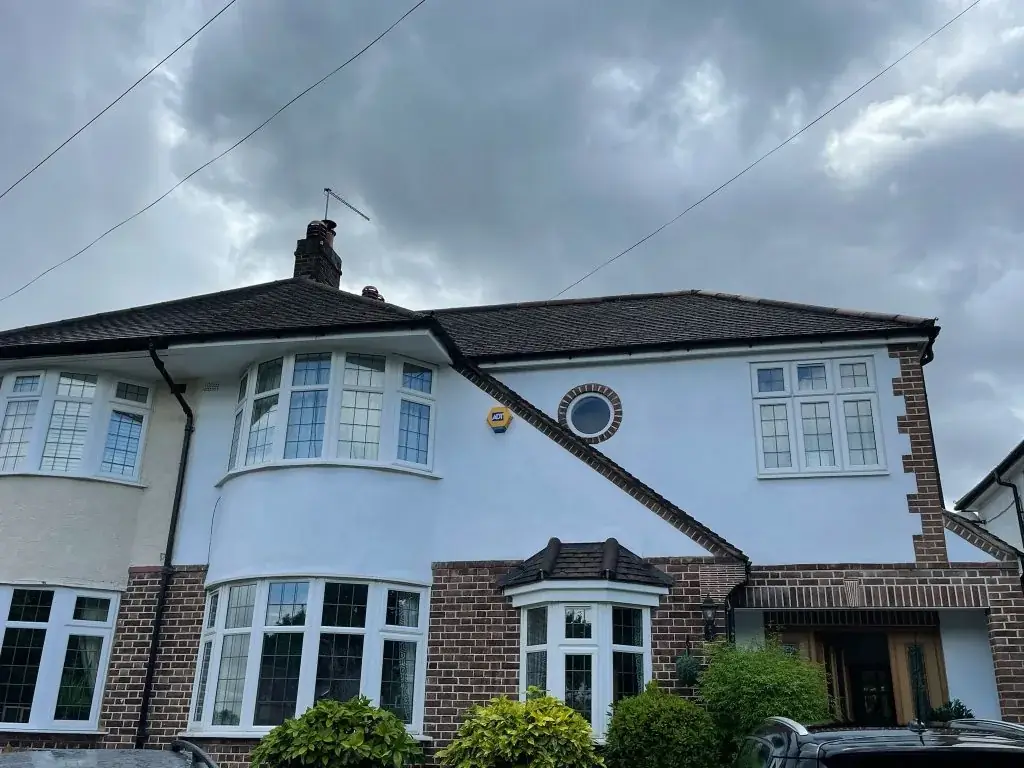
Rendering is not only about the flat wall surface. Junctions around windows, doors, roof edges and neighbouring materials must be planned so the finish can meet them neatly and shed water correctly.
It also matters whether repair or full replacement is needed. Some jobs need local patching, while others need a fuller rework of the wall finish. That distinction should be made before the scope is fixed, so the result is consistent rather than pieced together.
Design checks
Four things we confirm before drawing external rendering.
- 01Assess the external wall background and existing finish before specifying render.
- 02Decide whether the job is repair or full re-rendering.
- 03Check junctions around openings, roof edges and adjoining materials.
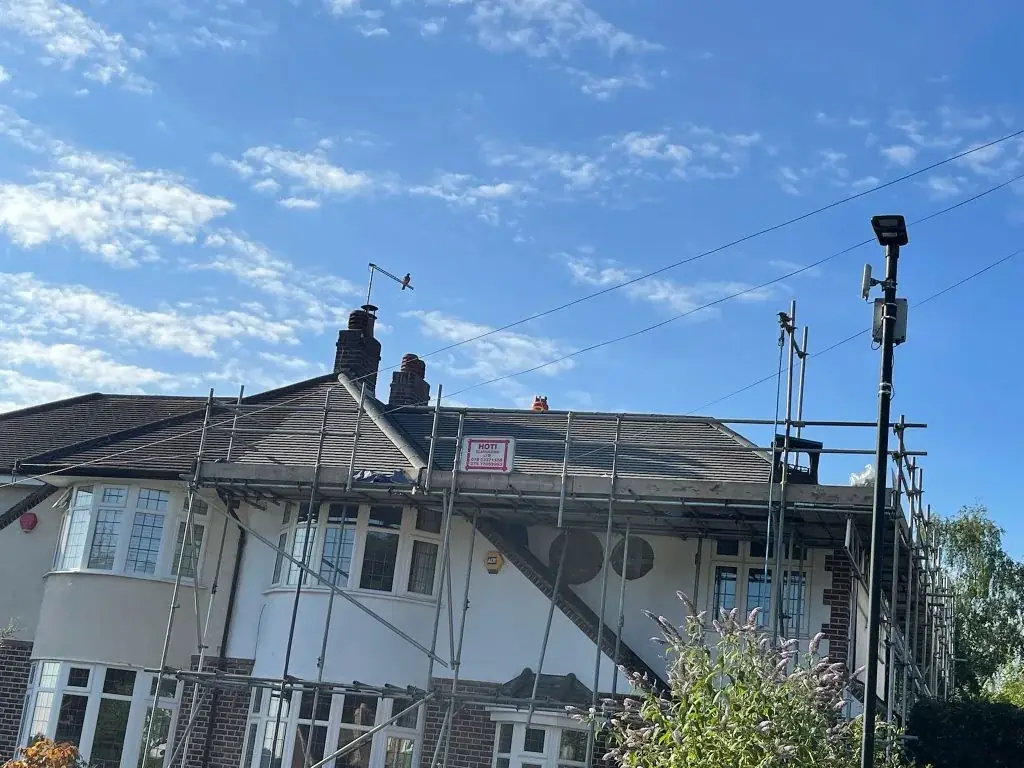
- 04Confirm the likely need for access arrangements before work starts.
Questions
Before you call about Tonbridge.
Why is render compatibility important?
Because a new finish has to work with the wall beneath it. If the background is too weak, too damp or not suited to the chosen system, the render can crack, detach or perform poorly over time.
Can failed render simply be patched?
Sometimes, but not always. If the failure is local and the wall remains sound, a repair may be enough. If the system is broadly unsuitable or the wall has wider problems, a fuller approach may be needed.
What details are most important around openings?
Windows, doors and roof junctions, because they are common places for water entry and visible flaws. Careful treatment there helps the whole external finish work properly.
Planning and project guidance
- Tonbridge and Malling Borough Council · conservation rules and Tonbridge and Quarry Hill appraisals
- GOV.UK · Planning permission
- GOV.UK · Building regulations approval
- GOV.UK · Party walls and building work
Check the current guidance for your address before relying on a planning route. This guide is not a planning decision or a verified local case study.
Other services in Tonbridge








