
Richmond upon Thames · West London
Gardensin Twickenham.
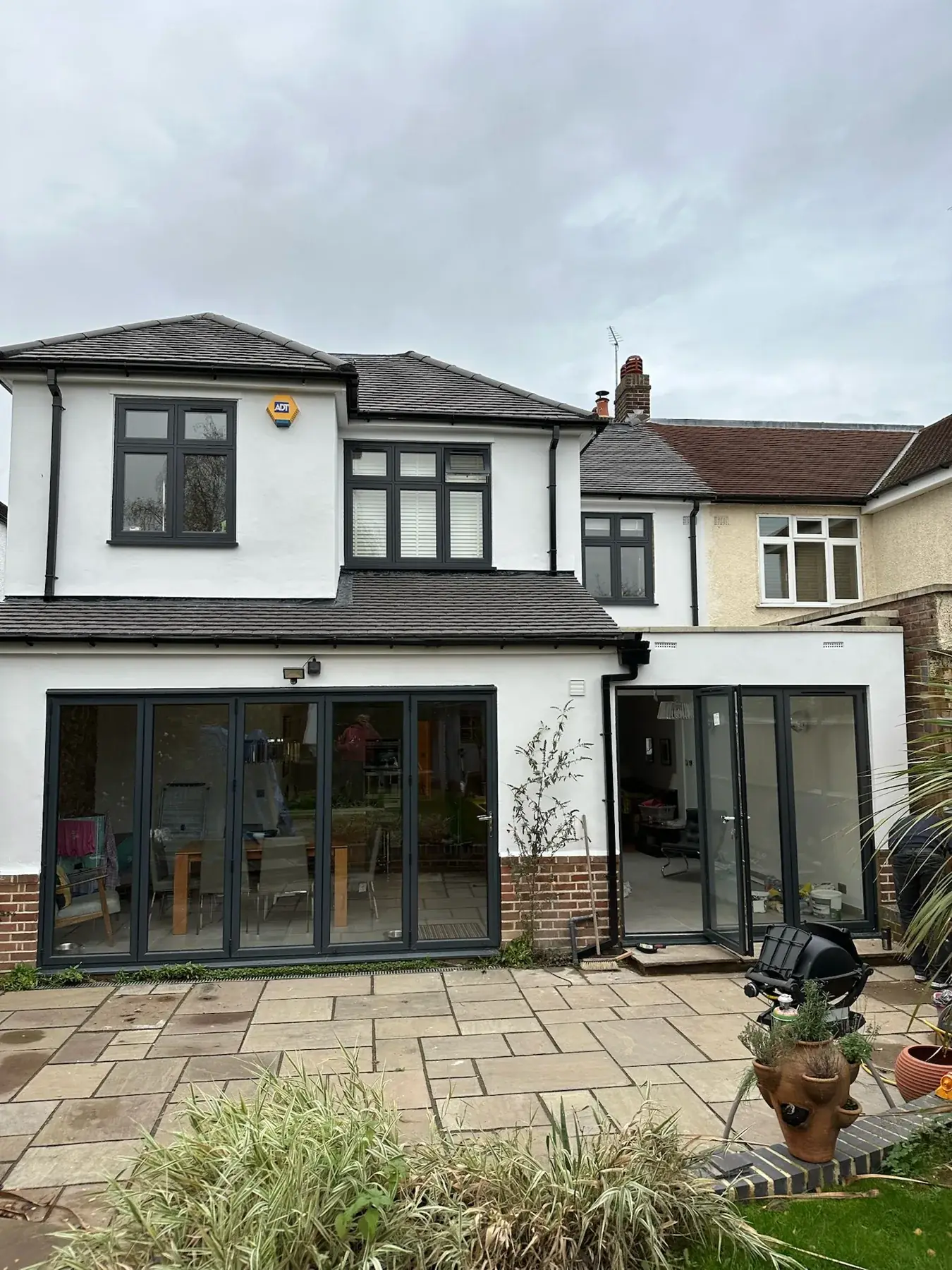
A garden works best when it feels like part of the home rather than a separate afterthought. The useful decisions are usually about levels, drainage, routes and where people will actually sit, walk or store things, not just about choosing a surface or a planting style.
- Service
- Gardens
- Neighbourhood
- Twickenham
- Borough
- Richmond upon Thames
- Next step
- Discuss your project
Your project brief
Shape the space around use, access and drainage
Before choosing paving or planting, think about how the garden needs to function. A path may need to be wider for regular movement, a patio may need to sit where the light is best, and changes in level may need to be handled safely so the garden remains easy to cross.
Drainage matters just as much as appearance. If water has nowhere to go, even a neat surface can become slippery or hard to maintain. A possible brief might combine a new seating area with better surface-water management, but the design has to suit the site rather than just the preferred finish.
Twickenham garden checks before landscaping starts
Richmond upon Thames notes that Article 4 Directions can apply to any home in the borough, and that some external changes may need permission depending on the exact property and the proposal. That is especially relevant where garden work affects front areas, boundary treatment or hard surfacing. The address must be checked first; borough-wide facts do not tell you whether your specific garden is restricted.
Design decisions
Coordinate external work with the house project
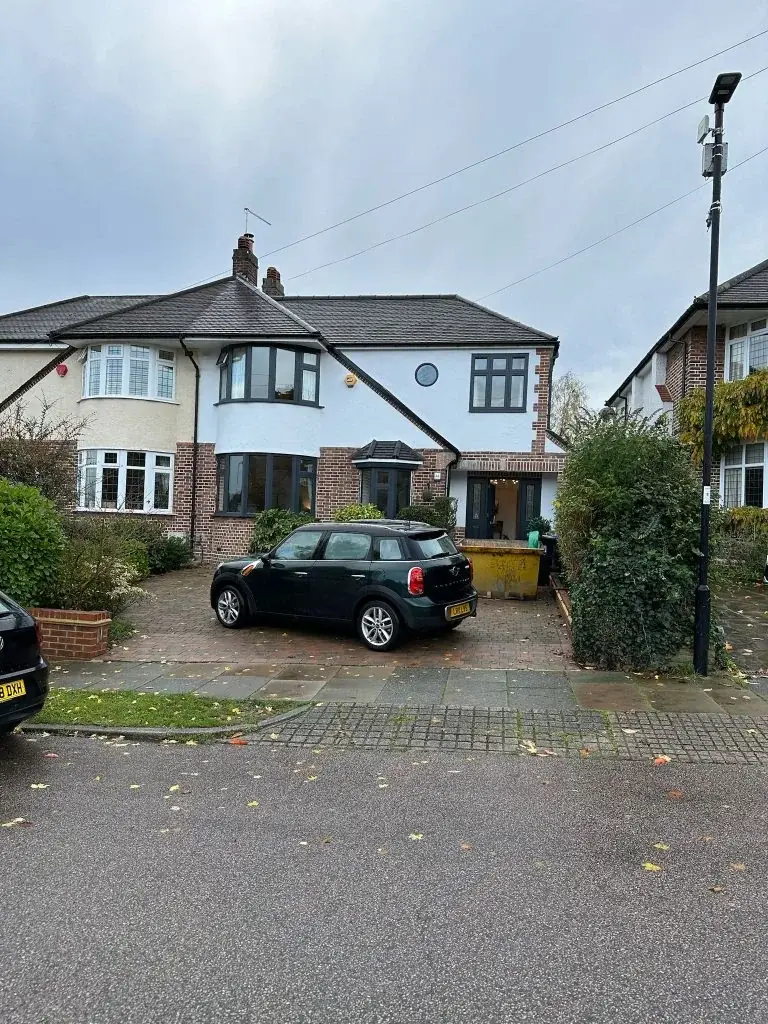
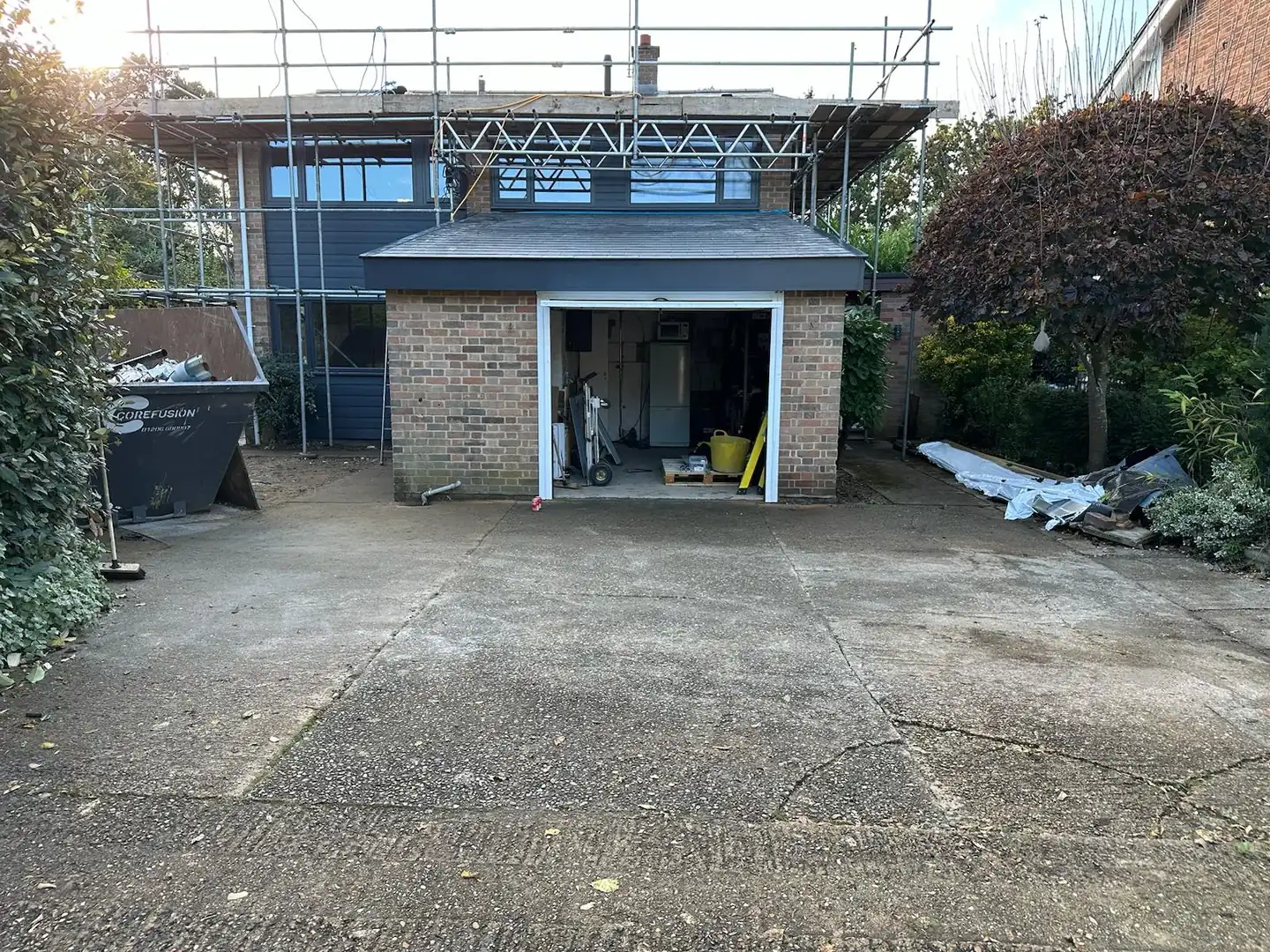
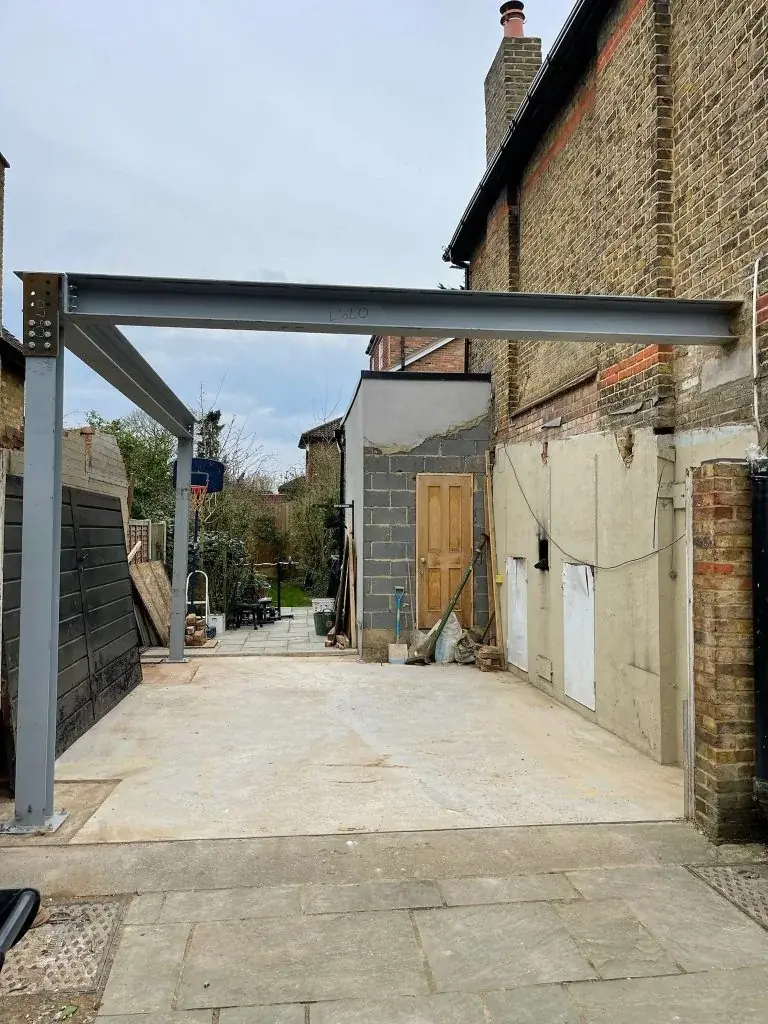
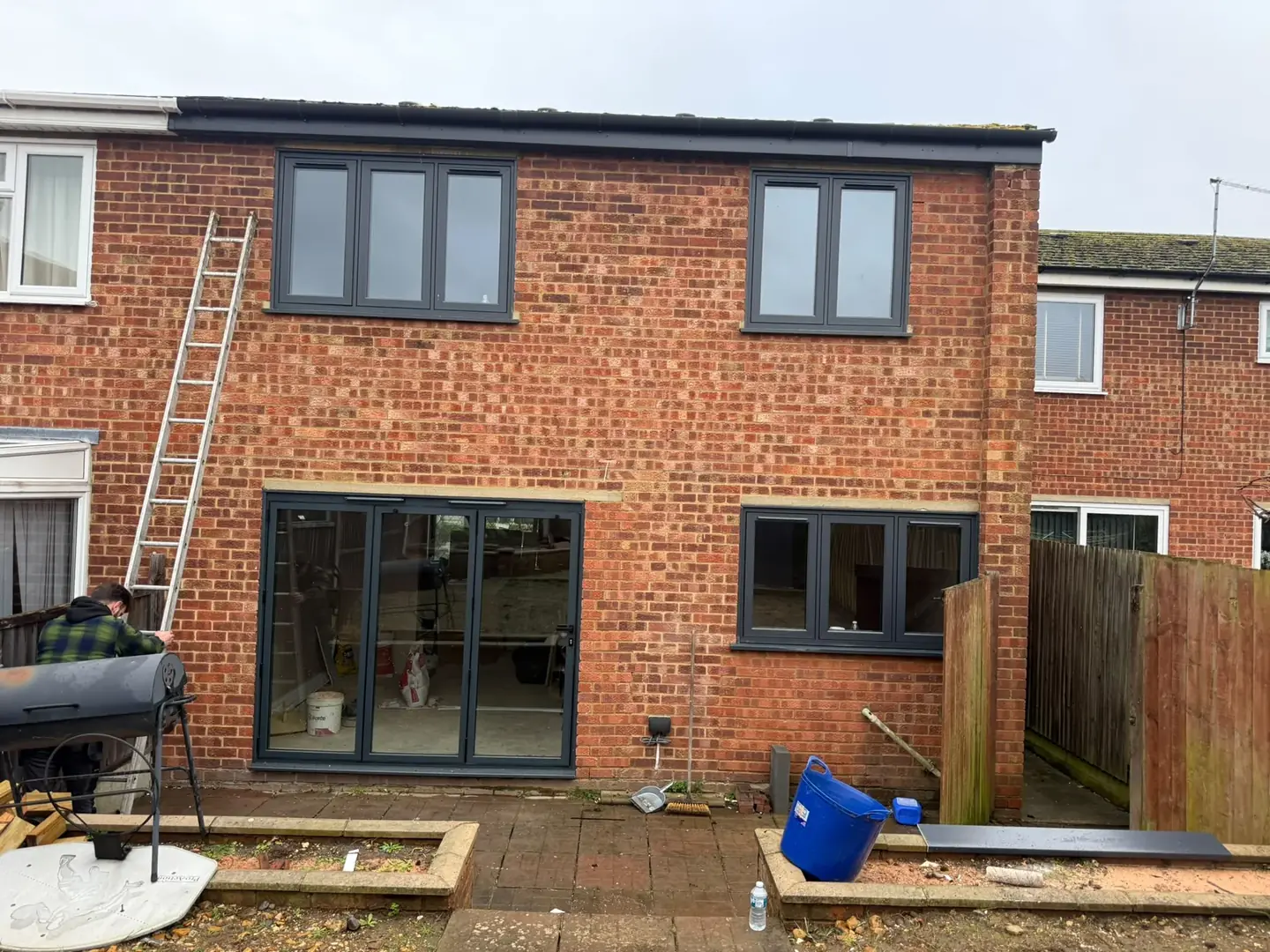
Garden work often happens alongside a refurbishment, so the sequence should be planned carefully. Access for materials, protection for doors and thresholds, and making good where the house meets the garden all need to be agreed before work starts. Otherwise the new exterior can be damaged by the very project meant to improve it.
Boundary features should also be checked before they are changed. Ownership, access and the condition of existing walls or fences all matter, especially where the garden edge is being reset. Clear decisions on these points help prevent disputes later and make the finished space easier to maintain.
Design checks
Four things we confirm before drawing garden improvements.
- 01Check levels, access and surface-water behaviour before choosing materials.
- 02Confirm how the garden connects to doors, thresholds and paths.
- 03Establish ownership and condition before changing boundaries or fences.
- 04Plan ground preparation and making good as part of the main scope.
What should come first in a garden project?
Function. Decide how people will move, sit and access the space, then choose the surface and planting to suit those uses. That makes the result more durable and easier to live with.
Why is drainage part of the design rather than a later fix?
Because standing water can affect the use and maintenance of the whole area. If drainage is only considered after the hard landscaping is finished, it may be difficult to correct without redoing work.
Do boundary changes need checking before work begins?
Yes. You should know what is owned, what is shared and whether anything existing is being altered or replaced. That avoids problems over gates, fences and walls once the work is underway.
Planning and project guidance
- Article 4 Directions - Conservation areas - London Borough of Richmond upon Thames
- GOV.UK · Planning permission
- GOV.UK · Building regulations approval
- GOV.UK · Party walls and building work
Check the current guidance for your address before relying on a planning route. This guide is not a planning decision or a verified local case study.
Other services in Twickenham








