
Richmond upon Thames · West London
Renderingin Twickenham.
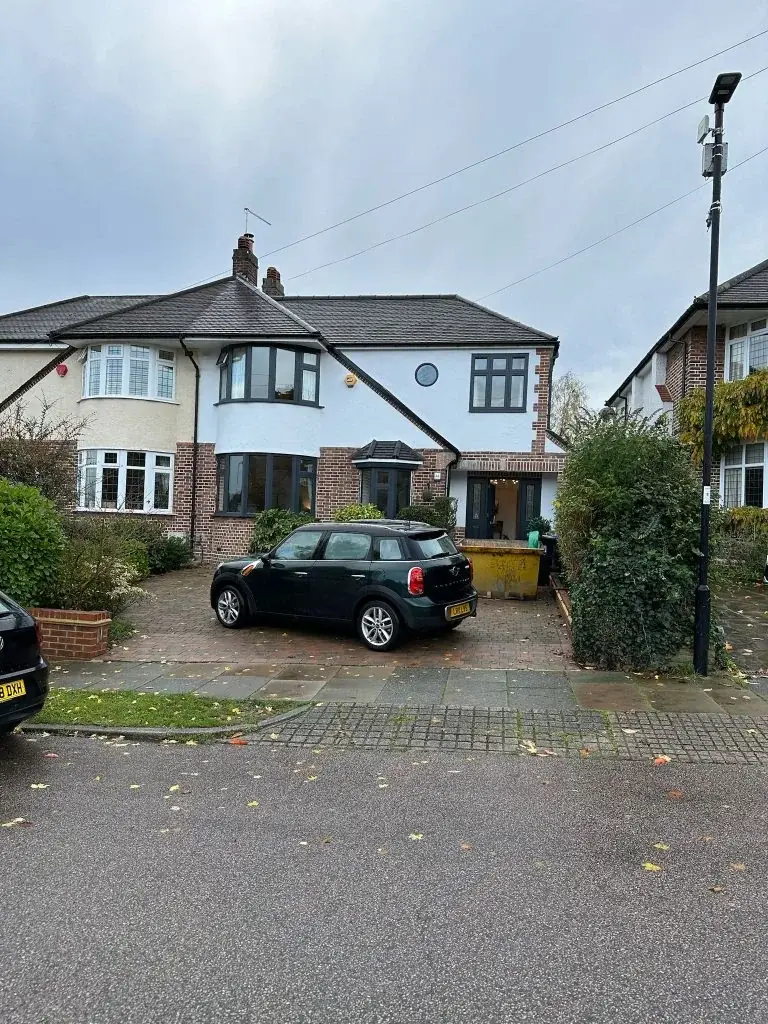
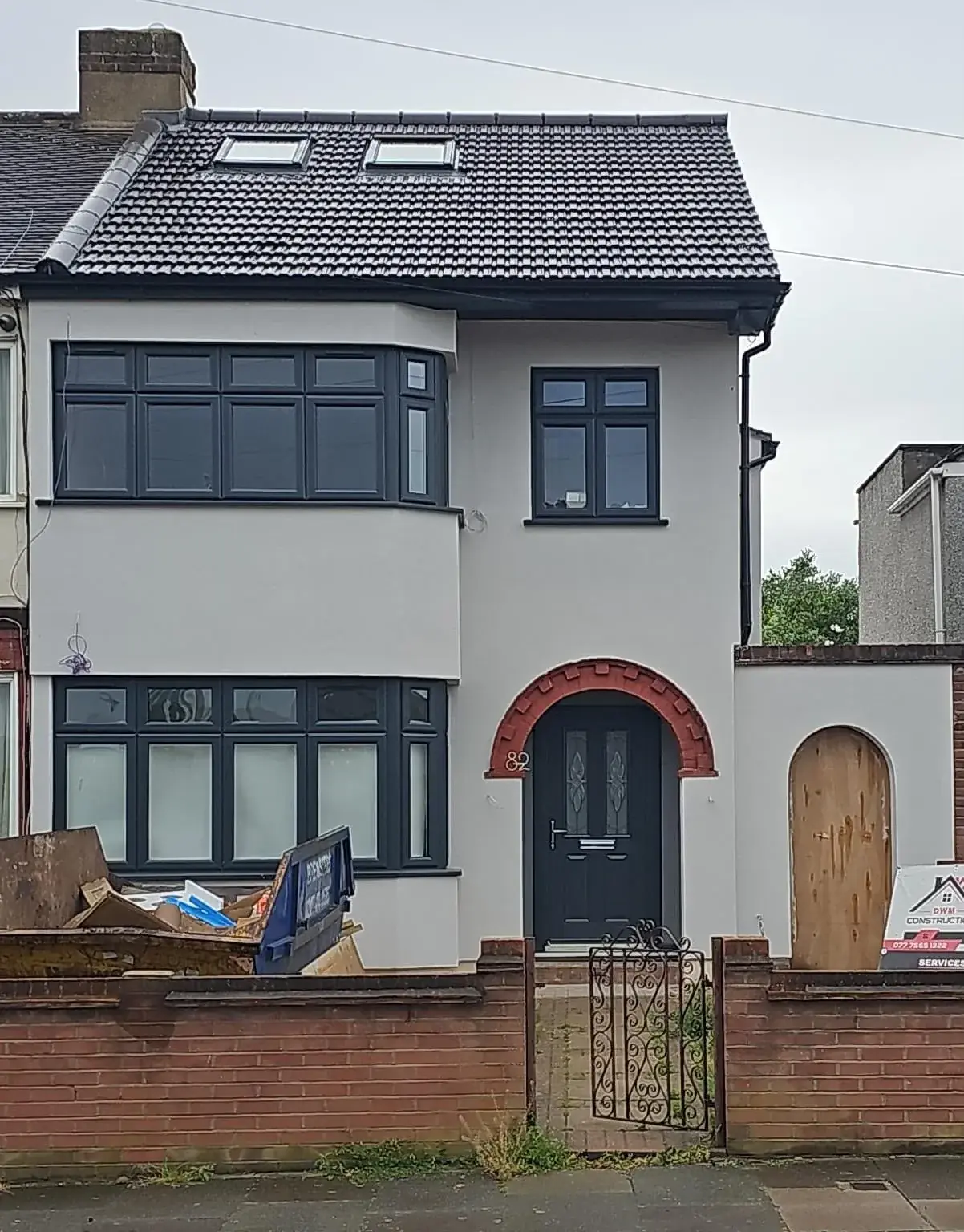
Rendering is not just a new face for a wall; it has to suit the wall underneath. The right decision depends on the substrate, the current condition of the external wall and how the new finish will meet openings, roof lines and adjoining materials.
- Service
- Rendering
- Neighbourhood
- Twickenham
- Borough
- Richmond upon Thames
- Next step
- Discuss your project
Your project brief
Match the render system to the wall beneath it
The first question is whether the existing wall is sound enough for the chosen render approach. Cracks, loose areas, past repairs and mismatched materials can all affect adhesion and durability. If the background is unsuitable, the finish may fail early or look uneven once weather starts to expose the weak points.
A possible brief might involve repairing a local patch, while another might call for removal of failed render before a new system is applied. Those are different decisions, and the right one depends on what the wall needs rather than simply how much of it is visible from the outside.
Twickenham render checks before the exterior is changed
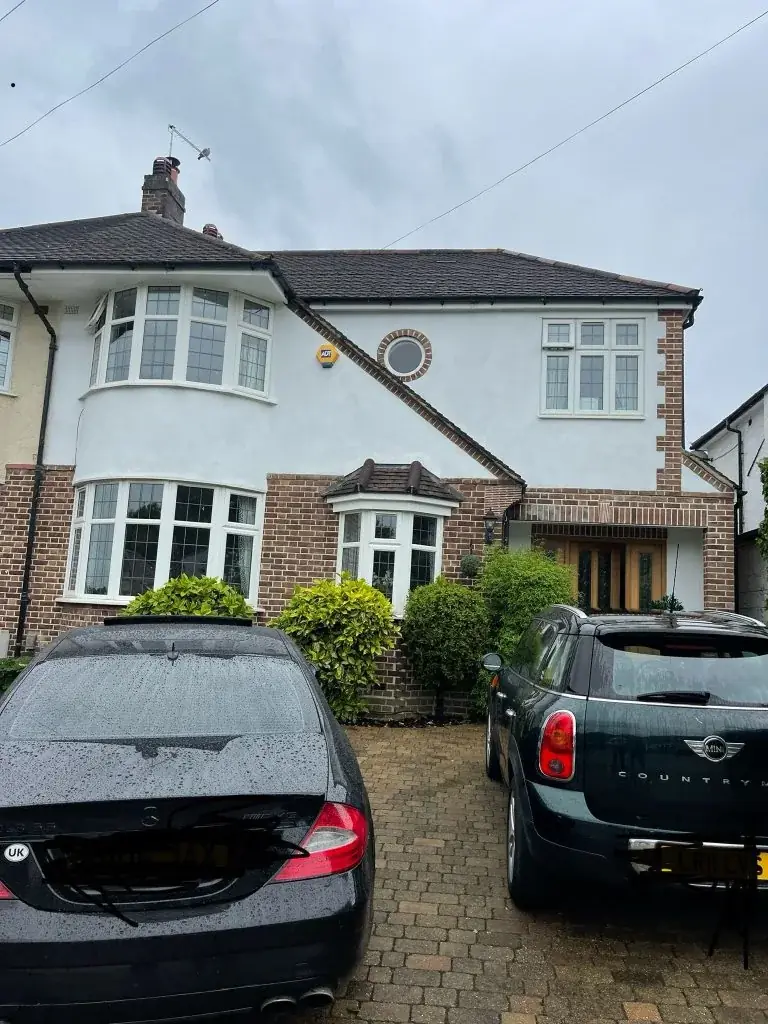
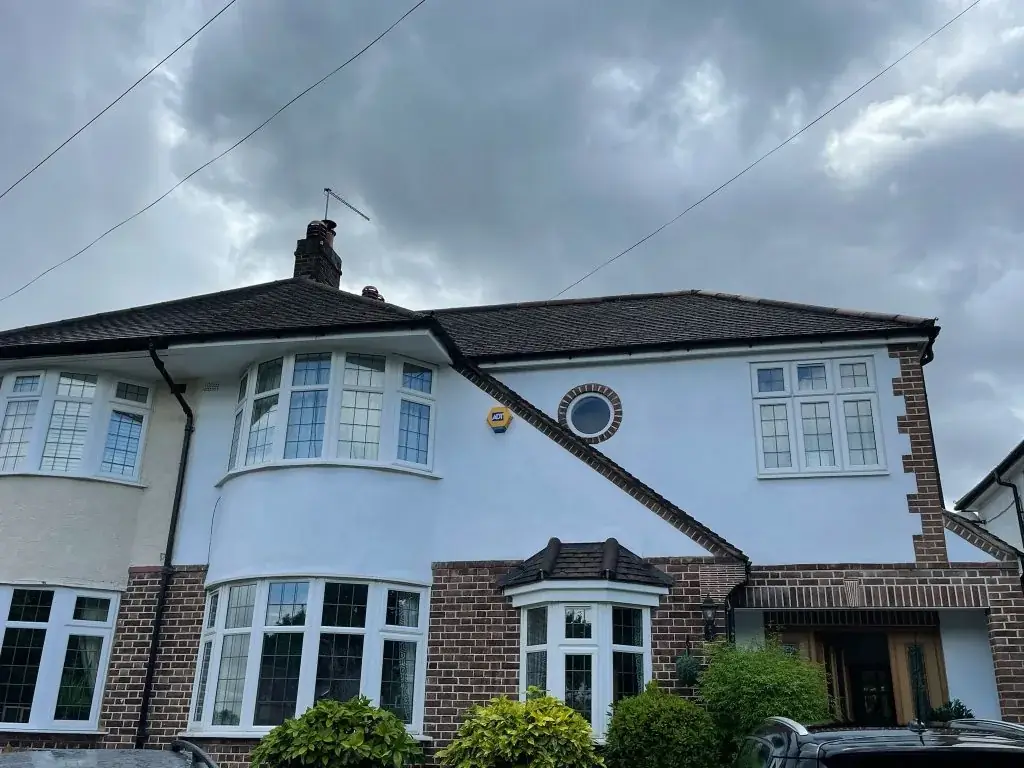
Richmond upon Thames notes that Article 4 Directions can apply to any home in the borough, and its guidance specifically includes painting and rendering brickwork among the kinds of changes that may need permission where a direction applies. That does not mean every Twickenham wall is restricted, but it does mean the exact property should be checked before the render scope is finalised.
Design decisions
Plan details and access before the finish goes on
Render work should also account for junctions at windows, doors, roof edges and adjoining surfaces. These details often determine whether the finished wall sheds water properly and whether the result looks neat at the boundaries. Small mistakes there can undermine a good finish across the whole elevation.
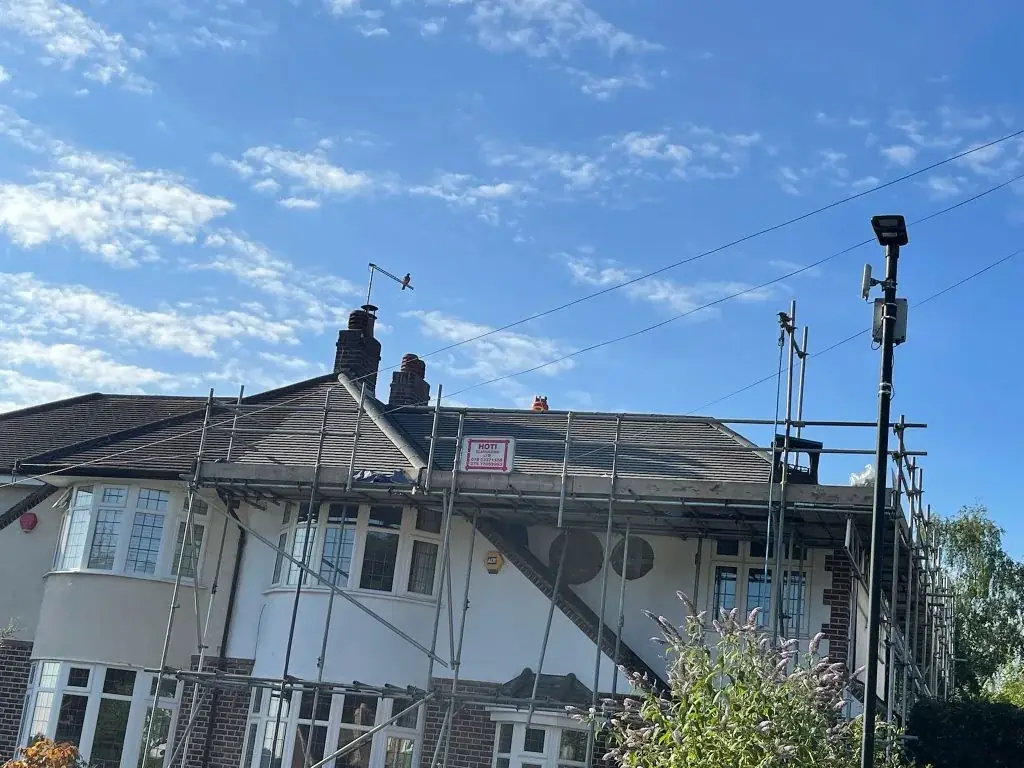
Access should be considered early too, especially on higher walls or awkward sides of the property. The scope needs to state how much preparation, repair and finishing is included, so the homeowner understands whether the job is a local repair, a broader recoat or a more extensive external improvement.
Design checks
Four things we confirm before drawing external rendering.
- 01Check the condition of the wall before choosing a render system.
- 02Decide whether failed render is being repaired or removed first.
- 03Review junctions at openings, roof edges and adjoining materials.
- 04Confirm safe access and the extent of preparation in the scope.
Questions
Before you call about Twickenham.
How do I know if a wall is ready for rendering?
It needs to be stable, suitably prepared and compatible with the chosen system. Loose, damp or mixed-condition areas should be checked first, because the render can only perform as well as the wall beneath it.
Is render just a cosmetic change?
No. It changes appearance, but it also depends on the condition of the background and the details around edges and openings. Those practical issues should be planned, not treated as an afterthought.
Why do junctions matter so much in render work?
Because the points where materials meet are often the weak spots. Good detailing there helps the wall look finished and perform properly in weather exposure.
Planning and project guidance
- Article 4 Directions - Conservation areas - London Borough of Richmond upon Thames
- GOV.UK · Planning permission
- GOV.UK · Building regulations approval
- GOV.UK · Party walls and building work
Check the current guidance for your address before relying on a planning route. This guide is not a planning decision or a verified local case study.
Other services in Twickenham








