
Richmond upon Thames · West London
Plumbingin Twickenham.
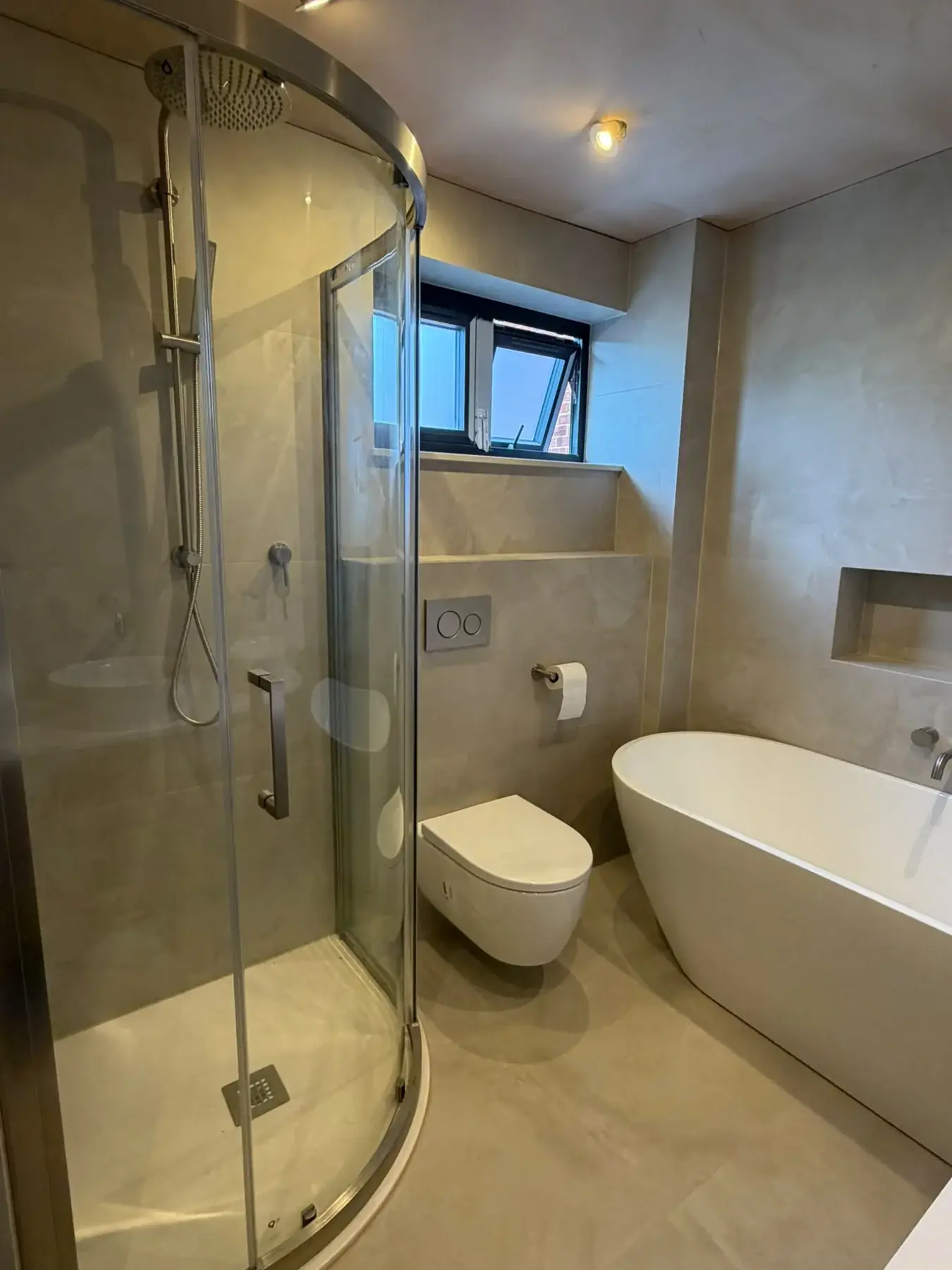
Plumbing decisions affect the room layout before they affect the taps. Moving a sink, reshaping a bathroom or changing a kitchen run can all require a rethink of supplies, wastes and access. The safest approach is to define the plumbing job before walls are closed and finishes are ordered.
- Service
- Plumbing
- Neighbourhood
- Twickenham
- Borough
- Richmond upon Thames
- Next step
- Discuss your project
Your project brief
Start with routes, access and existing pipework
The key question is not only where the appliance or basin will sit, but how water will reach it and waste will leave it. That means checking existing pipe routes, the condition of visible pipework and whether there is enough access for alterations without damaging the rest of the room.
If the project is a renovation, older pipework may already be in an awkward position. For example, a possible brief might move a sink from one wall to another, but that decision only works if the new route can be achieved cleanly and the surrounding structure can still be finished properly.
Twickenham plumbing checks for a planned job
Richmond upon Thames advises homeowners to check the exact property because Article 4 Directions can affect any home in the borough. That matters if plumbing work is tied to external alterations, new openings or a wider refurbishment. For internal pipe changes, the main point is to confirm whether any separate planning or ownership consent applies to the exact address before work is set in motion.
Design decisions
Coordinate plumbing with the rest of the build
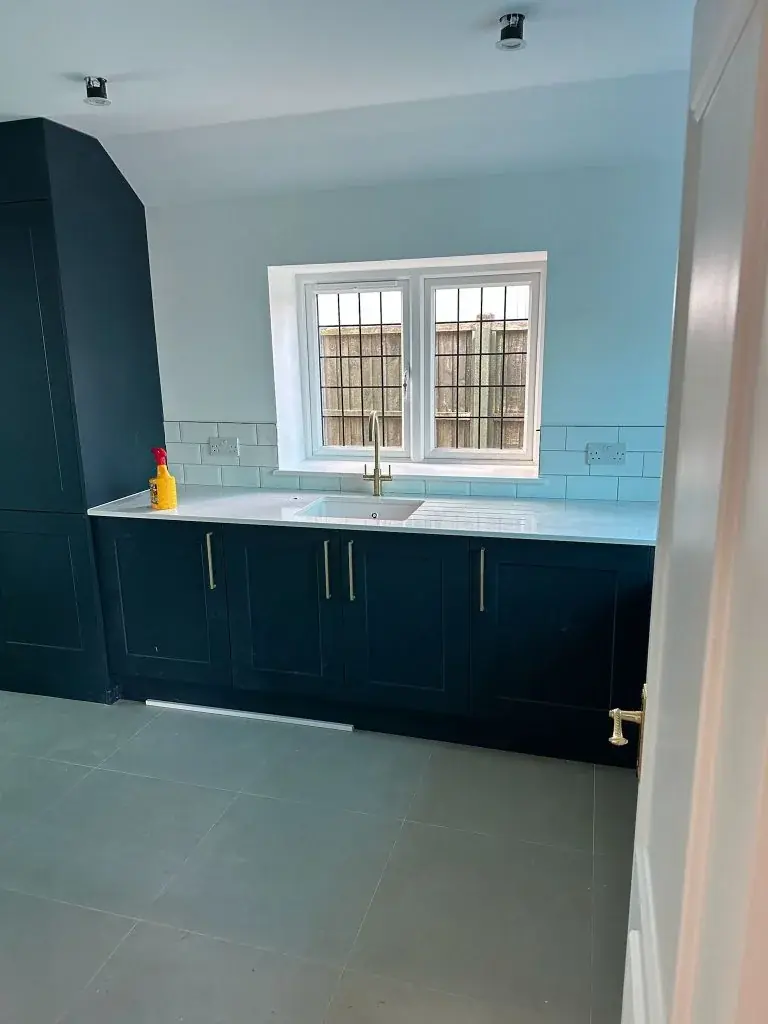
Plumbing should be planned alongside cabinetry, tiling, flooring and electrical work. First-fix and second-fix stages need to be sequenced so pipework is in place before finishes go in, but not so early that it conflicts with structural or layout changes still being decided.
The scope should clearly state what is included: new connections, alterations to existing runs, sanitaryware fitting and any investigation of accessible pipework. If there is a hidden issue, such as a blocked route or failed valve, that needs to be identified as a separate task rather than assumed to be part of a simple installation.
Design checks
Four things we confirm before drawing plumbing work.
- 01Confirm water supply and waste routes before choosing the layout.
- 02Check the condition and access of any existing pipework.
- 03Sequence first-fix work before finishes and second-fix later.
- 04Set out what investigation and replacement work is included in writing.
Questions
Before you call about Twickenham.
Why does plumbing need layout decisions so early?
Because the position of a basin, toilet or appliance affects pipe routes, access and the space available for other items. If you leave plumbing until the end, the chosen layout may not be practical to build.
What should be checked in older pipework?
Look for accessible signs of wear, awkward routing and whether the pipework can be altered without unnecessary damage to finishes. If anything looks uncertain, the job should include investigation rather than assumptions.
How should plumbing work be split in a refurbishment?
It is best divided into first-fix changes, fixture installation and any separate investigation or repair items. That keeps the project clear and avoids mixing hidden work with visible finishing tasks.
Planning and project guidance
- Article 4 Directions - Conservation areas - London Borough of Richmond upon Thames
- GOV.UK · Planning permission
- GOV.UK · Building regulations approval
- GOV.UK · Party walls and building work
Check the current guidance for your address before relying on a planning route. This guide is not a planning decision or a verified local case study.
Other services in Twickenham








