
Bexley · South London
Plumbingin Welling.
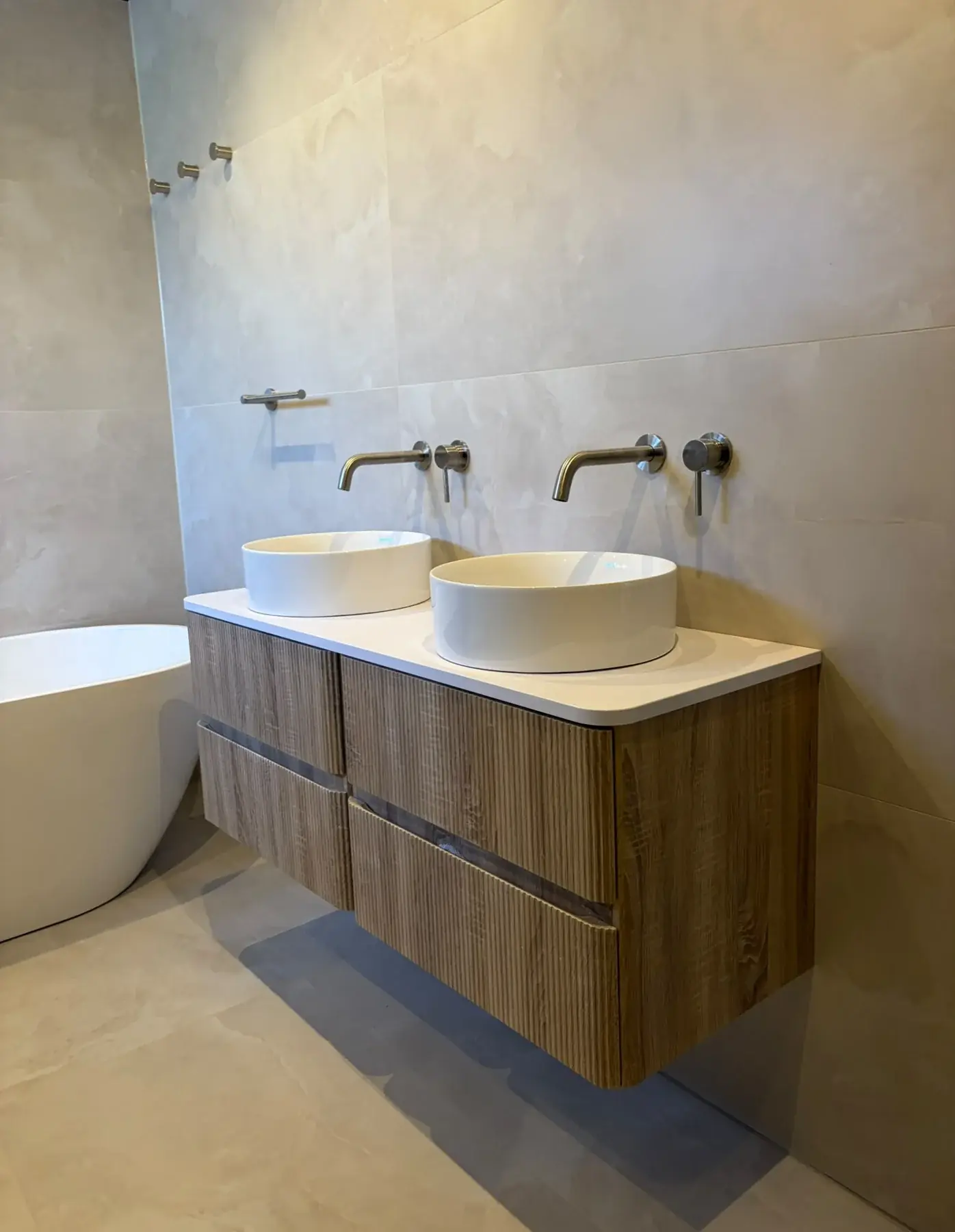
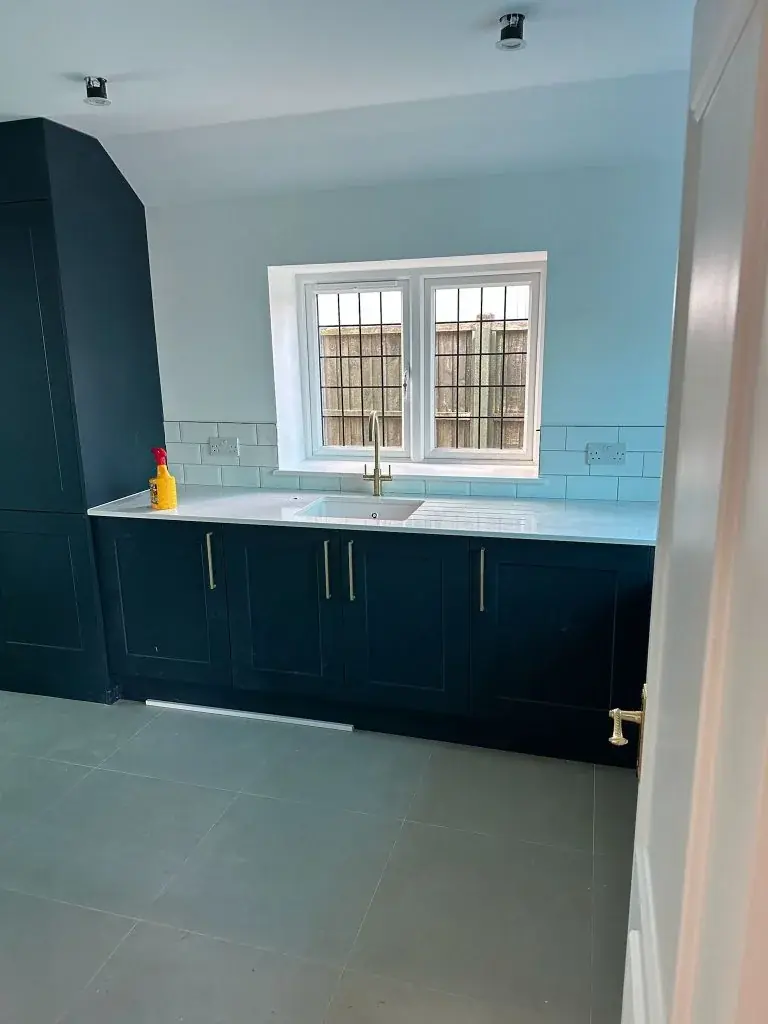
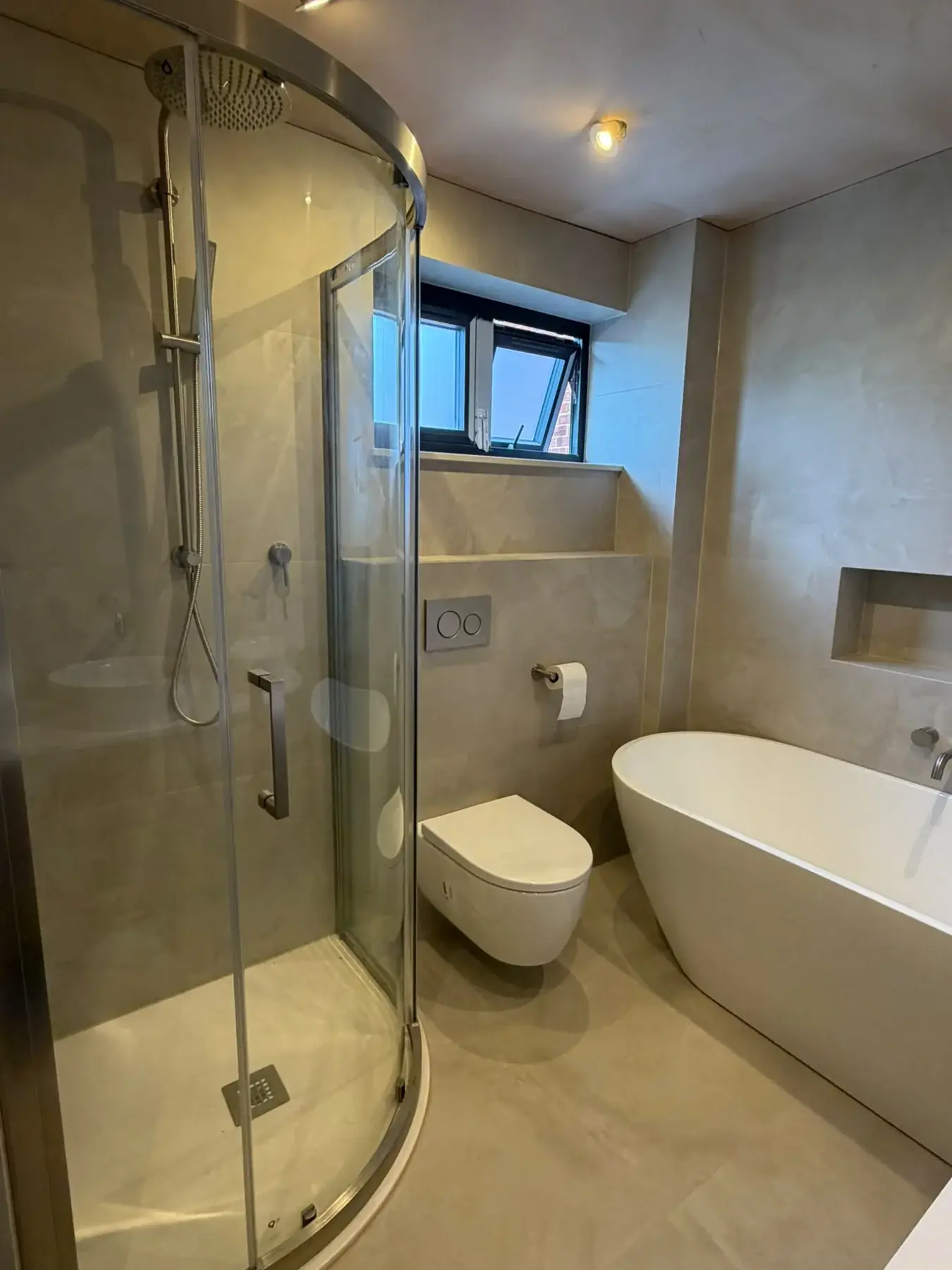
Plumbing decisions are easiest to make before finishes go on. A new sink position, bathroom change or kitchen move can alter pipe routes, access and the way nearby rooms are patched and decorated, so the scope should be fixed before the space is closed up.
- Service
- Plumbing
- Neighbourhood
- Welling
- Borough
- Bexley
- Next step
- Discuss your project
Your project brief
Plan around the route, not only the fitting
The visible sink, bath or appliance is only part of the job. The route of the supply and waste pipes, the access needed for maintenance and the condition of the existing pipework all affect whether the change is straightforward or needs more investigation. That is especially important when the work passes through a room below or behind the main area.
If the layout is changing, the rooms around the plumbing work may need local repairs after access openings, boxing-in or service alterations. A proper brief says which surfaces will be opened, what will be reinstated and who is responsible for the making good.
Bexley checks for plumbing linked to home alterations
Bexley’s heritage guidance refers to listed buildings, locally listed buildings, conservation areas, Article 4 directions and archaeology-related designations. Those are borough facts, not a statement about any specific Welling property. If plumbing work affects historic fabric or requires openings in a listed building, the address needs checking against the relevant status before the scope is finalised.
Design decisions
Separate planned alteration from fault finding
Plumbing work for a refurbishment is different from simply chasing a leak. Planned changes can be mapped into the project, while unexpected defects need an agreed investigation scope before they are opened up. That distinction matters because hidden issues can expand a small job if nobody has defined the limit of inspection.
Homeowners should also ask what will be left accessible after the work. Good plumbing is not only about hiding pipework neatly; it is about allowing practical access where maintenance is sensible.
Design checks
Four things we confirm before drawing plumbing work.
- 01Confirm the new route for water and waste before chasing walls or floors.
- 02Agree which surfaces will be opened and how they will be made good.
- 03Check whether existing pipework needs investigation or replacement within scope.
- 04Ask what access will remain for future maintenance and inspections.
How do plumbing changes affect rooms below or behind the work?
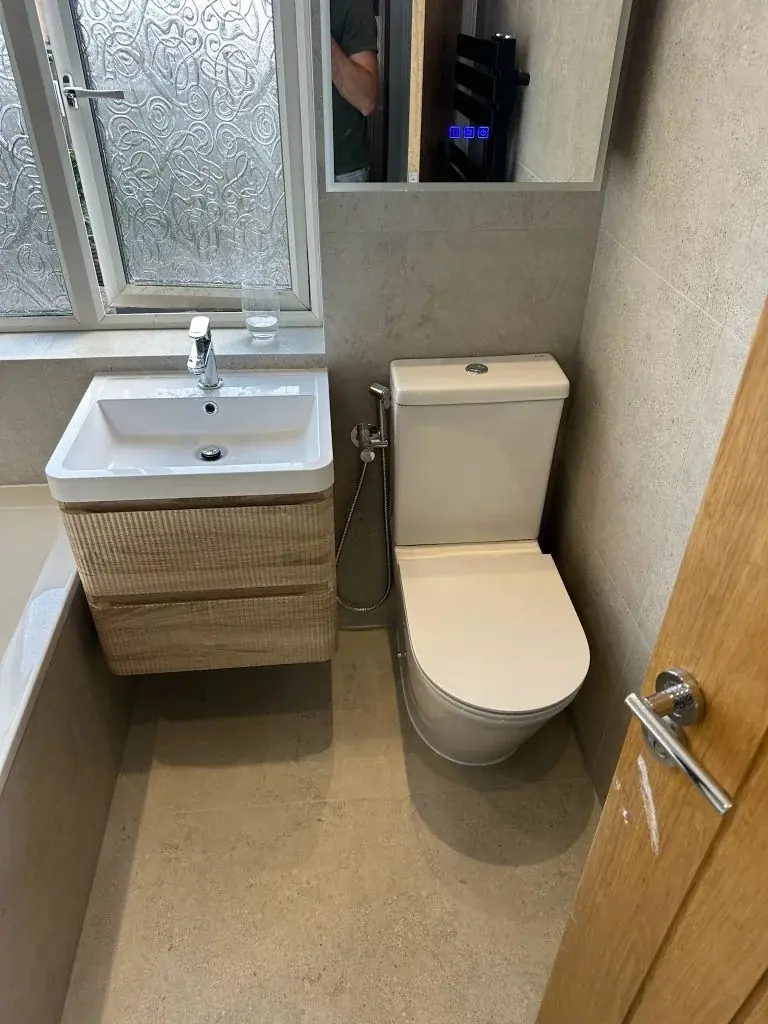
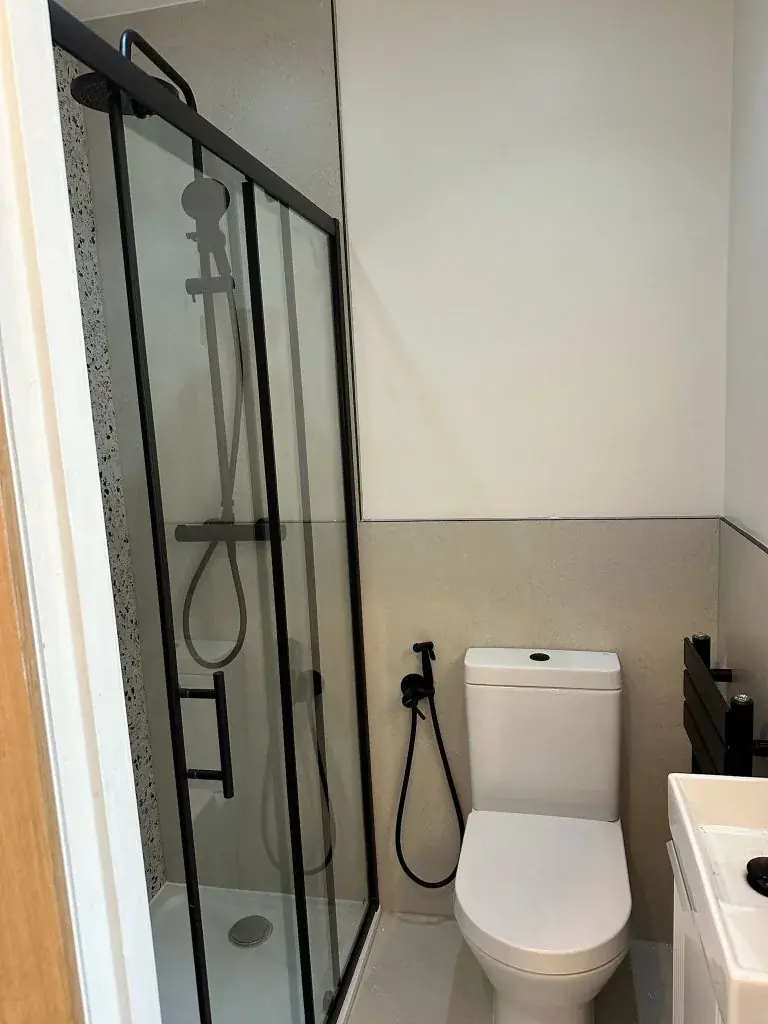
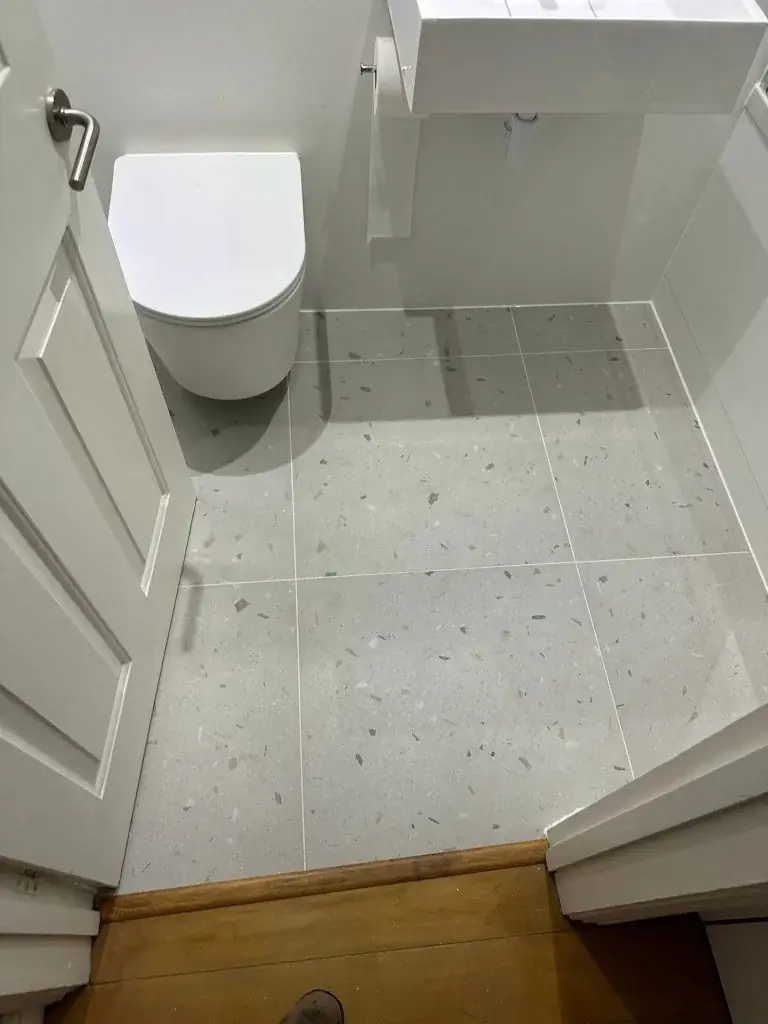
Pipe routes, access openings and boxing-in can change ceilings, walls and finishes in adjacent rooms. A good survey should identify where those knock-on repairs will happen so they can be included in the scope from the start.
What should I ask for at handover after plumbing work?
Ask what was altered, what remains accessible, and whether any tests or completion records are available for the installed work. You should also confirm which making-good items are included and which are outside the plumbing contract.
Is it sensible to replace visible fittings without checking the pipework?
Only if the pipework has been assessed. New fittings can still depend on old supply or waste routes, so it is wiser to check the hidden condition first and avoid repeating the same work later.
Planning and project guidance
- Conservation and Heritage | London Borough of Bexley
- GOV.UK · Planning permission
- GOV.UK · Building regulations approval
- GOV.UK · Party walls and building work
Check the current guidance for your address before relying on a planning route. This guide is not a planning decision or a verified local case study.
Other services in Welling








