
Brent · West London
Doorsin Wembley.
A door is only successful when it fits the opening, the room and its intended use. The main decision is whether the existing frame can stay, and how the new door will work with the surrounding finishes and hardware.
- Service
- Doors
- Neighbourhood
- Wembley
- Borough
- Brent
- Next step
- Discuss your project
Your project brief
Decide whether the frame and opening can be retained
Door work starts with the opening itself. If the frame is sound and the dimensions are suitable, replacement may be straightforward. If not, the surrounding joinery and making-good may need more attention so the new door sits properly and opens cleanly.
That decision matters because a door fitted to a poor frame can drag, rattle or leave awkward gaps. Before ordering the new leaf, the clearances, the condition of the lining and the finished floor levels should all be checked so the result suits the room.
Wembley and Brent checks for door changes
Brent’s heritage pages show that listed buildings and conservation areas can affect external changes, but the exact address must be checked before assuming any restriction applies. Internal door replacement may be a straightforward joinery job, yet in a listed building even internal changes can need consent if character is affected. Use the property-specific planning search first, not the neighbourhood name alone.
Design decisions
Match the hardware and performance to the use of the door
Handles, hinges, latches and other ironmongery should be chosen for how the door will be used, not as an afterthought. The hardware affects durability and the feel of the room, and it must suit the size and weight of the door.
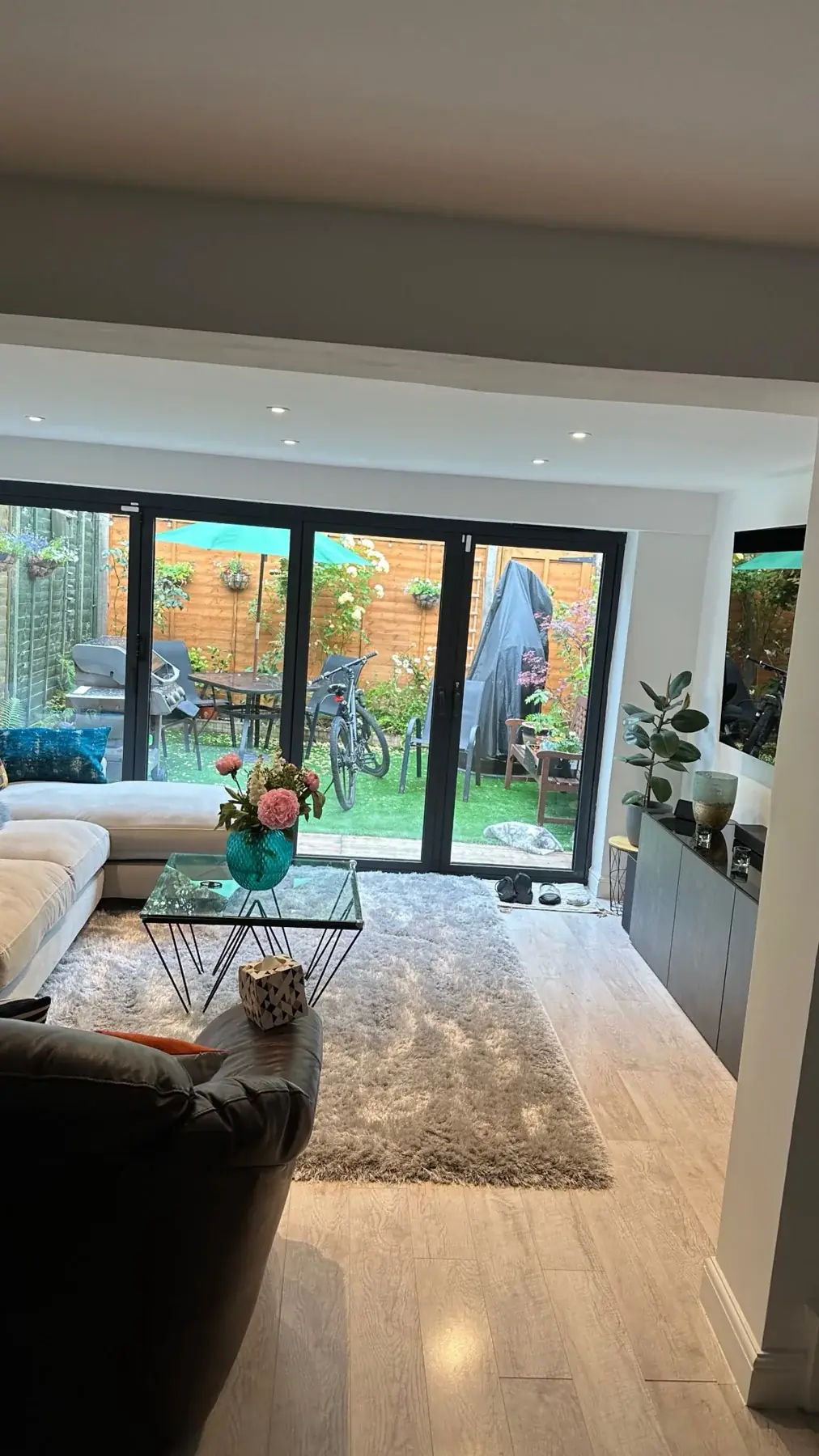
If the work involves an external door or an altered opening, the relevant installation requirements need to be considered. For example, a possible brief might involve a front door replacement and a revised threshold; that brings security, weathering and finishes into the same decision rather than treating them separately.
Design checks
Four things we confirm before drawing door installation.
- 01Internal door replacement and fitting within an agreed joinery scope.
- 02Frames, linings, architraves and associated making-good where specified.
- 03Handles, hinges, latches and other hardware matched to the door’s intended use.
- 04External door or altered-opening enquiries assessed with the relevant installation requirements.

Why does the frame matter as much as the door itself?
Because the door can only work properly if the frame is sound and true. A poor frame causes alignment and clearance problems, so the surrounding opening needs checking before the new door is chosen or fitted.
Should hardware be chosen after the door is installed?
It is better to decide earlier, because the hardware affects how the door functions and how it looks. Hinges, latches and handles need to suit the door’s weight, use and any performance requirements.
When does door work become more than a simple replacement?
When the opening needs altering, the frame is defective or the door has a performance role such as external weathering or fire-related requirements. In those cases, the surrounding build-up and installation details need proper planning too.
Planning and project guidance
- Listed buildings and conservation areas | Brent Council
- GOV.UK · Planning permission
- GOV.UK · Building regulations approval
- GOV.UK · Party walls and building work
Check the current guidance for your address before relying on a planning route. This guide is not a planning decision or a verified local case study.
Other services in Wembley








