
Brent · West London
Roofingin Wembley.
A roof leak is not always caused by the tile directly above the stain. The useful decision is whether the problem lies in the covering, the junctions or the underlying condition, so the repair addresses the cause rather than the visible patch only.
- Service
- Roofing
- Neighbourhood
- Wembley
- Borough
- Brent
- Next step
- Discuss your project
Your project brief
Investigate the whole roof detail, not one broken piece
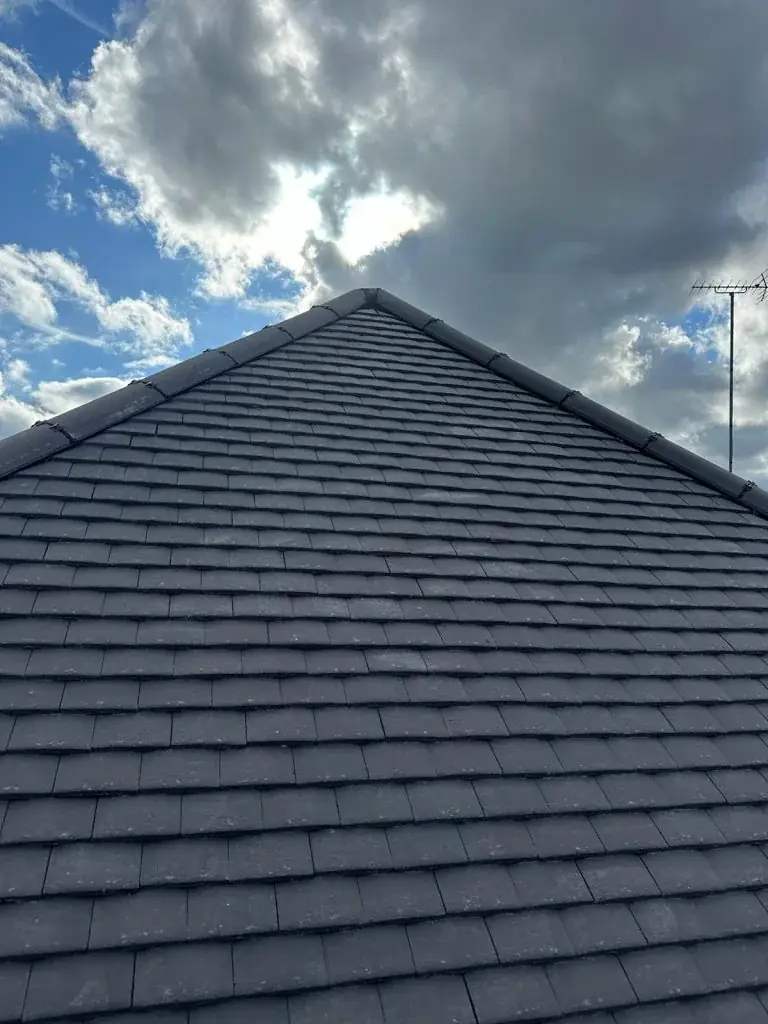
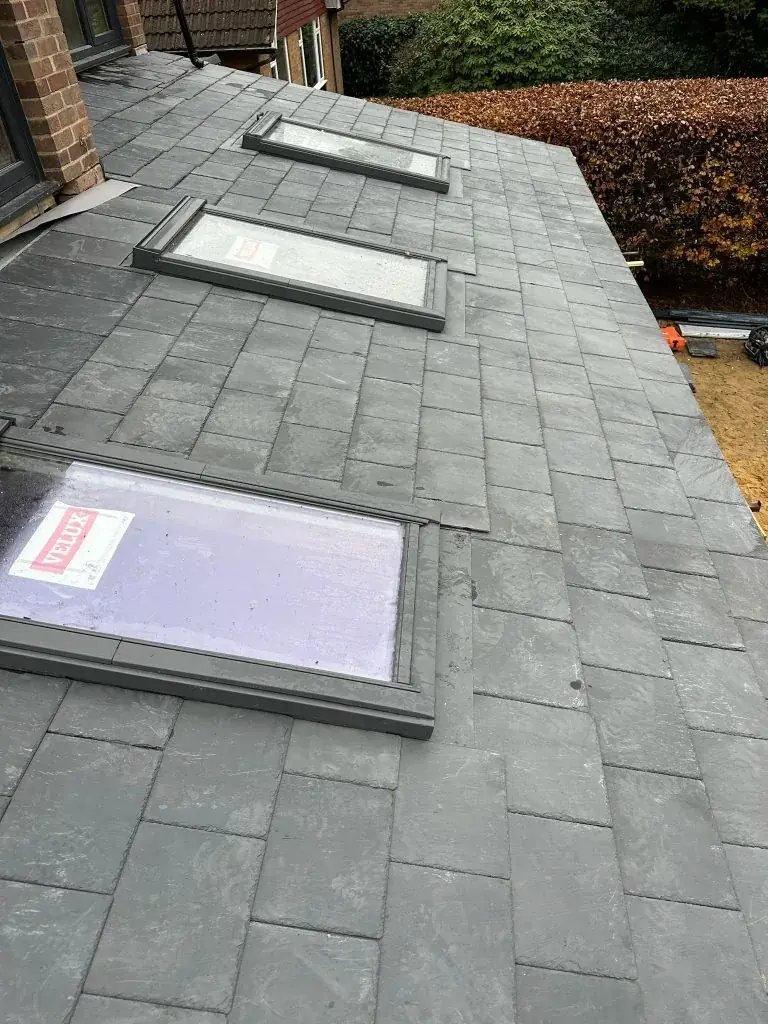
A roofing job should begin with an inspection of accessible defects and the likely path of water. Tiles, slates or other coverings may be part of the issue, but flashings, abutments and rainwater junctions can be the real source of the fault.
That matters because a partial repair can leave the cause untouched. If, for example, a possible brief involves persistent damp near a chimney line, the solution may need checking at the joint and surrounding details, not just replacing the obvious surface material.
Brent checks before agreeing roofing work in Wembley
Brent’s council pages show that some buildings are listed and that conservation areas exist in the borough, so the exact property should be checked before any external roof change is finalised. If the building is listed, replacing important parts of the fabric, including the roof, may need listed building consent. The borough-wide heritage record is a starting point, not a site conclusion.
Design decisions
Keep repair, replacement and conversion work separate
Roof repair, roof replacement and loft conversion are different scopes. Repair work is about solving a fault in the existing roof, while a replacement changes more of the fabric, and a conversion brings structural and design issues into play. The scope should say which one is being asked for.
If the roof work is connected to a loft conversion, the structural requirements and design implications need to be coordinated from the start. That avoids trying to solve a conversion problem with a simple repair brief, or vice versa, which can lead to under-scoped work and repeated disruption.
Design checks
Four things we confirm before drawing roofing work.
- 01Investigation of accessible roof defects and an agreed repair scope.
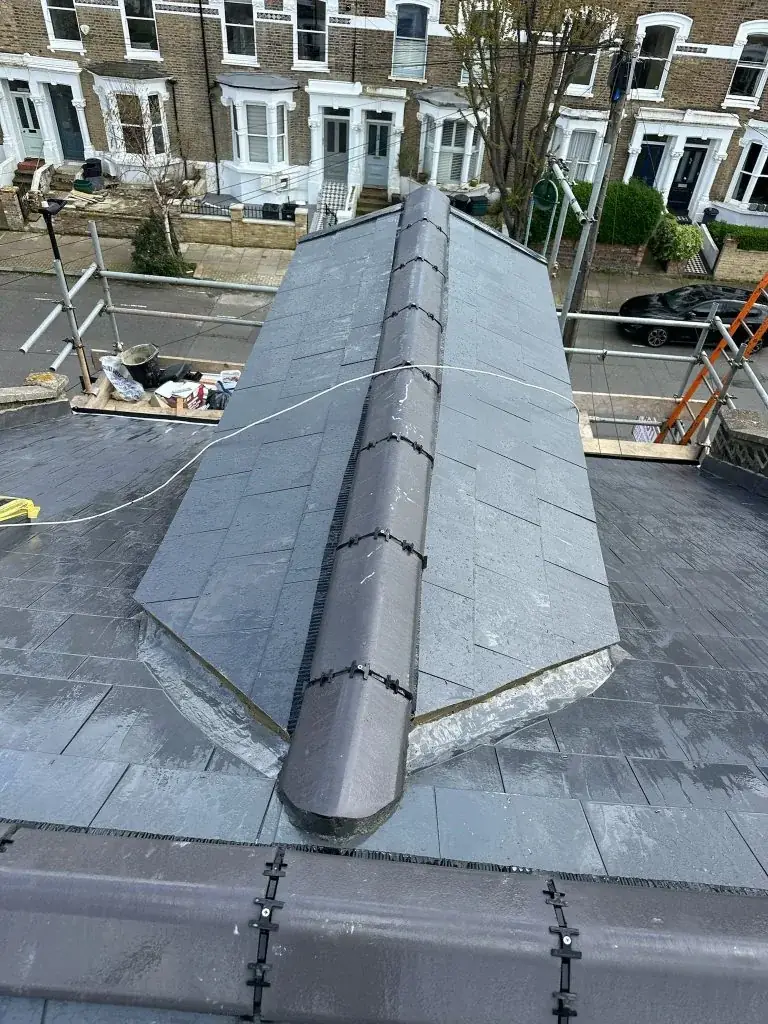
- 02Work to suitable roof coverings, ridges and associated details where specified.
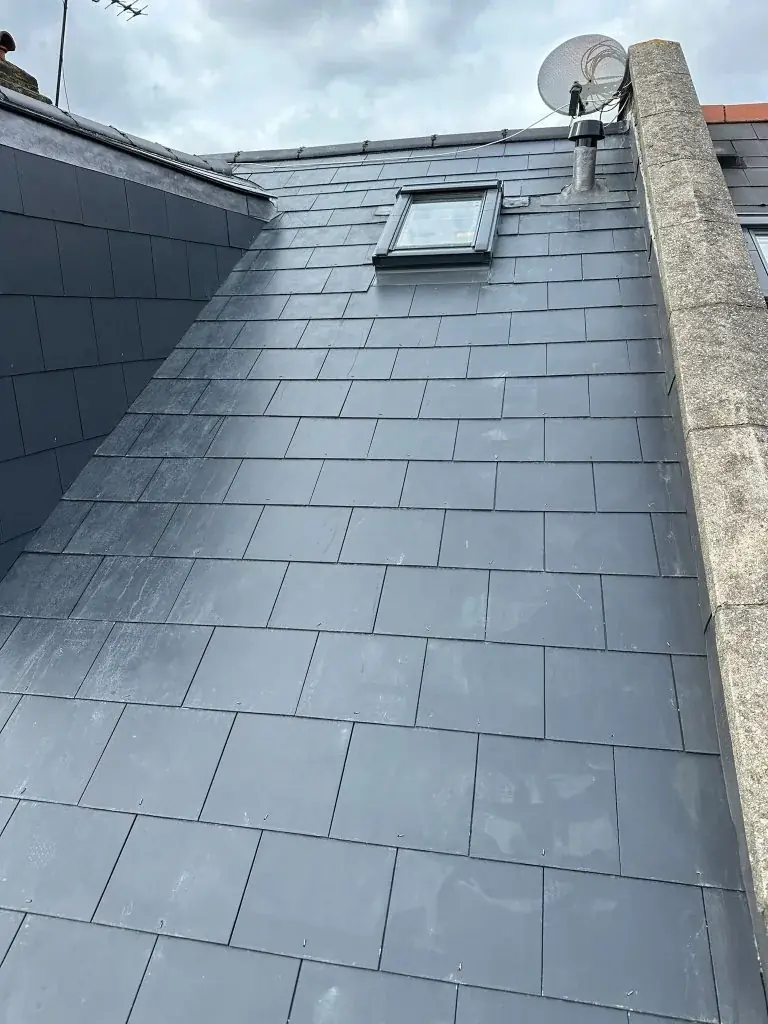
- 03Flashing, abutments and rainwater junctions considered alongside the covering.
- 04Roof alterations coordinated with loft-conversion design and structural requirements.
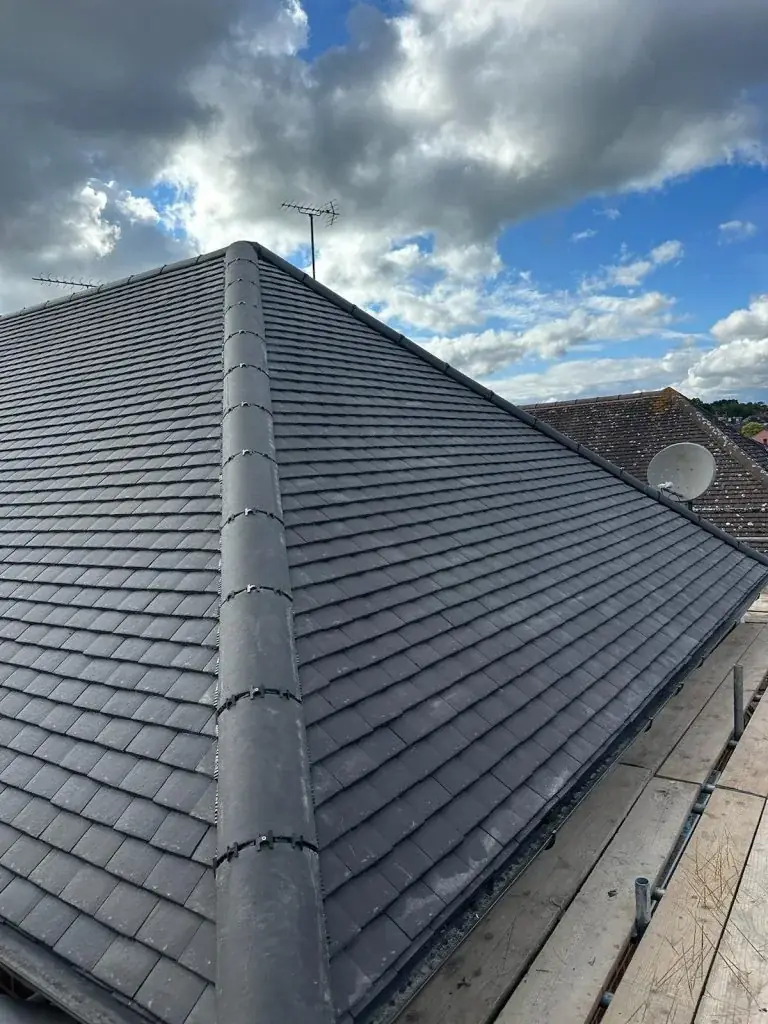
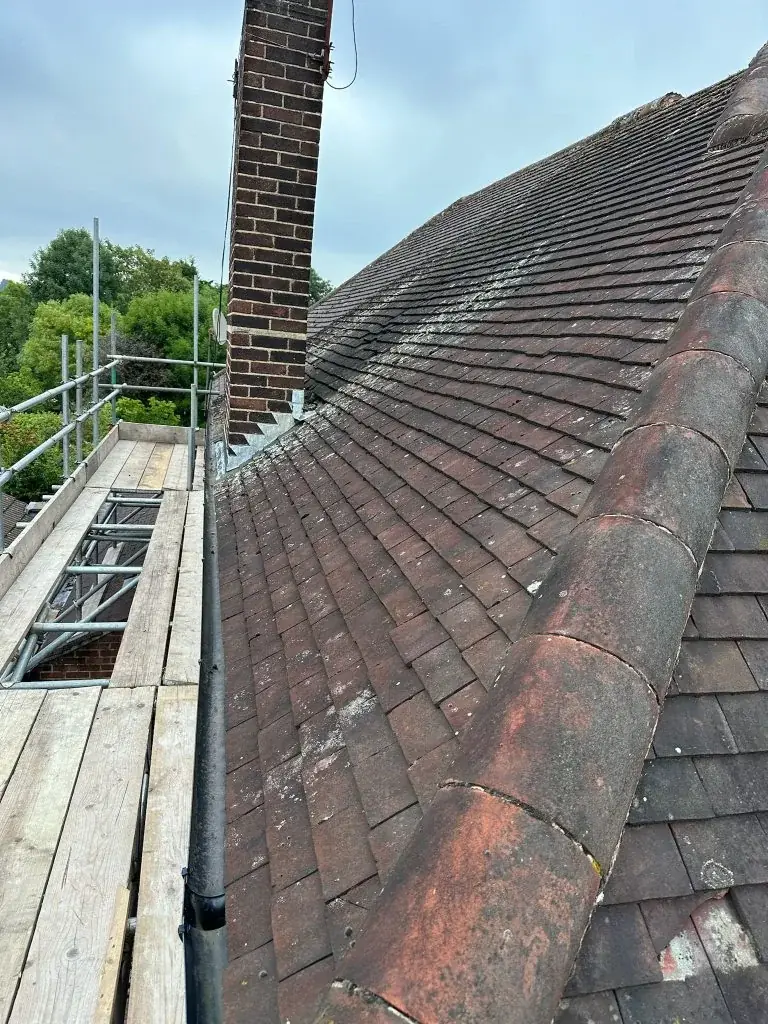
Why might a roof leak come from somewhere other than the damaged tile?
Because water often travels through junctions, flashings or abutments before appearing inside. The visible stain is not always the source. A proper inspection should trace the likely route rather than assuming the problem sits directly above the leak.
When does roof work become a replacement rather than a repair?
When the extent of deterioration or the design requirement goes beyond fixing a local defect. If a lot of the fabric needs changing, or the roof is being altered as part of a bigger project, the scope should reflect that properly.
Does a loft conversion change the roofing brief?
Yes, because the roof is no longer being treated only as a weathering layer. Structural, insulation and layout decisions come into play. That means the roof work should be designed alongside the conversion rather than as a separate afterthought.
Planning and project guidance
- Listed buildings and conservation areas | Brent Council
- GOV.UK · Planning permission
- GOV.UK · Building regulations approval
- GOV.UK · Party walls and building work
Check the current guidance for your address before relying on a planning route. This guide is not a planning decision or a verified local case study.
Other services in Wembley








