
Brent · West London
Renderingin Wembley.
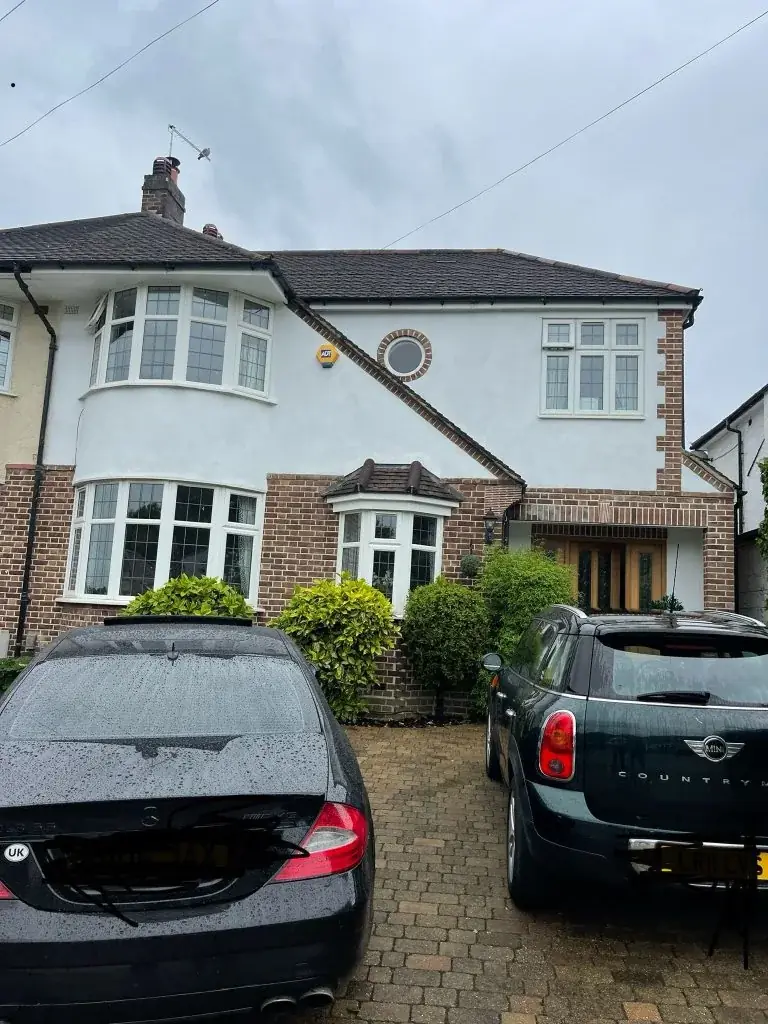
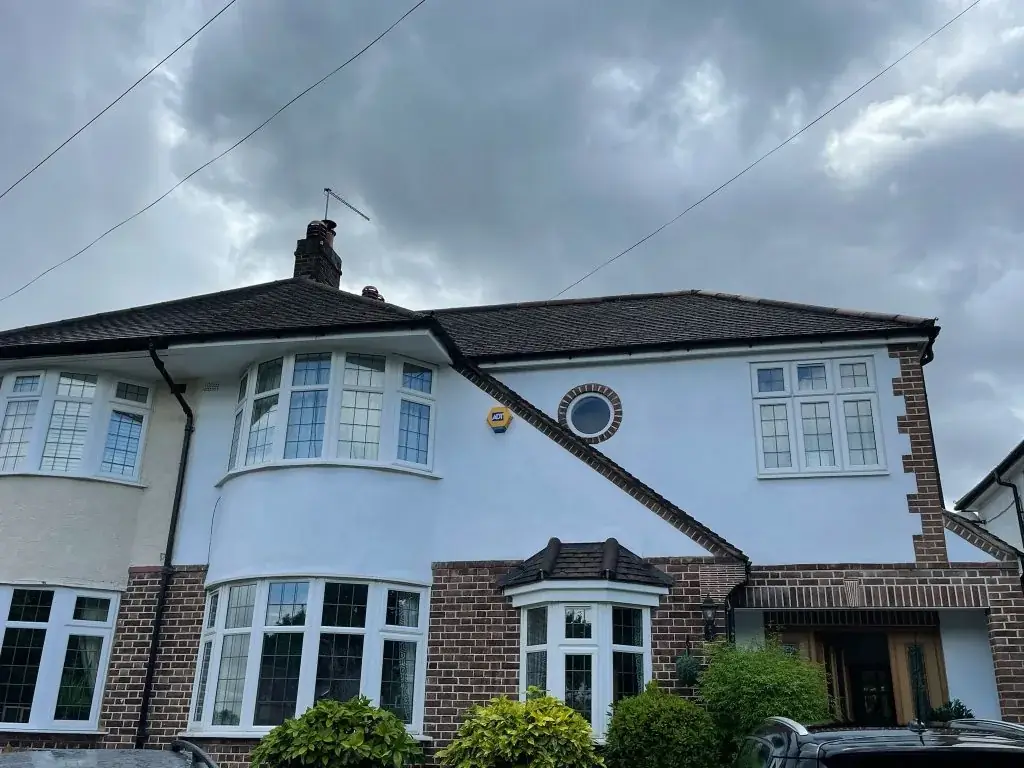
Rendering changes the look of an external wall, but the finish has to suit the wall behind it. The key decision is whether the existing background is sound enough for the chosen system and whether the junctions can be detailed properly.
- Service
- Rendering
- Neighbourhood
- Wembley
- Borough
- Brent
- Next step
- Discuss your project
Your project brief
Start with the wall, not the colour
A render system should be chosen for the condition and construction of the wall, not only for the appearance you want at the end. Failed render, unsuitable patching or incompatible materials can all affect adhesion and long-term performance.
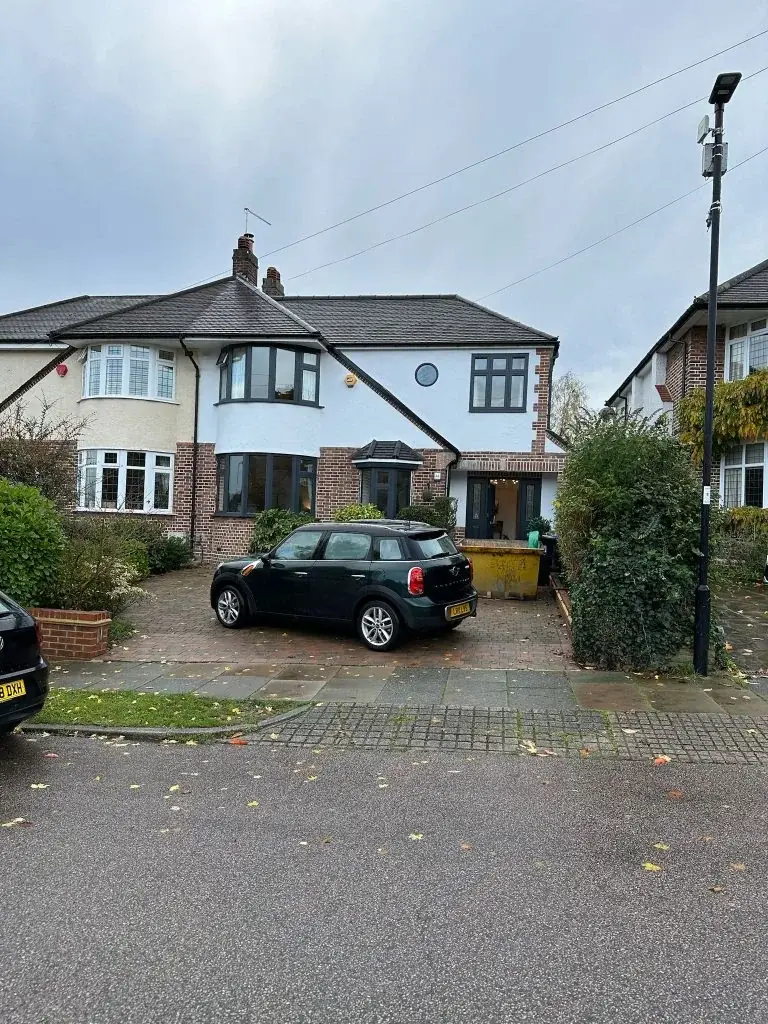
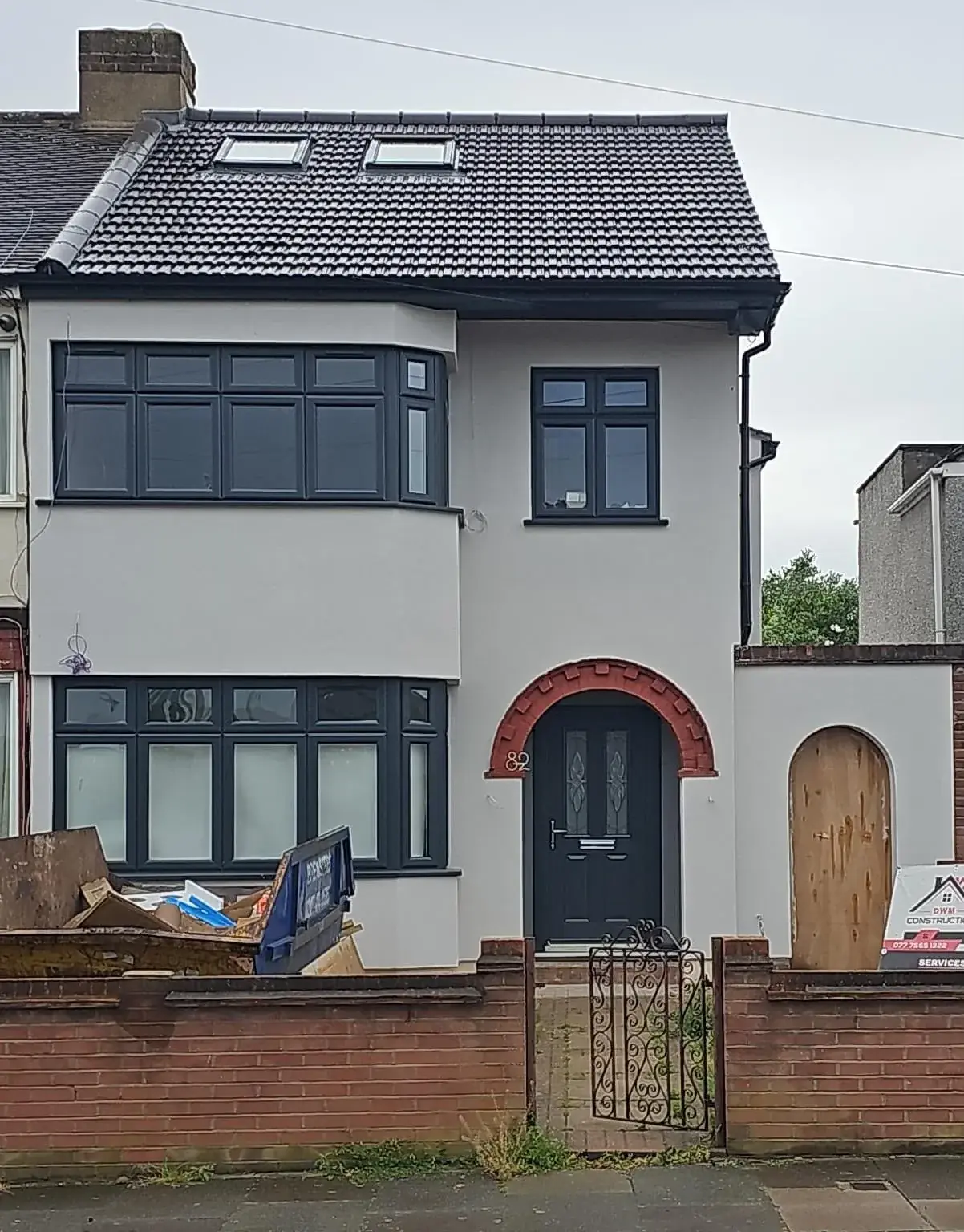
If the wall is being improved as part of a wider exterior upgrade, the condition of the background should be checked before the new finish is selected. For example, a possible brief might involve render repairs around openings and a refreshed facade; those junctions need to be resolved carefully so the result sheds water and looks consistent.
Brent checks before external render work on a Wembley home
Brent’s guidance on heritage assets shows that the property itself has to be checked, because the borough includes listed buildings, locally listed buildings and conservation areas, but those facts do not automatically apply to every house. External render work may be straightforward, but if the building is listed or the address sits in a conservation area, the planning route can change. Check the exact property first.
Design decisions
Pay attention to edges, openings and exposure
Rendering is not just about broad wall areas. Roof edges, openings and points where different materials meet can all reveal problems if they are not properly planned. Those details are where water, movement and maintenance issues tend to show first.
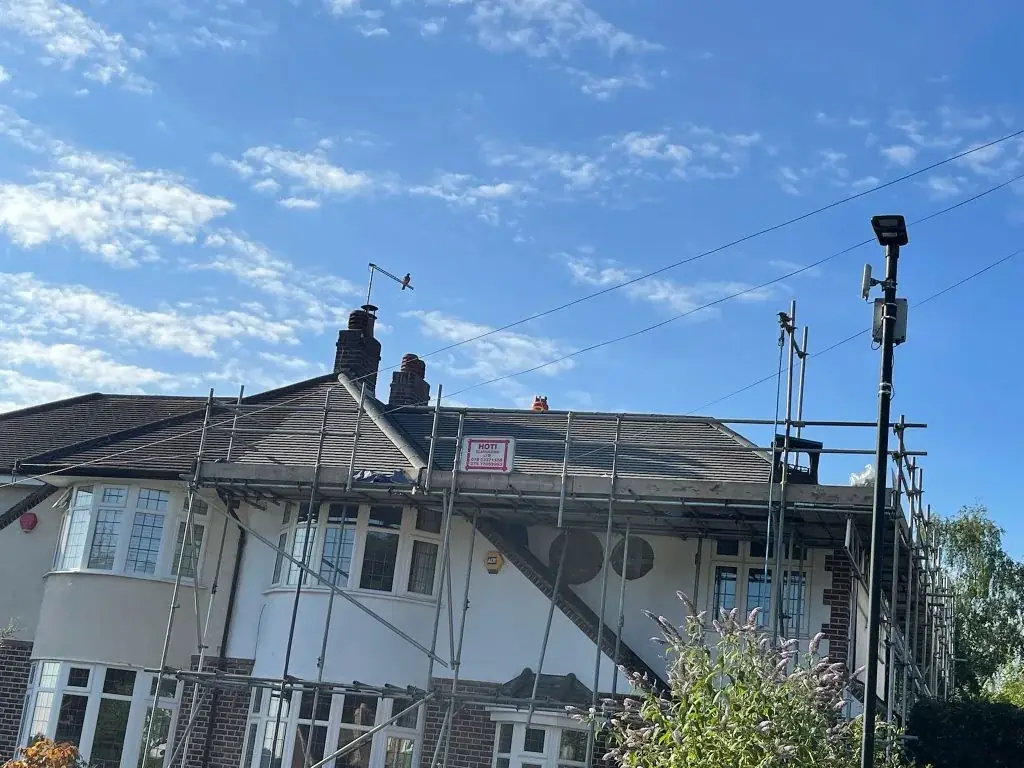
Access also matters because exterior work has to be carried out safely and in a controlled sequence. A sensible scope should make clear what preparation is included, how failed material will be dealt with and what finish is intended on the completed wall.
Design checks
Four things we confirm before drawing external rendering.
- 01Assessment and preparation of suitable external wall backgrounds.
- 02Removal or repair of failed render where the agreed approach requires it.
- 03Application of a specified render system with compatible details and finishes.
- 04Junctions around openings, roof edges and adjoining materials considered within the scope.
How do I know whether a wall is suitable for rendering?
The wall needs to be assessed for stability, compatibility and condition. Crumbling finishes, damp problems or unsuitable previous coatings can all affect the result. A survey should confirm whether repair, removal or a different system is needed before work begins.
Why are junctions such a big part of rendering?
Because they are where water, movement and different materials meet. If those details are weak, the wall may fail even if the main surface looks good. Good detailing at openings and edges is essential to the finished performance.
Does rendering always mean a full facade overhaul?
No. It can be a targeted repair or a broader exterior improvement depending on the wall’s condition. The scope should match the real defects and the intended finish, rather than assuming every job needs the same level of intervention.
Planning and project guidance
- Listed buildings and conservation areas | Brent Council
- GOV.UK · Planning permission
- GOV.UK · Building regulations approval
- GOV.UK · Party walls and building work
Check the current guidance for your address before relying on a planning route. This guide is not a planning decision or a verified local case study.
Other services in Wembley








