
Barking and Dagenham · East London
Doorsin Barking.
A door is a small item with a surprisingly large number of decisions behind it. The right choice depends on the opening, the frame, the room it serves and the level of performance needed, whether the job is a simple replacement or part of a wider alteration.
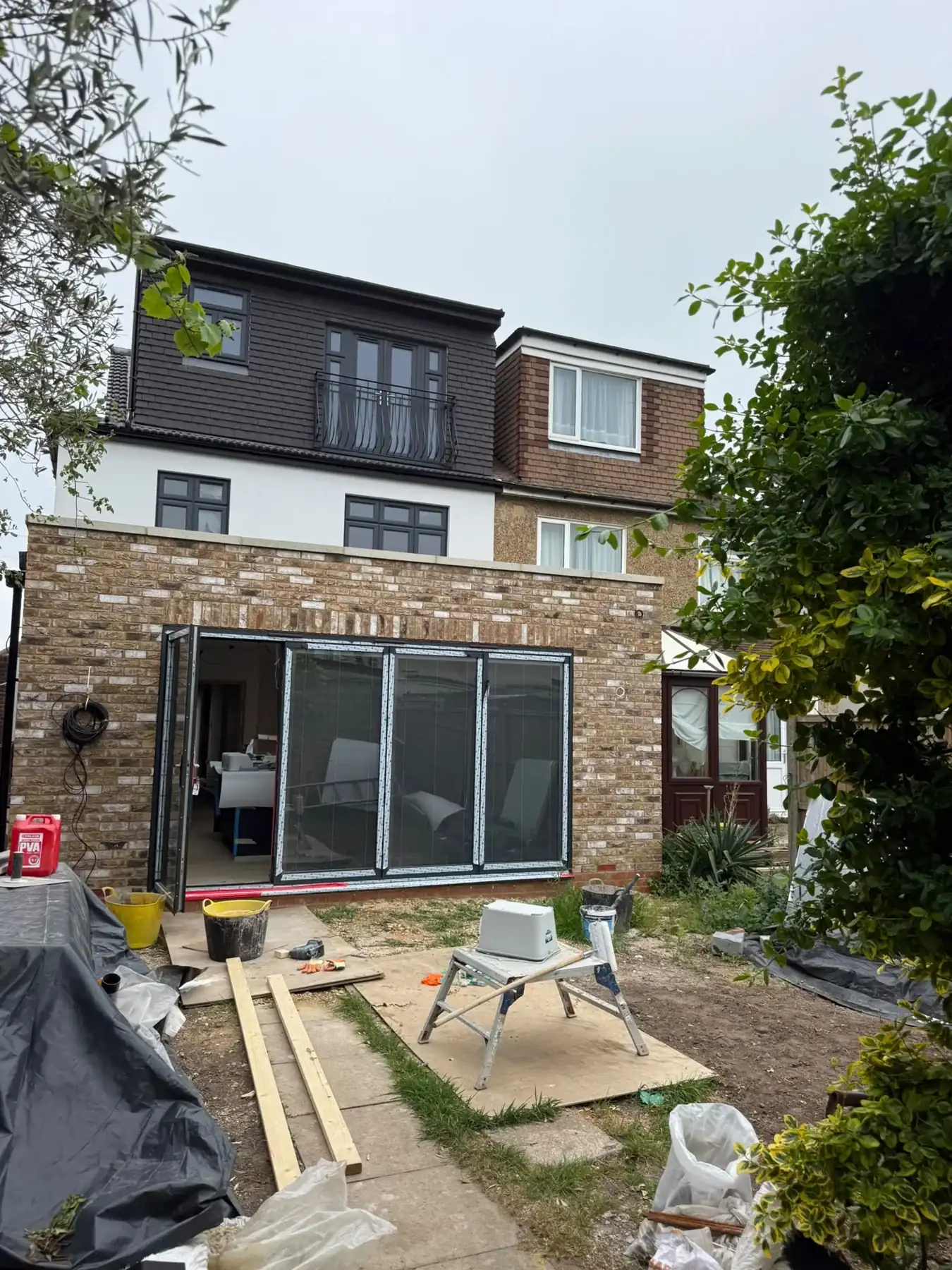
- Service
- Doors
- Neighbourhood
- Barking
- Borough
- Barking and Dagenham
- Next step
- Discuss your project
Your project brief
Start with the opening and the frame you already have
The first question is whether the existing frame can be retained. If it can, the job may be simpler and more economical; if not, the scope may need new linings, architraves and making good around the opening. That choice should be based on condition, clearances and how the door is meant to function.
For example, if a bedroom door only needs a neater fit and better hardware, the existing opening may be enough. If the room layout has changed, the opening may need adjustment so the door swings safely and does not interfere with new finishes or furniture.
Barking local checks before changing doors
Barking sits within Barking and Dagenham, where conservation-area and listed-building guidance should be checked if a door change might affect a protected property’s character. The borough guidance refers to four conservation areas and to Barking Abbey as a scheduled site, but those facts do not establish the status of any one entrance. The exact address must be checked before assuming there is no heritage issue.
Design decisions
Match hardware and performance to the door’s use
Handles, hinges, latches and any security or fire-performance requirements should be selected in line with the door’s purpose. A private internal door is not the same as a door to an external entrance, and the details should reflect that difference rather than being treated as interchangeable.
It also helps to decide who is doing the making good around the fitting. A neat door installation depends on more than hanging the leaf; the surrounding trims, gaps and finishes should all be included in the agreed scope so the result is complete rather than half-finished.
Design checks
Four things we confirm before drawing door installation.
- 01Check whether the existing frame can be retained safely.
- 02Match hardware to the door’s intended use and performance needs.
- 03Include linings, architraves and making good where specified.
- 04Confirm any external or altered-opening requirements before ordering.
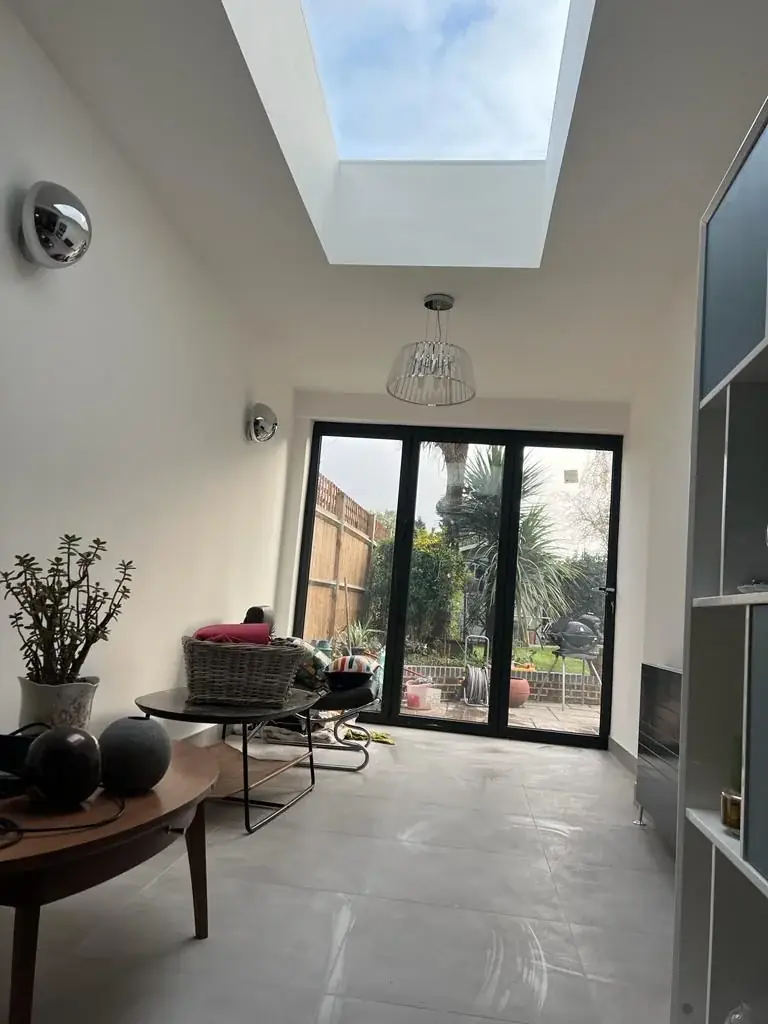
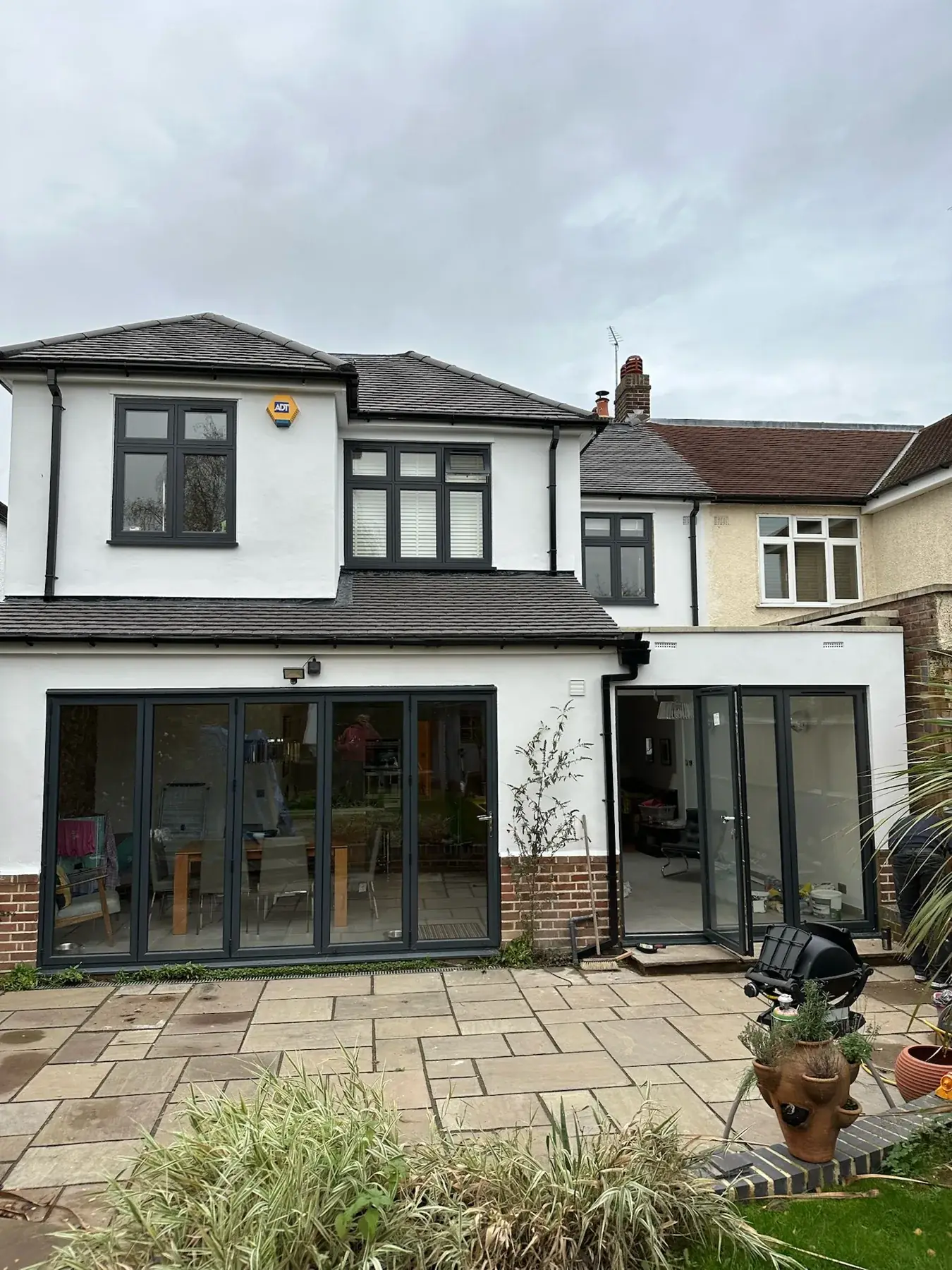
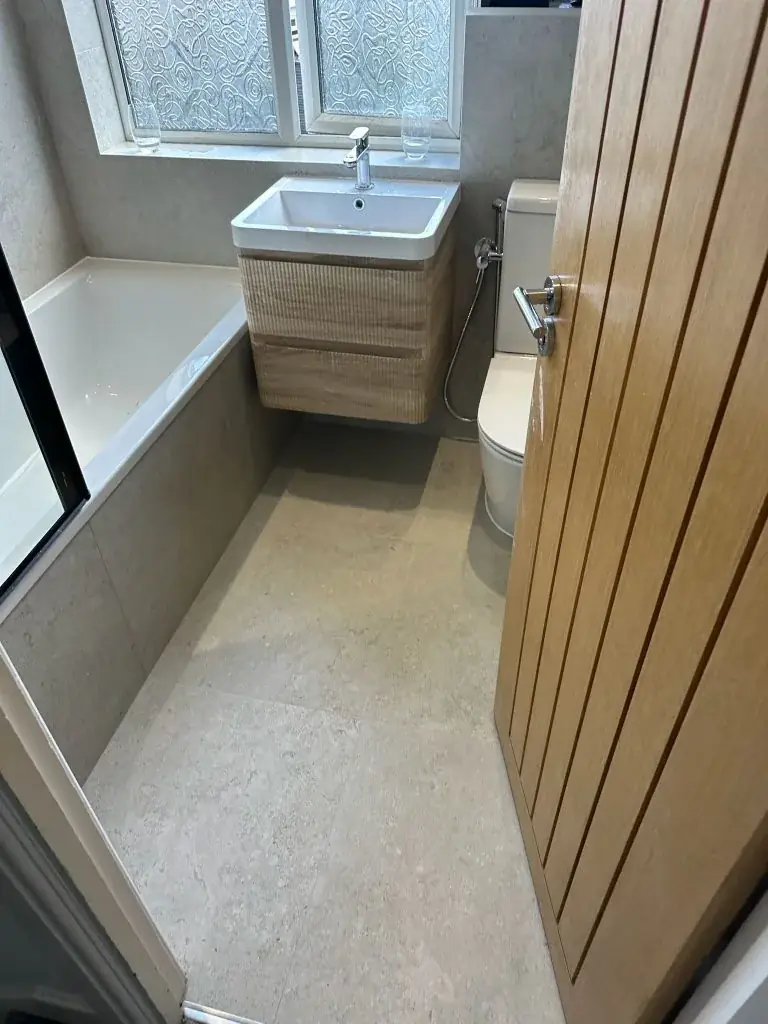

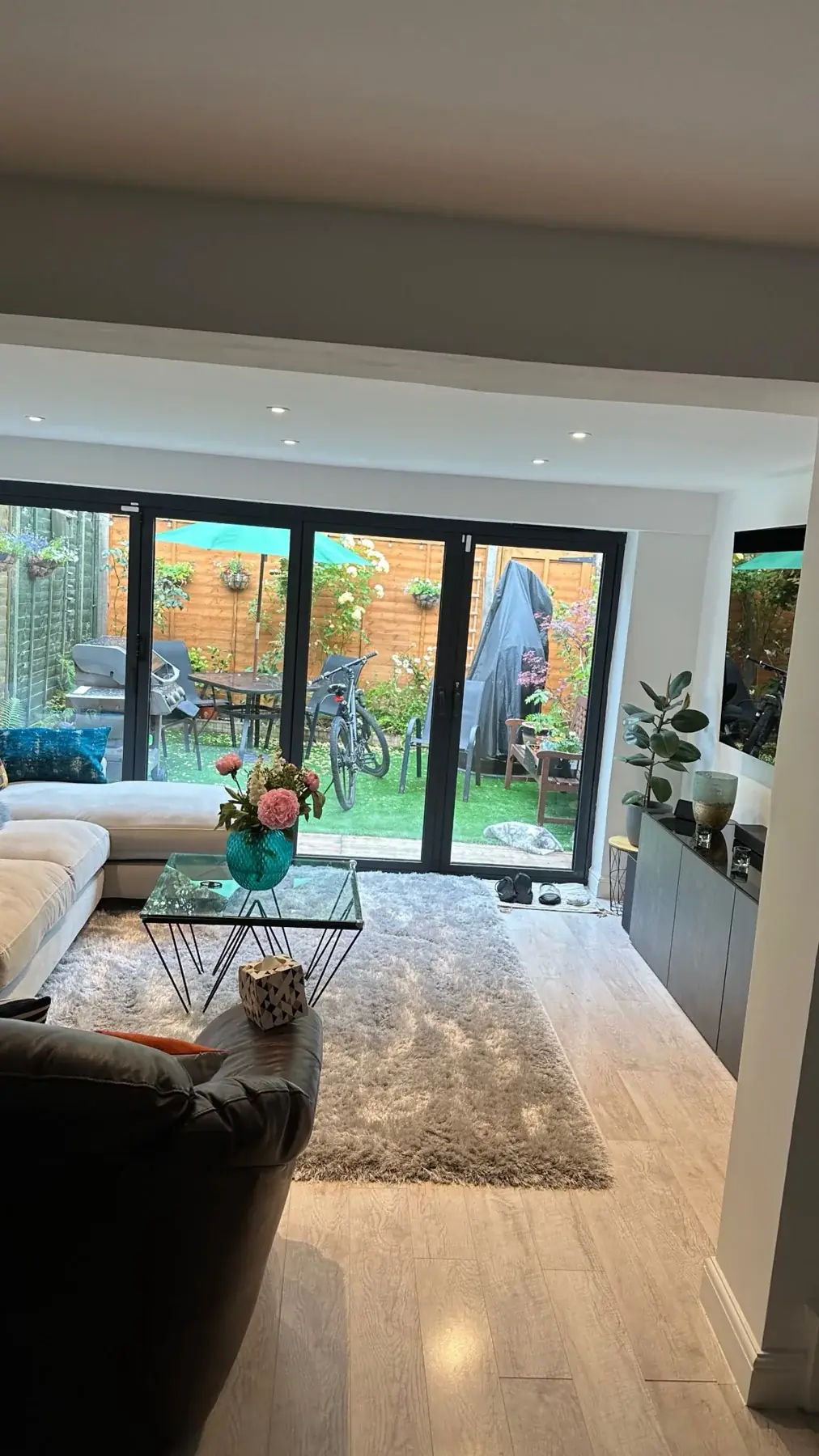
How do I know if the existing frame can stay?
It depends on condition, size and clearances. If the frame is sound and suits the new leaf, retaining it may be sensible; if it is damaged or the opening has changed, replacement may be better.
Why is door hardware part of the design decision?
Because hinges, latches and handles affect how the door works every day. The wrong hardware can cause poor closing, unnecessary wear or a mismatch with the door’s intended use.
What should be clear before an external door is ordered?
The opening size, the frame condition, the performance requirements and any surrounding making-good work should all be settled. That avoids delays and reduces the risk of fitting a door that does not suit the opening.
Planning and project guidance
- Conservation areas and listed buildings | London Borough of Barking and Dagenham
- GOV.UK · Planning permission
- GOV.UK · Building regulations approval
- GOV.UK · Party walls and building work
Check the current guidance for your address before relying on a planning route. This guide is not a planning decision or a verified local case study.
Other services in Barking








