
Barking and Dagenham · East London
Renderingin Barking.
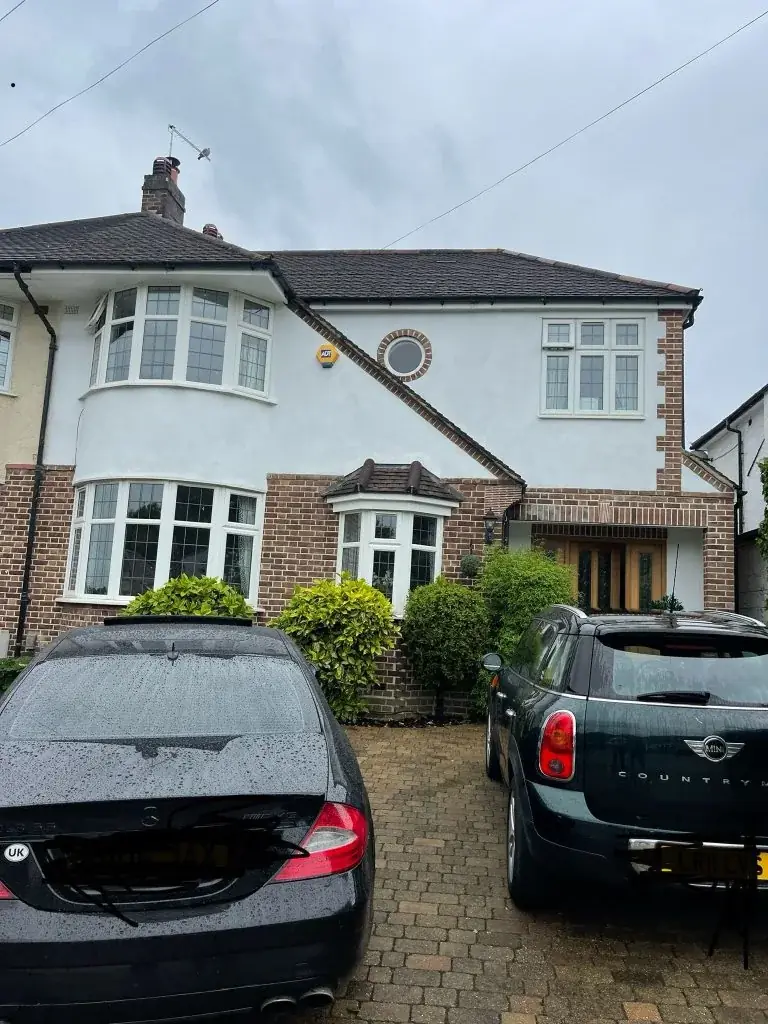
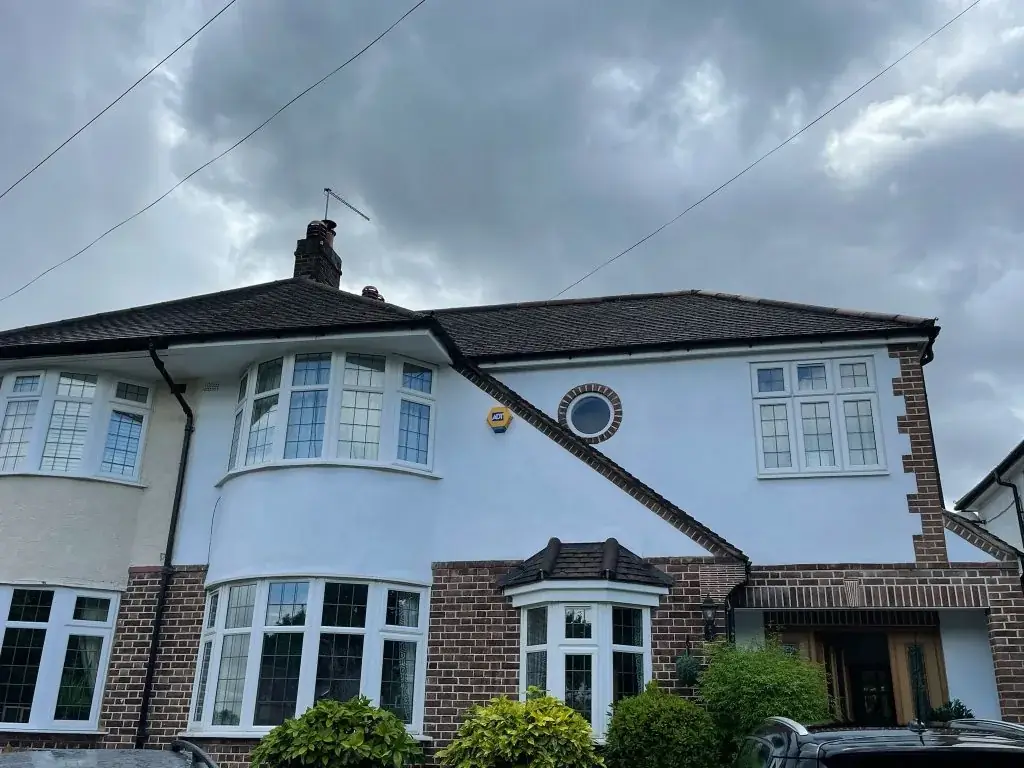
Rendering changes both the appearance and the weather-facing performance of a wall, so the starting point is always the substrate. The important decision is whether the existing wall is suitable for the finish you want, and whether the details around it can support that system properly.
- Service
- Rendering
- Neighbourhood
- Barking
- Borough
- Barking and Dagenham
- Next step
- Discuss your project
Your project brief
Match the render system to the wall underneath
Render should not be chosen as if every external wall were the same. The condition of the background, the existing finish and the way the wall meets openings or adjoining materials all influence the correct approach. A sound wall may only need repair and a compatible finish; a failed wall may need more extensive preparation first.
If the brief is simply to refresh the appearance of a rear elevation, the work may be modest. If the wall is cracked, poorly bonded or has incompatible patches, the survey must settle what can be retained and what needs removal before the new render is applied.
Barking local checks for external wall changes
Barking falls under Barking and Dagenham, where conservation-area maps and listed-building guidance are relevant if external alterations might affect a protected property. The council identifies four conservation areas and Barking Abbey as a scheduled site, but those facts do not prove that your wall is in a designated area. An exact-address check is needed before assuming render changes are unrestricted.
Design decisions
Treat the edges and joints as part of the design
The junctions around windows, doors, roof edges and other materials often decide whether render looks neat or problematic. Those details need to be considered in the scope, because a good wall finish can still fail visually if the transitions are awkward or unfinished.
It is also important to agree access, drying time and any making good that follows removal of failed material. Render work is not just surface application; it is a sequence of preparation, compatibility checks and careful detailing that should be clear before the first coat goes on.
Design checks
Four things we confirm before drawing external rendering.
- 01Assess the wall background before choosing a render system.
- 02Identify failed areas and what needs to be removed or retained.
- 03Check junctions around openings, roof edges and adjoining materials.
- 04Agree access, drying and making good in the programme.
What is the first question to answer before rendering a wall?
Whether the existing wall is sound enough for the intended system. If the substrate is weak, damp or incompatible, the render may fail even if the finish is applied well.
Why do openings and edges matter so much in rendering?
Because those are the places where materials meet and movement is most likely to show. If the details are poor, the finish can crack, look uneven or allow water in.
Should failed render always be removed?
Not always. The survey should decide what can be retained safely and what must come off. In some cases a local repair and compatible finish is enough; in others, fuller preparation is the better route.
Planning and project guidance
- Conservation areas and listed buildings | London Borough of Barking and Dagenham
- GOV.UK · Planning permission
- GOV.UK · Building regulations approval
- GOV.UK · Party walls and building work
Check the current guidance for your address before relying on a planning route. This guide is not a planning decision or a verified local case study.
Other services in Barking








