
Barking and Dagenham · East London
Roofingin Barking.
A roof complaint is rarely solved well by guessing at the visible patch. The real decision is whether the problem lies in the covering, the junctions, the drainage or the underlying condition, because those lead to very different repairs and costs.
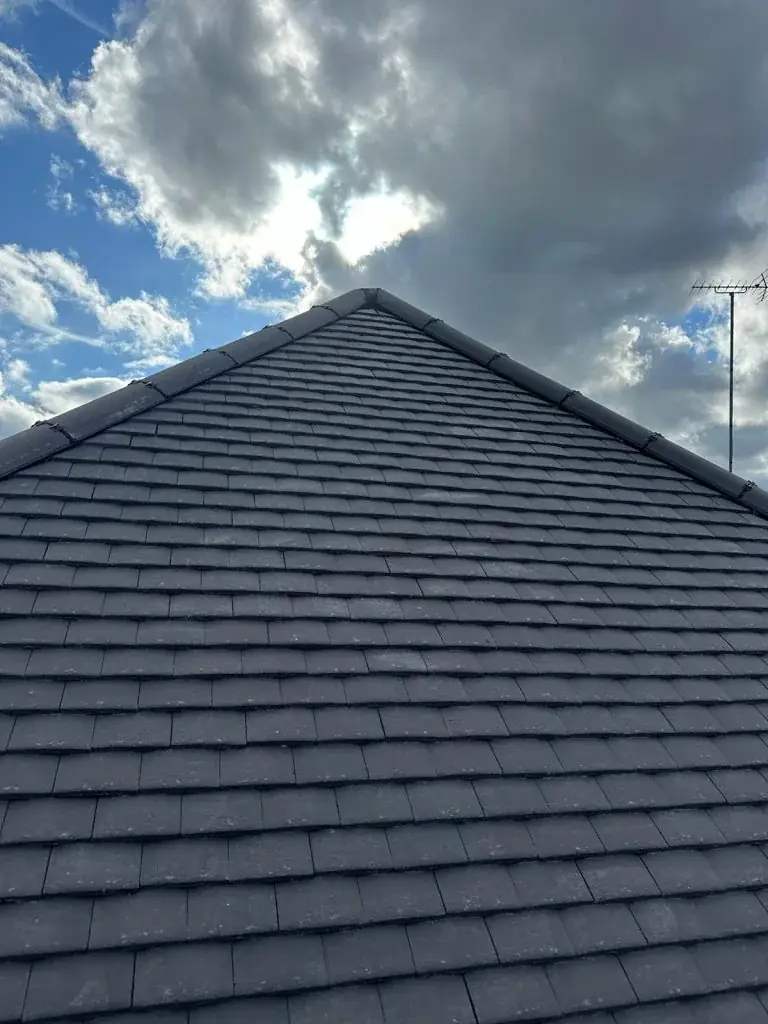
- Service
- Roofing
- Neighbourhood
- Barking
- Borough
- Barking and Dagenham
- Next step
- Discuss your project
Your project brief
Find the cause before choosing the repair
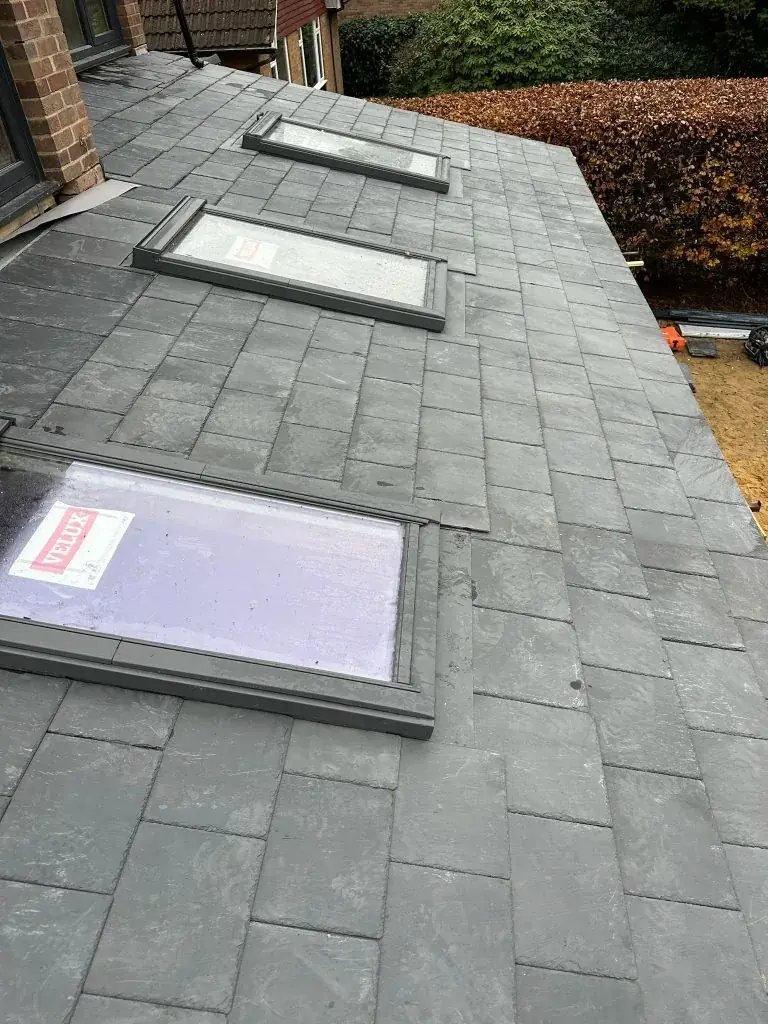
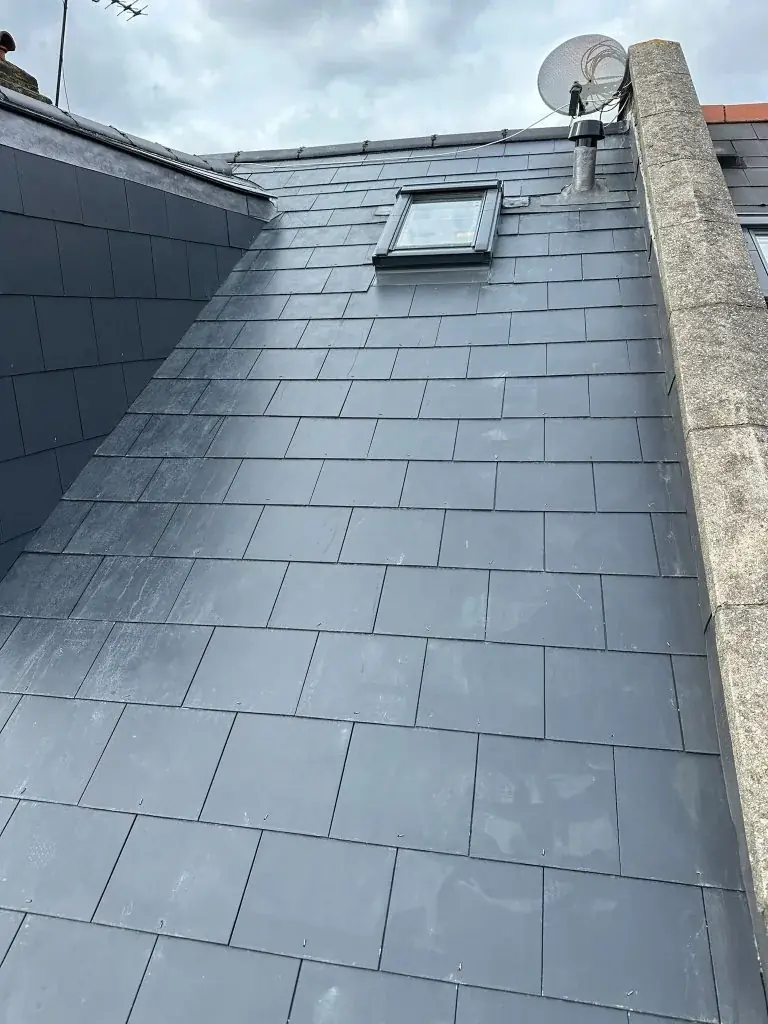
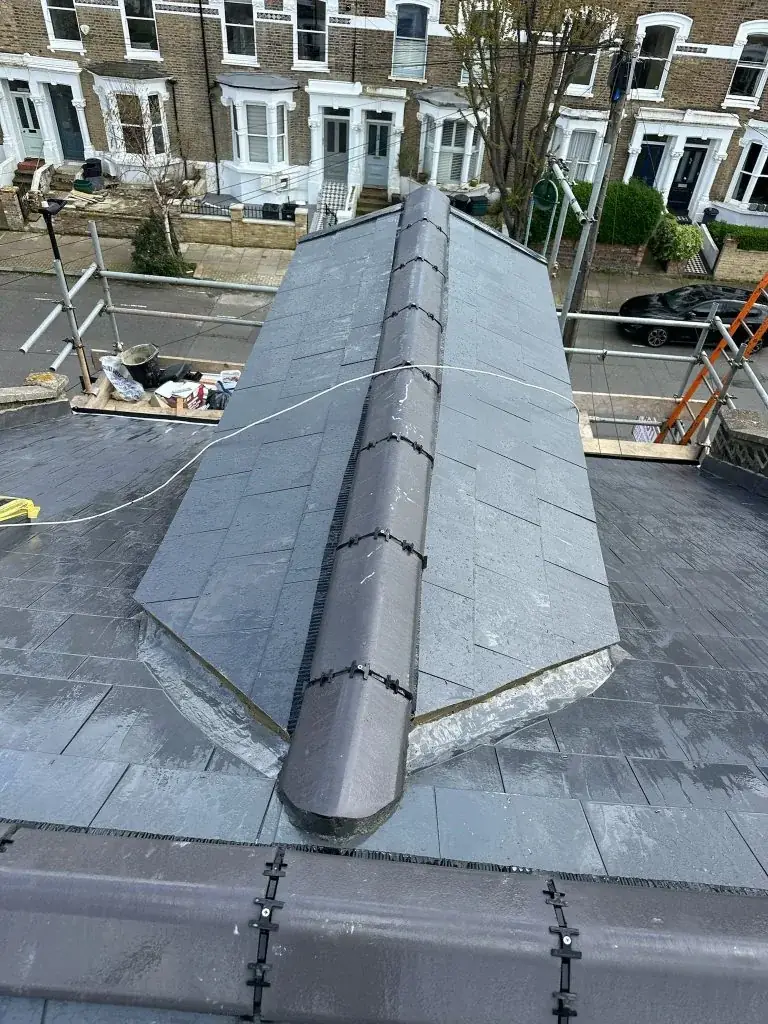
A stained ceiling does not automatically mean the tile above it is the only issue. Roofing work should start with the accessible defects and a clear scope that looks at ridges, flashings, abutments and rainwater details as well as the visible covering. That is how you avoid fixing a symptom while the cause stays in place.
If two repair options are possible, compare them by how completely they address the defect. A local patch may be enough for a straightforward broken tile or slipped detail. A wider intervention may be needed if the problem is tied to age, movement or junction failure. The survey should settle which is which.
Barking checks before roof work is fixed
Barking is part of Barking and Dagenham, where conservation-area and listed-building guidance may affect roof alterations on protected properties. The borough information refers to four conservation areas and to the Barking Abbey scheduled site, but that does not identify the status of any particular roof. The exact address should be checked before assuming a repair or alteration needs extra consent or a special design approach.
Design decisions
Keep repair work distinct from conversion work
Roofing for repair is not the same as roofing linked to a loft conversion. The latter brings structural and design requirements into the picture, which means the roof work cannot be priced or planned in isolation. The scope should make clear whether the job is maintenance, partial replacement or part of a larger alteration.
That separation matters because the handover questions differ too. On a repair, the focus is on whether the leak source has been addressed and what remains under observation. On a conversion-related job, the question is also how the roof change coordinates with the wider building work and approvals.
Design checks
Four things we confirm before drawing roofing work.
- 01Inspect the accessible roof defect before naming the repair.
- 02Check flashings, abutments and rainwater details as part of the cause.
- 03Separate routine repair work from loft-conversion roof alterations.
- 04Agree what handover evidence is needed after the roof work finishes.
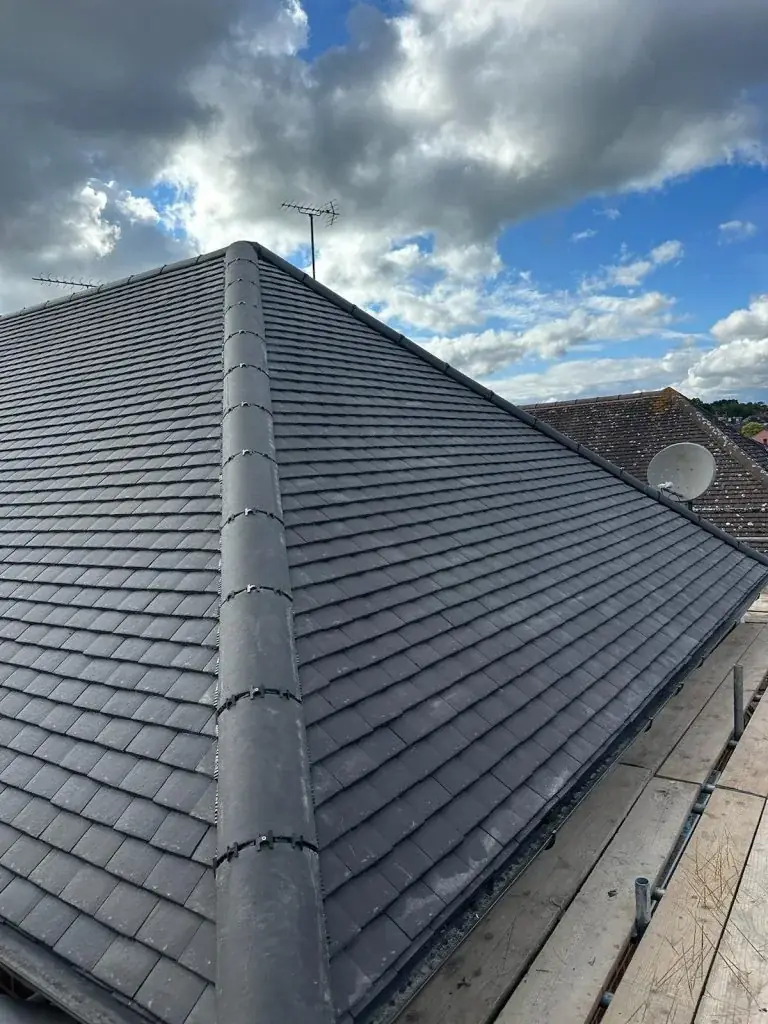
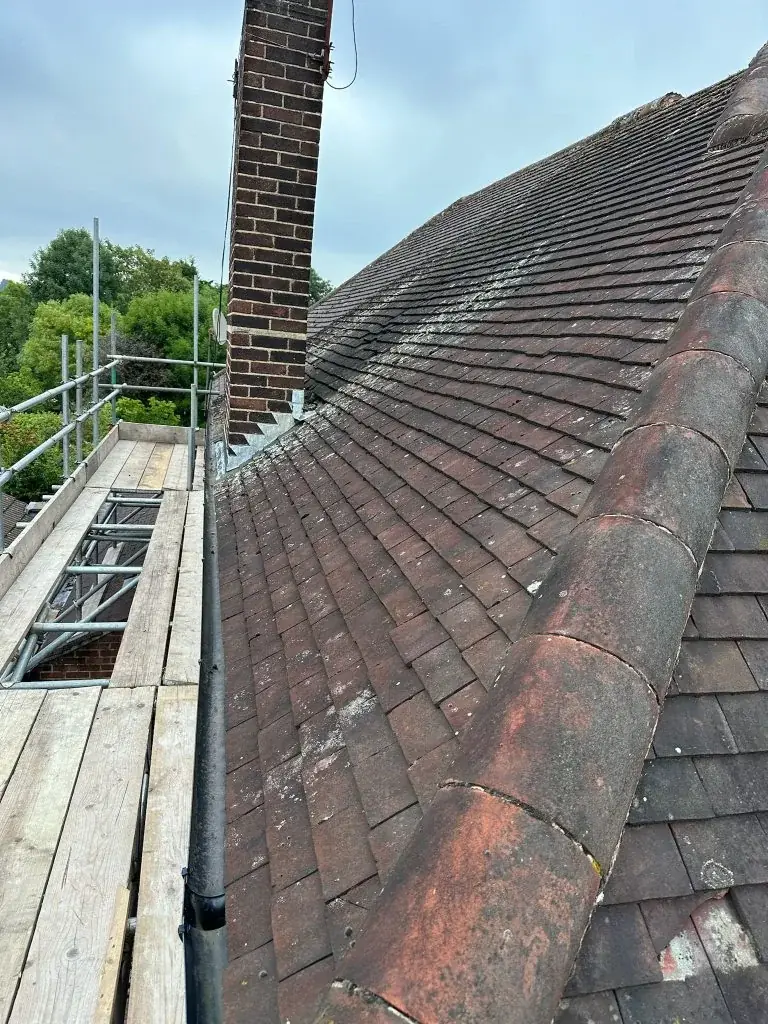
Why might a roof leak need more than a tile replacement?
Because water can enter through flashings, joints or drainage details rather than the tile itself. A proper survey looks at the whole route of the leak, not just the visible wet patch.
How do I tell repair work from roof alteration?
Repair work aims to fix an existing defect without changing the roof’s overall function, while alteration changes the roof as part of a wider design, such as a loft conversion. The scope should state which applies.
What should the survey check on an ageing roof?
It should check accessible defects, the condition of the covering, the state of junctions and whether underlying issues suggest a broader repair. That helps avoid repeated patching of the same problem.
Planning and project guidance
- Conservation areas and listed buildings | London Borough of Barking and Dagenham
- GOV.UK · Planning permission
- GOV.UK · Building regulations approval
- GOV.UK · Party walls and building work
Check the current guidance for your address before relying on a planning route. This guide is not a planning decision or a verified local case study.
Other services in Barking








