
Buckinghamshire · Beaconsfield · Town service guide
Gardensin Beaconsfield.
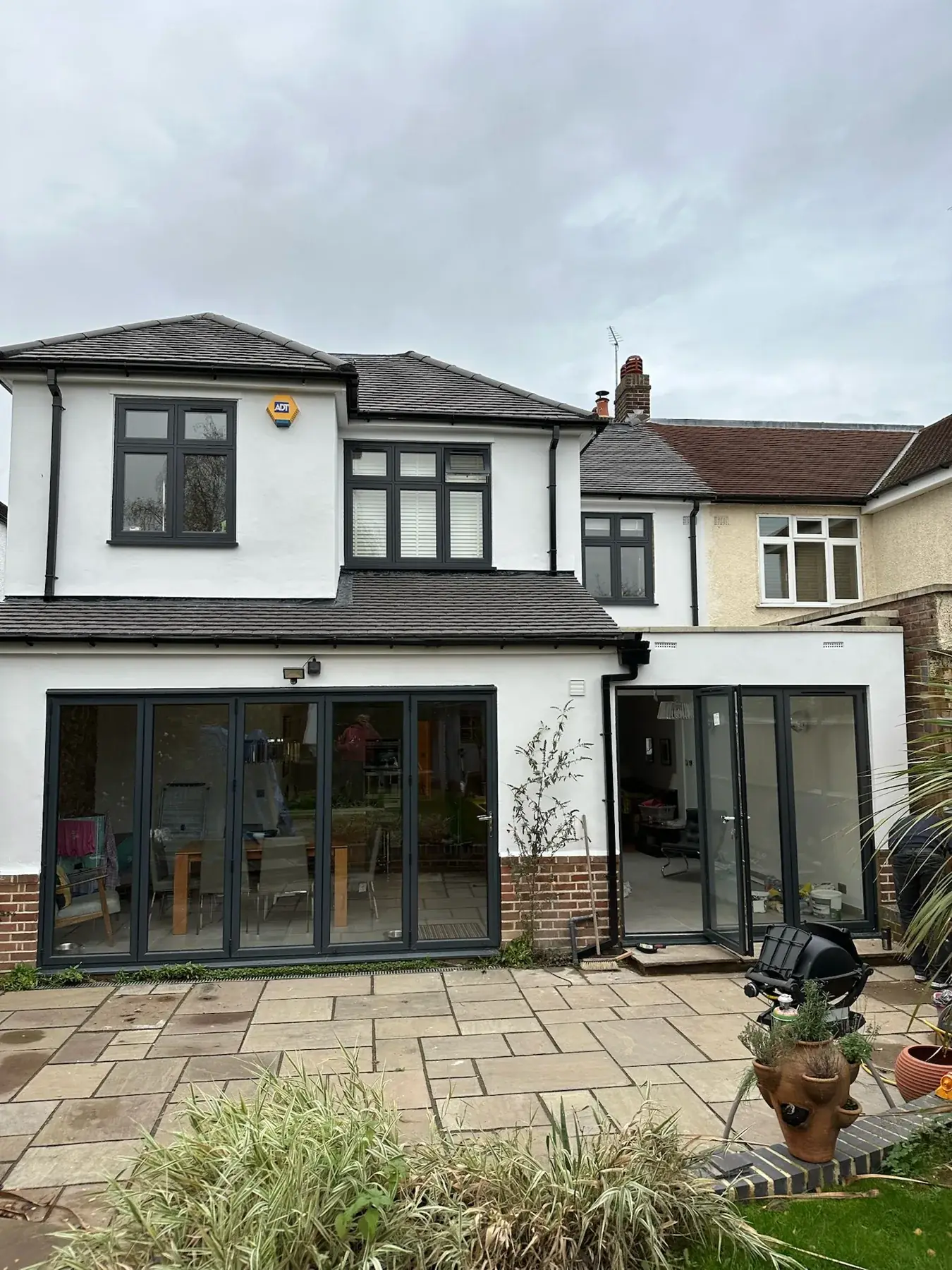
A garden should support the way you use the house, not sit as an afterthought to the build. Patios, paths, levels and boundary features all affect drainage, privacy and day-to-day movement. In Beaconsfield, the best garden decisions are the ones made alongside the building work they serve.
- Service
- Gardens
- Town / city
- Beaconsfield
- County
- Buckinghamshire
- Next step
- Discuss your project
Your project brief
Design the garden around water, levels and access
A patio or path is not just a surface to walk on. It also changes how rainwater moves, where levels meet the house and how easy it is to reach the garden from inside. If the finished surface is set at the wrong level or falls the wrong way, it can create problems rather than solving them.
That is why the garden layout should be checked with the house threshold, drainage points and intended use in mind. A family space, a seating area or a simple access route all need different surface decisions. The right answer is the one that fits the building, not just the one that looks tidy on a drawing.
Beaconsfield garden and boundary checks
For Beaconsfield, begin with the exact address and then check whether Buckinghamshire Council’s Beaconsfield Old Town character appraisal and boundary map are relevant to the plot. That evidence is not proof that every external change is controlled in the same way, so the site must be confirmed first. For garden work, the practical checks are levels, drainage, neighbouring land and whether any boundary feature or larger excavation needs extra care.
Design decisions
Treat boundaries and retaining features as practical works
Boundary fences, gates and retaining structures are not merely decorative. They affect access, ownership, privacy and how the site sits next to neighbouring land. If ownership is unclear, or if the work needs excavation close to an edge, the scope should pause until that is resolved. It is easier to clarify than to repair a dispute later.
If the project includes hard landscaping after building work, the sequence should also protect the new surfaces and any planting areas. Ground preparation matters as much as the final finish. The garden will perform better if the sub-base, levels and drainage are settled before the decorative layer is chosen.
Design checks
Four things we confirm before drawing garden improvements.
- 01Check how patio or path levels meet the house threshold.
- 02Agree where water will go before choosing hard surfaces.
- 03Confirm boundary ownership before replacing fences or gates.
- 04Plan ground preparation and making good with the rest of the project.
Questions
Before you call about Beaconsfield.
Why do garden levels matter as much as the paving choice?
Because a good-looking surface can still fail if it sits too high, too low or sends water the wrong way. Levels affect drainage, access and how the space links to the house.
What should be clarified before replacing boundary features?
Who owns the boundary, what the feature is meant to do and whether the work affects access or nearby ground. Those points are practical as well as legal.
Can garden work be left until the end of a build?
Often yes, but only if the final house levels and access points are already fixed. If the outside works depend on the building finish, they need to be sequenced accordingly.
Planning and project guidance
- Buckinghamshire Council · conservation-area maps and individual character appraisals
- GOV.UK · Planning permission
- GOV.UK · Building regulations approval
- GOV.UK · Party walls and building work
Check the current guidance for your address before relying on a planning route. This guide is not a planning decision or a verified local case study.
Other services in Beaconsfield








