
Buckinghamshire · Beaconsfield · Town service guide
Plumbingin Beaconsfield.
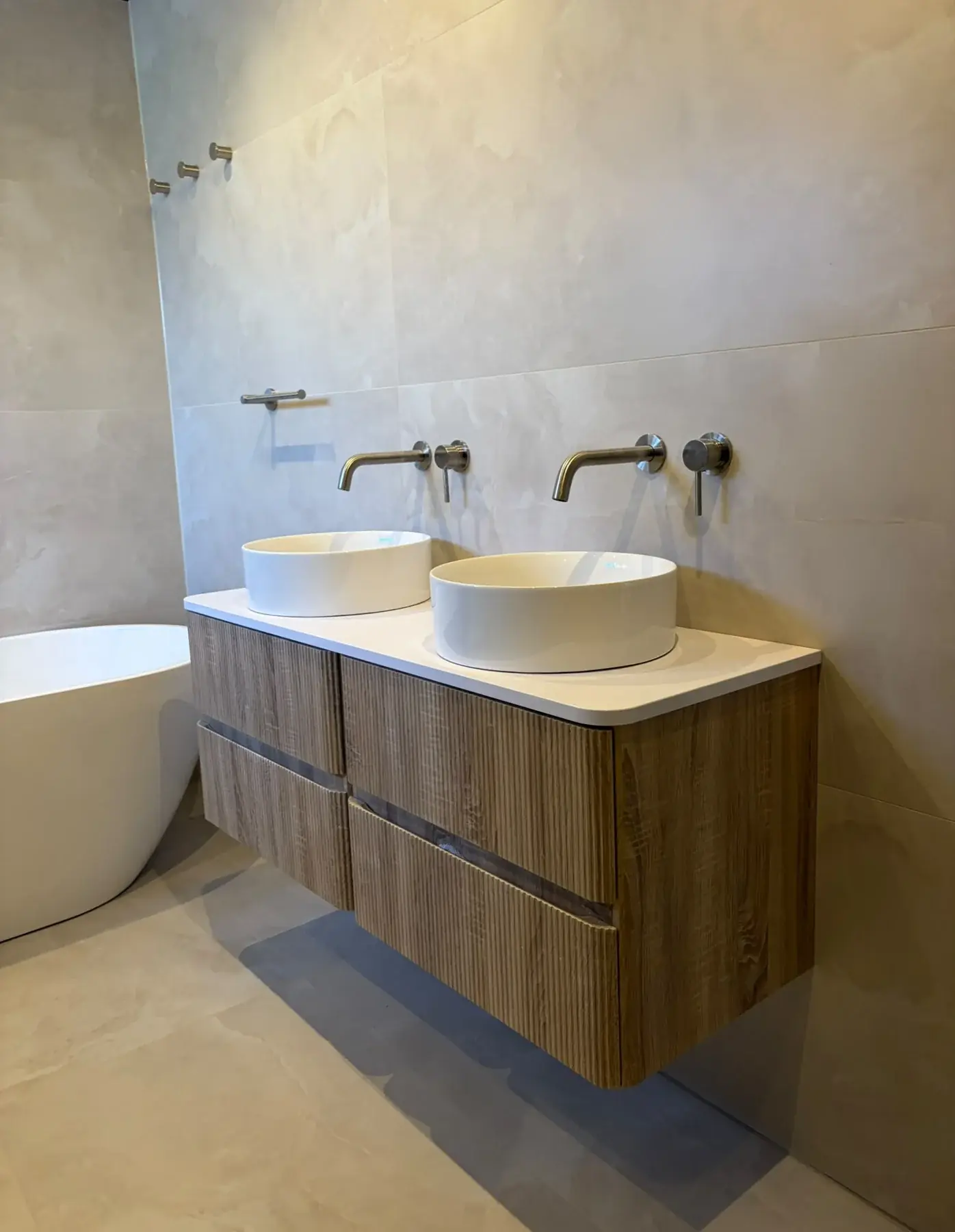
Plumbing decisions affect more than the fitting you can see. The route of the pipework, the waste falls, the pressure available and how easily valves can be reached all shape the room before the finishes go on. In Beaconsfield, it pays to settle those points before layout is fixed.
- Service
- Plumbing
- Town / city
- Beaconsfield
- County
- Buckinghamshire
- Next step
- Discuss your project
Your project brief
Design around the existing services, not just the fixture locations
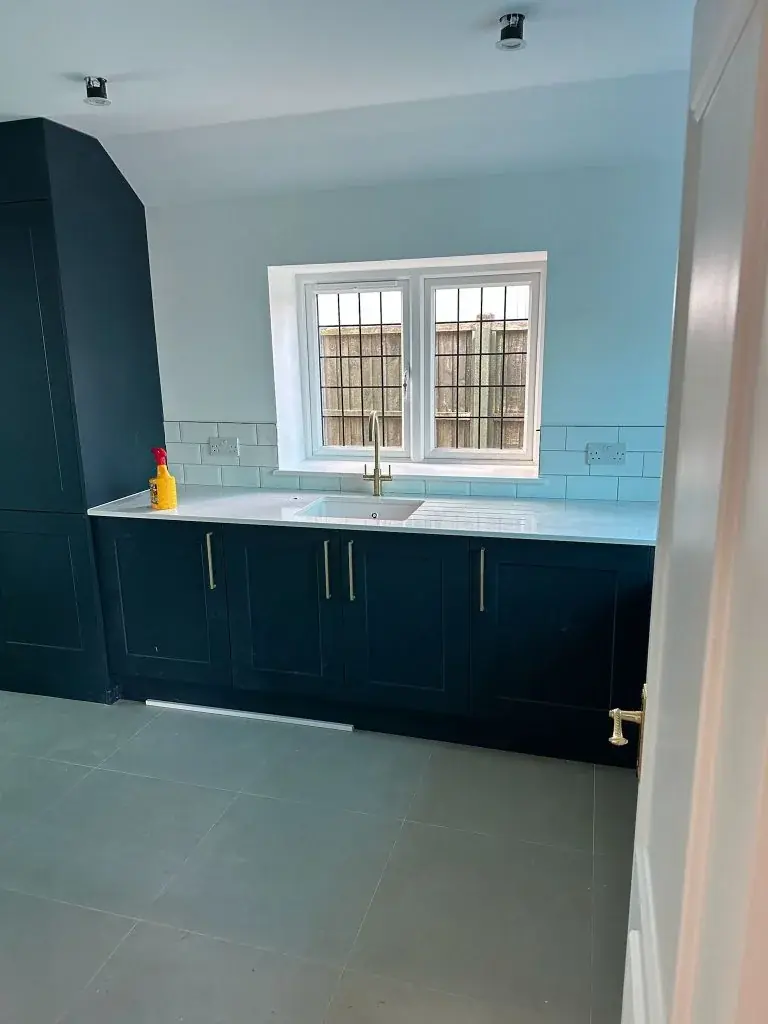
Moving a sink, shower or appliance can change the whole plumbing route behind the scenes. A layout that looks simple on paper may need longer runs, better access or different waste gradients once the structure is checked. That is why the condition and position of existing pipework should be reviewed before the room plan is finalised.
If there are signs of concealed leaks, old pipe materials or poor maintenance access, those should be part of the brief from day one. The best solution is often the one that reduces future disruption as much as it meets the immediate layout goal. That may mean keeping some services where they are and redesigning around them.
Beaconsfield checks before changing pipework
For Beaconsfield, start with the exact address and then check whether Buckinghamshire Council’s Beaconsfield Old Town character appraisal and boundary map are relevant to the plot. That local evidence may matter for external alterations, but it does not decide the best plumbing route inside the house. The practical questions are whether the existing pressure, waste falls and pipe access suit the proposed layout, and whether any wider approvals are needed for the broader project.
Design decisions
Keep plumbing, safety work and coordination separate
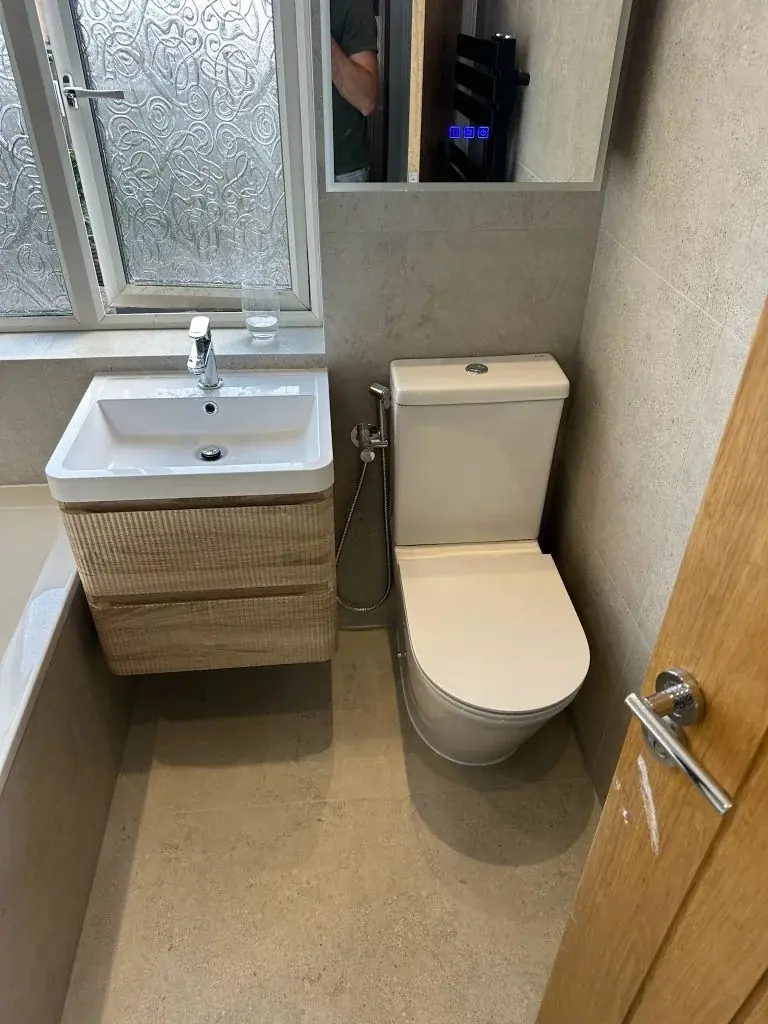
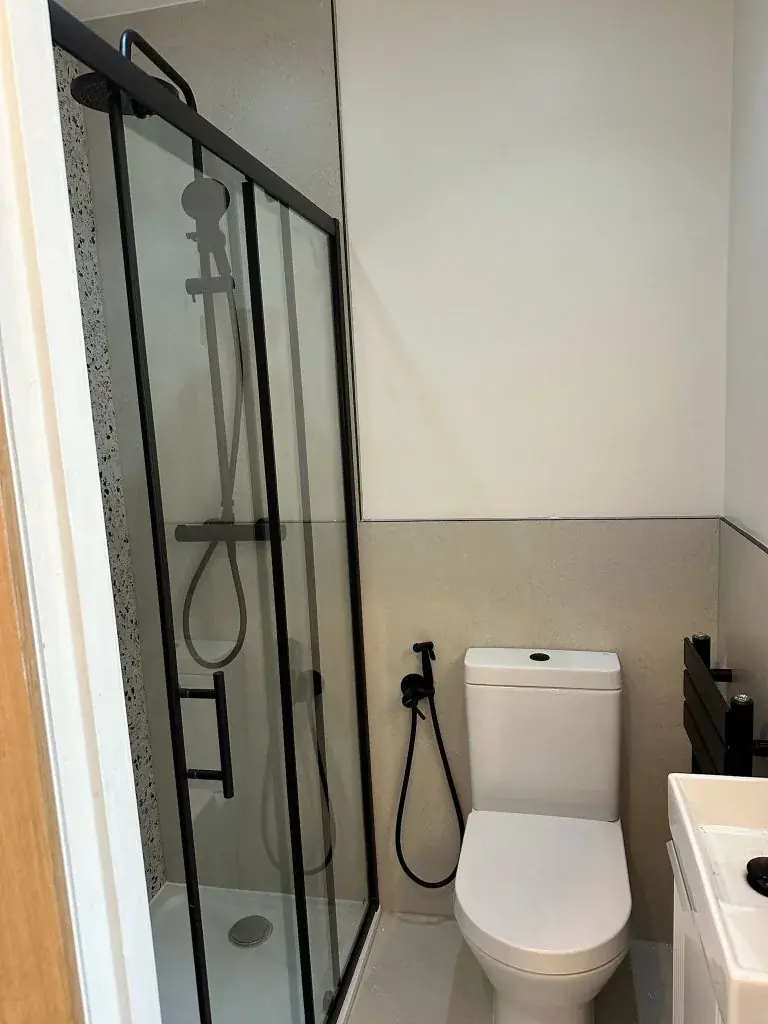
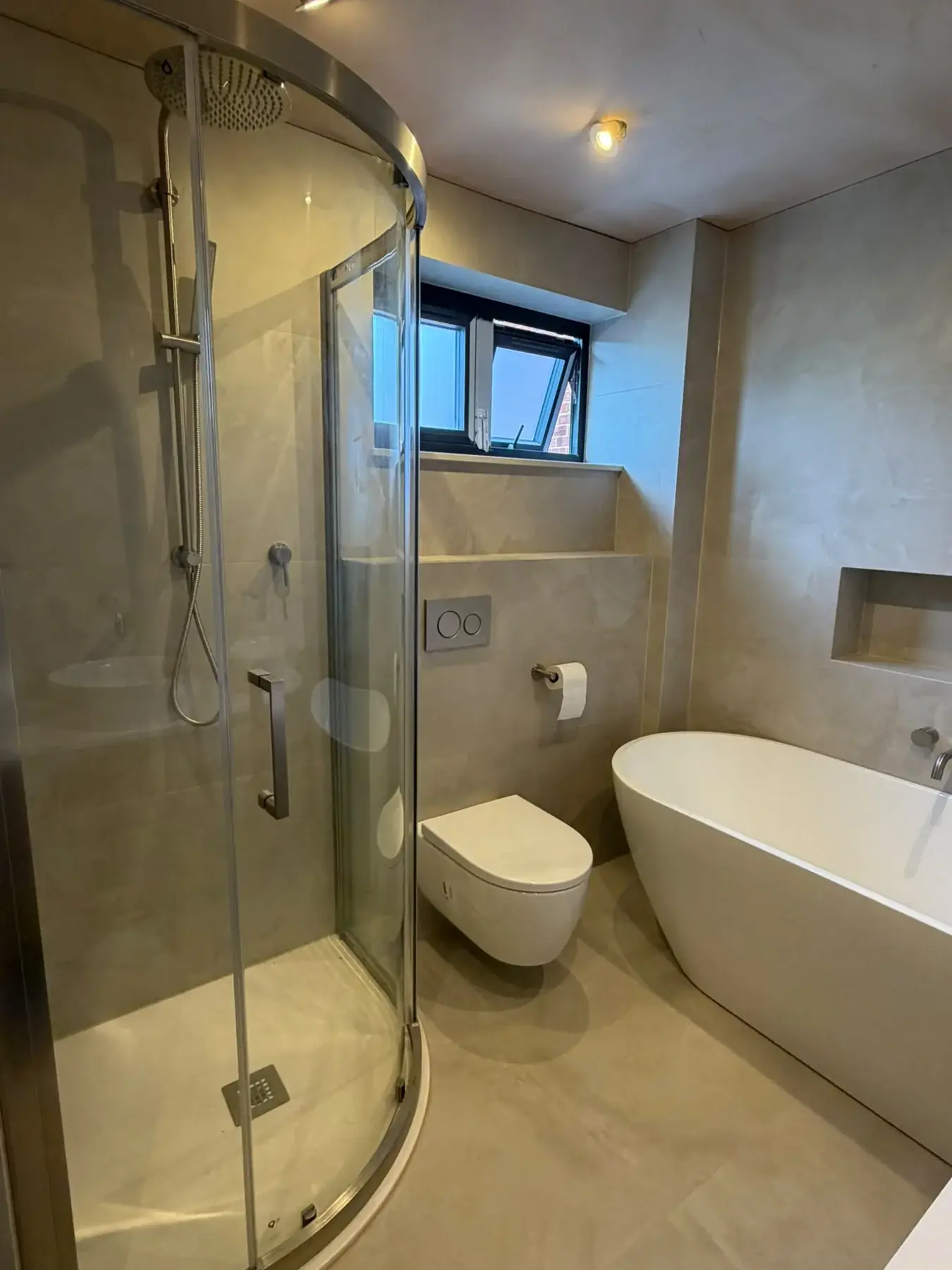
Plumbing changes often sit alongside electrical work, joinery and plastering, but each trade has its own order and standards. Water supplies and wastes should be designed so that the other finishes do not need to be opened again later. Access panels, isolation points and service routes need to be considered while the room is still open.
Gas appliance or gas pipe work is a separate safety-controlled activity and must be undertaken by an appropriately Gas Safe registered engineer. It should be treated as its own workstream rather than folded into general plumbing. That clarity helps when agreeing the scope, the sequence and the records needed at handover.
Design checks
Four things we confirm before drawing plumbing work.
- 01Review water supply, waste routes and access before fixing the layout.
- 02List any sanitaryware, taps and connections included in the scope.
- 03Agree first-fix and second-fix timing with the rest of the project.
- 04Check how any concealed pipework will be reached for maintenance.
Questions
Before you call about Beaconsfield.
Why can a simple sink move become a bigger job than expected?
Because the new position may need altered pipe runs, better waste falls or different access for valves and traps. The visible change is small, but the hidden work can be significant.
What should be agreed before walls are closed?
The final route of the pipes, the location of isolation points and any access required for maintenance. Once the finishes go on, those details are much harder to change neatly.
How should plumbing be coordinated with other trades?
By setting the sequence early. Rough-in work should happen before plastering and decorating, while final connections are timed around the fit-out so that new surfaces are not damaged.
Planning and project guidance
- Buckinghamshire Council · conservation-area maps and individual character appraisals
- GOV.UK · Planning permission
- GOV.UK · Building regulations approval
- GOV.UK · Party walls and building work
Check the current guidance for your address before relying on a planning route. This guide is not a planning decision or a verified local case study.
Other services in Beaconsfield








