
Southwark · South London
Gardensin Dulwich.
A garden feels finished when it works with the rooms that open onto it. The useful decisions are not only about materials, but also about levels, access, drainage and how the outdoor space will be used once the house project is complete.
- Service
- Gardens
- Neighbourhood
- Dulwich
- Borough
- Southwark
- Next step
- Discuss your project
Your project brief
Work from the house outward
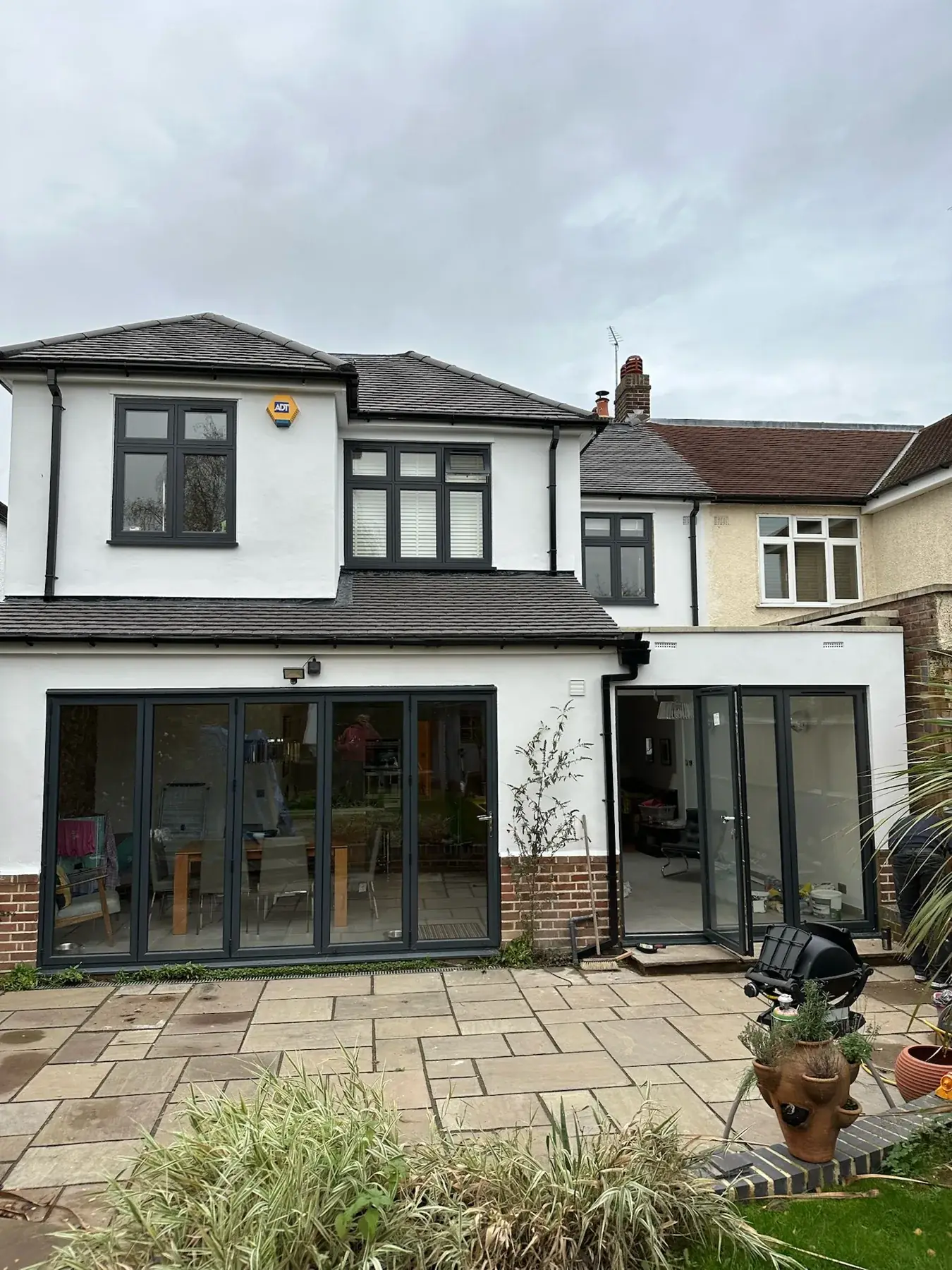
A garden project should start by asking how people will move between the house and outside space. Steps, thresholds, paths and changes in level affect daily use more than the total size of the garden. If the space is linked to a kitchen or living room, the route should feel natural and safe.
That is why the scope should include any ground preparation and making good after building work. A tidy finish is not just cosmetic; it shows whether the surfaces, edges and transitions have been properly integrated with the rest of the property.
Southwark and Dulwich site checks for outdoor work
Dulwich is treated here as part of the Southwark council search area, but the exact address still decides what applies. Southwark’s conservation-area page shows that some parts of the borough may have additional controls, and Article 4 directions can mean planning permission is needed for certain changes. That does not automatically apply to every garden. For outdoor work, the specific plot, boundaries and any relevant exterior changes should be checked first.
Design decisions
Check levels, drainage and boundaries together
Garden work often looks straightforward until the levels are considered. A new patio or path may alter how water moves, how doors open and how the edge of the garden is read. Boundary features and gates also need attention because they affect both access and ownership, which should be established before work starts.
For example, if a possible brief includes a seating area near the house, it should be checked against existing drainage routes and the door threshold. The design should support everyday use in wet weather as well as dry conditions, rather than focusing only on the finished look of the surface.
Design checks
Four things we confirm before drawing garden improvements.
- 01Confirm the route from the house to the garden and how levels will change.
- 02Check drainage and surface water before choosing patios, paths or steps.
- 03Establish boundary lines and ownership before fencing or gates are included.
- 04Ask what ground preparation and making good are covered after the main work is done.
What should a homeowner check when garden work is finished?
Inspect the levels, the route from the house, drainage behaviour after rain if possible, and whether edges, gates and boundary features match the agreed scope. Any remaining soft spots or unfinished transitions should be noted as handover items.
Why are levels so important in a garden project?
Because they affect water movement, access and how comfortably the space is used. A small level change can alter drainage or create an awkward step, so the design needs to account for that from the start.
Does a garden project automatically need the same approvals as an external building change?
No. The route depends on the exact works and the exact address. If the project changes the exterior or lies within a site with extra controls, that should be checked separately rather than assumed.
Planning and project guidance
- Conservation areas | Southwark Council
- GOV.UK · Planning permission
- GOV.UK · Building regulations approval
- GOV.UK · Party walls and building work
Check the current guidance for your address before relying on a planning route. This guide is not a planning decision or a verified local case study.
Other services in Dulwich








