
Southwark · South London
Renderingin Dulwich.
Rendering changes how a wall looks and how it performs, but the finish must suit the wall behind it. The useful decisions are about substrate condition, compatible materials and the edges where render meets openings, roofs and other finishes.
- Service
- Rendering
- Neighbourhood
- Dulwich
- Borough
- Southwark
- Next step
- Discuss your project
Your project brief
Start with the wall beneath the render
Before choosing a render system, the existing wall needs to be assessed. A sound background can take a different approach from a wall with failed areas or incompatible old finish. If the substrate is not right, the render can look acceptable at first and still fail earlier than expected.
That is why render work should define preparation separately from application. Homeowners can then check whether failed material was removed, whether repairs were included and whether the final coat was applied over a suitable surface. This is a practical quality check, not a guarantee of planning or approval outcomes.
Southwark and Dulwich checks for external render work
Dulwich is treated here as part of the Southwark council search area, but the official conservation-area page only shows that some parts of the borough have extra controls. It does not prove the status of every property, so the exact address must be checked before assumptions are made. Render work can also vary if the building is listed or if the exterior is being changed in a controlled area.
Design decisions
Pay attention to junctions and exposure
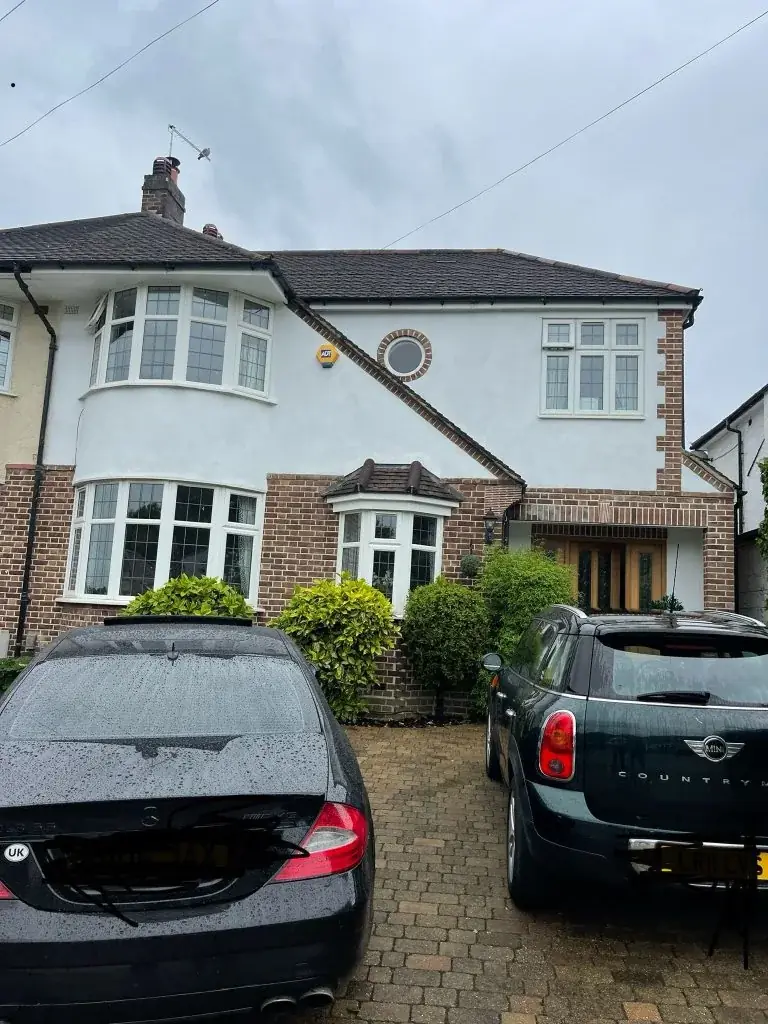
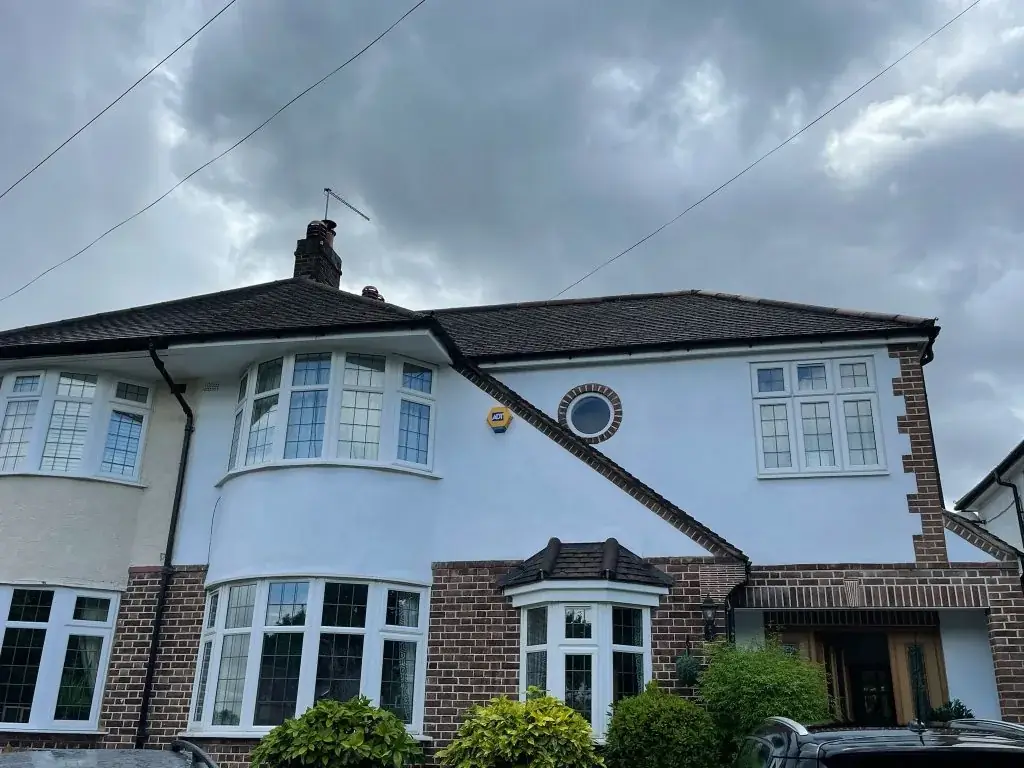
The most vulnerable places are often not the broad wall surface but the junctions: around windows, doors, roof edges and adjoining materials. Those details matter because water, movement and visual changes tend to show up there first. A render finish should therefore be judged by how it meets the rest of the building, not by colour alone.
For example, if a possible brief includes repairing only one side of a wall, the transition into adjacent materials should be considered at the same time. That helps avoid an obvious patch or a weak junction that could affect both appearance and durability.
Design checks
Four things we confirm before drawing external rendering.
- 01Confirm the existing wall type and the condition of the background before choosing a render system.
- 02Check whether failed render must be removed or repaired as part of the scope.
- 03Review junctions around openings, roof edges and adjoining materials.
- 04Ask what preparation, access and final making-good are included in the work order.
What should a homeowner inspect when rendering is complete?
Check the uniformity of the finish, the neatness of the junctions and whether any repaired areas blend properly with the rest of the wall. Also confirm that the preparation and any removals match what was agreed.
Does rendering automatically solve wall problems underneath?
No. It changes the outer layer, but the wall beneath still needs to be suitable. If the substrate is poor or incompatible, that must be dealt with first or the render may not perform well.
Why do openings and roof edges matter so much in rendering?
Because they are where movement and weather exposure are most likely to show. Good detailing at those points helps the render work with the rest of the building rather than failing at the joins.
Planning and project guidance
- Conservation areas | Southwark Council
- GOV.UK · Planning permission
- GOV.UK · Building regulations approval
- GOV.UK · Party walls and building work
Check the current guidance for your address before relying on a planning route. This guide is not a planning decision or a verified local case study.
Other services in Dulwich








