
Southwark · South London
Roofingin Dulwich.
A roof issue is rarely solved by looking only at the visible stain inside the house. The useful decision is whether the problem comes from the covering, flashing, junctions or underlying condition, and how far the repair needs to go to address the real cause.
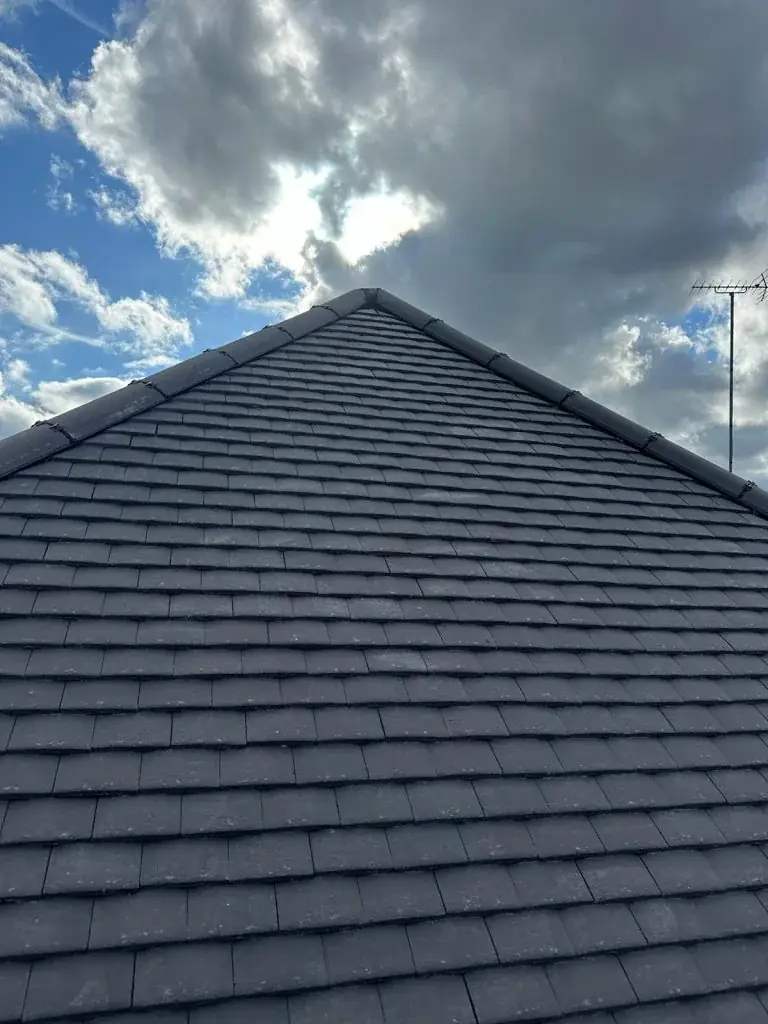
- Service
- Roofing
- Neighbourhood
- Dulwich
- Borough
- Southwark
- Next step
- Discuss your project
Your project brief
Trace the problem before agreeing the repair
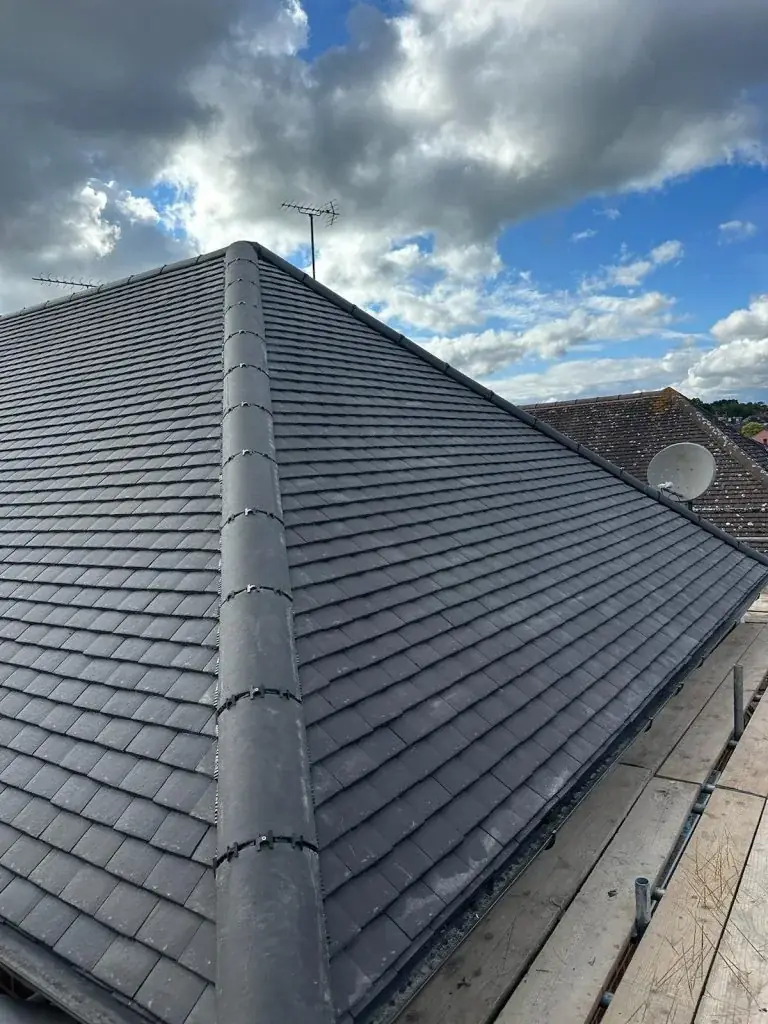
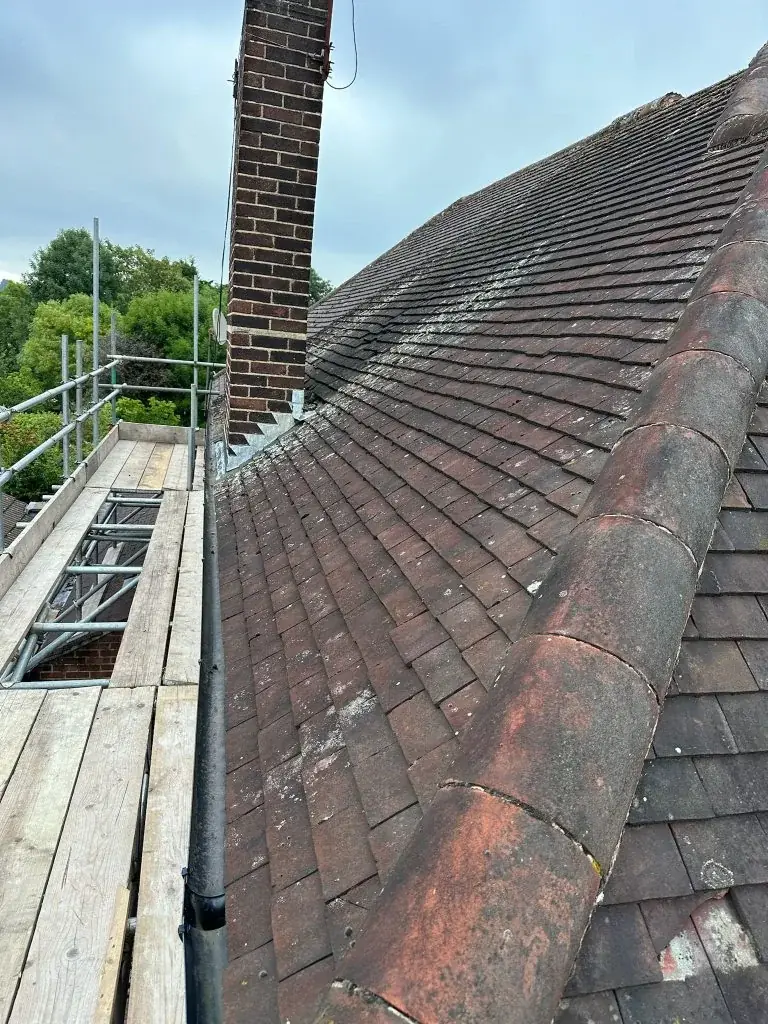
Roofing work should start with an inspection of accessible defects and an agreed scope that matches what is found. A missing tile is not the same as a junction failure, and a damp patch inside the house does not automatically prove the roof covering is the only issue. The repair should follow the cause.
That is important at handover too. Homeowners can ask what was checked, what was repaired and what remains outside the scope. That is a sensible way to understand the job, but it does not replace any required professional approval or specialist sign-off for larger alterations.
Southwark checks for roofing work in Dulwich
Dulwich sits within Southwark for the council search starting point, but the official conservation-area page is not proof that every roof job has the same restrictions. Southwark notes that there are conservation areas and that some changes may need planning permission through Article 4 directions, but the exact address must be checked before any assumptions are made. Roofing repairs, replacements and roof alterations can have different routes depending on the property and the work proposed.
Design decisions
Think about stairs, loft routes and conversion links
Roofing often becomes part of a wider project that also affects upper-floor circulation or a loft conversion. In that case, the roof work cannot be separated from the way people will move through the home. Access to the loft, stair position and structural changes may all affect what roof work is appropriate.
For example, if a possible brief involves repair work alongside a future loft scheme, the roof junctions, openings and structural needs should be discussed together. That avoids repeating work later and helps the homeowner understand where the roofing scope ends and the conversion design begins.
Design checks
Four things we confirm before drawing roofing work.
- 01Confirm what defect was found, not just where the leak appeared inside.
- 02Check flashing, abutments and rainwater junctions alongside the roof covering.
- 03Ask whether the scope is a repair, replacement or part of a wider conversion scheme.
- 04Review the access, exclusions and any outstanding items before considering the job complete.
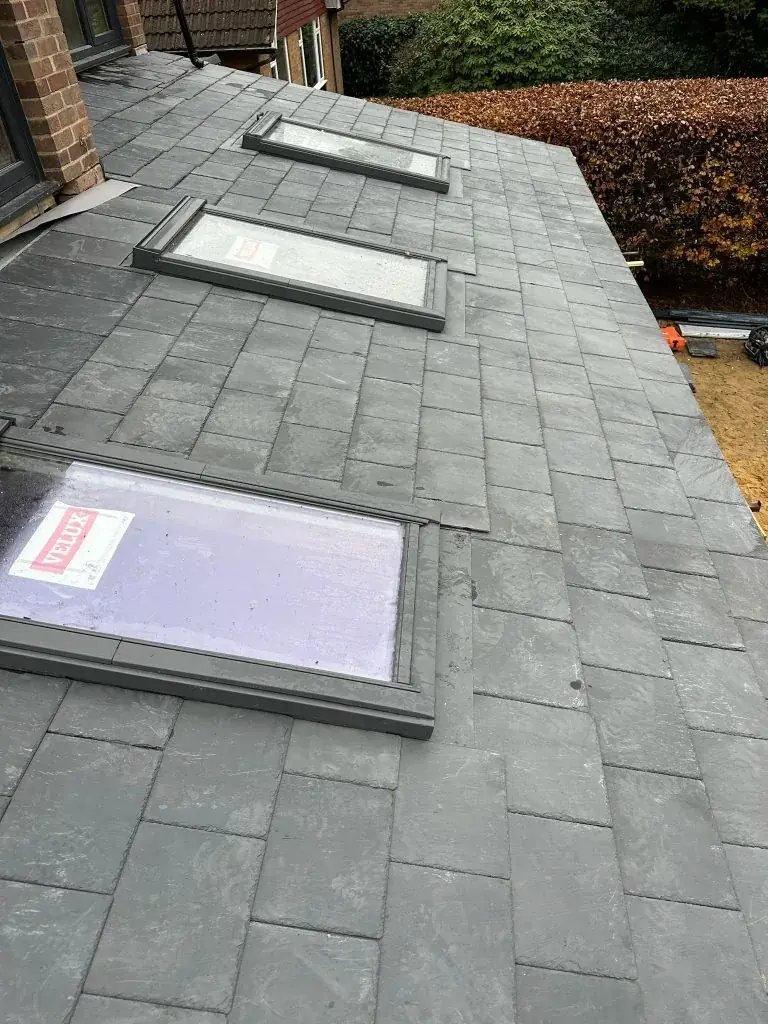
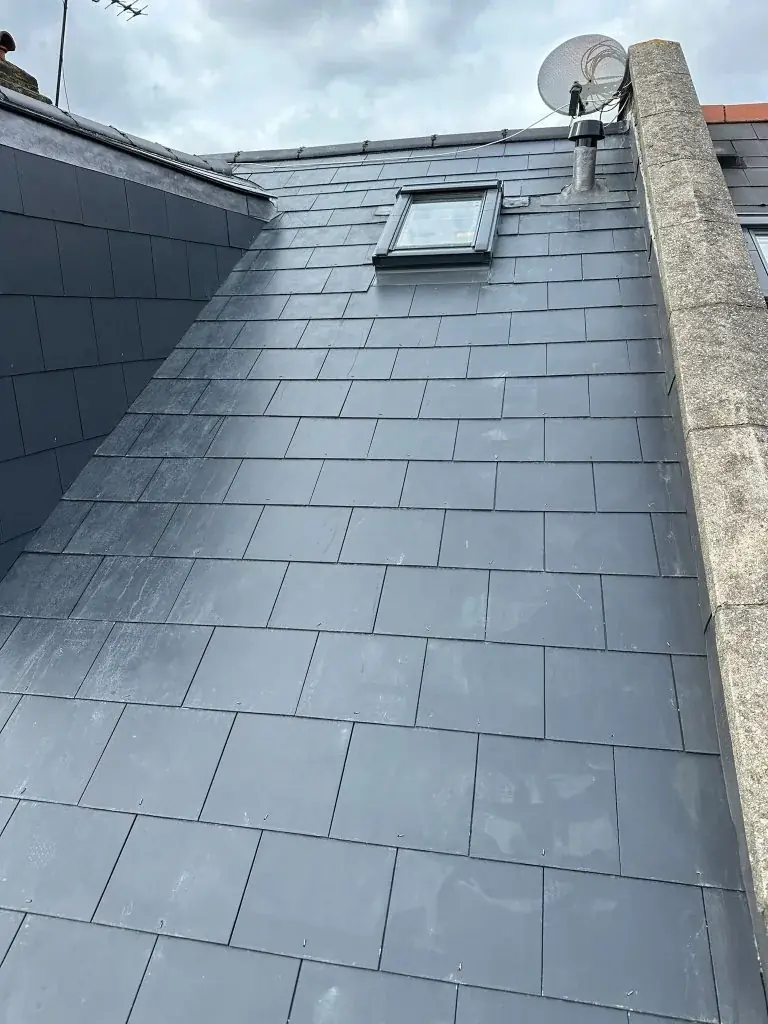
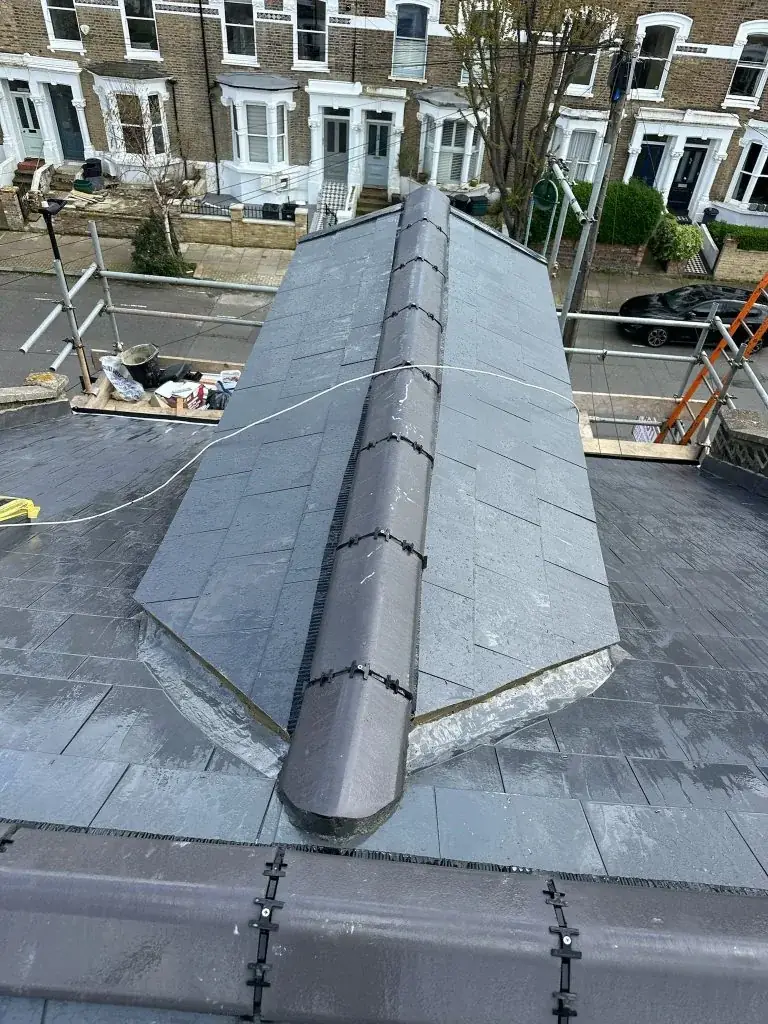
What should a homeowner look for at roofing handover?
Check the repaired areas, the junction details and whether the original cause of the problem was addressed. If the job was limited to certain sections, ask what was inspected but left unchanged so there is no confusion later.
Why should a roof leak be investigated beyond the visible damp patch?
Because water can travel before it shows inside the house. The problem may be at a flashing, junction or another weak point, so the repair needs to follow the path of the fault rather than the stain alone.
How does a roofing repair differ from a loft-conversion roof scope?
A repair targets a defect in the existing roof. A loft conversion may require structural and opening changes as well, so the roof work becomes part of a wider design and build package rather than a stand-alone fix.
Planning and project guidance
- Conservation areas | Southwark Council
- GOV.UK · Planning permission
- GOV.UK · Building regulations approval
- GOV.UK · Party walls and building work
Check the current guidance for your address before relying on a planning route. This guide is not a planning decision or a verified local case study.
Other services in Dulwich








