
Surrey · Farnham · Town service guide
Roofingin Farnham.
Roof work needs careful sequencing because the visible defect is not always the real cause. In Farnham, the key decision is whether the issue sits in the covering, the flashing, the drainage details or the underlying structure, and that should be checked before any repair is ordered.
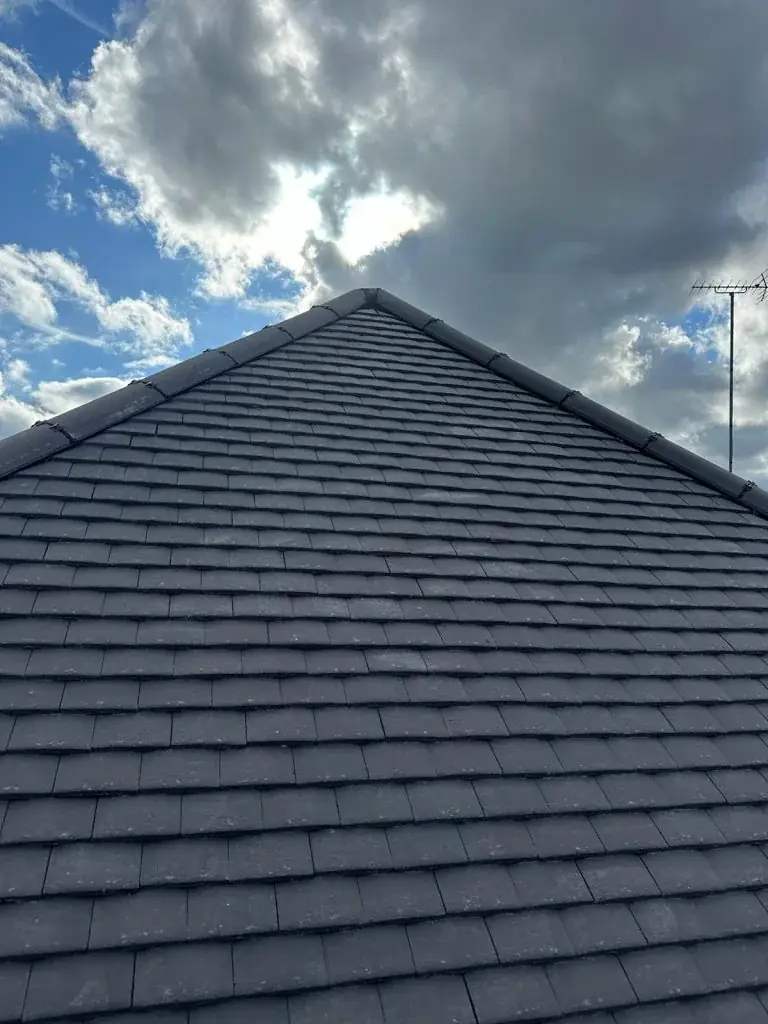
- Service
- Roofing
- Town / city
- Farnham
- County
- Surrey
- Next step
- Discuss your project
Your project brief
Find the cause before deciding the scope
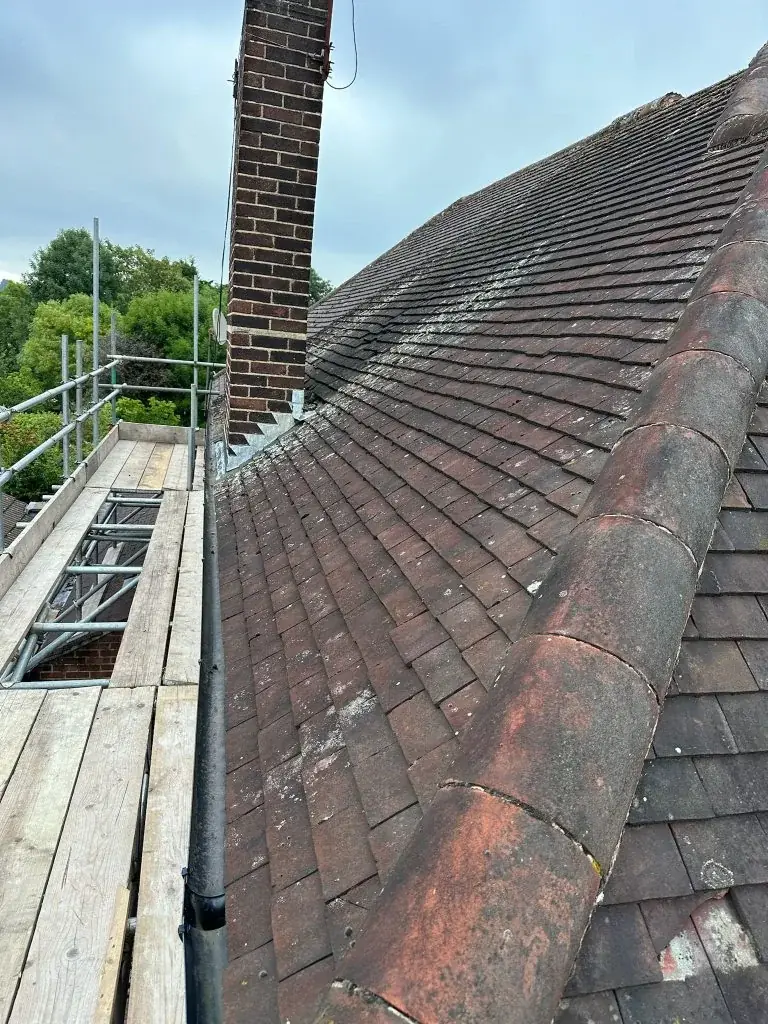
A damp patch inside does not always mean the tile above it is to blame. Roofing work should start with an inspection of the accessible areas, looking at coverings, ridges, flashings and junctions so the repair scope is based on the likely source of the problem.
Safe access matters too. Scaffolding or other access arrangements may be needed depending on the height and condition of the roof, and those practicalities should be identified in the quote rather than assumed later. That avoids redesigning the job once work is underway.
Farnham local checks for roof work
Farnham is within Waverley’s planning area, so the exact address should be checked on the current council mapping if the roof work is part of a wider alteration. Waverley’s guidance register includes the Farnham Conservation Area Appraisal and boundary, adopted on 22 February 2005, which gives town-centre heritage context but does not prove that every property in Farnham is covered. For roofing, the site-specific check matters more than the town-wide background, because the work type and the current policy documents may change the route.
Design decisions
Keep repair, replacement and conversion separate
A roof repair, a roof replacement and a loft conversion are different scopes and should be treated that way. A repair may only need localised work, while re-roofing can trigger building-regulation considerations and a conversion brings structural design into the picture as well.
Where historic evidence is relevant, it should inform the approach to the roofscape rather than dictate it blindly. The point is to coordinate the repair with the existing building, the visible elevations and the current controls, not to assume one solution fits every roof.
Design checks
Four things we confirm before drawing roofing work.
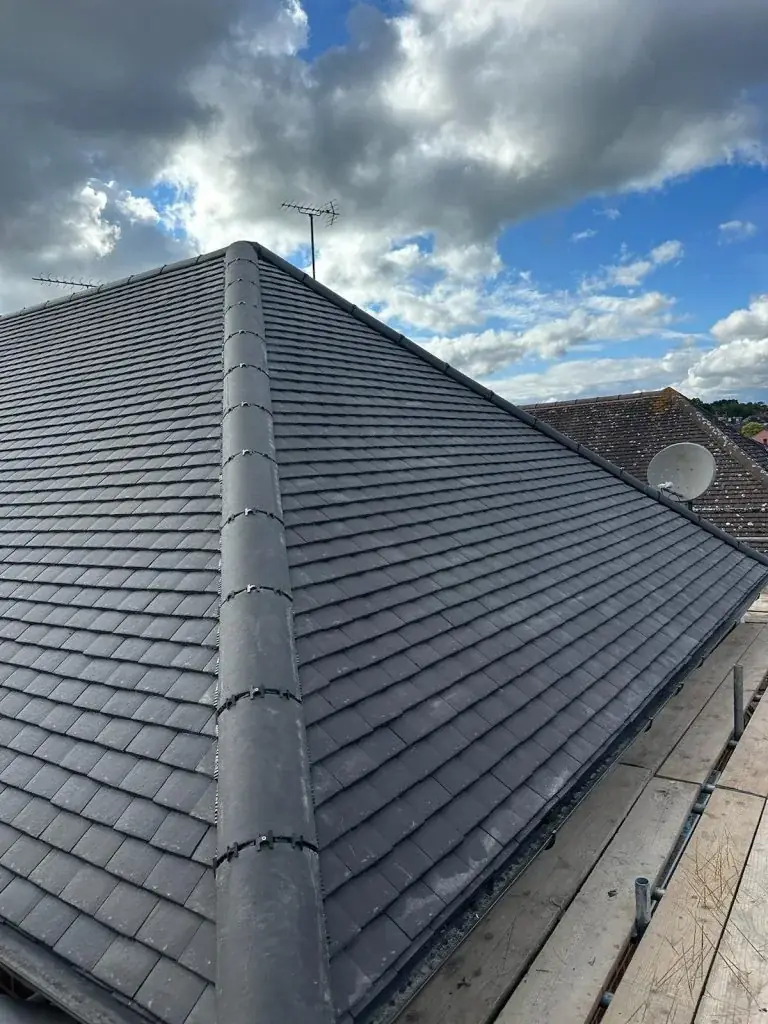
- 01Investigate accessible roof defects and agree the repair scope.
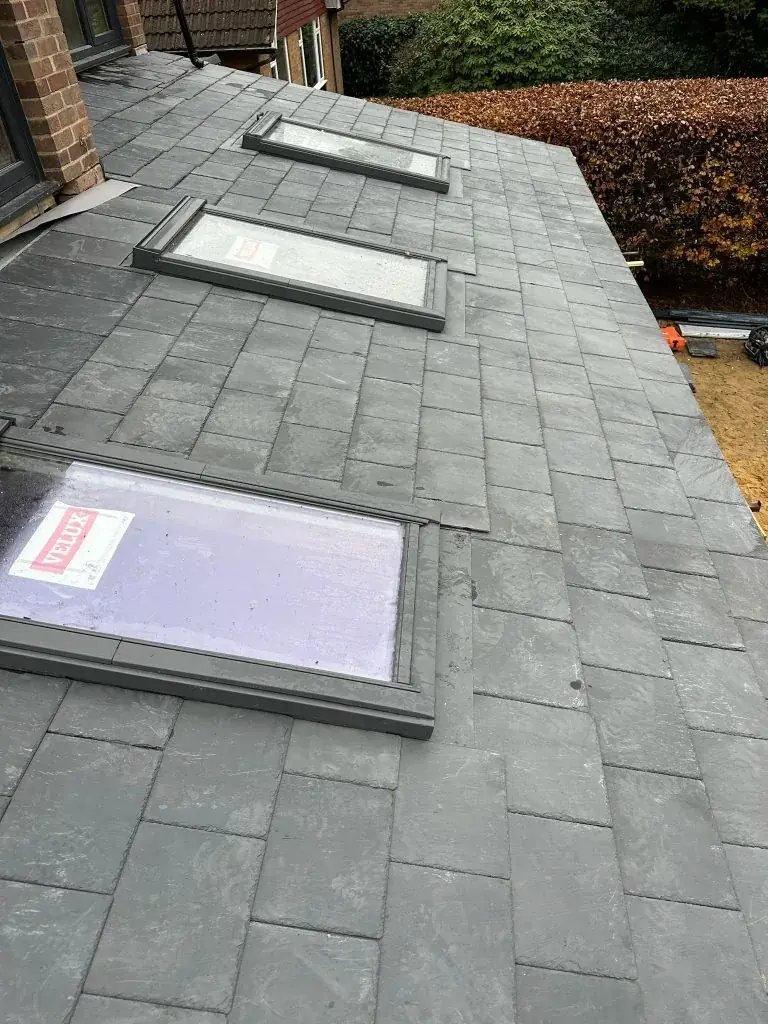
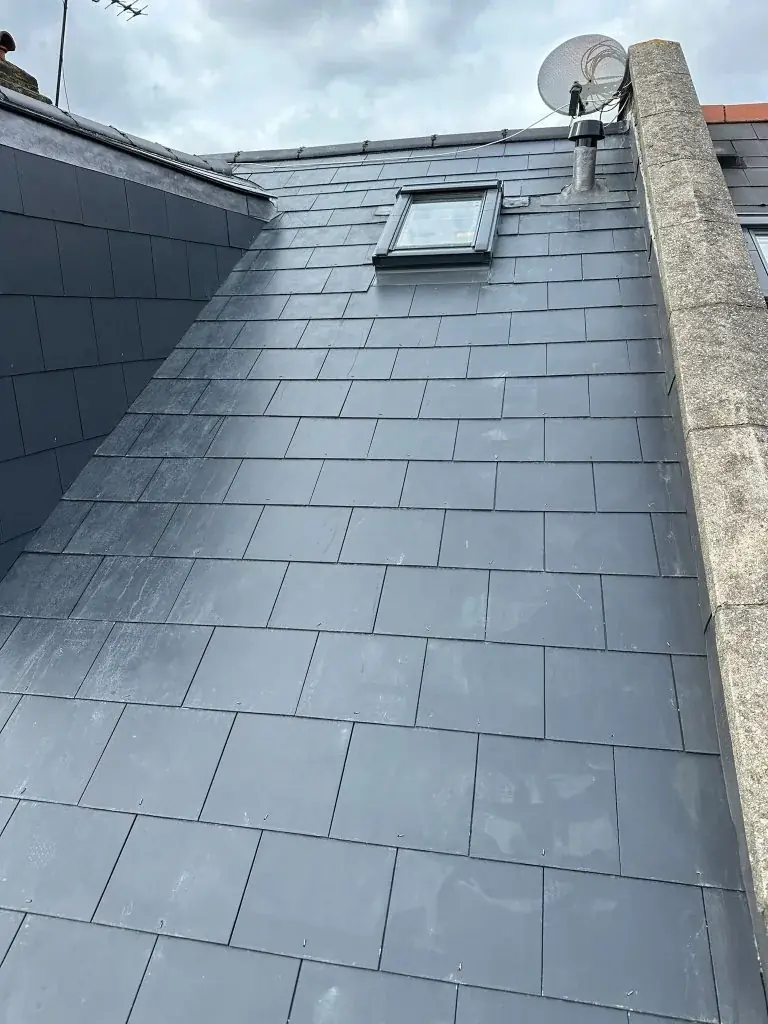
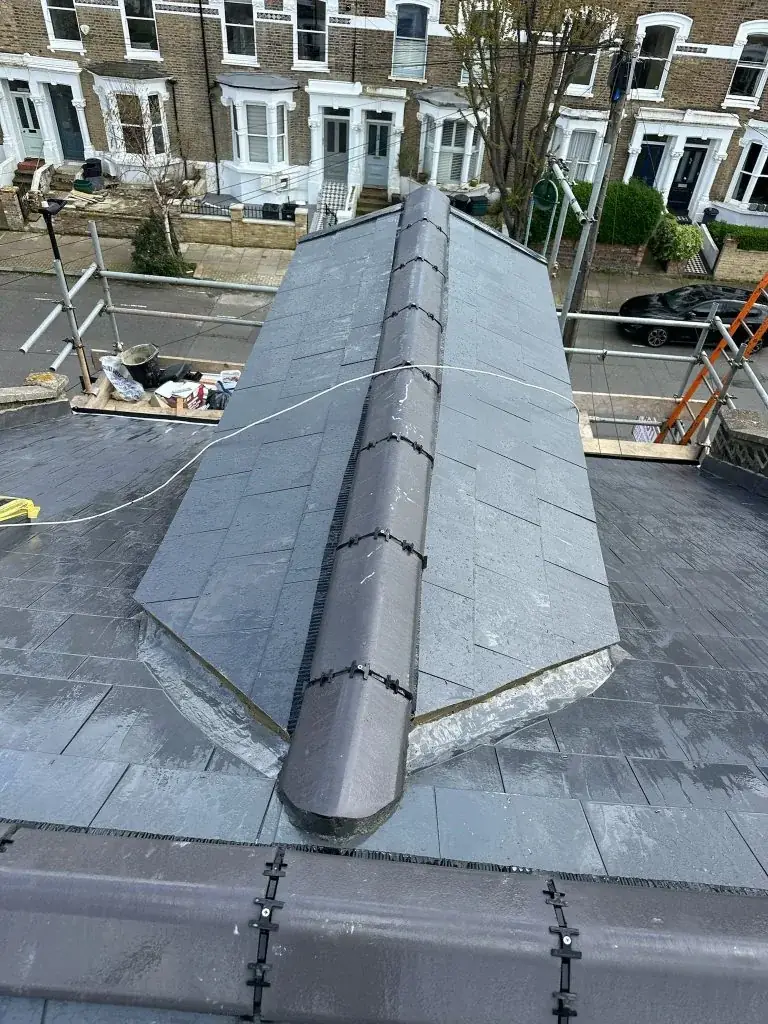
- 02Work to suitable roof coverings, ridges and associated details where specified.
- 03Consider flashings, abutments and rainwater junctions alongside the covering.
- 04Coordinate roof alterations with loft-conversion design and structural requirements.
How do I know whether I need a repair or a replacement?
That depends on the condition of the covering, the underlying structure and whether the defect is local or widespread. An inspection of the accessible areas should come before any decision is made.
Why are flashings and junctions important in roofing?
Because leaks often start where materials meet rather than in the centre of a roof tile. Good detailing at the joins can be more important than replacing individual tiles.
Can roofing work be planned at the same time as a loft conversion?
Yes, but they should still be treated as different scopes. The roof may need structural and weathering decisions, while the conversion adds room-use and design requirements.
Planning and project guidance
- Waverley Borough Council · Farnham appraisal and adopted planning guidance
- GOV.UK · Planning permission
- GOV.UK · Building regulations approval
- GOV.UK · Party walls and building work
Check the current guidance for your address before relying on a planning route. This guide is not a planning decision or a verified local case study.
Other services in Farnham








